
Pheidole strigosa
- Nome cient.
- Pheidole strigosa
- Tribo
- Attini
- Subfamília
- Myrmicinae
- Autor
- Wilson, 2003
- Distribuição
- Encontrado em 2 países
Introdução
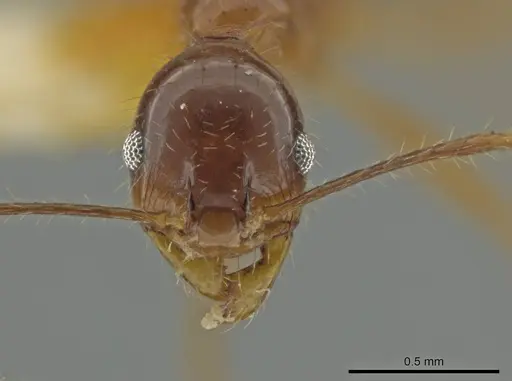
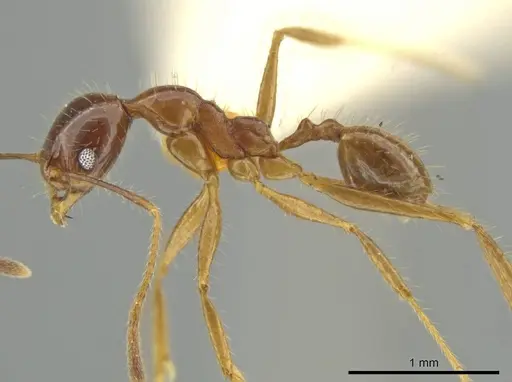
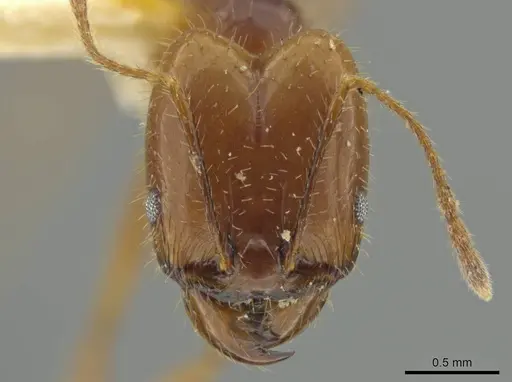
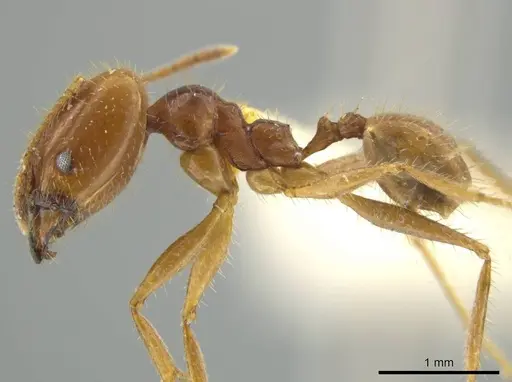
Pheidole strigosa is a small ant species in the diligens group, native to Brazil. It was first described from Taperinha Santarém in Pará and has been recorded in Mato Grosso . This species inhabits lowland rainforest floors . Body size data is unavailable, but majors have elongated heads and minors are smaller, as typical for Pheidole species. As a lowland rainforest floor inhabitant, it occupies a specialized microhabitat in the Amazon basin.
Quick Summary
- Difficulty: Medium
- Origin & Habitat: Amazon basin, Brazil, lowland rainforest floor at Taperinha Santarém, Pará, and Mato Grosso [1][2]
- Colony Type: Colony structure is unconfirmed for this species.
- Size & Growth:
- Queen: Unknown, no documented queen measurements
- Worker: Size data unavailable, no total length measurements available
- Colony: Unknown
- Growth: Unknown
- Development: Unknown, no species-specific data (Development timeline is unconfirmed.)
- Antkeeping:
- Temperature: Based on tropical habitat, keep warm around 24-28°C, but no specific data confirmed. Use a heating gradient.
- Humidity: High humidity is typical for rainforest species, keep substrate consistently moist but not waterlogged.
- Diapause: No, tropical species do not require hibernation.
- Nesting: Prefer Y-tong or plaster nests with moist substrate, avoid acrylic nests.
- Behavior: Majors have a functional sting from subfamily traits. They are not aggressive but will defend if threatened. Escape risk is moderate due to small size, use fine mesh barriers.
- Common Issues: temperatures below 20°C can be fatal, keep warm year-round, drying out is a major risk, monitor substrate moisture constantly, escape risk due to small size, use fine mesh barriers, parasites may be present in wild-caught colonies, quarantine new colonies
Housing and Nest Setup
Pheidole strigosa inhabits lowland rainforest floors [2]. In captivity, use Y-tong or plaster nests with moist substrate. Provide tight chambers scaled to their small size. Avoid acrylic nests. Ensure connections are secure to prevent escape.
Feeding and Diet
Like other Pheidole species, this ant is omnivorous. Offer small seeds and protein sources like small insects. Sugar water or honey can be provided. Feed protein 2-3 times per week and keep carbohydrates available.
Temperature and Humidity Management
As a tropical species, keep temperatures warm around 24-28°C with a gradient. Humidity should be high, keep substrate moist but not waterlogged. Never let temperatures drop below 20°C.
Colony Development and Growth
Colony growth is unconfirmed for this species. Pheidole colonies typically produce major and minor workers. Growth rate depends on feeding and temperature consistency.
Frequently Asked Questions
How long does it take for Pheidole strigosa to produce first workers?
The exact timeline is unknown. Based on typical Pheidole development, expect first workers in several weeks, but no species-specific data exists.
What do Pheidole strigosa ants eat?
They are omnivores. Offer small seeds as a staple, along with small insects for protein. Sugar water or nectar provides carbohydrates.
What temperature do Pheidole strigosa ants need?
Keep them warm around 24-28°C year-round. This is a tropical species that does not tolerate cool temperatures.
Are Pheidole strigosa good for beginners?
This species is rated as medium difficulty. It requires careful attention to humidity and temperature.
How big do Pheidole strigosa colonies get?
Colony size data is not available for this specific species.
Do Pheidole strigosa need hibernation?
No. As a tropical species, they do not require hibernation or winter cooling.
Can I keep multiple Pheidole strigosa queens together?
The colony structure is unconfirmed. Start with a single queen for best success.
What humidity level do Pheidole strigosa ants need?
High humidity is essential. Keep the nest substrate consistently moist but not waterlogged.
When should I move Pheidole strigosa to a formicarium?
Wait until the colony has a stable worker population before moving to a larger nest setup.
Report an Issue
The current care sheet is based fully on literature. See inconsistencies, or something that's incorrect? Please , it will be resolved after review from an admin. Contributing to the blogs tab also helps providing information, to make us be able to further improve the caresheets. Thank you for your support!
References

Esta ficha de cuidados é licenciada sob CC BY-SA 4.0 .
Blogs da comunidade
CASENT0645875
Ver no AntWeb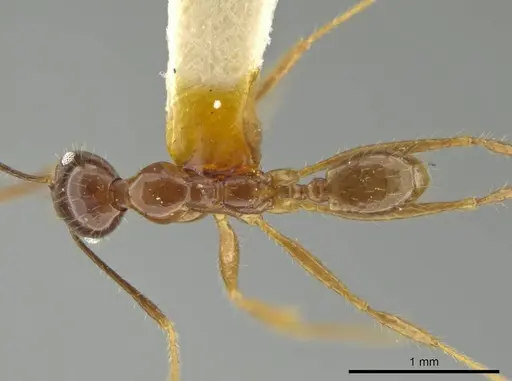
JTLC000016540
Ver no AntWeb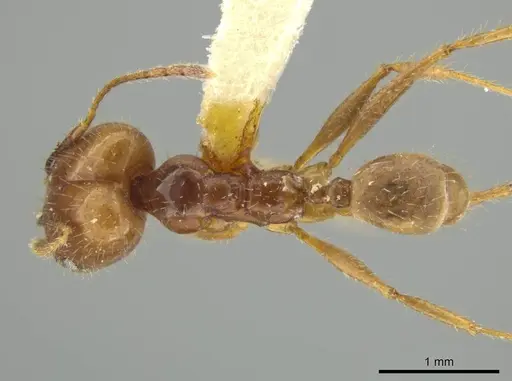
Literatura
A carregar mapa de distribuição...A carregar produtos...