
Pheidole onifera
- Nome cient.
- Pheidole onifera
- Tribo
- Attini
- Subfamília
- Myrmicinae
- Autor
- Mann, 1921
- Distribuição
- Encontrado em 1 países
Introdução
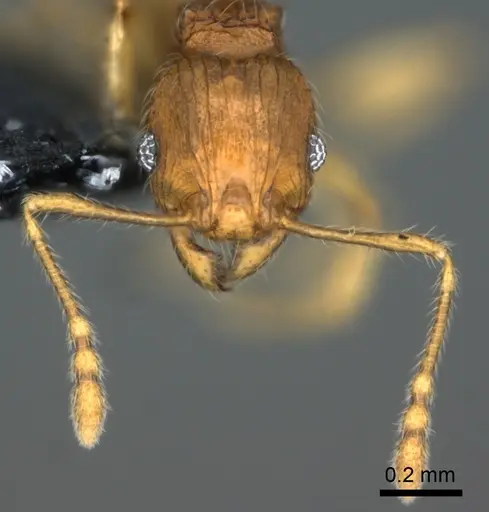
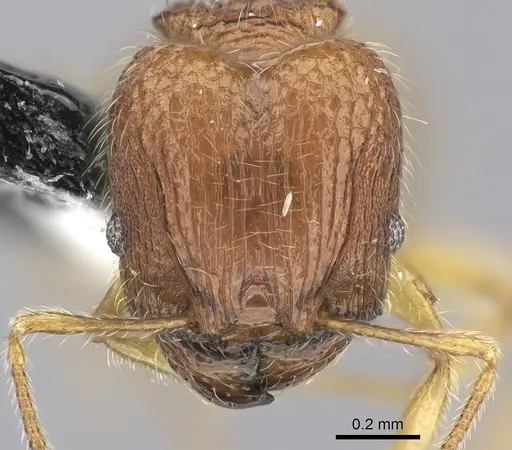
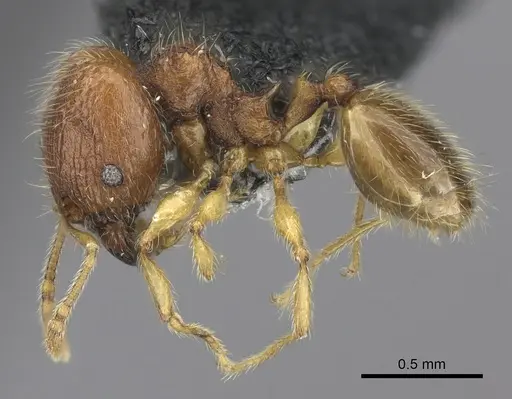
Pheidole onifera is a yellow-brown ant endemic to the Fiji islands, representing an independent colonization event from the Australia-New Guinea region . Major workers have lighter coloration with raised mesonotal angles and upcurved propodeal spines, while minor workers have a striate-punctate face . This species nests under stones, in rotting wood, and in ant-plants across islands like Viti Levu, Taveuni, and Ovalau . This species is part of the endemic Fijian Pheidole clade, derived from a single ancient colonist .
Quick Summary
- Difficulty: Medium
- Origin & Habitat: Endemic to Fiji islands, found on multiple islands including Viti Levu, Taveuni, Ovalau, Beqa, Gau, Kadavu, Moala, and Vanua Levu [2]. Inhabits tropical rainforest environments at elevations up to 500 meters on Ovalau [1]. Nests under stones, in rotting wood, and in ant-plants [2].
- Colony Type: Colony structure is unconfirmed. Based on typical Pheidole patterns, likely single-queen colonies, but no species-specific data available.
- Size & Growth:
- Queen: Size data unavailable, no total length measurements provided in research.
- Worker: Size data unavailable, no total length measurements provided in research.
- Colony: Up to several hundred workers, estimated from field observations of small colonies [2].
- Growth: Moderate, inferred from tropical Pheidole species.
- Development: Estimated 6-8 weeks at optimal temperatures (25-28°C), based on typical Pheidole development patterns [2]. (Development time is inferred from genus-level data, as no species-specific studies are available.)
- Antkeeping:
- Temperature: Keep nest area warm, roughly 24-28°C, with a gentle temperature gradient. Room temperature around 22-26°C is acceptable, use heating if needed.
- Humidity: Keep substrate consistently moist but not waterlogged, as they inhabit tropical rainforest environments [2].
- Diapause: No, tropical species from Fiji do not require hibernation [2].
- Nesting: Prefers humid nest environments. Test tubes, Y-tong (AAC) nests, or plaster nests work well. Include substrate in outworld to mimic natural nesting under stones and in wood [2].
- Behavior: Typical Pheidole temperament, generally peaceful but majors defend colony aggressively if threatened. Workers are active foragers. Escape risk is moderate due to small size.
- Common Issues: humidity management is critical, too dry and colonies will fail to thrive, too wet can cause mold issues, small colony size means slower population growth, beginners may lose patience, limited availability since this is a rarely kept endemic species, wild-caught colonies may carry parasites or pathogens that can cause captive failures, heating too aggressively can dry out the nest quickly
Housing and Nest Setup
You can keep Pheidole onifera in standard ant-keeping setups. Test tube setups work well for founding colonies, use a test tube with a water reservoir sealed with cotton. Once the colony reaches a small size, transition to a formicarium. Y-tong (AAC) nests or plaster nests are excellent for controlling humidity. The outworld should contain substrate like soil or fine gravel to allow natural foraging, as this species nests under stones and in wood [2]. Ensure nest chambers are sized appropriately for a small colony.
Feeding and Diet
Pheidole onifera is an omnivore. Offer protein sources such as small insects (e.g., fruit flies, pinhead crickets) and sugar sources like diluted honey or sugar water. Feed small amounts every 2-3 days, removing uneaten food after 24 hours to prevent mold.
Temperature and Seasonal Care
As a tropical species from Fiji, keep the nest area at 24-28°C with a temperature gradient. If room temperature is below 22°C, use a heating cable. No hibernation is required, maintain warm temperatures year-round for optimal growth [2].
Behavior and Colony Dynamics
Pheidole onifera has distinct major and minor worker castes. Minor workers handle foraging and nursing, while majors defend the colony. Colonies are relatively small, and the species is not aggressive toward keepers. Workers are active during the day and explore the outworld for food.
Acquisition and Legal Considerations
Pheidole onifera is endemic to Fiji and rarely available in the hobby. If acquired, ensure it was legally obtained and never release ants into non-native environments. This species is not invasive, but follow local regulations [2][4].
Frequently Asked Questions
How long does it take for Pheidole onifera to have first workers?
Based on typical Pheidole development, expect first workers approximately 6-8 weeks after queen lays eggs, provided temperatures are maintained at 25-28°C [2].
What do Pheidole onifera ants eat?
They are omnivores. Offer small insects for protein and sugar water or honey regularly.
Can I keep multiple Pheidole onifera queens together?
This is not recommended. Pheidole species are typically single-queen colonies, and combining unrelated queens may result in fighting. House foundress queens separately.
What temperature do Pheidole onifera ants need?
Keep them warm at 24-28°C. This tropical species does not tolerate cool conditions well [2].
Are Pheidole onifera good for beginners?
This species is best suited for intermediate keepers due to rarity and humidity requirements, but it is manageable with proper care.
How big do Pheidole onifera colonies get?
Based on field observations, mature colonies may reach up to several hundred workers [2].
Do Pheidole onifera need hibernation?
No. As a tropical species from Fiji, they do not require hibernation [2].
What type of nest is best for Pheidole onifera?
Test tubes work well for founding colonies. Once established, Y-tong or plaster nests are ideal for humidity control. Include substrate in the outworld to mimic natural nesting [2].
Where is Pheidole onifera found?
This species is endemic to the Fiji islands, recorded from Viti Levu, Taveuni, Ovalau, and other islands [2][4].
Report an Issue
The current care sheet is based fully on literature. See inconsistencies, or something that's incorrect? Please , it will be resolved after review from an admin. Contributing to the blogs tab also helps providing information, to make us be able to further improve the caresheets. Thank you for your support!
References

Esta ficha de cuidados é licenciada sob CC BY-SA 4.0 .
Blogs da comunidade
CASENT0185253
Ver no AntWeb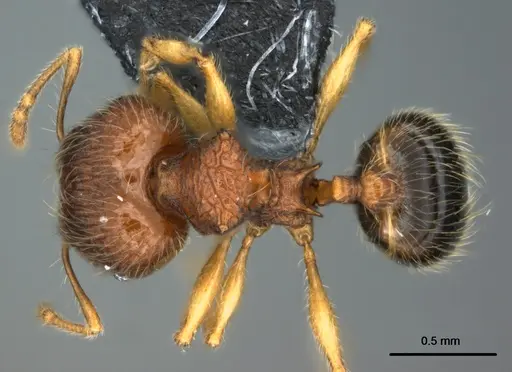
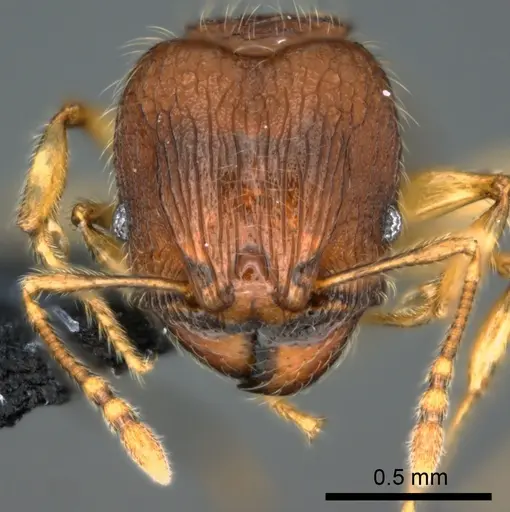
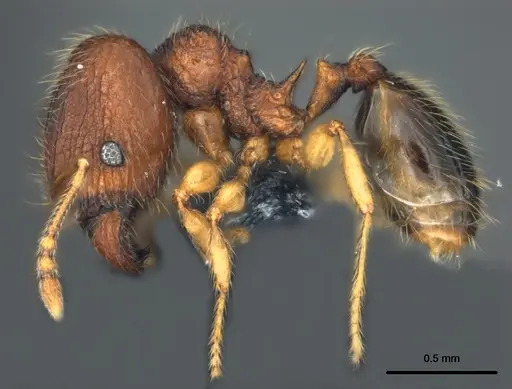
CASENT0185425
Ver no AntWeb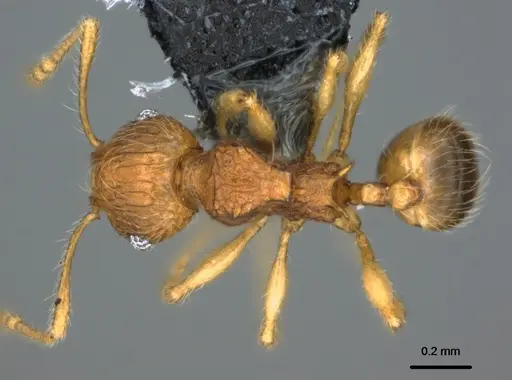
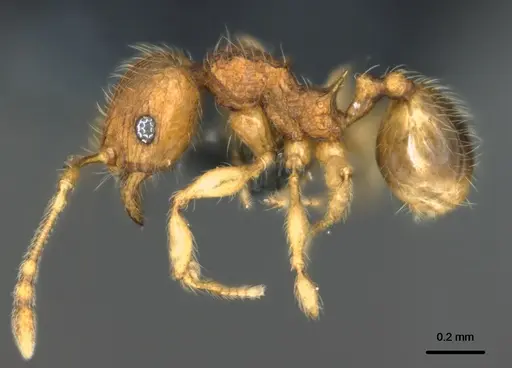
CASENT0185461
Ver no AntWeb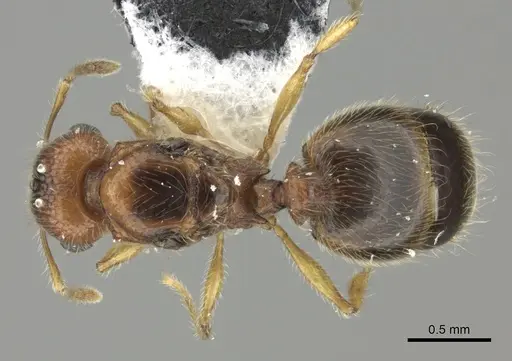
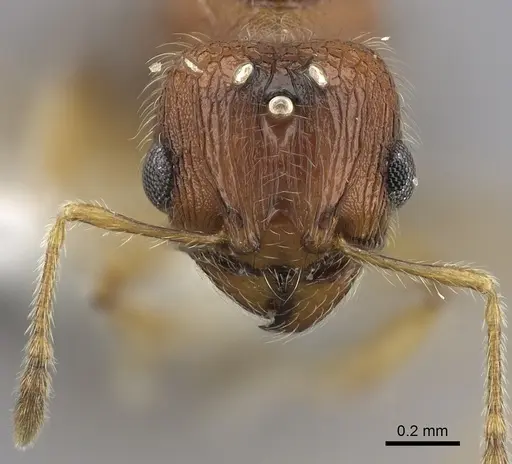
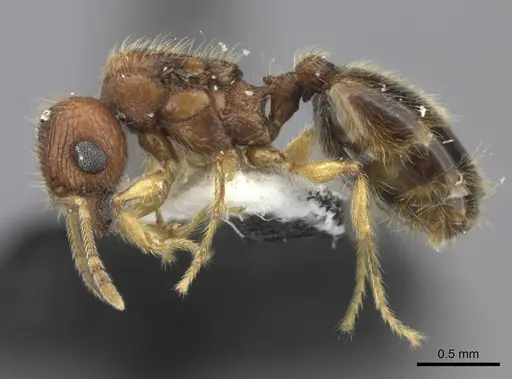
CASENT0185477
Ver no AntWeb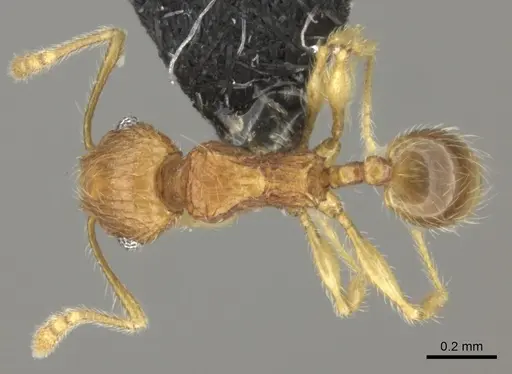
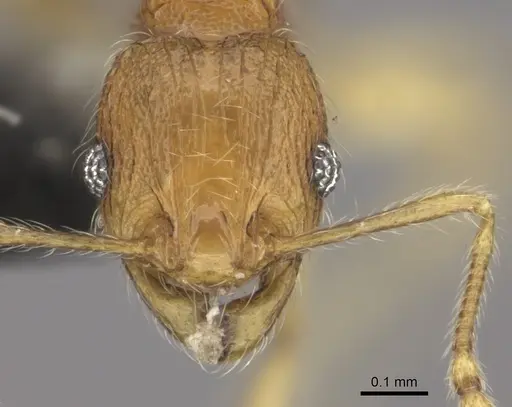
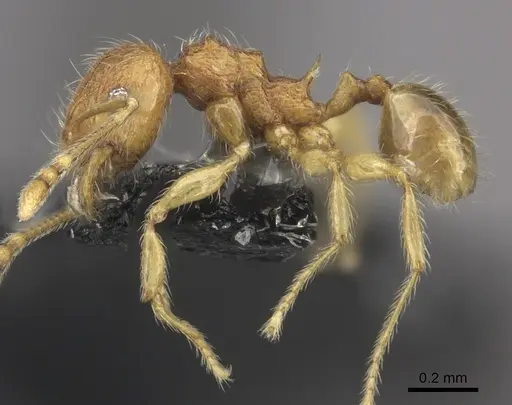
CASENT0185541
Ver no AntWeb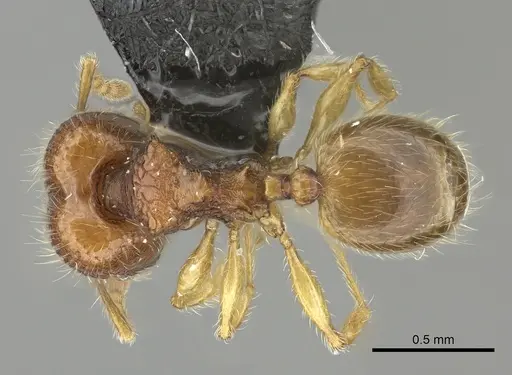
Literatura
A carregar mapa de distribuição...A carregar produtos...