
Pheidole neolongiceps
- Nome cient.
- Pheidole neolongiceps
- Tribo
- Attini
- Subfamília
- Myrmicinae
- Autor
- Brown, 1950
- Distribuição
- Encontrado em 1 países
Introdução
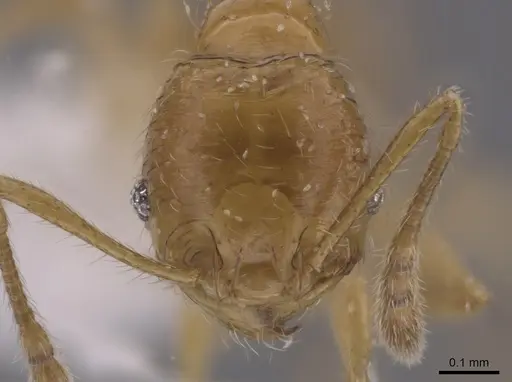
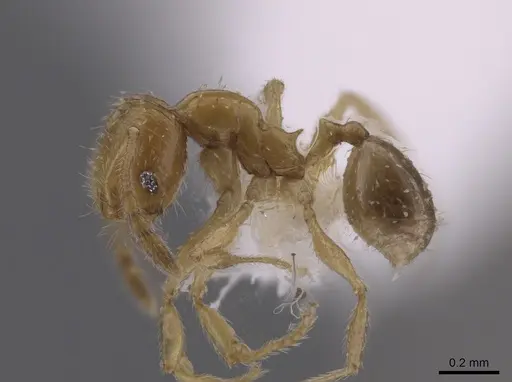
Pheidole neolongiceps is a dark brown ant endemic to Cuba, with major workers distinguished by an elongate head and long petiolar spines . It is found only in western Cuba, such as Sierra de Mesa and Caribarién . Body size measurements are not provided in the research, so size is inferred from genus patterns. The species' biology is largely unknown, so care recommendations are based on typical Pheidole behavior.
Quick Summary
- Difficulty: Medium
- Origin & Habitat: Endemic to Cuba in the Greater Antilles, found in tropical forest habitats in western Cuba [1][2][3].
- Colony Type: Based on typical Pheidole behavior, likely monogyne (single-queen colonies), but this is not confirmed by specific literature.
- Size & Growth:
- Queen: Estimated 5-7mm based on genus patterns
- Worker: Size data unavailable for workers, inferred from genus patterns.
- Colony: Unknown maximum colony size, typical Pheidole colonies reach several hundred to a few thousand workers.
- Growth: Moderate, inferred from genus patterns
- Development: 6-10 weeks estimated based on typical Pheidole development at warm temperatures (Development time is estimated, not directly studied for this species.)
- Antkeeping:
- Temperature: Keep warm around 24-28°C, based on Cuban tropical habitat [1].
- Humidity: Keep nest substrate consistently moist but not waterlogged, as Cuban forests are humid [1].
- Diapause: No diapause required for this tropical species [1].
- Nesting: In nature, nest in soil or under stones, in captivity, use test tube setup or Y-tong nest [1].
- Behavior: Pheidole ants are generally non-aggressive and focused on seed-processing and brood care. Primary defense is stinging, typical for Myrmicinae ants. Their small size means escape prevention is critical, use fine mesh and tight-fitting barriers.
- Common Issues: escape risk due to very small size, use fine mesh barriers and check lid seals regularly, limited biological data means some care aspects are inferred from genus patterns, slow founding phase, queens may take months to produce first workers, overfeeding can lead to mold in test tube setups, remove uneaten food promptly, wild-caught colonies may carry parasites that can cause colony failure
Nest Preferences
Pheidole neolongiceps likely nests in soil or under stones in its Cuban habitat [1]. In captivity, start with a test tube setup for the founding queen. Once the colony reaches 20-30 workers, move to a Y-tong nest or plaster formicarium with soil substrate. They prefer tight, snug chambers rather than open spaces.
Feeding and Diet
Pheidole species are omnivorous with a preference for seeds and protein. Offer seeds like millet, along with protein sources like fruit flies, and sugar water [1]. Feed protein 2-3 times per week and keep sugar available. Remove uneaten food to prevent mold.
Temperature and Care
As a tropical Cuban species, keep them warm around 24-28°C [1]. Use a heating cable on one side of the nest to create a gradient. Monitor humidity, keep substrate moist but not waterlogged.
Behavior and Temperament
Pheidole ants have a calm temperament and a two-caste system: majors process seeds near the nest, while minors forage and care for brood. Primary defense is stinging, typical for Myrmicinae ants. Their small size makes escape prevention critical, use fine mesh on ventilation holes.
Colony Founding
Founding behavior for this species is unconfirmed. Pheidole queens are typically claustral, but this is not documented for P. neolongiceps. Do not disturb the queen during founding, as it may cause her to abandon brood.
Growth and Development
Pheidole colonies grow from claustral founding to worker emergence. The first workers are nanitics, and majors appear as the colony expands. Growth rate depends on temperature and feeding [1].
Frequently Asked Questions
How long does it take for Pheidole neolongiceps to produce first workers?
Expect 6-10 weeks from egg to first worker under optimal conditions, based on typical Pheidole development.
Can I keep multiple Pheidole neolongiceps queens together?
Not recommended, as Pheidole species are typically monogyne and combining queens may result in fighting.
What do Pheidole neolongiceps eat?
They are omnivorous, eating seeds, protein insects, and sugar water [1].
What temperature is best for Pheidole neolongiceps?
Keep them warm at 24-28°C, based on their Cuban habitat [1].
Are Pheidole neolongiceps good for beginners?
They are moderate difficulty due to small size and slow founding phase.
When should I move my colony to a formicarium?
Move when the colony reaches 30-50 workers, using a nest with tight chambers.
Why are my Pheidole neolongiceps dying?
Common causes include escape, mold from overfeeding, disturbance during founding, or parasites from wild-caught colonies.
Do I need to hibernate Pheidole neolongiceps?
No, as a tropical species, diapause is not required.
How big do Pheidole neolongiceps colonies get?
Maximum size is unknown, but typical Pheidole colonies reach several hundred to a few thousand workers.
Report an Issue
The current care sheet is based fully on literature. See inconsistencies, or something that's incorrect? Please , it will be resolved after review from an admin. Contributing to the blogs tab also helps providing information, to make us be able to further improve the caresheets. Thank you for your support!
References

Esta ficha de cuidados é licenciada sob CC BY-SA 4.0 .
Blogs da comunidade
CASENT0656036
Ver no AntWeb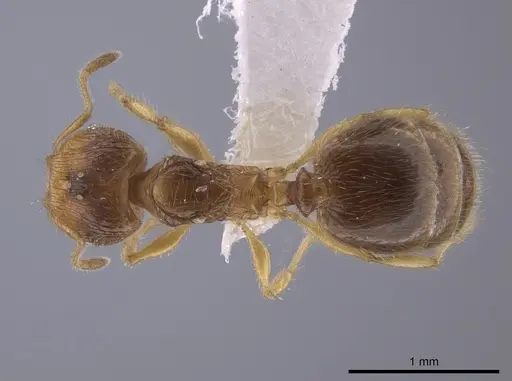
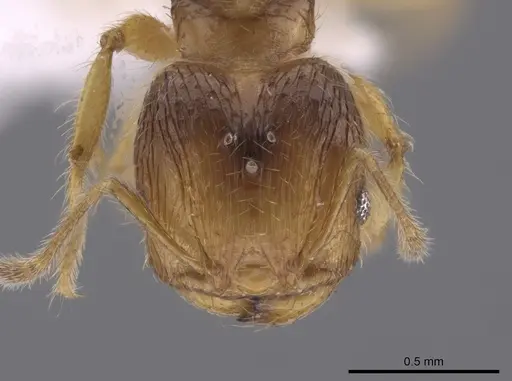
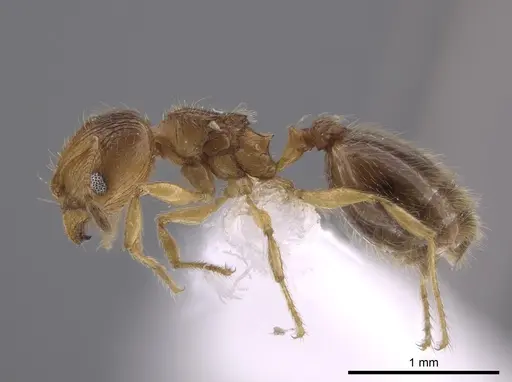
CASENT0656039
Ver no AntWeb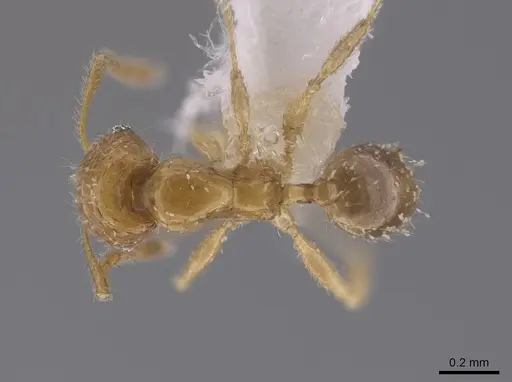
Literatura
A carregar mapa de distribuição...A carregar produtos...