
Pheidole branstetteri
- Nome cient.
- Pheidole branstetteri
- Tribo
- Attini
- Subfamília
- Myrmicinae
- Autor
- Longino, 2009
- Distribuição
- Encontrado em 3 países
Introdução
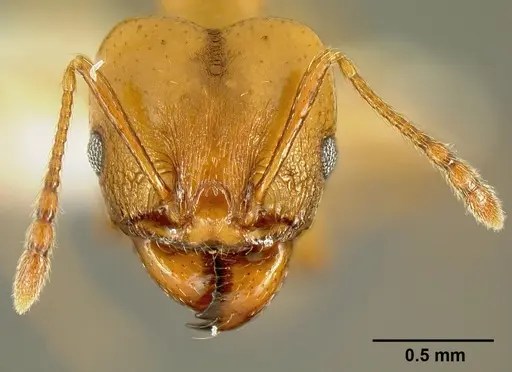
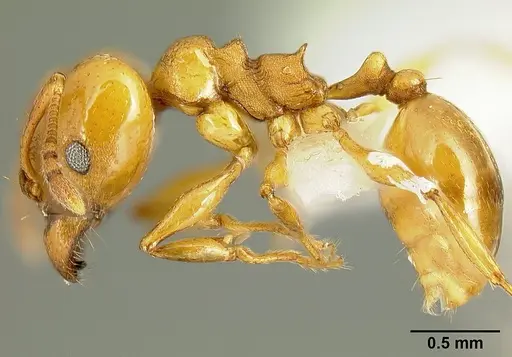
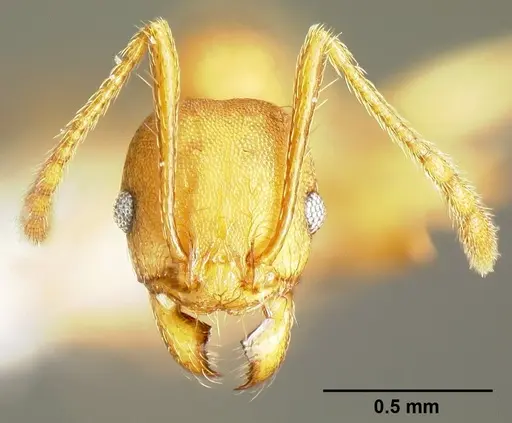
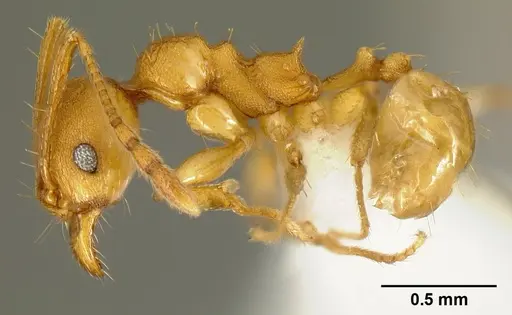
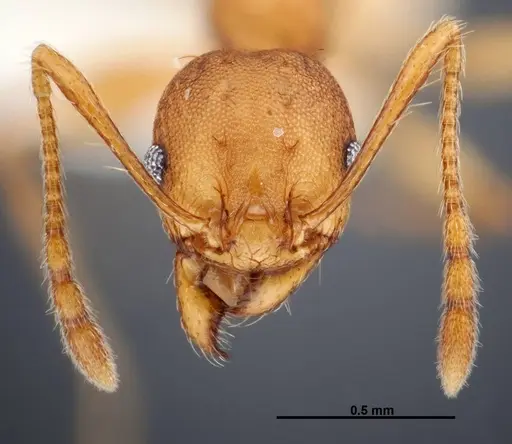
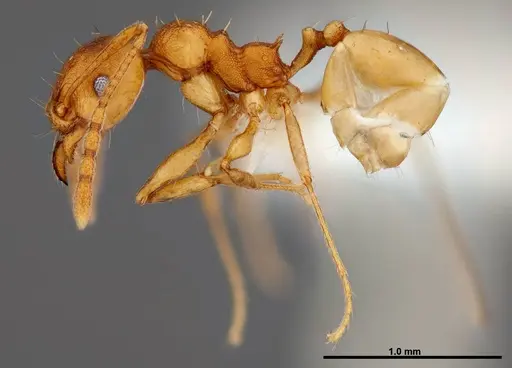
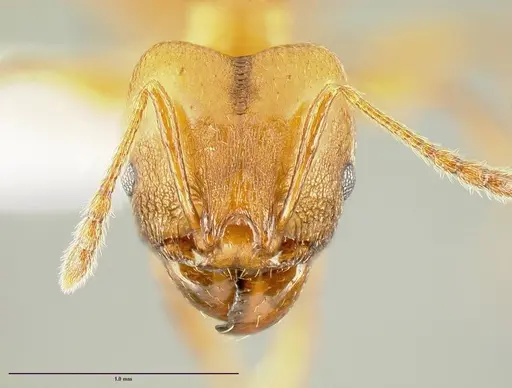
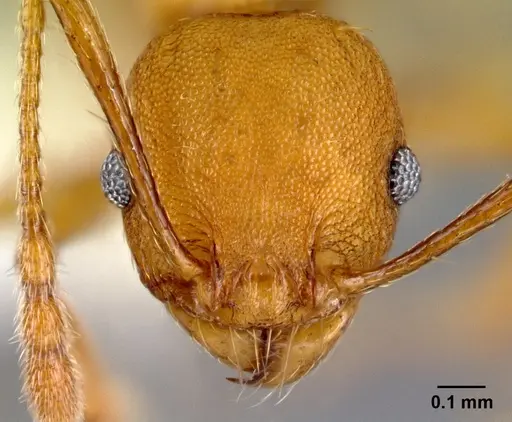
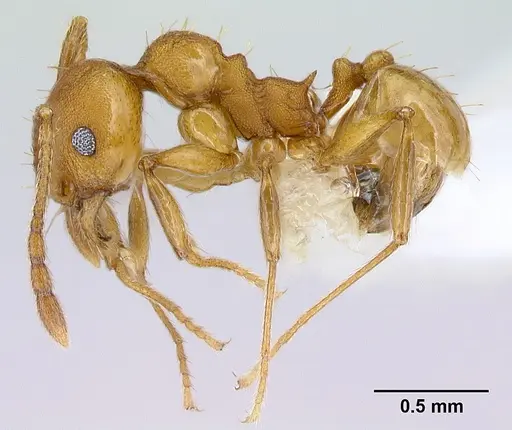
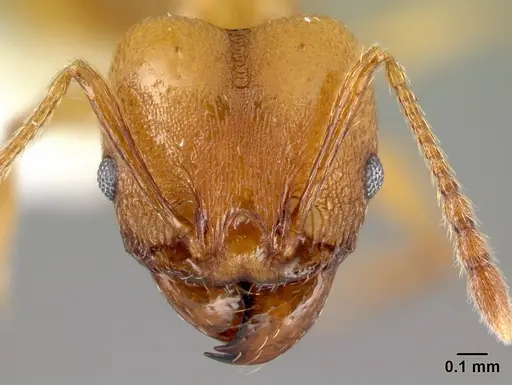
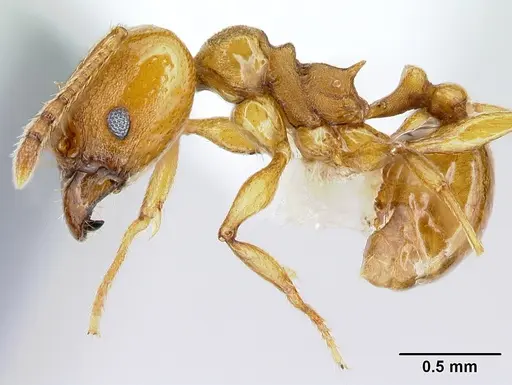
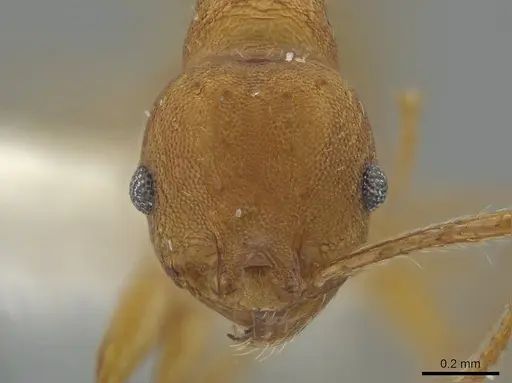
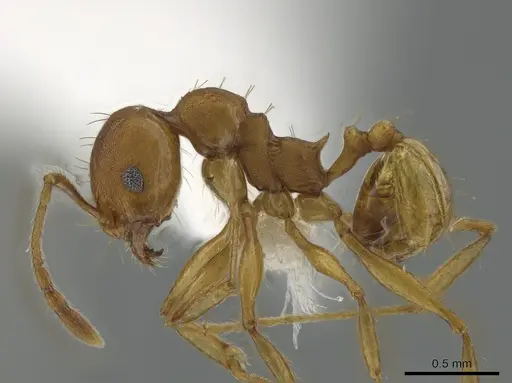
Pheidole branstetteri is a dimorphic ant species native to the Neotropical region, found in Belize, Guatemala, Honduras, and Mexico . They inhabit lowland rainforest to cloud forest environments at elevations around 860-985 meters . The species is bright orange in color . Body size data is unavailable, as no total length measurements are provided in the research . This species is most commonly found foraging on the forest floor at bait stations, where major and minor workers are often observed together .
Quick Summary
- Difficulty: Medium
- Origin & Habitat: Native to Belize, Guatemala, Honduras, and northern Chiapas, Mexico, inhabiting lowland rainforest to cloud forest at 860-985m elevation [2][1].
- Colony Type: Unconfirmed, no specific data on queen number or social structure.
- Size & Growth:
- Queen: Size data unavailable, no measurements provided [2].
- Worker: Size data unavailable, no total length measurements, head lengths are available but not representative of body size [2].
- Colony: Unknown for this species.
- Growth: Unknown, estimated moderate based on genus patterns.
- Development: Unconfirmed, typical Pheidole species take 6-10 weeks from egg to first worker at optimal temperature. (Development time not specifically studied for this species.)
- Antkeeping:
- Temperature: Keep warm, around 22-26°C, based on tropical rainforest habitat [1][2].
- Humidity: High humidity required, keep nest substrate consistently moist but not waterlogged, based on cloud forest habitat [1][2].
- Diapause: No, this is a tropical species that does not require hibernation [1][2].
- Nesting: Unknown, no specific data on nesting preferences in research. Based on Pheidole genus patterns, they may prefer dark, humid nests.
- Behavior: These ants are active foragers that readily come to food baits [1]. They are not particularly aggressive, but major workers have a functional sting based on subfamily Myrmicinae defense mechanisms. Minor workers handle most foraging, while majors specialize in seed processing and defense [3]. Escape prevention is critical due to their small size.
- Common Issues: high humidity needs can lead to mold if ventilation is poor., small size requires excellent escape prevention., tropical species decline if kept too cool., wild-caught colonies may carry parasites., slow founding phase requires patience.
Natural History and Distribution
Pheidole branstetteri is native to the Neotropical region of Central America, specifically found in Belize, Guatemala, Honduras, and northern Chiapas, Mexico [1]. This species inhabits lowland rainforest to cloud forest environments at elevations between 860-985 meters [2]. They are most abundantly collected from bait stations on the forest floor, where both major and minor workers are often observed foraging together [1]. Minor workers are also occasionally collected through Winkler sampling of sifted leaf litter and beating samples from vegetation [1]. The type locality is Nahá in Chiapas, Mexico, a region characterized by humid tropical forest conditions.
Housing and Nest Setup
For founding colonies, a standard test tube setup works well. Fill a test tube one-third with water, plug the water end with cotton, and place the queen in the open end. Cover the setup with a dark cloth to reduce stress. Once the colony reaches a reasonable size, transition to a formicarium. Use Y-tong or plaster nests with moisture chambers. Always use excellent escape prevention: fine mesh on ventilation holes, fluon barriers, and tight-fitting lids due to their small size.
Feeding and Diet
No specific dietary data is available for this species. Based on Pheidole genus patterns, they are seed-harvesters that also consume insect prey and sugar sources. In captivity, offer a varied diet including seeds, small insects, and sugar water. Remove uneaten food after 24-48 hours to prevent mold.
Temperature and Humidity Requirements
As a tropical rainforest species, keep them warm at 22-26°C with a gentle gradient [1][2]. Humidity should be high, keep the nest substrate consistently moist but not waterlogged [1][2]. Avoid temperatures below 18°C for extended periods.
Colony Development and Growth
Pheidole branstetteri is a dimorphic species with distinct major and minor worker castes [3]. The queen may seal herself in a claustral chamber during founding, but this is unconfirmed. First-generation workers are typically smaller, but colony growth is initially slow. Based on typical Pheidole development, expect 6-10 weeks from egg to first worker at optimal temperature. Major workers appear as the colony matures.
Frequently Asked Questions
How long does it take for Pheidole branstetteri to produce first workers?
The exact timeline is unconfirmed for this species, but based on typical Pheidole development patterns, expect 6-10 weeks from egg to first worker at optimal warm temperatures (around 24°C).
What do Pheidole branstetteri ants eat?
No specific dietary data is available. Based on genus patterns, they likely consume seeds, insects, and sugar sources.
What temperature should I keep Pheidole branstetteri at?
Keep them warm at 22-26°C, based on their tropical rainforest habitat [1][2].
Do Pheidole branstetteri colonies need hibernation?
No, this is a tropical species that does not require hibernation [1][2].
How big do Pheidole branstetteri colonies get?
The maximum colony size is unknown for this species.
Can I keep multiple Pheidole branstetteri queens together?
This is not recommended, as colony structure is unconfirmed and most Pheidole species are monogyne.
What humidity level do Pheidole branstetteri ants need?
High humidity is essential, keep the nest substrate consistently moist but not waterlogged, based on their cloud forest habitat [1][2].
Are Pheidole branstetteri good for beginners?
They are rated as medium difficulty due to humidity and temperature needs.
When should I move Pheidole branstetteri from test tube to formicarium?
Move them once the colony reaches a reasonable size or when the test tube shows degradation.
Why are my Pheidole branstetteri dying?
Common causes include temperatures too low, humidity too low, mold from poor ventilation, or escapes due to inadequate barriers.
Do Pheidole branstetteri need escape prevention?
Yes, absolutely. Their small size requires excellent escape prevention with fine mesh and tight barriers.
Report an Issue
The current care sheet is based fully on literature. See inconsistencies, or something that's incorrect? Please , it will be resolved after review from an admin. Contributing to the blogs tab also helps providing information, to make us be able to further improve the caresheets. Thank you for your support!
References

Esta ficha de cuidados é licenciada sob CC BY-SA 4.0 .
Blogs da comunidade
CASENT0609076
Ver no AntWeb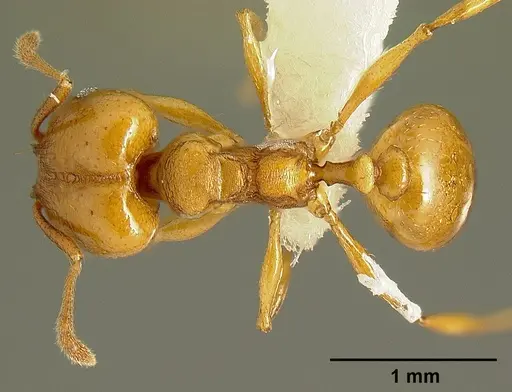
CASENT0609077
Ver no AntWeb
CASENT0609080
Ver no AntWeb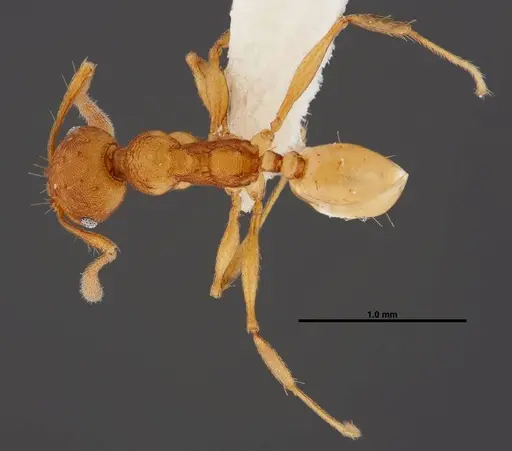
CASENT0609086
Ver no AntWeb
CASENT0609249
Ver no AntWeb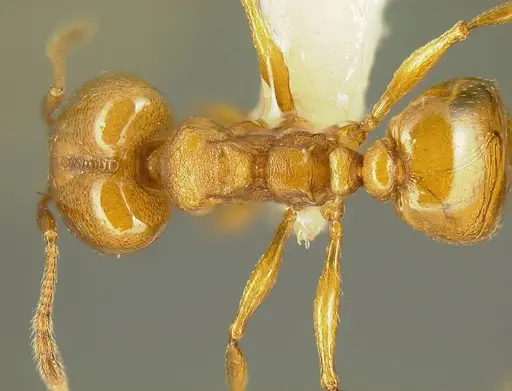
CASENT0609295
Ver no AntWeb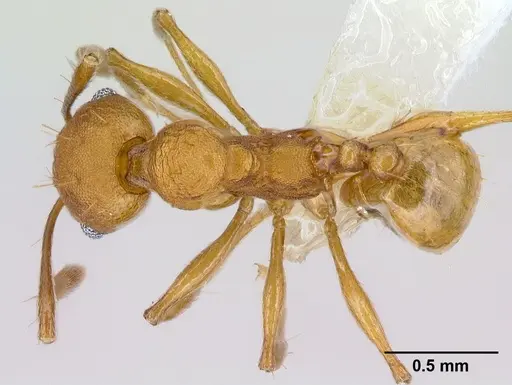
CASENT0609296
Ver no AntWeb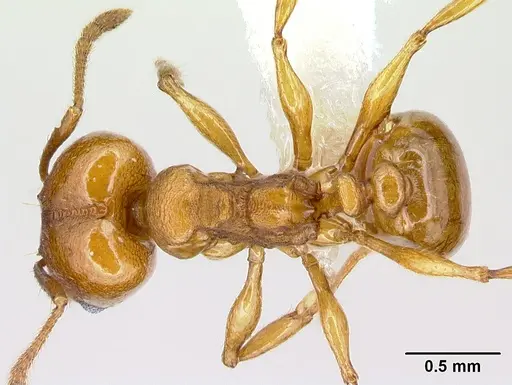
CASENT0610836
Ver no AntWeb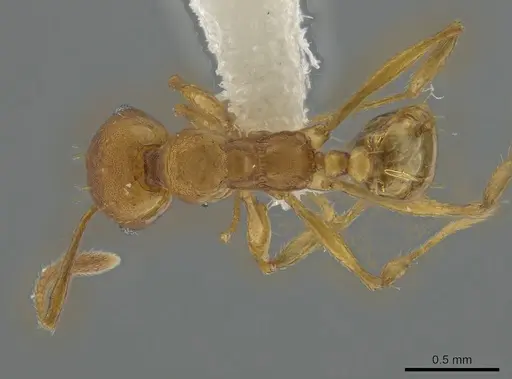
Literatura
A carregar mapa de distribuição...A carregar produtos...