
Paratrachymyrmex levis
- Nome cient.
- Paratrachymyrmex levis
- Tribo
- Attini
- Subfamília
- Myrmicinae
- Autor
- Weber, 1938
- Distribuição
- Encontrado em 0 países
Introdução
Paratrachymyrmex levis is a fungus-growing ant native to northern South America . Previously classified as Trachymyrmex levis, it belongs to the Cornetzi subgroup within the Septentrionalis group and forms a clade with Trachymyrmex cornetzi and Trachymyrmex bugnioni . Workers have basally striated mandibles . As one of nine described species in the genus Paratrachymyrmex , these ants cultivate specialized fungi for food. They are part of the Attini tribe, which includes fungus-growing ants that cultivate fungi for nutrition, unlike leaf-cutters that harvest fresh leaves.
Quick Summary
- Difficulty: Medium
- Origin & Habitat: Northern South America, tropical forest regions [1]
- Colony Type: Colony structure is unconfirmed. Based on related Trachymyrmex species, likely single-queen colonies.
- Size & Growth:
- Queen: size data unavailable
- Worker: size data unavailable
- Colony: Up to several hundred workers, estimated from related Trachymyrmex species
- Growth: Moderate
- Development: Estimated 6-10 weeks at tropical temperatures based on related Trachymyrmex species (Fungus-growing ants typically have slower development due to the time needed to establish a fungal garden)
- Antkeeping:
- Temperature: Keep at 24-28°C, tropical ants require warm, stable conditions. Use a heating cable if needed.
- Humidity: Keep the nest substrate consistently moist but not waterlogged to support the fungal cultivar.
- Diapause: No, these are tropical ants that do not require hibernation [1].
- Nesting: Y-tong (AAC) or plaster nests work well. Provide a humidity gradient with a water reservoir to maintain moisture.
- Behavior: Workers are small and active, foraging for organic material to cultivate their fungus. They are docile and rarely sting. Escape prevention should be moderate due to their small size.
- Common Issues: fungal garden collapse is the biggest risk, if the fungus dies, the colony starves. maintain consistent humidity and avoid contamination., tropical humidity requirements can be challenging, dry conditions quickly kill the fungal cultivar., slow growth compared to generalist ants, keepers may overfeed while waiting for development, leading to mold problems., limited accepted foods, they are specialized fungus farmers and may not accept typical ant foods., temperature drops below 22°C can stress the colony and fungal cultivar.
Fungus Farming - The Key to Their Care
Paratrachymyrmex levis belongs to the fungus-growing ant group (Attini), which includes leaf-cutter ants. Unlike leaf-cutters that harvest fresh leaves, Paratrachymyrmex collects organic debris like dead leaves, fruit scraps, and flower petals to feed their fungal cultivar. The ants tend the fungus in special nest chambers and consume the fungal mycelium as their primary food source. This obligate relationship means you must provide organic material for the fungus, not direct food for the ants. Without their fungus, the colony cannot survive [1].
Feeding and Nutrition
Feeding Paratrachymyrmex levis requires providing organic material for the fungal garden. Offer small pieces of dead leaves, ripe fruit, flower petals, or grass clippings. The ants will process this and add it to their fungus. Remove uneaten material before it molds to prevent contamination. Some keepers offer small amounts of honey or sugar water sparingly, but protein is typically not needed. Maintain hygiene to avoid mold, which can kill the fungal cultivar.
Housing and Nest Setup
Use Y-tong (AAC) or plaster nests for Paratrachymyrmex levis, as they hold humidity well. The nest should have multiple chambers for fungus cultivation and brood areas. Connect a water reservoir via cotton wick to maintain moisture. The outworld should be simple with easy access for adding organic material. Escape prevention is moderate, use fluon barriers on the outworld rim. A test tube setup works for founding colonies, but move to a proper nest once the colony grows.
Temperature and Humidity Management
As tropical ants from northern South America, Paratrachymyrmex levis requires warm, humid conditions year-round. Keep the nest at 24-28°C using a heating cable if room temperature is lower. Temperature stability is important, avoid fluctuations. Humidity should be maintained through a moist substrate and water reservoir, check daily to ensure it is moist but not waterlogged. Never let the nest dry out completely, as the fungal cultivar will die quickly. [1]
Growth and Development
Fungus-farming ants develop more slowly than typical ants due to fungal garden establishment. Expect first workers to emerge 6-10 weeks after founding at tropical temperatures. The queen initially tends brood and fungus alone, workers later take over fungus maintenance. Colony growth is moderate, reaching several hundred workers may take a year or more. The key milestone is a healthy, growing fungal garden.
Frequently Asked Questions
What do Paratrachymyrmex levis ants eat?
They eat fungal mycelium from their cultivated garden. You must provide organic material like dead leaves, fruit scraps, or flower petals for the fungus, not direct food for the ants.
How long does it take for Paratrachymyrmex levis to produce first workers?
Expect 6-10 weeks from egg to first worker at tropical temperatures (24-28°C). This is slower than typical ants due to fungal garden establishment.
Are Paratrachymyrmex levis good for beginners?
No, they are intermediate to advanced due to fungus-farming requirements. The fungal garden can collapse if humidity or temperature is wrong, leading to sudden colony death.
What humidity do Paratrachymyrmex levis need?
High humidity is essential, keep the nest substrate consistently moist but not waterlogged. Use a water reservoir to maintain conditions.
Can I keep Paratrachymyrmex levis in a test tube?
A test tube works for founding but is not ideal long-term. Move to a Y-tong or plaster nest once the colony has 20-30 workers for space for fungal gardens.
Do Paratrachymyrmex levis need hibernation?
No, they are tropical ants from northern South America and do not hibernate. Keep them warm year-round at 24-28°C [1].
How big do Paratrachymyrmex levis colonies get?
Colonies likely reach up to several hundred workers based on related Trachymyrmex species. They are smaller than leaf-cutter ants and manageable for indoor keeping.
Why is my Paratrachymyrmex levis colony dying?
Common causes include fungal garden collapse from low humidity, temperature stress, mold contamination, or contaminated organic material. Check parameters immediately and provide fresh organic matter.
What temperature should I keep Paratrachymyrmex levis at?
Keep the nest at 24-28°C. Use a heating cable to create a gradient if needed. Avoid drafts and sudden changes.
Report an Issue
The current care sheet is based fully on literature. See inconsistencies, or something that's incorrect? Please , it will be resolved after review from an admin. Contributing to the blogs tab also helps providing information, to make us be able to further improve the caresheets. Thank you for your support!
References

Esta ficha de cuidados é licenciada sob CC BY-SA 4.0 .
Blogs da comunidade
MZSPHYM0135908
Ver no AntWeb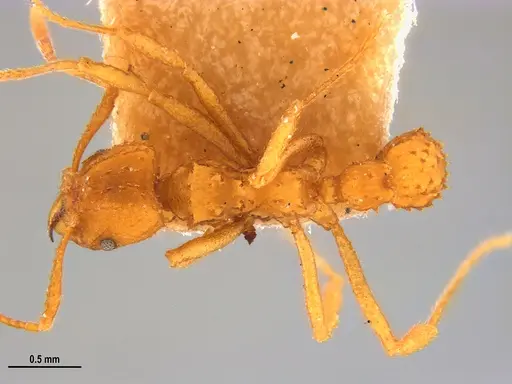
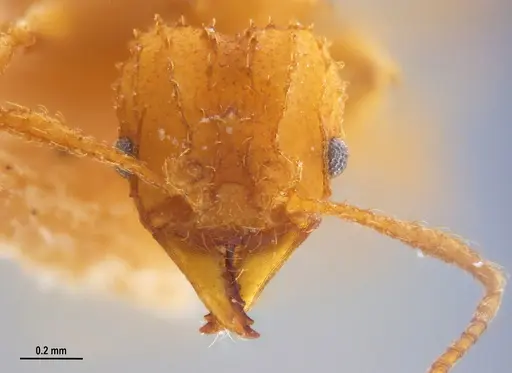
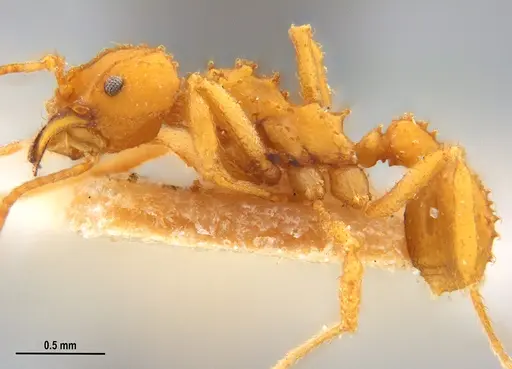
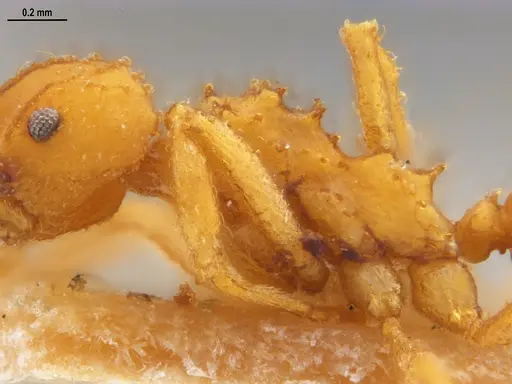
Literatura
A carregar mapa de distribuição...A carregar produtos...