
Opisthopsis major
- Nome cient.
- Opisthopsis major
- Tribo
- Camponotini
- Subfamília
- Formicinae
- Autor
- Forel, 1902
- Distribuição
- Encontrado em 1 países
Introdução
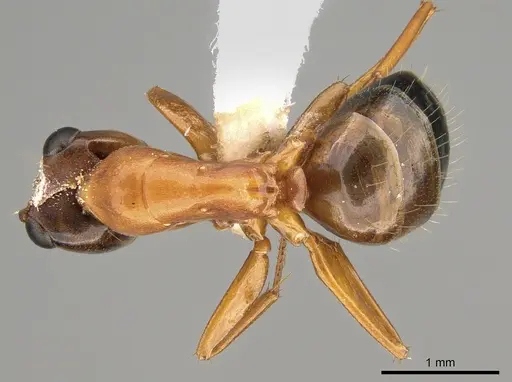
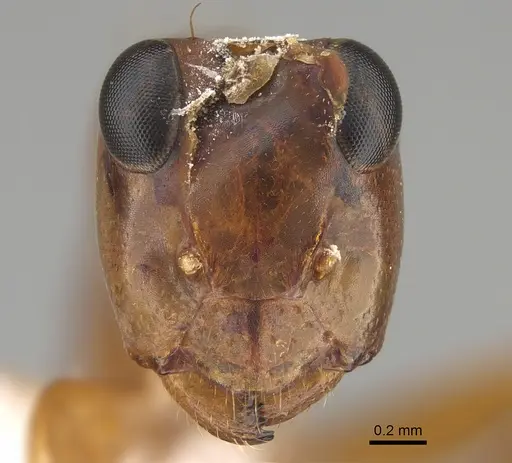
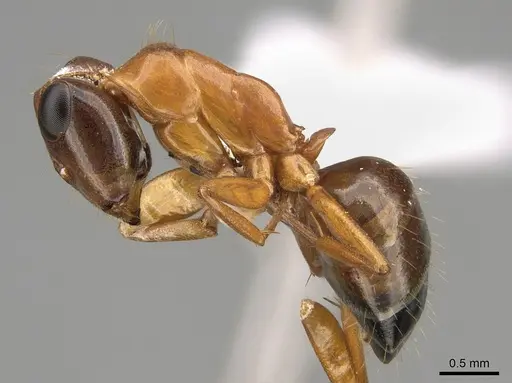
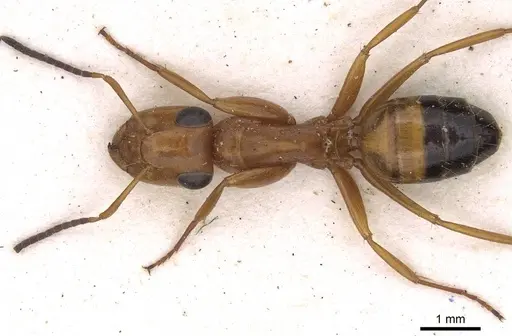
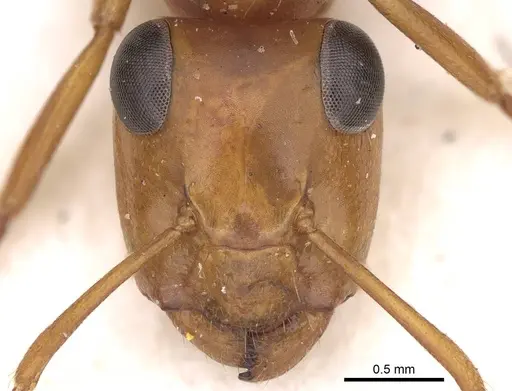
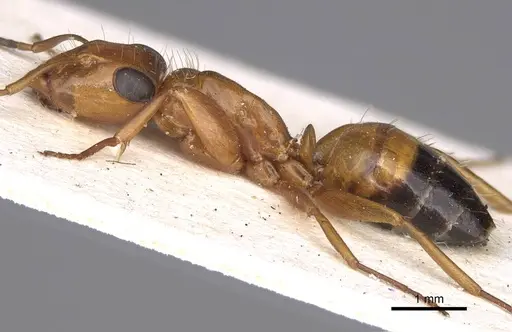
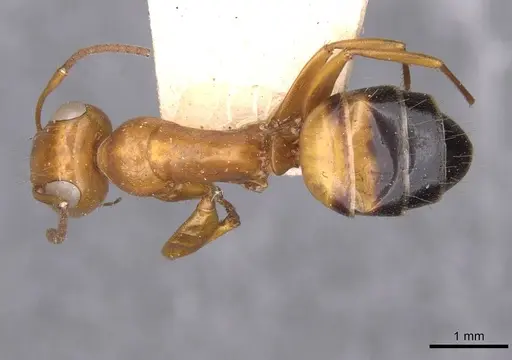
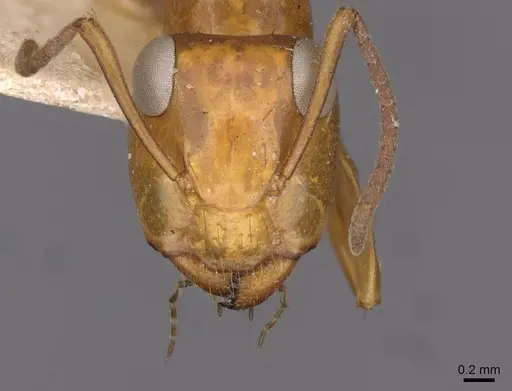
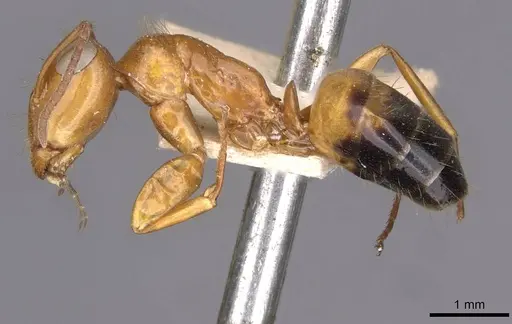
Opisthopsis major is an Australian ant species in the Formicinae subfamily. Workers are moderately sized with a glossy, sculptured exoskeleton, earning the genus the common name 'shining ants'. They have large eyes suited for diurnal hunting. The species was described by Forel in 1902 from Australian specimens . It is recorded from the Wessel and English Company Islands in Australia's Northern Territory . These ants are endemic to Australia, occupying tropical and subtropical regions. They are active daytime predators that hunt small prey, relying on vision rather than carbohydrate sources.
Quick Summary
- Difficulty: Medium
- Origin & Habitat: Northern Australia, specifically the Wessel and English Company Islands in seasonal tropics [2]. They inhabit tropical and subtropical areas, nesting in soil or under stones in open regions.
- Colony Type: Colony structure is unconfirmed in scientific literature. Based on typical Formicinae patterns, they may form single-queen colonies, but this is not documented for this species.
- Size & Growth:
- Queen: Size data unavailable, no total length measurements in context. Inferred from Opisthopsis genus patterns as approximately 10-12mm [1]
- Worker: Size data unavailable, no total length measurements in context. Inferred from Opisthopsis genus patterns as approximately 6-9mm [1]
- Colony: Up to several hundred workers, estimated from related Formicinae species [1]
- Growth: Moderate
- Development: Estimated 6-10 weeks at optimal temperature, inferred from Formicinae patterns [1] (Development time may vary with temperature and feeding conditions.)
- Antkeeping:
- Temperature: Keep at 24-28°C, as they are tropical ants. Use a heating cable on one side to create a gradient [1].
- Humidity: Keep nest substrate consistently moist but not waterlogged, similar to their arid-tropical habitat [1].
- Diapause: No true diapause required, as they are tropical. Activity may reduce in cooler months [1].
- Nesting: Prefer soil or under stones in nature. In captivity, use Y-tong (AAC) nests, plaster nests, or soil-based setups with appropriate chambers [1].
- Behavior: Workers are fast-moving, diurnal predators with good vision. They lack a sting and spray formic acid for defense, typical of Formicinae. They are not highly aggressive but may bite if threatened. Escape prevention is critical due to their speed. They are obligate predators, requiring live prey rather than sugar sources.
- Common Issues: lack of protein can cause colony failure, they need regular live prey, escape risk is high due to fast movement, ensure secure enclosures, temperature drops can slow brood development, maintain consistent warmth, uneaten prey can mold, remove after 24 hours to prevent hygiene issues
Housing and Nest Setup
You can use Y-tong (AAC) nests, plaster nests, or soil-based setups for Opisthopsis major. Provide chambers scaled to worker size with narrow passages for security. Include an outworld for foraging. For founding queens, start in a test tube setup until the colony has 20-30 workers. Escape prevention is critical: apply fluon or use tight-fitting lids on all enclosures [1].
Feeding and Diet
These ants are obligate predators and need live protein prey such as fruit flies, pinhead crickets, or small mealworms. They do not accept sugar sources. Feed every 2-3 days, removing uneaten prey after 24 hours to prevent mold. During founding, queens rely on stored fat reserves [1].
Temperature and Heating
Maintain nest temperatures between 24-28°C for optimal growth. Use a heating cable on one side to create a gradient, allowing ants to regulate their temperature. Avoid direct heat sources to prevent spikes [1].
Behavior and Colony Dynamics
Workers are rapid, diurnal hunters with good vision. They spray formic acid for defense, as they lack a sting. Colonies grow moderately once workers emerge. You may see workers patrolling the outworld and returning with prey. Handle nests gently to avoid triggering defensive bites [1].
Frequently Asked Questions
How long does it take for Opisthopsis major to produce first workers?
Expect first workers approximately 6-10 weeks after egg laying at 25°C, inferred from Formicinae patterns [1].
What do Opisthopsis major ants eat?
They are predatory and need live insects like fruit flies or crickets. They do not eat sugar sources [1].
Can I keep multiple Opisthopsis major queens together?
Not recommended, as colony structure is unconfirmed. Combining queens may lead to fighting [1].
What temperature do Opisthopsis major ants need?
Keep them at 24-28°C with a heating gradient [1].
Are Opisthopsis major good for beginners?
They are intermediate due to their predatory diet and escape risk [1].
When should I move Opisthopsis major to a formicarium?
Move the queen from a test tube setup when the colony reaches 20-30 workers [1].
Do Opisthopsis major need hibernation?
No, they are tropical and do not require diapause [1].
Why are my Opisthopsis major dying?
Common causes include lack of protein, temperature issues, escapes, or mold from uneaten food [1].
How big do Opisthopsis major colonies get?
Colonies can reach up to several hundred workers, based on related species [1].
Report an Issue
The current care sheet is based fully on literature. See inconsistencies, or something that's incorrect? Please , it will be resolved after review from an admin. Contributing to the blogs tab also helps providing information, to make us be able to further improve the caresheets. Thank you for your support!
References

Esta ficha de cuidados é licenciada sob CC BY-SA 4.0 .
Blogs da comunidade
Literatura
A carregar mapa de distribuição...A carregar produtos...