
Neivamyrmex modestus
- Nome cient.
- Neivamyrmex modestus
- Subfamília
- Dorylinae
- Autor
- Borgmeier, 1933
- Distribuição
- Encontrado em 1 países
Introdução
Neivamyrmex modestus is an army ant species native to the Neotropical region, found in Brazil and Mexico. The genus Neivamyrmex contains over 150 species of army ants distributed throughout the Americas, known for their nomadic hunting behavior and large colonies that raid other ant colonies and arthropods . This species has been documented nesting in association with termite mounds (Cornitermes cumulans) in the Brazilian Cerrado, indicating it preys on termites and other social insects . Workers are small for army ants, though exact measurements are unavailable. Like other army ants, N. modestus forms colonies that periodically relocate as prey sources are depleted.
Quick Summary
- Difficulty: Expert
- Origin & Habitat: Neotropical region, Brazil (Rio de Janeiro state, Mendes) and southern Mexico (Tabasco state). Found in lowland tropical rainforests and Cerrado savanna habitats [2][3][4].
- Colony Type: Colony structure is unconfirmed for this species. Based on typical army ant patterns, colonies likely reach several thousand workers.
- Size & Growth:
- Queen: Size data unavailable, inferred from Neivamyrmex genus patterns to be approximately 8-12mm
- Worker: Size data unavailable, workers are described as small for army ants but no specific measurements are documented in available literature
- Colony: Unknown for this species, likely several thousand workers based on typical Neivamyrmex colony sizes
- Growth: Fast, army ant colonies grow rapidly when well-fed
- Development: Estimated 3-5 weeks at tropical temperatures based on genus patterns (Development is typically rapid in army ants to support their nomadic lifestyle)
- Antkeeping:
- Temperature: Keep at 24-28°C, these are tropical army ants requiring warm, stable conditions. A heating cable on one side of the nest creates a temperature gradient.
- Humidity: Moderate to high humidity (60-80%). Army ants often nest in soil or decaying wood and need moisture for brood development. Keep substrate consistently damp but not waterlogged.
- Diapause: No, being a tropical species, they do not require hibernation. Keep temperatures stable year-round.
- Nesting: Y-tong (AAC) nests or naturalistic setups with soil substrate work well. Provide a deep soil chamber or multiple connected chambers to accommodate their tunneling behavior. Army ants prefer dark, enclosed spaces.
- Behavior: Army ants are aggressive and active predators. They form raiding columns that overwhelm prey colonies, including other ants, termites, and small arthropods. Workers may show polymorphism with major workers having larger heads. They are primarily nocturnal or crepuscular raiders. Escape prevention is critical, they are excellent climbers and will exploit any gap. Their bite is noticeable due to powerful mandibles.
- Common Issues: colonies are difficult to establish from founding queens, army ant queens may require semi-claustral founding and need to leave the nest to hunt, large colony size requires significant space and frequent feeding, beginners often underestimate food needs, escape prevention must be excellent, army ants are prolific climbers and will find any gap, raiding behavior can stress or kill nearby ant colonies if housed together, finding appropriate prey (live insects, especially other ants/termites) can be challenging and expensive
Housing and Nest Setup
Neivamyrmex modestus requires a setup that accommodates their tunneling behavior and large colony size. A Y-tong (AAC) nest with multiple connected chambers works well, or a naturalistic setup with a deep soil chamber (at least 10-15cm deep). Provide a dark outworld connected to the nest for foraging. Use a large outworld since army ants are active foragers, a small foraging area will quickly become cluttered with debris and dead prey. Ensure all connections between nest and outworld are wide enough for workers to pass through. Cover ventilation holes with fine mesh, these ants are excellent climbers and will escape through surprisingly small gaps.
Feeding and Diet
As generalist predators, army ants primarily hunt live prey. In captivity, they accept a wide variety of insects including crickets, mealworms, roaches, and other ants. Offering other ant colonies (feeder ants) is ideal and mimics their natural raiding behavior. They will also accept protein-based liquids and occasionally honey or sugar water, but protein from prey insects should form the bulk of their diet. Feed generously, a hungry army ant colony may become aggressive toward each other or attempt to escape. Remove uneaten prey after 24-48 hours to prevent mold. Frequency: feed prey items every 1-2 days for established colonies, more often for growing colonies. [2]
Temperature and Humidity
Maintain temperatures between 24-28°C year-round. Being tropical, they do not tolerate cool conditions well. Use a heating cable placed on top of the nest (never under it, as this can dry out the nest too quickly) to create a gentle warmth gradient. Humidity should be moderate to high (60-80%), mist the nest occasionally and keep the water reservoir filled. Army ants prefer slightly humid conditions but can develop mold problems if substrate stays constantly wet. Provide a moisture gradient by keeping one end of the nest slightly damper than the other, allowing the ants to self-regulate.
Colony Dynamics and Behavior
Army ant colonies are fundamentally different from typical ant species. They are nomadic, the colony moves to a new nest site periodically as prey in the area is depleted. This raiding behavior is impressive to observe: columns of hundreds or thousands of workers fanning out to hunt. Major workers have enlarged heads and mandibles used for cutting through tough prey. The queen is permanently wingless and can live for many years, producing thousands of eggs. New colonies form through colony fission, the queen and a portion of workers leave to establish a new nest.
Handling and Safety
Neivamyrmex ants have powerful mandibles and can deliver a noticeable bite. While not medically significant, their bite can be startling. They are not aggressive toward humans when undisturbed but will defend the nest vigorously if threatened. The main safety concern is their escape ability, army ants are among the best climbers in the ant world and will rapidly exploit any gap in their enclosure. Use fluon or similar barriers on the rim of your formicarium. Never handle army ants with bare hands when the colony is established, they will swarm and bite defensively. Use gentle puffing with air or soft brushes when moving them.
Frequently Asked Questions
Is Neivamyrmex modestus a good species for beginners?
No. This is an expert-level species. Army ants require large enclosures, frequent feeding of live prey, excellent escape prevention, and specific humidity and temperature control. They also raid and kill other ant colonies, so cannot be housed near other ant setups. Only experienced antkeepers should attempt this species.
How long does it take for the first workers to emerge?
Estimated 3-5 weeks at optimal temperature (25-28°C), based on typical army ant development. This is inferred from genus patterns as specific development data for N. modestus is not available.
Can I keep multiple queens together?
Colony structure (single queen vs multiple queens) is unconfirmed for N. modestus. Combining unrelated foundress queens is not recommended and has not been documented for this species. If you obtain multiple founding queens, house them separately until you determine colony structure.
What do Neivamyrmex modestus eat?
They are generalist predators. Feed live insects including crickets, mealworms, fruit flies, and ideally other ant colonies or termites. They will accept some protein sources and occasionally sugar water, but live prey should form the majority of their diet. Offering feeder ant colonies (like Tetramorium or Brachymyrmex) closely mimics their natural hunting behavior.
Do Neivamyrmex modestus need hibernation?
No. As a tropical species from Brazil and Mexico, they do not require hibernation. Keep temperatures stable at 24-28°C year-round. Slight temperature reductions during winter may be appropriate if your room temperature naturally drops, but do not attempt to hibernate them.
How big do Neivamyrmex modestus colonies get?
Exact colony size is unconfirmed for this species, but Neivamyrmex colonies typically reach several thousand workers. Army ant colonies can become massive and require increasingly large enclosures. Plan for a colony that will eventually need a large formicarium or multiple connected setups.
Why are my army ants escaping?
Army ants are exceptional climbers and will escape through any gap. Apply fluon or petroleum jelly to all rim edges. Check all connection points between nest and outworld. Ensure ventilation holes are covered with fine mesh (at least 0.5mm). Inspect for any cracks or gaps daily, especially around silicone seals. Escape prevention must be absolute with this species.
Can I house Neivamyrmex modestus with other ant species?
Absolutely not. Army ants are predators that will raid and consume other ant colonies. Keep them completely isolated from other ant setups. Even being in the same room can be risky, raiding columns may detect nearby colonies and attempt to reach them. Always maintain physical separation and consider air currents that might carry colony scents.
When should I move my colony to a formicarium?
Start them in a simple setup (test tube or small container) for the founding stage. Once the colony reaches several hundred workers and you observe regular raiding behavior, transfer to a larger setup with soil or a Y-tong nest. Army ants need space to conduct their raids, a cramped setup will lead to escape attempts.
Report an Issue
The current care sheet is based fully on literature. See inconsistencies, or something that's incorrect? Please , it will be resolved after review from an admin. Contributing to the blogs tab also helps providing information, to make us be able to further improve the caresheets. Thank you for your support!
References

Esta ficha de cuidados é licenciada sob CC BY-SA 4.0 .
Blogs da comunidade
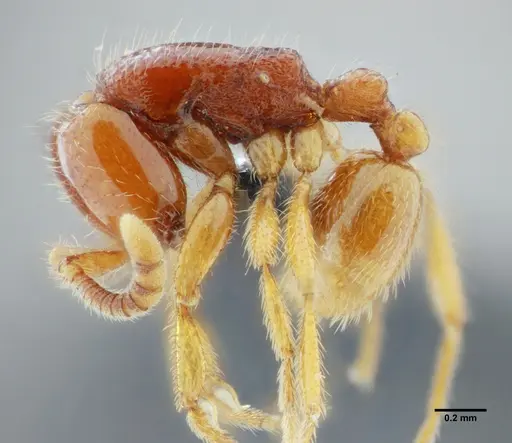
CASENT0905727
Ver no AntWeb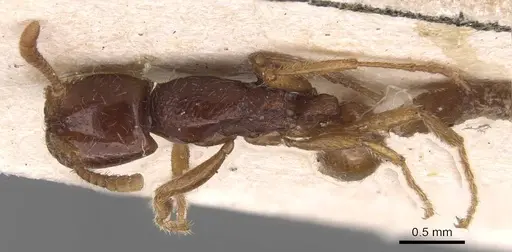

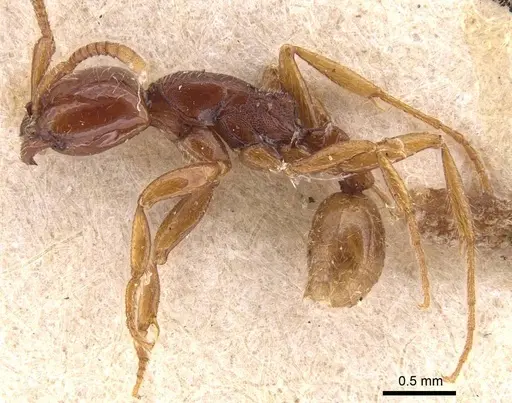
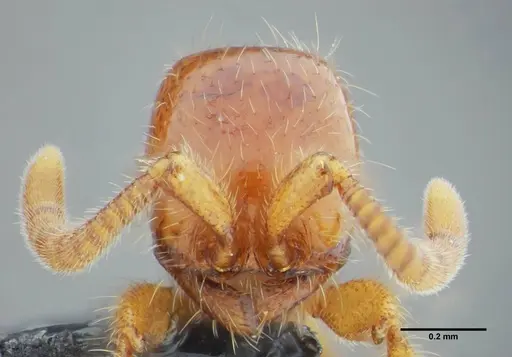
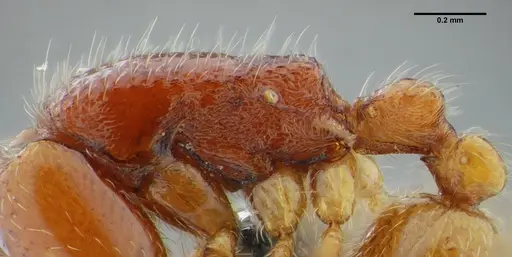
UFV-LABECOL-003496
Ver no AntWeb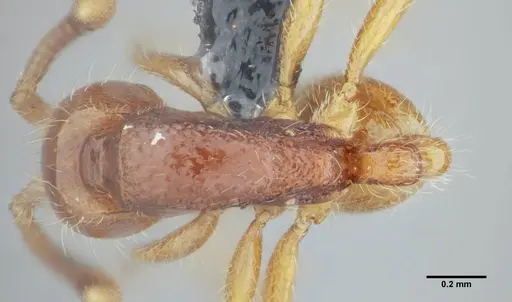
Literatura
A carregar mapa de distribuição...A carregar produtos...