
Neivamyrmex lieselae
- Nome cient.
- Neivamyrmex lieselae
- Subfamília
- Dorylinae
- Autor
- Forel, 1913
- Distribuição
- Encontrado em 0 países
Introdução
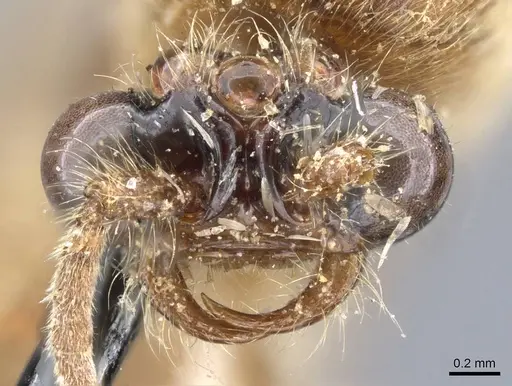
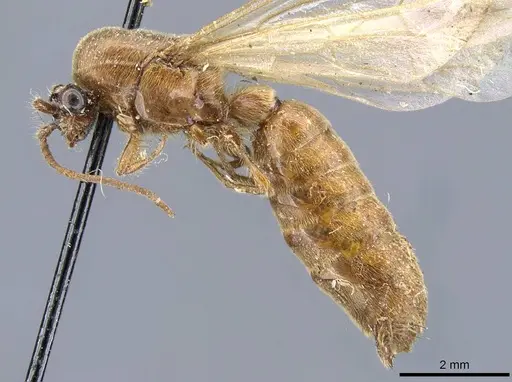
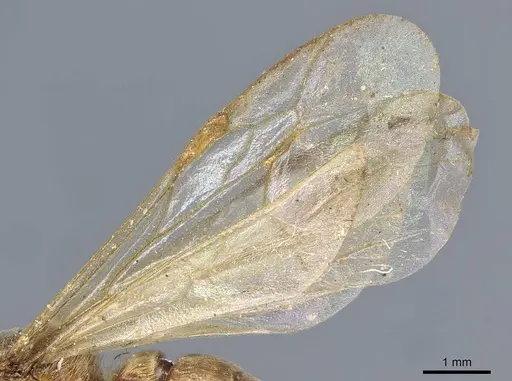
Neivamyrmex lieselae is a Neotropical army ant species from Argentina, belonging to the Dorylinae subfamily. Only the male caste has been scientifically described - the worker and queen castes remain unknown . This species was originally described as Eciton (Acamatus) lieselae by Forel in 1913 and later transferred to the genus Neivamyrmex by Borgmeier in 1953 . As an army ant, the species likely exhibits predatory behavior and nomadic colony movement, though specific biological details for this species are undocumented due to the unknown worker caste.
Quick Summary
- Difficulty: Expert
- Origin & Habitat: Argentina (Santa Fé Province: Rosario, Mendoza Province) in the Neotropical region [1][2]. The habitat consists of subtropical forest environments in central Argentina.
- Colony Type: Unconfirmed colony structure. Only male specimens have been documented in scientific literature, worker and queen castes are unknown [1].
- Size & Growth:
- Antkeeping:
- Temperature: Keep at 24-28°C based on Argentine subtropical habitat. Use a heating gradient allowing self-regulation.
- Humidity: Maintain moderate to high humidity (60-80%) mimicking forest floor conditions. Provide moist substrate.
- Diapause: Likely minimal or no true diapause, Argentine climate is subtropical with mild winters. Reduce feeding slightly during winter months but full hibernation not required.
- Nesting: Army ants are nomadic and do not establish permanent nests. In captivity, provide a formicarium with multiple connected chambers that can be periodically moved. Use soil-based substrate that retains moisture.
- Behavior: Army ants are highly predatory and aggressive raiders. They form swarms to overwhelm prey items. Workers are likely small to medium-sized and capable of stinging. Escape prevention is critical, they are active and will exploit any gaps. They require live prey and will not survive on sugar sources alone. Colony activity is continuous with no permanent nest site.
- Common Issues: Worker caste not described, captive breeding from wild-caught queens is impossible since workers are unknown, Predatory requirements make them challenging to feed, need constant supply of live insects, Nomadic nature conflicts with standard formicarium designs, may need special setups, Temperature sensitive, cannot tolerate cool conditions, Escape risk is high due to active foraging behavior
Species Identification and Status
Neivamyrmex lieselae was originally described by Forel in 1913 as Eciton (Acamatus) lieselae based on male specimens collected from Rosario, Santa Fé Province, Argentina [1]. The species was formally transferred to the genus Neivamyrmex by Borgmeier in 1953 [1]. This species remains poorly documented, only the male caste has been described, and the worker and queen castes are unknown [1][2]. The type specimens are housed in the Musée d'Histoire Naturelle de Genève (MHNG) and Museu de Zoologia da Universidade de São Paulo (MZSP) [1]. The distribution is currently known only from central Argentina (provinces of Santa Fé and Mendoza) [1][2].
Army Ant Biology and Behavior
Neivamyrmex lieselae belongs to the Dorylinae subfamily, commonly known as army ants. Army ants are characterized by their nomadic lifestyle, predatory feeding habits, and large colony sizes [3]. Unlike most ant species that establish permanent nests, army ants form temporary bivouacs and move their colonies regularly. They are specialized predators that conduct coordinated raids to capture prey, primarily other insects and arthropods [3]. The genus Neivamyrmex contains numerous Neotropical army ant species distributed throughout the Americas. However, since the worker caste of N. lieselae has not been described, specific behavioral details for this species remain unknown [1].
Housing and Nesting Requirements
Housing Neivamyrmex lieselae presents significant challenges since the worker caste has never been described. No documented captive colonies exist. Based on related Neivamyrmex species, provide a formicarium with multiple connected chambers using a soil-based substrate that retains moisture well. The setup should allow for easy relocation of the colony, as army ants periodically abandon their bivouac. Ensure excellent escape prevention, army ants are highly active and will find any gap. Use tight-fitting lids and consider barrier methods like fluon on smooth surfaces. The outworld should be spacious enough to conduct raids and include areas for prey placement.
Feeding and Nutrition
Army ants are obligate predators and require live prey to survive. They will not typically accept sugar sources or dead food. Feed small live insects such as fruit flies, small crickets, mealworms, and other appropriately sized arthropods. The feeding schedule should be frequent, army ants consume large quantities of protein to support their colonies. Remove uneaten prey after 24-48 hours to prevent mold. Fresh water should always be available. Do not attempt to keep this species unless you can reliably provide a constant supply of live prey. [3]
Temperature and Environmental Conditions
Based on the species' Argentine origin (subtropical central Argentina), maintain temperatures in the range of 24-28°C. Provide a thermal gradient so ants can self-regulate their body temperature. Use a low-wattage heating cable or mat on one side of the nest area. Avoid temperatures below 20°C for extended periods. Humidity should be moderate to high (60-80%), use a moist substrate that retains water but is not waterlogged. Ensure adequate ventilation to prevent mold while maintaining humidity. These conditions reflect the subtropical forest floor environment where related species typically nest.
Frequently Asked Questions
Can I keep Neivamyrmex lieselae as a beginner antkeeper?
No, this species is not suitable for beginners. The worker caste has never been described, meaning no documented captive colonies exist. Army ants require constant live prey, specific temperature and humidity conditions, and experienced handling. This species should only be attempted by expert antkeepers with extensive army ant experience.
What do Neivamyrmex lieselae ants eat?
As army ants, they are obligate predators requiring live prey. Feed small live insects such as fruit flies, small crickets, mealworms, and other arthropods. They will not survive on sugar water, honey, or dead food. You must have a reliable, constant supply of live prey to keep this species.
How long does it take for Neivamyrmex lieselae to develop from egg to worker?
The exact development time is unknown since the worker caste has never been described. No documented development data exists for this species.
Can I keep multiple queens together?
Colony structure for this species is unconfirmed. Only male specimens have been documented, queen caste is unknown. Do not attempt to keep this species without documented workers.
What temperature do Neivamyrmex lieselae need?
Keep them at 24-28°C based on their Argentine subtropical habitat. Provide a thermal gradient so ants can move between warmer and cooler areas. Avoid temperatures below 20°C.
Do Neivamyrmex lieselae need hibernation?
Full hibernation is likely not required. The Argentine climate is subtropical with mild winters. Reduce feeding and activity may occur during cooler months, but a true diapause period is probably not necessary.
Why are my Neivamyrmex lieselae dying?
Without documented captive colonies, establishing this species is extremely difficult. Common issues include: inability to obtain a colony (workers unknown), insufficient live prey, incorrect temperature/humidity, escape, and stress from handling. This species is not recommended for captive keeping.
Report an Issue
The current care sheet is based fully on literature. See inconsistencies, or something that's incorrect? Please , it will be resolved after review from an admin. Contributing to the blogs tab also helps providing information, to make us be able to further improve the caresheets. Thank you for your support!
References

Esta ficha de cuidados é licenciada sob CC BY-SA 4.0 .
Blogs da comunidade
CASENT0905967
Ver no AntWeb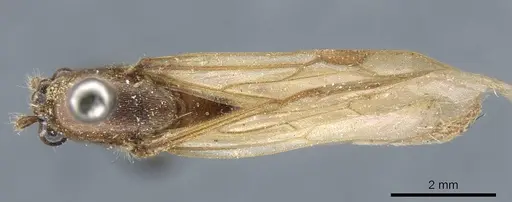
Literatura
A carregar mapa de distribuição...A carregar produtos...