
Neivamyrmex diabolus
- Nome cient.
- Neivamyrmex diabolus
- Subfamília
- Dorylinae
- Autor
- Forel, 1912
- Distribuição
- Encontrado em 0 países
Introdução
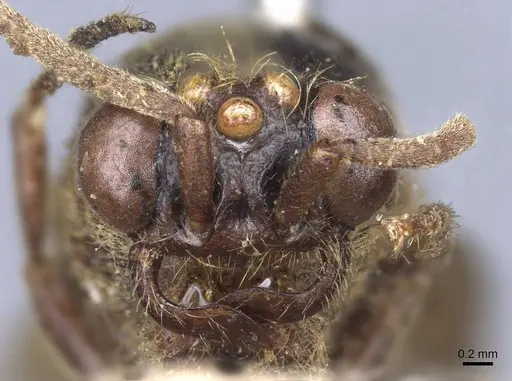
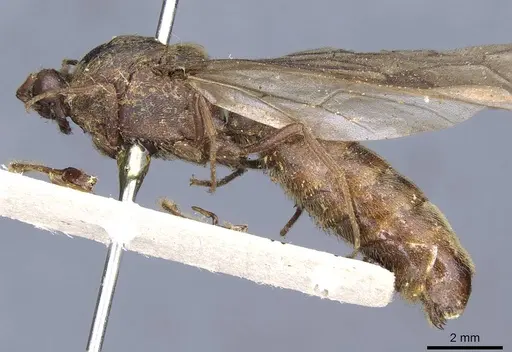
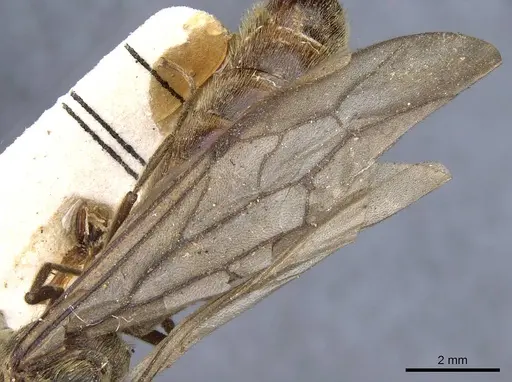
Neivamyrmex diabolus is a Neotropical army ant species endemic to Mexico. The species is known only from male specimens collected in Veracruz, Campeche, Nuevo León, and Tamaulipas . Workers and queens have never been described in scientific literature, making this one of the most poorly documented army ant species in the Americas. As a member of the subfamily Dorylinae, this species belongs to the army ant group, characterized by their nomadic lifestyle and predatory raids on other ant colonies. The genus Neivamyrmex contains over 150 species throughout the Americas . This species represents a significant knowledge gap in antkeeping - no captive care information exists whatsoever.
Quick Summary
- Difficulty: Expert
- Origin & Habitat: Mexico (Veracruz, Campeche, Nuevo León, Tamaulipas). Associated with Pine-Oak forest in Nuevo León at moderate elevations [3]. Neotropical to subtropical climate with seasonal rainfall.
- Colony Type: Unconfirmed, only male specimens have been documented. Based on genus Neivamyrmex patterns, likely single-queen colonies with nomadic bivouac structure.
- Size & Growth:
- Queen: size data unavailable, queens have never been described
- Worker: size data unavailable, workers have never been described
- Colony: Unknown for this species. Neivamyrmex colonies can reach several thousand workers [2]
- Growth: Unknown, no development data exists
- Development: Unknown, no breeding observations exist for this species (No data available for this species.)
- Antkeeping:
- Temperature: Unknown for this species. Based on Neotropical distribution, likely 22-28°C. Provide a thermal gradient and monitor colony activity.
- Humidity: Unknown, no specific data. Army ants typically prefer humid conditions. Keep nest area moderately humid.
- Diapause: Unknown, no studies on seasonal behavior.
- Nesting: No captive data exists. In nature, Neivamyrmex species form temporary bivouacs (hanging nests made of worker-linked bodies) and relocate every few days. Captive housing requires space for nomadic movement.
- Behavior: No species-specific behavioral data exists. Army ants (Neivamyrmex) are known for raiding behavior, they form raiding columns and sweep through leaf litter and soil, attacking other ant colonies and arthropods to capture brood as food [2]. They are highly aggressive and will defend their bivouac vigorously. Escape prevention is critical, army ants are excellent climbers and will exploit any gap. They are primarily nocturnal or crepuscular raiders.
- Common Issues: no species-specific care information exists, all advice is genus-level inference, colonies require constant prey availability and may starve in captivity, nomadic lifestyle demands large enclosures that most keepers cannot provide, army ant colonies are extremely difficult to establish from wild collections, no documented captive breeding success for this specific species
Why This Species Is Expert-Only
Neivamyrmex diabolus is one of the least documented ant species in the hobby. No queen, worker, or colony has ever been described in scientific literature, we only know males collected in Mexico [1]. This means there is no established captive care protocol, no feeding records, no development timeline, and no confirmed housing method. Even basic information like colony size, temperature preferences, and diet are completely unknown. Keeping this species requires the ability to extrapolate from genus-level knowledge and adapt to whatever the colony demonstrates. This is not a species for beginners or even intermediate antkeepers, it represents the frontier of army ant husbandry where every keeper must essentially become a researcher.
Housing and Enclosure Requirements
Army ants do not live in permanent nests. In the wild, Neivamyrmex species form bivouacs, temporary nests made of thousands of workers linking their legs together into a living mass that hangs from vegetation or wraps around objects [2]. Captive housing must accommodate this nomadic behavior. A large outworld with multiple connected foraging areas works better than a traditional formicarium. Provide horizontal space for raiding columns and vertical structures for bivouac attachment. Use escape-proof barriers as army ants are exceptional climbers. Humidity should be moderate with a water tube for drinking. Lighting should be dim, army ants are typically nocturnal or crepuscular.
Feeding and Nutrition
No species-specific feeding data exists. However, all documented Neivamyrmex species are obligate predators and raiders, they do not collect honeydew or tend aphids [2]. Their primary food source is the brood of other ant species, particularly those nesting in soil and leaf litter. In captivity, you will need to provide constant prey: other ant colonies (live brood from feeder colonies), small insects (crickets, mealworms, fruit flies), and potentially small arthropods. Feed heavily and frequently, army ant colonies consume enormous quantities of protein compared to typical ants. Without constant protein availability, the colony will decline and die.
Behavior and Colony Dynamics
Army ant colonies operate on a cycle of nomadic phases (raiding and relocating) and stationary phases (breeding). During raiding phases, columns of workers sweep through the environment in search of other ant nests to raid [2]. They capture brood and bring it back to the bivouac to feed the developing larvae. This raiding behavior requires space to observe. Colonies can become aggressive if threatened, while they cannot sting, they can bite and will swarm perceived threats. Workers are polymorphic (different sizes) with major workers having larger heads and mandibles for combat. The colony will expand and contract based on food availability.
Legal and Ethical Considerations
This species is endemic to Mexico and has never been documented in the United States or other countries [1]. It is not invasive anywhere. However, you should never release any ant colony into the wild, especially in regions where they do not naturally occur. Captive breeding of this species has never been documented, so all colonies would need to be wild-caught from Mexico, which raises ethical and legal questions about collection permits. Before attempting to keep this species, research local regulations regarding ant collection in Mexico and your home country's import requirements. Responsible antkeeping means never releasing captives and never supporting wild collection of protected species.
Frequently Asked Questions
Can I keep Neivamyrmex diabolus in a test tube?
No. Test tubes are completely unsuitable for this species. Army ants are nomadic and need space to form bivouacs and conduct raids. A test tube would cause the colony to stress and die. You would need a large outworld setup with multiple connected areas.
How long until first workers with Neivamyrmex diabolus?
Unknown, no captive breeding has ever been documented for this species. Even the queen has never been described scientifically. Any timeline would be a complete guess.
What do Neivamyrmex diabolus eat?
No species-specific data exists, but all Neivamyrmex are predatory army ants that raid other ant colonies for brood [2]. In captivity, you would need to provide constant prey: other ant colonies, small insects, and arthropods. They are obligate predators and do not accept sugar sources.
Are Neivamyrmex diabolus good for beginners?
Absolutely not. This is an expert-only species with zero documented captive care information. Even experienced antkeepers struggle with army ants. There is no established protocol, no feeding records, and no success stories to learn from.
How big do Neivamyrmex diabolus colonies get?
Unknown for this species, workers have never been described. Based on related Neivamyrmex species, colonies can reach several thousand workers [2].
Can I keep multiple queens together?
Unknown, queens have never been documented for this species. Do not attempt combining unrelated queens without research.
Do Neivamyrmex diabolus need hibernation?
Unknown, no seasonal behavior studies exist. As a Mexican species from tropical to subtropical regions, they likely do not require true hibernation.
When should I move Neivamyrmex diabolus to a formicarium?
Army ants should not be moved to traditional formicariums. They need open outworld space to raid, not enclosed chambers. A large plastic tub or tank with multiple feeding stations and structures for bivouac attachment works better.
Why are my Neivamyrmex diabolus dying?
Without any captive data, any cause would be speculative. However, army ants commonly die from starvation (insufficient prey), stress (lack of space for nomadic behavior), desiccation (low humidity), or temperature issues. This species has no safety net of established care knowledge.
What is the difficulty level for Neivamyrmex diabolus?
Expert. This species has no documented captive care whatsoever. Every aspect of keeping it would be experimental. Only advanced antkeepers with extensive army ant experience should attempt this.
Report an Issue
The current care sheet is based fully on literature. See inconsistencies, or something that's incorrect? Please , it will be resolved after review from an admin. Contributing to the blogs tab also helps providing information, to make us be able to further improve the caresheets. Thank you for your support!
References

Esta ficha de cuidados é licenciada sob CC BY-SA 4.0 .
Blogs da comunidade
CASENT0905956
Ver no AntWeb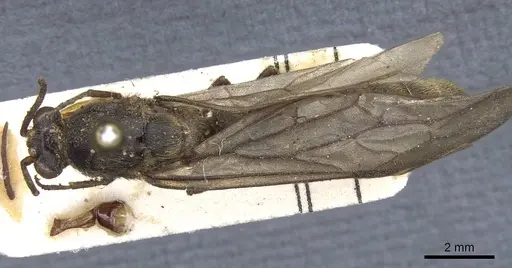
Literatura
A carregar mapa de distribuição...A carregar produtos...