
Myrmicocrypta subnitida
- Nome cient.
- Myrmicocrypta subnitida
- Tribo
- Attini
- Subfamília
- Myrmicinae
- Autor
- Forel, 1899
- Distribuição
- Encontrado em 0 países
Introdução
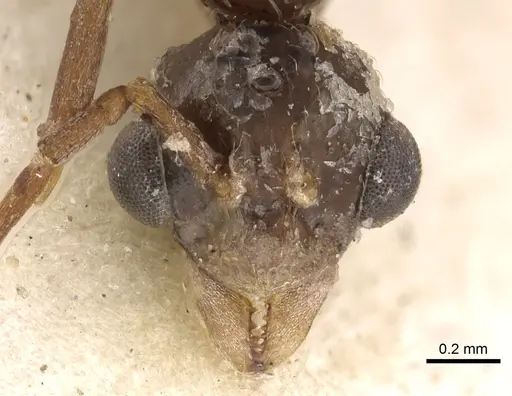
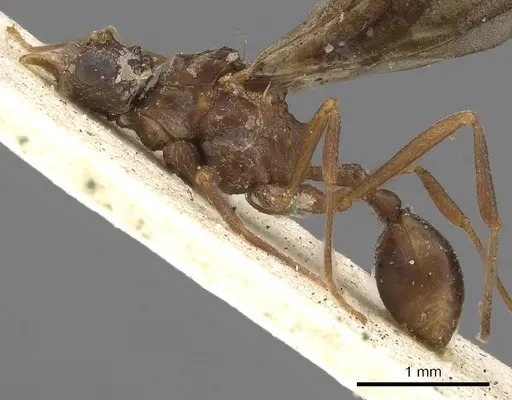
Myrmicocrypta subnitida is a small fungus-growing ant species from Panama, belonging to the tribe Attini. Males measure approximately 3.8mm in length, with workers expected to be significantly smaller at 2-3mm based on typical genus patterns . The species was originally described by Forel in 1899 from Panama specimens. As a member of the Attini tribe, these ants cultivate fungus for food - though unlike their famous relatives Atta and Acromyrmex (leaf-cutter ants), lower Attini like Myrmicocrypta typically cultivate fungus on smaller substrate piles rather than large underground gardens. This makes them an interesting choice for antkeepers interested in fungus-growing behavior without the space requirements of leaf-cutters.
Quick Summary
- Difficulty: Medium
- Origin & Habitat: Panama (Neotropical region), likely rainforest or humid tropical forest habitats [1][2]
- Colony Type: Likely single-queen (monogyne) colonies based on typical Attini patterns, though this is unconfirmed for this specific species
- Size & Growth:
- Queen: Estimated 5-6mm based on genus patterns, not directly documented
- Worker: Estimated 2-3mm based on male measurement and genus patterns [1]
- Colony: Likely several hundred workers based on typical lower Attini colony sizes, unconfirmed for this species
- Growth: Moderate, fungus cultivation adds time to development compared to non-fungus-growing ants
- Development: Estimated 8-12 weeks based on typical Attini development at tropical temperatures (Development is likely slower than non-fungus-growing Myrmicinae due to fungus cultivation requirements, this is an estimate based on related species)
- Antkeeping:
- Temperature: Keep at 24-28°C (tropical warmth). Panama is consistently warm year-round, so these ants need stable heat. Use a heating cable on one side of the nest to create a gradient
- Humidity: High humidity is essential, aim for 70-80% relative humidity. Keep the nest substrate consistently moist but not waterlogged. Fungus-growing ants need stable moisture for their fungal culture to thrive
- Diapause: No, Panama has no winter. These ants do not require hibernation. Maintain consistent tropical temperatures year-round
- Nesting: Lower Attini typically nest in soil or small cavities in rotting wood. In captivity, a test tube setup works well for founding colonies, transitioning to a small formicarium or Y-tong nest as the colony grows. Keep the nest dark and humid
- Behavior: These ants are generally peaceful and not aggressive. As fungus farmers, they spend most of their time tending their fungal garden rather than foraging aggressively. Workers are small and likely not capable of stinging humans. Escape prevention should be adequate for their small size, use standard barriers. They are not escape artists but their tiny size means gaps should be minimized
- Common Issues: Fungus failure is the main killer, if the fungal culture dies, the colony starves. Keep humidity stable and avoid disturbing the fungus garden unnecessarily., Small size makes escape prevention important, they can slip through small gaps that larger ants cannot., Overfeeding can mold and kill the fungus, offer small amounts of substrate material (dead leaves, bits of fruit) rather than excess., Temperature drops can be fatal, maintain tropical warmth consistently., Limited information means this species is better suited for intermediate antkeepers who can adapt care based on colony behavior.
Fungus Farming Basics
Myrmicocrypta belongs to the Attini tribe, ants that cultivate fungus for food. Unlike leaf-cutter ants (Atta, Acromyrmex) that cut fresh leaves to feed their fungus, lower Attini like Myrmicocrypta typically collect small organic debris, dead insects, and plant material to feed their fungal culture. In captivity, you can offer small pieces of dead leaves, fruit scraps, or crushed insects. The key is providing organic material in small quantities, too much will mold and kill the fungus. The ants will deposit this material on their fungal garden, which they tend carefully. Never remove or disturb the fungus garden once established, it is the colony's sole food source. If the fungus turns black or dies, the colony will likely starve.
Nest Setup and Housing
For founding colonies, a standard test tube setup works well. Keep the tube dark (cover with an opaque wrapper or place in a dark container) and maintain humidity by ensuring the water reservoir doesn't dry out. Once the colony reaches 20-30 workers, you can transition to a small formicarium or Y-tong nest. The nest should have tight chambers scaled to the small worker size, gaps more than 1-2mm can allow escapes. Maintain high humidity by keeping a water reservoir connected to the nest area. Avoid excessive ventilation that will dry out the fungus. A small outworld for foraging is sufficient, these ants don't need large spaces.
Feeding and Nutrition
The fungal culture is the primary food source, but you can supplement by providing small amounts of organic material. Offer tiny pieces of dead leaves, fruit (especially ripe fruit), or small dead insects once or twice weekly. Remove any uneaten material after 24-48 hours to prevent mold. Do not offer sugar water or honey, fungus-growing ants get their carbohydrates from the fungus itself, not from free-standing sugar sources. The key to success is providing just enough organic material for the fungus to grow without allowing mold to overtake the garden.
Temperature and Seasonal Care
As a Panamanian species, Myrmicocrypta subnitida needs tropical warmth year-round. Keep the nest area at 24-28°C consistently. Temperature drops below 20°C can slow or stop fungus growth, which will eventually starve the colony. Use a small heating cable or heating mat on one side of the nest to maintain warmth, placing it on top of the nest to avoid drying. There is no winter dormancy requirement, these ants come from a region with no seasonal temperature changes. Maintain stable conditions throughout the year.
Frequently Asked Questions
How long does it take for Myrmicocrypta subnitida to produce first workers?
Expect first workers (nanitics) in approximately 8-12 weeks after the queen lays eggs, based on typical Attini development times at tropical temperatures. The fungus cultivation process adds time compared to non-fungus-growing ants. Be patient, founding colonies can take several months to establish.
What do Myrmicocrypta subnitida eat?
They cultivate fungus as their primary food source. In captivity, provide small organic material like dead leaf fragments, fruit pieces, or tiny dead insects. The ants will use this to grow their fungal garden. Do not offer sugar water, they get carbohydrates from the fungus.
Can I keep Myrmicocrypta subnitida in a test tube?
Yes, test tubes work well for founding colonies. Keep the tube humid and dark. Transition to a small formicarium or Y-tong nest once the colony reaches 20-30 workers and the fungal garden grows larger.
Are Myrmicocrypta subnitida good for beginners?
This species is better suited for intermediate antkeepers. While not difficult to keep, the fungus-farming requirement means you must maintain stable humidity and temperature while avoiding overfeeding that causes mold. Beginners may struggle with these specific needs.
How big do Myrmicocrypta subnitida colonies get?
Based on typical lower Attini patterns, colonies likely reach several hundred workers. They are not as large as leaf-cutter ant colonies (which can reach millions), making them suitable for more compact setups.
Do Myrmicocrypta subnitida need hibernation?
No. As a Panamanian species from a tropical rainforest region, they do not require hibernation. Maintain consistent tropical temperatures (24-28°C) year-round.
Why is my fungus turning black?
A black or dying fungus usually indicates problems, either too much food causing mold, humidity fluctuations, or temperature issues. Reduce feeding, ensure stable humidity, and verify temperatures are in the 24-28°C range. If the fungus dies, the colony will likely starve.
Can I keep multiple queens together?
This has not been documented for this species. Based on typical Attini behavior, single-queen colonies are most common. Do not attempt to combine unrelated foundress queens.
What temperature do Myrmicocrypta subnitida need?
Keep them at 24-28°C consistently. Use a heating cable on one side of the nest to maintain these tropical temperatures. Avoid temperatures below 20°C as they can stop fungus growth and harm the colony.
Report an Issue
The current care sheet is based fully on literature. See inconsistencies, or something that's incorrect? Please , it will be resolved after review from an admin. Contributing to the blogs tab also helps providing information, to make us be able to further improve the caresheets. Thank you for your support!
References

Esta ficha de cuidados é licenciada sob CC BY-SA 4.0 .
Blogs da comunidade
CASENT0901679
Ver no AntWeb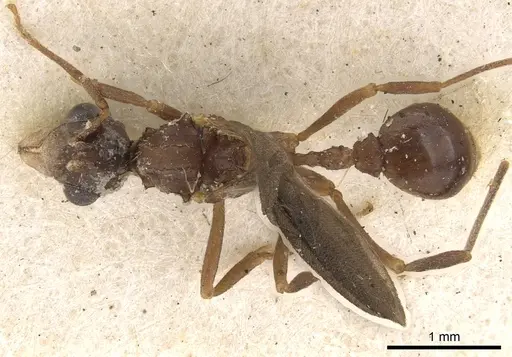
Literatura
A carregar mapa de distribuição...A carregar produtos...