
Myrmicaria vidua
- Nome cient.
- Myrmicaria vidua
- Tribo
- Solenopsidini
- Subfamília
- Myrmicinae
- Autor
- Smith, 1858
- Distribuição
- Encontrado em 0 países
Introdução
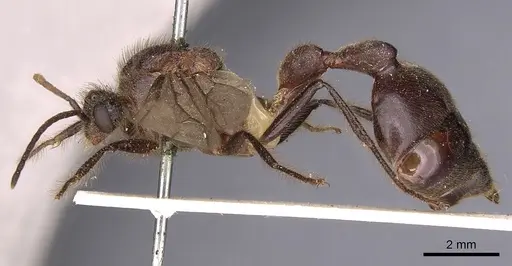
Myrmicaria vidua is a medium-sized ant species native to Southeast Asia and southern China. The genus Myrmicaria is characterized by a robust build and distinctive habit of nesting in soil, where they construct large mounds using soil particles. This species has been documented across a wide altitudinal range from lowland areas around 430m up to higher elevations around 1600m in Thailand . These ants inhabit diverse environments including fruit gardens, sparse forests, forest edges, and well-developed forests across their range in Indonesia, Vietnam, Malaysia, Thailand, and southern China . Workers are scavengers that collect dead animals and also tend homopteran insects like aphids for their honeydew, making them generalist foragers in their ecosystem.
Quick Summary
- Difficulty: Medium
- Origin & Habitat: Southeast Asia and southern China. Found in fruit gardens, sparse forests, forest edges, and well-developed forests. Nests in soil, often building large mounds with soil particles [2][1][3].
- Colony Type: Colony structure is unconfirmed for this specific species.
- Size & Growth:
- Queen: Size data unavailable, inferred from Myrmicaria genus to be approximately 7-9mm
- Worker: Size data unavailable, inferred from Myrmicaria genus to be approximately 4-6mm
- Colony: Likely several hundred to a few thousand workers based on related Myrmicaria species
- Growth: Moderate, inferred from tropical Myrmicaria patterns
- Development: Estimated 6-8 weeks at tropical temperatures (25-28°C) based on genus-level data for related Solenopsidini species (Timeline is estimated, direct development data for M. vidua is not available. Tropical species typically develop faster than temperate ones.)
- Antkeeping:
- Temperature: Keep at 24-28°C. These are tropical ants from Southeast Asia that prefer warm, stable conditions. A heating cable on one side of the nest creates a suitable gradient.
- Humidity: Keep nest substrate moderately moist. They naturally nest in soil and build mounds in forest environments, so aim for damp but not waterlogged conditions. Provide a water tube for drinking water.
- Diapause: No, these are tropical ants that do not require hibernation. Maintain warm temperatures year-round.
- Nesting: Soil-based nesting is preferred. A naturalistic setup with soil or a plaster nest with moisture chambers works well. They naturally build mounds, so provide deeper nesting areas. Y-tong nests with soil chambers or custom formicaria with moist substrate are suitable options [2].
- Behavior: Workers are active foragers that scavenge dead animals and tend homopteran insects. They are generalist feeders and moderately aggressive in defending their colony. Escape risk is moderate, use standard barrier methods. This species has a stinger and can inject venom composed of piperidine alkaloids, typical of the Solenopsidini tribe.
- Common Issues: tropical species requires consistent warmth, cold drafts or temperatures below 20°C can stress colonies, soil-nesting species needs proper moisture balance, too wet causes mold, too dry causes desiccation, colonies may be slow to establish initially, patience is needed during founding phase, wild-caught colonies may carry parasites, quarantine and monitor new colonies
Housing and Nest Setup
Myrmicaria vidua is a soil-nesting species that naturally builds mounds in forest environments. For captive care, a naturalistic setup with moist soil substrate works best. You can use a formicarium with a soil chamber or a Y-tong style nest with a soil area. The nest should have enough depth for the colony to dig chambers and tunnels. Because they naturally construct mounds, providing deeper substrate (at least 5-8cm) allows them to exhibit natural building behavior. Keep one side of the nest slightly heated with a heating cable or mat to create a temperature gradient. The substrate should remain consistently moist but never waterlogged, squeeze test should show slight dampness without water dripping. A water tube should always be available for drinking water. [2]
Feeding and Diet
In the wild, workers scavenge dead animals and tend homopteran insects (aphids and similar insects) for their honeydew. In captivity, offer a varied diet including protein sources like small insects (fruit flies, small crickets, mealworms), and sugar sources such as sugar water, honey, or diluted honey water. Since they tend homopterans in nature, they likely accept honeydew but you can substitute with sugar water. Feed protein 2-3 times per week and keep sugar water available at all times. Remove uneaten prey after 24-48 hours to prevent mold. Fresh water should always be accessible. [2]
Temperature and Seasonal Care
As a tropical species from Southeast Asia, Myrmicaria vidua requires warm temperatures year-round. Keep the nest area between 24-28°C with a slight gradient if possible. Avoid temperatures below 20°C as this can stress the colony. No hibernation or diapause is required, maintain consistent warmth throughout the year. Room temperature in most homes (22-25°C) is generally suitable, but you may need to add gentle heating during cooler months or in air-conditioned rooms. Monitor colony activity, if workers become less active or cluster together, the temperature may be too low. [2][1]
Colony Establishment and Growth
Myrmicaria vidua colonies likely start with a claustral queen (queen seals herself in and lives off stored fat reserves) similar to other Myrmicaria species, though this has not been directly documented for this specific species. The founding phase may take 6-10 weeks before the first workers (nanitics) emerge. Colony growth is moderate, expect several months before you have an established colony with 20-50 workers. Full maturity with hundreds of workers may take 1-2 years under optimal conditions. Be patient during the founding phase and avoid disturbing the queen. Only provide minimal food (a small drop of honey water) during the founding stage until workers emerge.
Behavior and Handling
Workers are active foragers that will explore their outworld searching for food. They will defend their nest if threatened. This species belongs to the subfamily Myrmicinae and tribe Solenopsidini, which are known to have a sting that injects potent venom composed mostly of piperidine alkaloids. This venom is used for hunting prey and defending the colony. Escape prevention should be adequate but not extreme, standard barriers like fluon on test tube rims or formicarium edges work well. These ants are more active in warm conditions and will slow down if temperatures drop. [2]
Frequently Asked Questions
How long does it take for Myrmicaria vidua to go from egg to first worker?
The exact timeline has not been documented for this species. Based on related tropical Myrmicaria and Solenopsidini species, expect approximately 6-8 weeks at optimal temperatures of 25-28°C. The founding queen will remain in her sealed chamber for several weeks before the first nanitic workers emerge.
What temperature do Myrmicaria vidua ants need?
Keep them warm at 24-28°C. These are tropical ants from Southeast Asia that need consistent warmth. Room temperature is usually suitable, but you may need to add gentle heating during cooler months. Avoid temperatures below 20°C.
Do Myrmicaria vidua ants need hibernation?
No, they do not require hibernation. As a tropical species, they need warm temperatures year-round. Maintain 24-28°C consistently throughout the year.
What do Myrmicaria vidua ants eat?
They are generalist scavengers. Offer small insects (fruit flies, small crickets, mealworms) as protein 2-3 times per week. Keep sugar water, honey, or diluted honey available at all times. They also tend homopterans in the wild, so sugar sources are important.
Can I keep Myrmicaria vidua in a test tube?
Test tubes can work for founding colonies, but because they are soil-nesting ants that naturally build mounds, a more naturalistic setup with moist soil is preferable for established colonies. A formicarium with soil chambers or a Y-tong with a soil area works better long-term.
How big do Myrmicaria vidua colonies get?
The exact colony size for M. vidua is unknown. Based on related Myrmicaria species, colonies likely reach several hundred to a few thousand workers over 1-2 years under good conditions.
Are Myrmicaria vidua ants good for beginners?
They are rated as medium difficulty. They require warm, stable temperatures and proper humidity management. If you can maintain tropical conditions and provide appropriate soil-based housing, they can be a rewarding species to keep.
When should I move Myrmicaria vidua to a formicarium?
Move them when the test tube or founding setup becomes crowded, typically when you have 30-50+ workers. Since they are soil-nesting ants, provide a naturalistic formicarium with moist soil or a plaster nest with moisture chambers.
What humidity level do Myrmicaria vidua need?
Keep the nest substrate moderately moist, damp but not waterlogged. In a test tube setup, keep the water section about one-third of the tube and ensure the cotton remains moist. For formicaria, the soil should feel damp to the touch. They naturally inhabit forest environments with moderate to high humidity.
Report an Issue
The current care sheet is based fully on literature. See inconsistencies, or something that's incorrect? Please , it will be resolved after review from an admin. Contributing to the blogs tab also helps providing information, to make us be able to further improve the caresheets. Thank you for your support!
References

Esta ficha de cuidados é licenciada sob CC BY-SA 4.0 .
Blogs da comunidade
CASENT0900499
Ver no AntWeb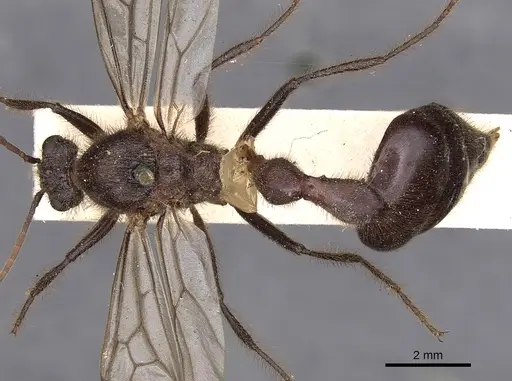
Literatura
A carregar mapa de distribuição...A carregar produtos...