
Myrmicaria rugosa
- Nome cient.
- Myrmicaria rugosa
- Tribo
- Solenopsidini
- Subfamília
- Myrmicinae
- Autor
- Smith, 1860
- Distribuição
- Encontrado em 0 países
Introdução
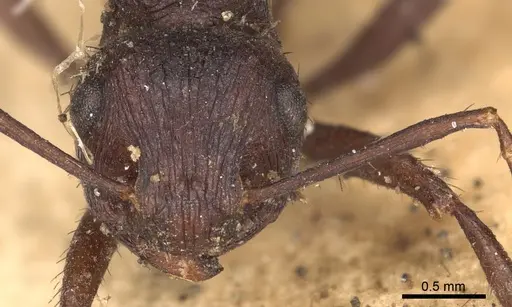
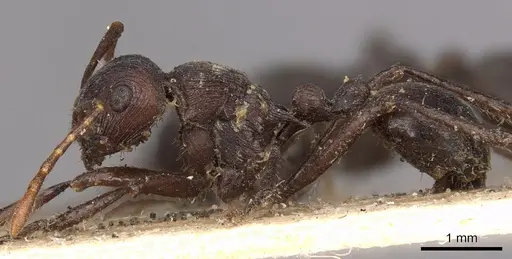
Myrmicaria rugosa is a medium-sized ant species originally described from Bachian Island in the Indonesian archipelago . Workers display the characteristic Myrmicaria morphology with a distinctive roughened (rugose) body surface, which gives the species its name. This species belongs to the M. brunnea group, sharing morphological characters with other members of this clade . The genus Myrmicaria is known for its aggressive defensive behavior and potent sting - they inject venom composed of piperidine alkaloids. Little is known about the specific biology of M. rugosa in the wild, but as a tropical Indonesian species, it likely inhabits lowland forest environments.
Quick Summary
- Difficulty: Medium
- Origin & Habitat: Bachian Island, Indonesia (Indomalaya Region), tropical lowland habitat [1]
- Colony Type: Colony structure is unconfirmed for this species
- Size & Growth:
- Queen: Size data unavailable, estimated ~10-12mm based on genus Myrmicaria patterns
- Worker: Size data unavailable, estimated ~5-8mm based on genus Myrmicaria patterns
- Colony: Up to several hundred workers, estimated from genus patterns
- Growth: Moderate, estimated from related tropical Myrmicaria species
- Development: Estimated 6-8 weeks at tropical temperatures (25-28°C) based on genus-level data (Development timeline is estimated from related species, specific data for M. rugosa is unavailable)
- Antkeeping:
- Temperature: Keep at 24-28°C (tropical warmth). A heating cable on one side of the nest creates a gradient allowing ants to self-regulate.
- Humidity: Maintain moderate to high humidity (60-80%). Keep the nest substrate consistently moist but not waterlogged. Provide a water source in the outworld.
- Diapause: Unlikely, given tropical origin, this species probably does not require hibernation
- Nesting: Provide a humid nest setup such as a Y-tong (AAC) nest, plaster nest, or naturalistic setup with moist substrate. They likely prefer enclosed chambers with good humidity retention.
- Behavior: Myrmicaria ants are known for their aggressive defense and painful sting. Workers are active foragers that will readily hunt prey. Escape prevention is important, while not among the smallest ants, they are agile and will explore for weaknesses in the setup. Expect active, bold workers that defend their nest vigorously.
- Common Issues: limited species-specific care data makes precise recommendations difficult, tropical humidity requirements can lead to mold if ventilation is poor, potent sting makes handling risky, use caution during nest maintenance, slow founding phase may test keeper patience, wild-caught colonies may harbor parasites or diseases
Nest Preferences and Setup
Myrmicaria rugosa originates from tropical Indonesia, so they need humidity-retaining nest setups. A Y-tong (AAC) nest or plaster nest works well, both hold moisture effectively while providing dark, enclosed chambers. Naturalistic setups with moist soil or a soil-filled formicarium also suit this species. The nest should have chambers sized appropriately for a medium-sized Myrmicaria colony. Keep the nest substrate consistently moist but avoid standing water. Place the nest in a location away from direct sunlight and drafts. A water test tube in the outworld provides drinking water.
Feeding and Diet
Myrmicaria ants are omnivorous with a strong predatory drive. Feed them protein-rich foods like small insects (fruit flies, small crickets, mealworms) regularly, every 2-3 days for an established colony. They also accept sugar sources such as honey water or sugar water, which should be provided at least weekly. Remove uneaten prey after 24-48 hours to prevent mold. Fresh water should always be available in the outworld. Based on genus patterns, M. rugosa likely has similar dietary needs to other Myrmicaria species.
Temperature and Seasonal Care
As a tropical species from Indonesia, Myrmicaria rugosa prefers warm conditions around 24-28°C. Use a heating cable or heating mat on one side of the nest to create a temperature gradient, this lets ants move between warmer and cooler areas as needed. Room temperature may be sufficient if your home stays in the low-mid 20s°C. Unlike temperate species, they do not require a true diapause or hibernation period. However, they may show reduced activity during cooler periods. Avoid temperatures below 20°C for extended periods.
Behavior and Handling
Myrmicaria species are known for their bold, aggressive behavior and potent sting. Workers will readily defend the nest and attack perceived threats. The sting injects venom composed of piperidine alkaloids and is reported to be painful in related species. When maintaining the colony, work carefully and avoid disturbing the nest directly. Use minimal smoke or none at all, these ants respond aggressively to smoke. Transfer colonies only when necessary. The workers are active foragers that will explore the outworld thoroughly, so ensure escape prevention is adequate.
Frequently Asked Questions
How long does it take for Myrmicaria rugosa to have first workers?
Based on genus-level data from related Myrmicaria species, expect first workers (nanitics) approximately 6-8 weeks after the queen lays eggs, assuming optimal temperatures around 25-28°C. This timeline is an estimate since specific development data for M. rugosa is not available.
What temperature do Myrmicaria rugosa need?
Keep them at 24-28°C. As a tropical Indonesian species, they prefer warm, stable temperatures. A heating cable on part of the nest creates a gradient they can regulate themselves.
Can I keep multiple Myrmicaria rugosa queens together?
This is not recommended. While colony structure is not confirmed for this species, Myrmicaria colonies are typically single-queen. Combining unrelated queens often results in fighting and colony loss.
How big do Myrmicaria rugosa colonies get?
Based on genus patterns, colonies likely reach up to several hundred workers. Specific maximum colony size for M. rugosa has not been documented.
What do Myrmicaria rugosa eat?
They are omnivorous with strong predatory instincts. Feed small insects (fruit flies, small crickets, mealworms) as protein, and provide sugar water or honey regularly. Fresh water should always be available.
Do Myrmicaria rugosa need hibernation?
Probably not. As a tropical species from Indonesia, they do not require a true diapause. They may show reduced activity during cooler periods but should be kept warm year-round.
Is Myrmicaria rugosa good for beginners?
This species is rated as Medium difficulty. While not the most challenging ant to keep, the limited available care data and their potent sting make them better suited for keepers with some experience. Their humidity and temperature needs are straightforward but require attention.
When should I move Myrmicaria rugosa to a formicarium?
Move them when the test tube setup becomes crowded or the water reservoir is depleted. For Myrmicaria, this is typically when the colony reaches 30-50 workers. Ensure the new setup maintains similar humidity levels.
Why is so little known about Myrmicaria rugosa care?
This species has received very little scientific attention. Most ant keeping knowledge comes from a few taxonomic papers describing the species and morphological studies. Much of what we recommend is inferred from related Myrmicaria species and general genus patterns.
Report an Issue
The current care sheet is based fully on literature. See inconsistencies, or something that's incorrect? Please , it will be resolved after review from an admin. Contributing to the blogs tab also helps providing information, to make us be able to further improve the caresheets. Thank you for your support!
References

Esta ficha de cuidados é licenciada sob CC BY-SA 4.0 .
Blogs da comunidade
CASENT0901428
Ver no AntWeb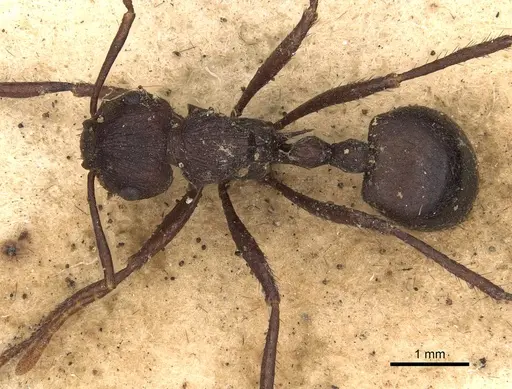
Literatura
A carregar mapa de distribuição...A carregar produtos...