
Myrmica siciliana
- Nome cient.
- Myrmica siciliana
- Tribo
- Myrmicini
- Subfamília
- Myrmicinae
- Autor
- Radchenko <i>et al.</i>, 2006
- Distribuição
- Encontrado em 1 países
Introdução
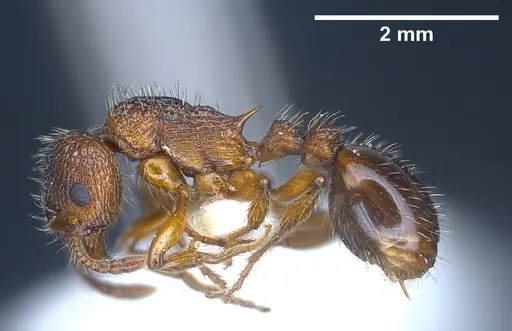
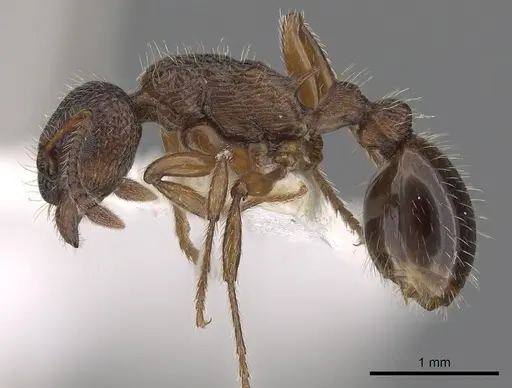
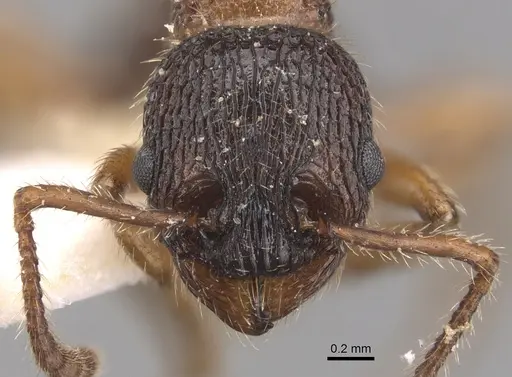
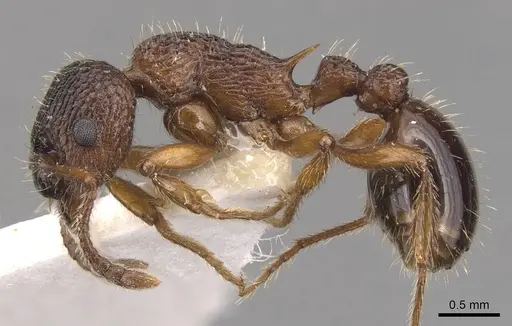
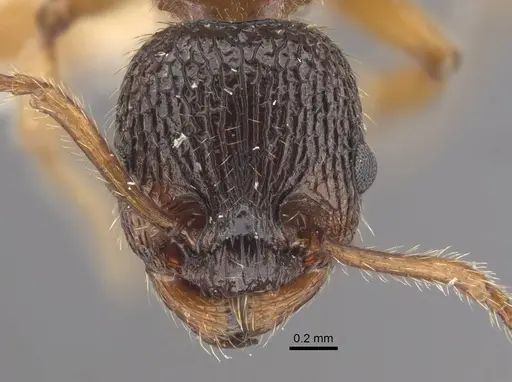
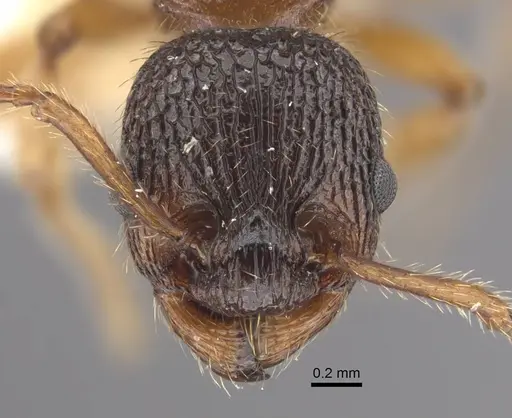
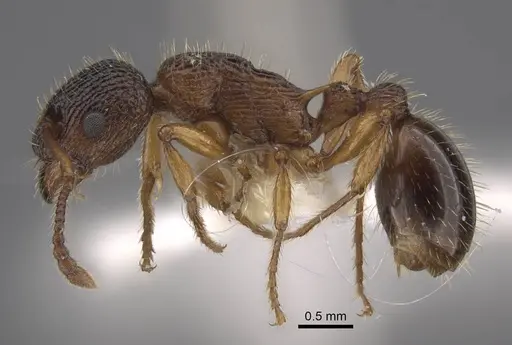
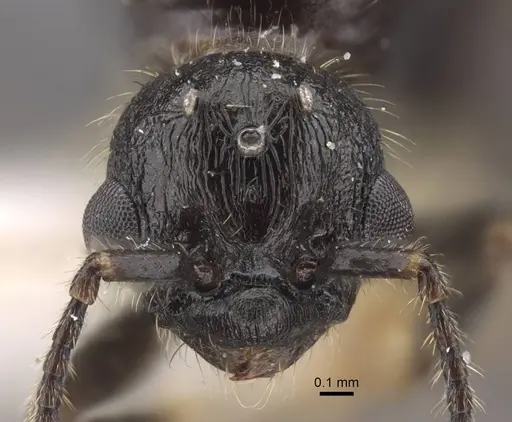
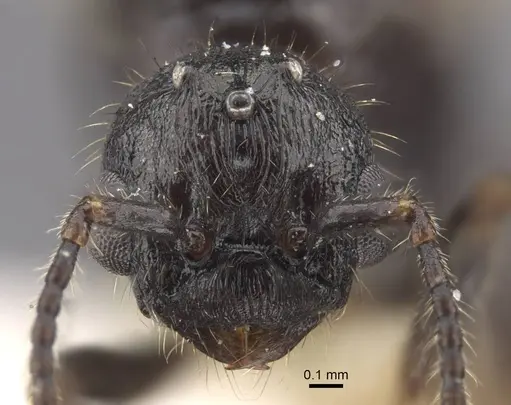
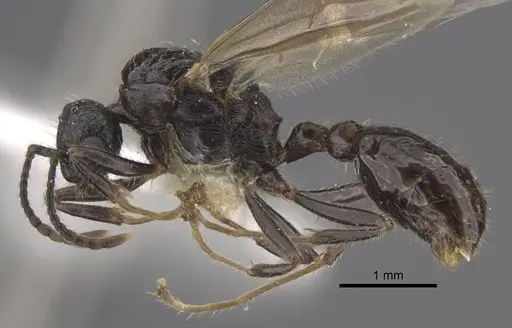
Myrmica siciliana is a small reddish-brown ant endemic to the high mountains of Sicily, specifically the Nebrodi, Etna, and Madonie regions . Workers have the characteristic Myrmica appearance with a rounded head, bent scape, and propodeal spines, but can be distinguished by their distinctly wide frons and less-extended frontal lobes compared to other schencki-group species . Queens are similar but larger with coarser body sculpture, while males are dark brown to black with lighter appendages. This species lives only at altitudes above 1500m in the Sicilian mountains, making it a cool-climate species adapted to damp, grazed grassland habitats. It nests in the soil in open grassy areas or bare patches in beech woods, often on the drier margins of ponds . Nuptial flights were observed in late August (August 28,2005) .
Quick Summary
- Difficulty: Medium
- Origin & Habitat: Endemic to the high mountains of northeast Sicily (Nebrodi, Etna, Madonie) at altitudes above 1500m. Nests in open grazed grassland, damp margins of ponds, and bare patches in beech woods [3][1][2].
- Colony Type: Likely monogyne (single queen) based on typical Myrmica patterns, though not directly studied for this species.
- Size & Growth:
- Queen: Estimated 7–9 mm (inferred from related schencki-group species) [3]
- Worker: Estimated 4–6 mm (inferred from related schencki-group species) [3]
- Colony: Not documented, inferred from related Myrmica species – expect up to several hundred workers under good conditions.
- Growth: Moderate
- Development: Estimated 6–10 weeks (based on related Myrmica species) [3] (No direct observations for this species, development time depends on temperature. Cool conditions (around 20°C) likely slow development compared to warmer-climate Myrmica.)
- Antkeeping:
- Temperature: Keep cool – aim for 18–22°C. This is a high-altitude Sicilian species that prefers cooler conditions than most Mediterranean ants. Room temperature is usually suitable, avoid heated formicariums. Prolonged temperatures above 25°C may harm the colony [3].
- Humidity: Prefers damp conditions. Keep nest substrate consistently moist but not waterlogged. They naturally live on the drier margins of ponds and areas temporarily flooded after rain, so a moisture gradient (one damp area, one drier area) works well [3].
- Diapause: Likely requires winter hibernation (2–3 months at 5–10°C) based on its high-altitude temperate origin. Not experimentally confirmed, but considered essential for colony health and reproduction [3].
- Nesting: Soil-nesting species. In captivity, a test tube setup works well for founding colonies. For established colonies, a plaster or Y‑tong nest with moist substrate is appropriate. Avoid dry heated nests – the nest should remain cool [3].
- Behavior: Generally non-aggressive and shy. Like other Myrmica, they are most active during early morning and early evening hours in the wild, avoiding midday heat and competition [3]. Workers forage for small insects and honeydew. They have a functional stinger but the sting is mild and rarely used against humans. Escape risk is moderate – standard test tube barriers or Fluon on smooth surfaces are usually sufficient.
- Common Issues: overheating: cool-loving ants can decline or die if kept above 25°C for long., mold in damp nests: ensure good ventilation and remove uneaten prey promptly., unknown founding behavior: queens may fail to start colonies if kept at wrong conditions – patience and minimal disturbance are key., hibernation uncertainty: if not hibernated, colony may fail to reproduce or show weak growth over years.
Housing and Nest Setup
Myrmica siciliana is a soil-nesting species that requires damp conditions. For founding colonies, a standard test tube setup works well – fill the tube about one-third with water, plug the wet end with cotton, and connect it to a small outworld. Keep the tube horizontal and dark so the queen can settle. For established colonies, a plaster or Y‑tong nest with chambers for moisture works better – keep the substrate consistently moist but not waterlogged. Because they come from high altitudes, avoid heated nests, room temperature is ideal. Provide a water source in the outworld and mist occasionally. Use Fluon on the outworld walls to prevent escapes – these ants can climb smooth surfaces [3].
Feeding and Diet
Like other Myrmica species, Myrmica siciliana is omnivorous with a preference for protein. Feed small insects like fruit flies, pinhead crickets, or small mealworms twice a week. They also readily accept sugar sources – offer a drop of sugar water or honey diluted with water. In the wild, they forage for honeydew from aphids and small invertebrates, particularly during early morning and evening hours [3]. Remove uneaten prey after 24–48 hours to prevent mold. A constant supply of sugar water is recommended once workers are established.
Temperature and Seasonal Care
This is the most critical aspect of keeping Myrmica siciliana. As a high-altitude Sicilian endemic, they prefer cool conditions – aim for 18–22°C. They do poorly in warm conditions and may decline or abandon brood if temperatures exceed 25°C. Room temperature is usually suitable. During winter, provide a hibernation period of 2–3 months at 5–10°C. This can be done by moving the colony to an unheated garage, basement, or refrigerator (not freezer). Reduce feeding before hibernation and keep the nest slightly drier during this period. Do not freeze – temperatures below 0°C will kill the colony [3].
Colony Development
Colony development for Myrmica siciliana is not well studied, but based on related Myrmica species, you can expect a moderate pace. The queen likely lays eggs in a dark chamber (details of founding behavior are unconfirmed). After 6–10 weeks at around 20°C, the first workers (nanitics) should emerge. These will be smaller than normal workers and will take over foraging and colony maintenance. Growth is slower than tropical species – be patient. Colony size likely reaches several hundred workers over 2–3 years under good conditions. Keep the nest dark and undisturbed during the founding stage [3].
Behavior and Observation
Myrmica siciliana workers are active but not aggressive. They show characteristic Myrmica thanatosis (feigning death) when disturbed – curling up and remaining still. They forage primarily during cooler parts of the day (early morning and evening in the wild) [3]. Workers communicate using chemical trails and may recruit nestmates to food sources. Unlike some Myrmica species, they do not build obvious above-ground nest structures, they are true soil nesters. In the wild, this species faces significant competition from other ants (Myrmica sabuleti, Tetramorium, Lasius, Formica, and Aphaenogaster species) [3], which likely contributes to their restricted distribution.
Frequently Asked Questions
How long does it take for Myrmica siciliana to produce first workers?
Based on related Myrmica species, expect 6–10 weeks from egg to first worker at around 20°C. No direct data exists for this species, so treat this as a rough estimate [3].
What temperature should I keep Myrmica siciliana at?
Keep them cool at 18–22°C. This is a high-altitude species that does poorly in warmth. Room temperature is usually ideal – avoid heated formicariums [3].
Do Myrmica siciliana ants need hibernation?
Yes, likely a 2–3 month period at 5–10°C during winter. This is inferred from their temperate high-altitude origin and is considered essential for colony health, though not experimentally confirmed [3].
What do Myrmica siciliana eat?
Feed small insects (fruit flies, pinhead crickets, small mealworms) twice a week. They also accept sugar water or honey. Remove uneaten prey after 24–48 hours [3].
Can I keep multiple Myrmica siciliana queens together?
Not recommended. This species is likely monogyne (single queen) based on typical Myrmica patterns. Combining queens has not been documented and would probably result in fighting [3].
How big do Myrmica siciliana colonies get?
Colony size is not documented for this species. Based on related Myrmica species, you can expect up to several hundred workers over 2–3 years [3].
Do Myrmica siciliana ants sting?
Yes, they have a functional stinger but rarely use it against humans. The sting is mild and not medically significant for healthy adults [3].
Is Myrmica siciliana good for beginners?
Moderate difficulty. Their cool temperature requirements are specific but manageable. The main challenges are maintaining proper humidity and providing a correct hibernation. Not recommended for absolute beginners [3].
Report an Issue
The current care sheet is based fully on literature. See inconsistencies, or something that's incorrect? Please , it will be resolved after review from an admin. Contributing to the blogs tab also helps providing information, to make us be able to further improve the caresheets. Thank you for your support!
References

Esta ficha de cuidados é licenciada sob CC BY-SA 4.0 .
Blogs da comunidade
ANTWEB1041284
Ver no AntWeb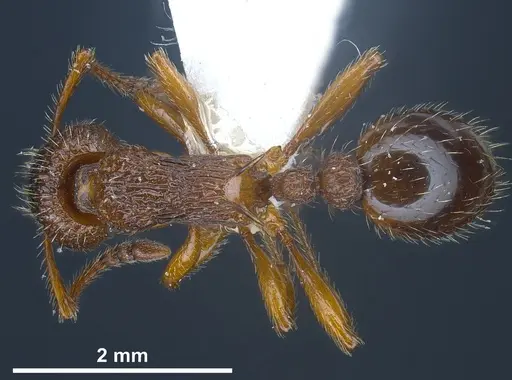
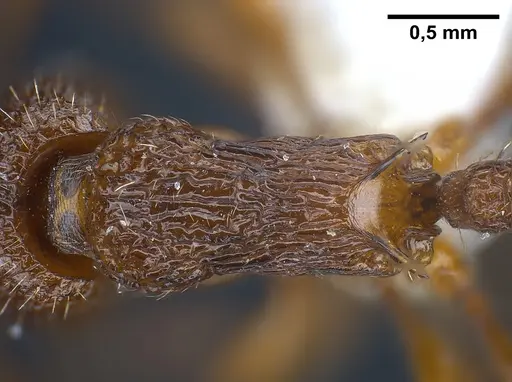
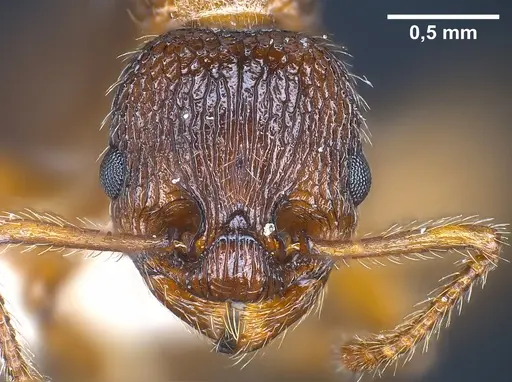
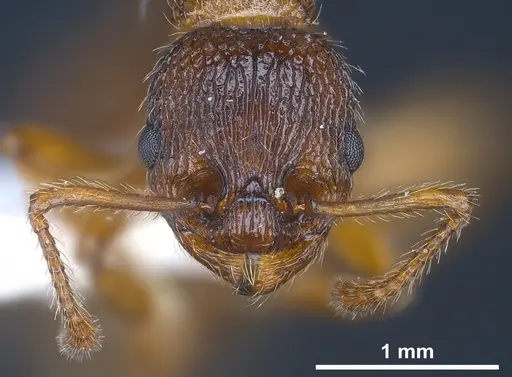
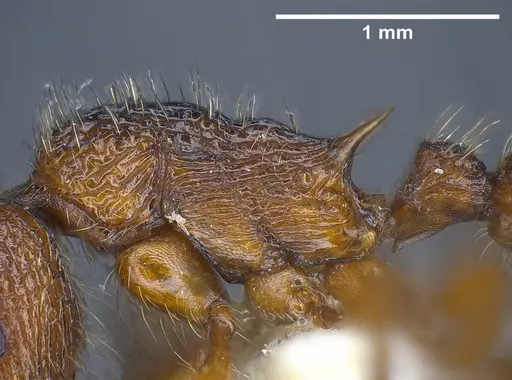
CASENT0900342
Ver no AntWeb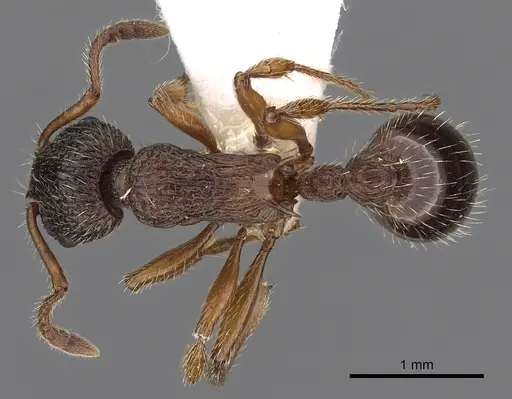
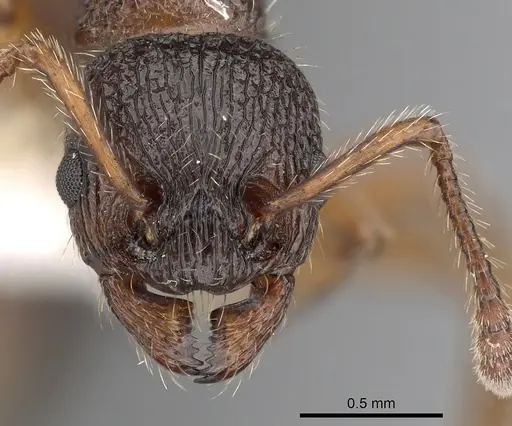
CASENT0904553
Ver no AntWeb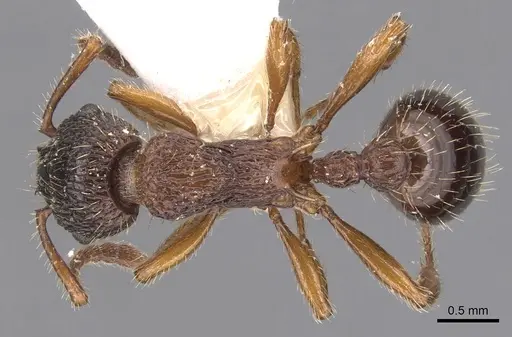
CASENT0917503
Ver no AntWeb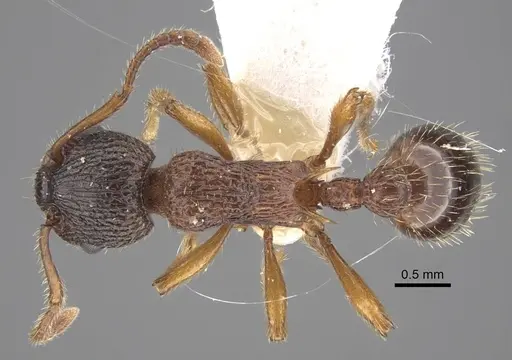
CASENT0917504
Ver no AntWeb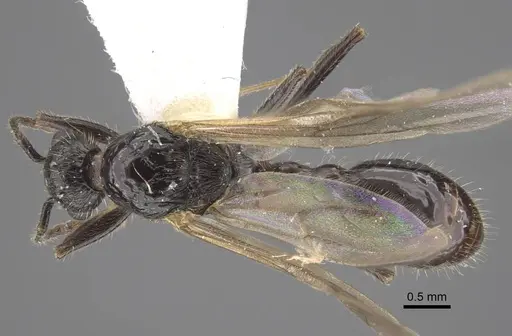
Literatura
A carregar mapa de distribuição...A carregar produtos...