
Monomorium tumaire
- Nome cient.
- Monomorium tumaire
- Tribo
- Solenopsidini
- Subfamília
- Myrmicinae
- Autor
- Collingwood & Agosti, 1996
- Distribuição
- Encontrado em 0 países
Introdução
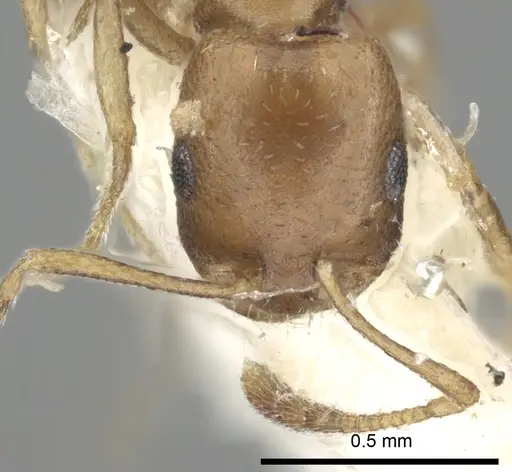
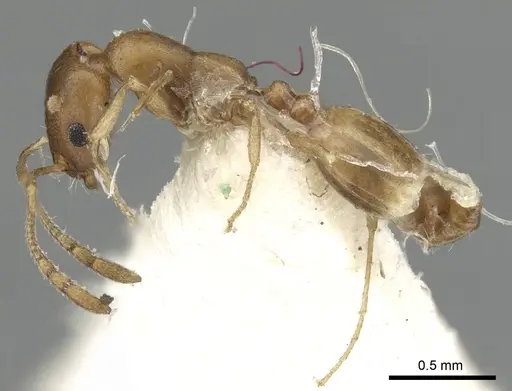
Monomorium tumaire is a tiny ant species endemic to the Arabian Peninsula, found in Saudi Arabia, Oman, United Arab Emirates, and Qatar . Workers measure approximately 2.56 mm in total length, making them one of the smaller ant species . The species is distinguished by projecting occipital hairs and long ventral head hairs, separating it from similar species . This ant belongs to the Myrmicinae subfamily and Solenopsidini tribe. Little is known about its biology in the wild, including colony structure or specific care requirements.
Quick Summary
- Difficulty: Unknown
- Origin & Habitat: Endemic to the Arabian Peninsula, Saudi Arabia, Oman, UAE, and Qatar [1][2]. Found in arid to semi-arid environments.
- Colony Type: Unknown, colony structure has not been documented in scientific literature
- Size & Growth:
- Antkeeping:
- Temperature: Likely warm conditions based on origin, but no specific data. Start around 25-30°C and observe colony activity.
- Humidity: Likely dry to moderate conditions. Provide a humidity gradient with mostly dry nest and a small moist area.
- Diapause: Unknown, minimal diapause likely due to warm origin
- Nesting: Likely prefers small nests like test tubes or Y-tong with minimal moisture requirements.
- Behavior: Behavior is undocumented. Based on genus patterns, likely relatively peaceful. This species has a sting, as typical for Myrmicinae ants in the Solenopsidini tribe, but no specific data on aggression or defense behavior.
- Common Issues: escape risk due to very small size, use fine mesh barriers., mold growth from overfeeding or excessive moisture., temperature stress if conditions are too hot or cold., colony failure due to unknown requirements and experimental care.
Appearance and Identification
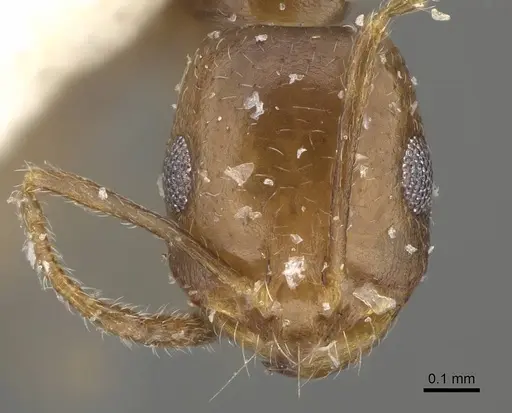
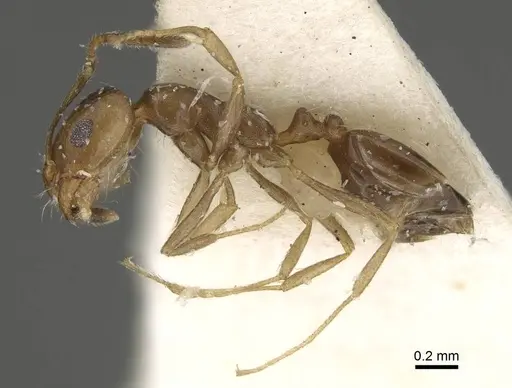
Monomorium tumaire workers are tiny, measuring about 2.56 mm in total length. They are light brown to yellow-brown in color. Key identification features include two pairs of projecting occipital hairs at the back of the head and 12-16 long hairs on the underside of the head, with some hairs longer than the maximum eye length. The propodeal furrow is distinct, and the gaster has 12-16 suberect hairs on the first segment. These ants are similar to Monomorium abeillei but can be distinguished by the projecting occipital hairs and longer ventral head hairs [3].
Distribution and Natural Habitat
Monomorium tumaire is endemic to the Arabian Peninsula, recorded from Saudi Arabia, Oman, United Arab Emirates, and Qatar [1][2]. The type locality is Wadi Tumair in Saudi Arabia, and it has been recorded in UAE from Ras Ghanada [4]. No recent specimens have been collected in UAE [4]. The species is adapted to arid to semi-arid environments, likely nesting in soil or under stones.
Housing and Nest Setup
Due to their very small size, escape prevention is critical. Use test tubes with cotton stoppers, Y-tong nests, or small formicariums with narrow chambers. Provide a humidity gradient by keeping part of the nest moist and part dry, allowing ants to choose their preferred microclimate. A small water test tube connected to the nest can help maintain moisture. For the outworld, use a container with smooth walls and fine mesh barriers to prevent escapes.
Feeding and Diet
The specific diet is undocumented. Based on typical Monomorium genus behavior, these ants are likely omnivorous. Offer sugar sources like honey water and protein sources like small insects (e.g., fruit flies). Feed protein every few days and remove uneaten food promptly to prevent mold. Start with small amounts and observe what the colony accepts.
Temperature and Seasonal Care
No specific thermal data exists. Based on the warm origin, aim for temperatures around 25-30°C. Use a heating cable or mat if room temperature is below 25°C, placing it on top of the nest for gentle warmth. Diapause requirements are unknown, but minimal to no winter rest is likely due to the warm climate. Monitor colony activity and provide a temperature gradient.
Colony Development and Growth
No data exists on development timeline. Based on typical Myrmicinae patterns, egg to worker development may take several weeks at warm temperatures. Queens have not been documented, so founding behavior is unconfirmed. Colony growth is expected to be slow, with no data on maximum size. Be patient and avoid overfeeding to prevent mold.
Behavior and Temperament
Behavior is undocumented. Based on genus patterns, these ants are likely peaceful and forage individually or in small groups. They have a sting typical of Myrmicinae ants, but no specific data on aggression. Escape risk is high due to their small size, so use excellent prevention measures. Do not combine with other colonies due to unknown interactions.
Frequently Asked Questions
How long does it take for Monomorium tumaire to produce first workers?
The exact timeline is unknown. Based on typical Myrmicinae development, it may take several weeks at warm temperatures, but no specific data exists for this species.
What do Monomorium tumaire ants eat?
Their specific diet is undocumented. Offer sugar water and small protein sources like fruit flies, and observe what the colony accepts.
What temperature do Monomorium tumaire ants need?
No specific data exists. Based on their Arabian origin, aim for warm conditions around 25-30°C and provide a temperature gradient.
Are Monomorium tumaire ants good for beginners?
Difficulty is unknown due to lack of documented care. They may be experimental, so beginners should consider species with more established care requirements.
How big do Monomorium tumaire colonies get?
Colony size is unknown, no data exists on maximum size.
What humidity level do Monomorium tumaire ants need?
Exact requirements are unknown. Based on origin, likely dry to moderate conditions. Provide a humidity gradient with mostly dry nest and a small moist area.
Can I keep multiple Monomorium tumaire queens together?
Colony structure is unconfirmed. Do not attempt to combine queens without evidence they can coexist. Keep foundress queens alone until workers emerge.
When will nuptial flights occur for Monomorium tumaire?
Nuptial flight timing is undocumented. Based on warm origin, flights may occur during warm months. Do not release alates to prevent invasive spread.
Why are my Monomorium tumaire ants dying?
Common issues include escape, mold from overfeeding, temperature stress, or unknown requirements. Review conditions and adjust gradually.
Do Monomorium tumaire ants need hibernation?
Diapause requirements are unknown. Minimal to no hibernation is likely due to warm origin. Monitor activity and avoid forcing rest.
What is the best nest type for Monomorium tumaire?
Use small-scale nests like test tubes or Y-tong with narrow chambers. Provide a humidity gradient and escape prevention.
Report an Issue
The current care sheet is based fully on literature. See inconsistencies, or something that's incorrect? Please , it will be resolved after review from an admin. Contributing to the blogs tab also helps providing information, to make us be able to further improve the caresheets. Thank you for your support!
References

Esta ficha de cuidados é licenciada sob CC BY-SA 4.0 .
Blogs da comunidade
CASENT0249856
Ver no AntWeb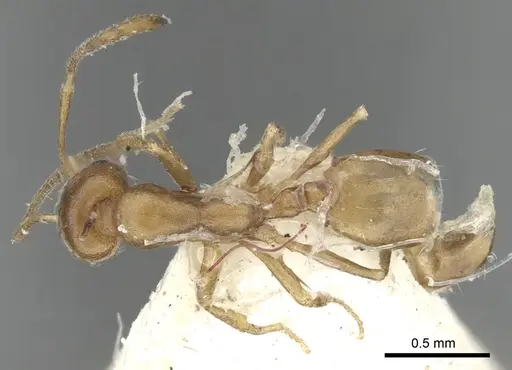
CASENT0922347
Ver no AntWeb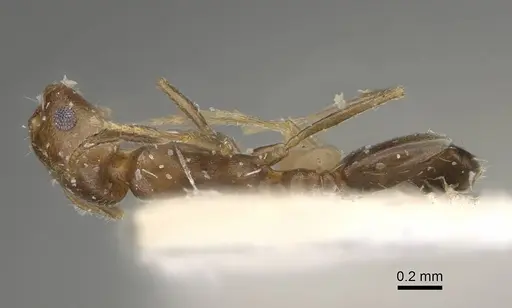
Literatura
A carregar mapa de distribuição...A carregar produtos...