
Monomorium leda
- Nome cient.
- Monomorium leda
- Tribo
- Solenopsidini
- Subfamília
- Myrmicinae
- Autor
- Forel, 1915
- Distribuição
- Encontrado em 0 países
Introdução
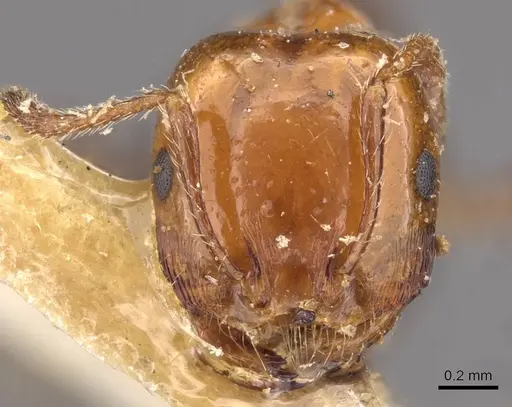
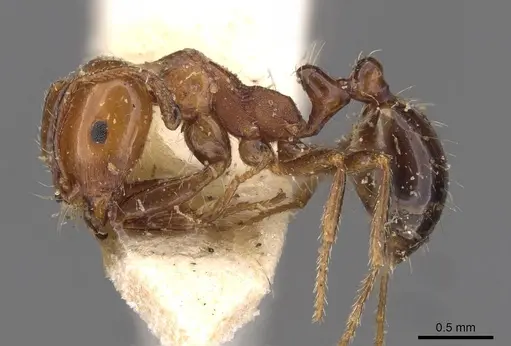
Monomorium leda is a small ant species belonging to the Monomorium rothsteini species group. Workers display an amber orange to orange-brown coloration, with the head, mesosoma, and legs being the lightest while the metasomal tergites range from light to dark brown . The species has distinctive features including small eyes, a deeply concave anterodorsal margin of the clypeus, and a mostly smooth mesosoma lacking dorsal sculpture except posteriorly . This species is known only from the Kimberley region of northern Western Australia, though the exact locality remains unknown due to limited collection data . This species has a complex taxonomic history - it was previously considered a variety of Monomorium rothsteini before being elevated to species status. Researchers note that specimens from Queensland represent a different, undescribed species, meaning the current species concept is based on the population with the majority of type material from the Kimberley district .
Quick Summary
- Difficulty: Medium
- Origin & Habitat: Kimberley region of northern Western Australia, a tropical to semi-arid area known for its rugged landscape and monsoonal climate patterns [1]. The exact habitat type is unknown.
- Colony Type: Colony structure is unconfirmed. Based on typical Monomorium patterns, likely single-queen (monogyne) colonies, though this has not been directly documented for this species.
- Size & Growth:
- Queen: Size data unavailable, no documented queen measurements for this species.
- Worker: Small ants, approximately 3-4mm, inferred from Monomorium genus patterns [1].
- Colony: Unknown for this specific species.
- Growth: Unknown, likely moderate based on genus patterns.
- Development: Estimated 6-8 weeks at optimal temperature based on typical Monomorium development patterns. (This is an estimate, no specific development data exists for M. leda. Temperature will significantly impact development speed.)
- Antkeeping:
- Temperature: Based on the tropical to semi-arid climate of the Kimberley region, keep nest areas at 24-28°C. A slight gradient allowing cooler areas (around 22°C) is recommended so ants can self-regulate.
- Humidity: Moderate humidity of 50-70% is appropriate. The Kimberley region experiences both wet and dry seasons, so aim for consistently moist but not waterlogged substrate.
- Diapause: Unconfirmed for this species. The Kimberley region has a mild winter, so a reduced activity period during cooler months may be beneficial but is not strictly required.
- Nesting: No specific nesting data exists. Based on related Australian Monomorium species, they likely prefer soil-based nests or will accept test tubes with soil substrate.
- Behavior: Temperament is unconfirmed, but most Monomorium species are relatively peaceful and not particularly aggressive. They are small ants with a moderate escape risk due to their tiny size, excellent escape prevention with fine mesh or Fluon barriers is essential.
- Common Issues: very small size means escapes are likely without fine mesh barriers, limited biological data makes specific care requirements uncertain, be prepared to adjust based on colony behavior, wild-caught colonies may carry parasites or pathogens that can cause colony failure, slow colony growth may lead to impatience and overfeeding, which causes mold problems, test tube setups require careful water management to prevent flooding
Housing and Nest Setup
Given the limited specific data for M. leda, housing recommendations must be based on what works for related Monomorium species. Test tube setups work well for founding colonies, use a standard test tube with a water reservoir separated by a cotton plug, providing a humidity gradient within the tube. For established colonies, acrylic nests with soil or plaster substrates are excellent choices as they allow for moisture retention while providing dark chambers for the colony. Naturalistic setups with a soil layer and decorative elements also work well if you prefer a more visual setup. Regardless of nest type, ensure excellent escape prevention, these are tiny ants that can squeeze through surprisingly small gaps. Apply Fluon or similar barrier products to all edges and use fine mesh on any ventilation holes. [1]
Feeding and Diet
The specific diet of M. leda has not been documented, but Monomorium species are typically omnivorous with a preference for sugar sources and small protein items. Offer sugar water (1:1 ratio with water) or diluted honey as a constant energy source. For protein, small live prey such as fruit flies, pinhead crickets, or mealworm pieces work well. You can also offer commercial ant foods designed for small species. Feed small amounts every 2-3 days and remove any uneaten food promptly to prevent mold.
Temperature and Seasonal Care
Monomorium leda comes from the Kimberley region of northern Western Australia, which experiences a tropical to semi-arid climate with warm temperatures year-round. Keep the nest area at 24-28°C for optimal colony activity and brood development. A heating cable on one side of the nest can create a temperature gradient, allowing workers to self-regulate by moving between warmer and cooler areas. During the cooler winter months, you may consider reducing temperatures to 18-22°C for a rest period, but this appears optional given the species' tropical origin. [1]
Handling and Temperament
Monomorium leda workers are small and relatively docile. They are not known for aggressive behavior or stinging, Myrmicinae ants in this genus do not pose a significant threat to keepers. However, their small size makes them excellent escape artists, so handling should be minimized and any colony transfers should be done carefully. When you need to move them, use gentle techniques such as connecting tubes or coaxing them with a brush rather than picking them up directly. Always work over a white tray or surface to spot any escaped workers. [1]
Colony Development and Growth
Specific development data for M. leda does not exist, so colony growth expectations must be estimated from related Monomorium species. A newly mated queen will found her colony claustrally, sealing herself in a chamber and using stored fat reserves to survive until her first workers emerge. This first brood typically takes 6-8 weeks under optimal warm conditions. Initial colonies grow slowly as the queen invests heavily in each brood. Once the first workers emerge, colony growth typically accelerates as more foragers are available to gather food. Patience is key, small Myrmicinae colonies take time to establish.
Common Problems and Solutions
The primary challenge with M. leda is the lack of species-specific biological data, you may need to adjust care based on how your colony responds. Watch for escape attempts and maintain barrier integrity constantly. Mold is a common issue with small colonies, avoid overfeeding and remove uneaten food promptly. If mold appears, reduce feeding and improve ventilation. Test tube flooding can occur if the water reservoir is too large or the cotton is too loose, use appropriate tube sizes and secure cotton placement. Wild-caught colonies may carry parasites that cause colony decline, quarantine and observe new colonies before introducing them to established setups.
Frequently Asked Questions
How long does it take for Monomorium leda to have first workers?
The specific timeline is unconfirmed for this species, but based on typical Monomorium development, expect first workers to emerge 6-8 weeks after the queen lays her first eggs at optimal temperature (around 26°C).
What do Monomorium leda ants eat?
While not specifically documented for this species, Monomorium ants are omnivores. Offer sugar water or diluted honey as a constant energy source, and supplement with small protein sources like fruit flies, mini mealworms, or small cricket pieces. Remove uneaten food promptly to prevent mold.
Can I keep Monomorium leda in a test tube?
Yes, test tubes work excellently for founding colonies. Use a standard test tube with a water reservoir and cotton plug to create a humidity gradient. Ensure excellent escape prevention, these tiny ants can squeeze through very small gaps.
What temperature do Monomorium leda ants need?
Based on their origin in the tropical Kimberley region of northern Western Australia, keep nest areas at 24-28°C. A slight temperature gradient allowing cooler areas around 22°C is beneficial so ants can self-regulate.
Are Monomorium leda good for beginners?
This species presents moderate difficulty for beginners. The main challenges are their very small size (requiring excellent escape prevention), limited biological data meaning you may need to adjust care based on colony behavior, and potentially slow colony growth requiring patience.
How big do Monomorium leda colonies get?
Colony size is unconfirmed for this specific species. Based on related Monomorium species in Australia, a mature colony likely reaches several hundred workers over several years.
Do Monomorium leda need hibernation?
Hibernation requirements are unconfirmed. The Kimberley region has mild winters, so a strict diapause may not be necessary. However, a slight reduction in temperature during cooler months may benefit colony rest.
Why are my Monomorium leda escaping?
This species is very small and an excellent escape artist. Use fine mesh on all ventilation, apply Fluon or similar barriers to edges, and ensure all connections are secure.
When should I move my colony to a formicarium?
Move Monomorium leda from test tube to a formicarium when the colony reaches roughly 30-50 workers and the test tube is becoming crowded. This typically takes 1-2 years.
Report an Issue
The current care sheet is based fully on literature. See inconsistencies, or something that's incorrect? Please , it will be resolved after review from an admin. Contributing to the blogs tab also helps providing information, to make us be able to further improve the caresheets. Thank you for your support!
References

Esta ficha de cuidados é licenciada sob CC BY-SA 4.0 .
Blogs da comunidade
CASENT0908684
Ver no AntWeb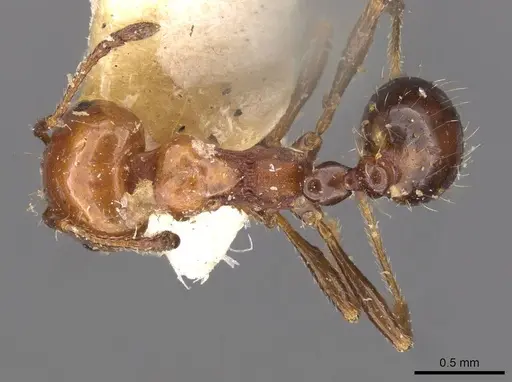
Literatura
A carregar mapa de distribuição...A carregar produtos...