
Messor niloticus
- Nome cient.
- Messor niloticus
- Tribo
- Stenammini
- Subfamília
- Myrmicinae
- Autor
- Santschi, 1938
- Distribuição
- Encontrado em 0 países
Introdução
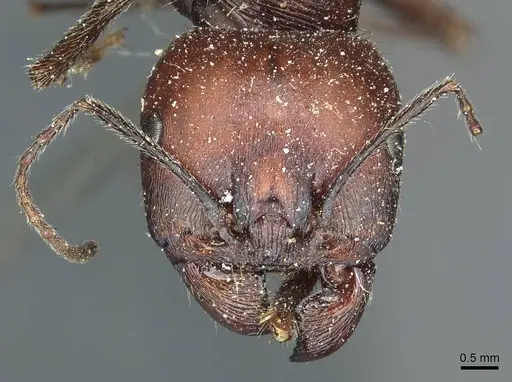
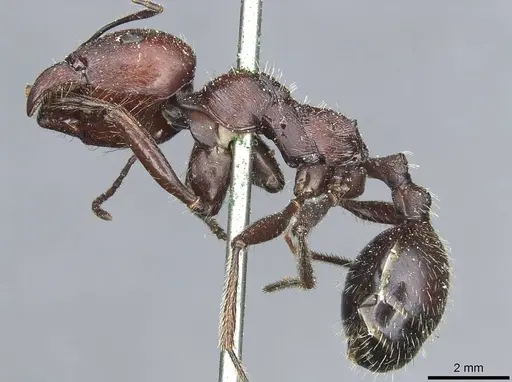
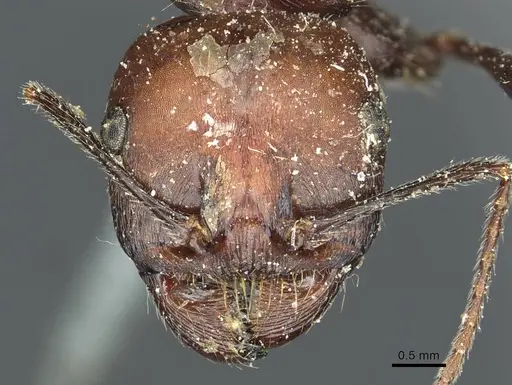
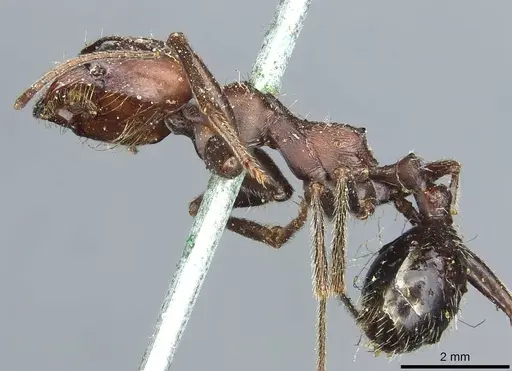
Messor niloticus is a medium-sized harvester ant native to Egypt in the Palaearctic region . Workers have a robust body shape typical of Messor species, with powerful mandibles for processing seeds. The species was described by Santschi in 1938 from specimens collected near Mariout, Egypt . As a desert-adapted harvester ant, Messor niloticus specializes in collecting and storing seeds, displaying complex seed-sorting behaviors in captivity. This makes them a practical choice for antkeepers interested in observing natural harvesting behaviors.
Quick Summary
- Difficulty: Easy
- Origin & Habitat: Egypt, arid desert and semi-desert regions of North Africa. They inhabit dry, open habitats with sparse vegetation where they can forage for seeds [1][2].
- Colony Type: Based on Messor genus patterns, likely monogyne with single queen colonies. Founding behavior is unconfirmed.
- Size & Growth:
- Queen: Size data unavailable, no specific total length measurements found in research.
- Worker: Size data unavailable, no specific total length measurements found in research.
- Colony: Up to several thousand workers in mature colonies, estimated from genus patterns.
- Growth: Moderate, typical for seed-harvesting ants.
- Development: Estimated 6-10 weeks at optimal temperature based on related Messor species [3]. (Development time is temperature-dependent, warmer conditions within safe range accelerate development.)
- Antkeeping:
- Temperature: Warm conditions preferred,22-28°C, inferred from desert adaptation [3].
- Humidity: Low to moderate, keep nest substrate dry with occasional misting to avoid mold [3].
- Diapause: Yes, a winter rest period of 2-3 months at 10-15°C is recommended based on genus patterns [3].
- Nesting: Test tubes work well for founding colonies. For established colonies, Y-tong nests with dry substrate are suitable. They prefer tight, enclosed chambers.
- Behavior: Generally peaceful and not aggressive toward keepers. Workers are active foragers that search for seeds. They have functional stingers but rarely use them, and their sting is mild. Standard barriers are effective due to their medium size.
- Common Issues: mold from overwatering, keep nesting area dry, colonies may fail if hibernation is not provided seasonally, slow founding phase can cause beginners to give up, queens can take months to produce first workers, wild-caught colonies may have parasites, quarantine and observe new colonies, seed supplies must be dry to prevent mold in the nest
Nest Preferences
In the wild, Messor niloticus nests in dry soil, often under stones or in open ground. For captivity, test tubes work for founding colonies. Once the colony reaches a reasonable size, you can move them to a small formicarium. Y-tong nests with dry substrate work well for established colonies. Keep nesting areas dry, these desert ants are prone to mold problems in damp conditions. A small water tube for drinking is appreciated but not required as they get most moisture from seeds [3].
Feeding and Diet
Messor niloticus is a seed harvester, this is their primary food source in the wild and should form the basis of their diet in captivity. Offer a variety of dry seeds: grass seeds, millet, flax, and specialized ant-friendly seed mixes work well. They will crack seeds open with their powerful mandibles and store them in granaries. Beyond seeds, they also accept small amounts of protein: dead insects, mealworms, or small pieces of chicken can be offered occasionally. Sugar water or honey is sometimes accepted but seeds should make up the majority of their diet. Remove uneaten seeds periodically to prevent mold. Fresh water should always be available [3].
Temperature and Seasonal Care
Being from Egypt, Messor niloticus prefers warm conditions. Keep the nest area at 22-28°C for optimal brood development. A heating cable placed on one side of the nest creates a temperature gradient that allows ants to regulate their own temperature. During winter, provide a diapause period of 2-3 months at 10-15°C to mimic natural seasonal cycles. This rest period helps maintain colony health. Reduce temperature gradually over 1-2 weeks to avoid shock [3].
Behavior and Colony Dynamics
Messor niloticus workers are active foragers that spend significant time searching for seeds. They display seed-sorting behaviors, separating seeds by size and type before storing them in dedicated granary chambers. Colonies are likely monogyne with a single queen that can live for many years. Workers are not aggressive and rarely sting, making them easy to handle. The colony will grow steadily over several years, with the queen producing workers continuously after the founding phase. Mature colonies can contain several thousand workers [3].
Frequently Asked Questions
How long does it take for Messor niloticus to produce first workers?
First workers typically appear 6-10 weeks after the queen lays eggs, depending on temperature. The founding phase can be slow, the queen may seal herself in and take several months before workers emerge. Be patient and avoid disturbing the founding chamber [3].
What do Messor niloticus eat?
Seeds form the bulk of their diet. Offer dry seeds like grass seed, millet, flax, or commercial ant seed mixes. They also accept small insects and occasional sugar water. Remove uneaten seeds regularly to prevent mold [3].
Do Messor niloticus ants sting?
They have stingers but rarely use them. Their sting is mild and not dangerous to healthy humans. These ants are considered peaceful and easy to handle [3].
Can I keep multiple Messor niloticus queens together?
This species is likely monogyne, so only one queen should be kept per colony. Introducing multiple unrelated queens may result in fighting [3].
What temperature is best for Messor niloticus?
Keep them warm at 22-28°C. They tolerate higher temperatures well due to their desert origin. A heating cable on part of the nest creates a gradient they can regulate themselves [3].
Do Messor niloticus need hibernation?
Yes, a winter diapause of 2-3 months at 10-15°C is recommended based on genus patterns. This mimics their natural seasonal cycle in Egypt and helps maintain colony health [3].
Are Messor niloticus good for beginners?
Yes, they are considered easy to keep. They are forgiving of minor care mistakes, don't require high humidity, and their seed-based diet is easy to maintain. The main challenge is patience during the slow founding phase [3].
When should I move Messor niloticus from a test tube to a formicarium?
Move them once the colony is crowded in the test tube. Make sure the new enclosure has appropriate-sized chambers and dry substrate. They prefer tight spaces over open areas [3].
How big do Messor niloticus colonies get?
Mature colonies can reach up to several thousand workers over several years. The queen can live for many years, making these long-lived colonies with consistent growth [3].
Why are my Messor niloticus dying?
Common causes include: overhumidity causing mold, disturbing the queen during founding, feeding moldy seeds, or skipping hibernation. Check that the nest is dry, seeds are fresh, and seasonal temperature cycles are provided [3].
Report an Issue
The current care sheet is based fully on literature. See inconsistencies, or something that's incorrect? Please , it will be resolved after review from an admin. Contributing to the blogs tab also helps providing information, to make us be able to further improve the caresheets. Thank you for your support!
References

Esta ficha de cuidados é licenciada sob CC BY-SA 4.0 .
Blogs da comunidade
CASENT0913206
Ver no AntWeb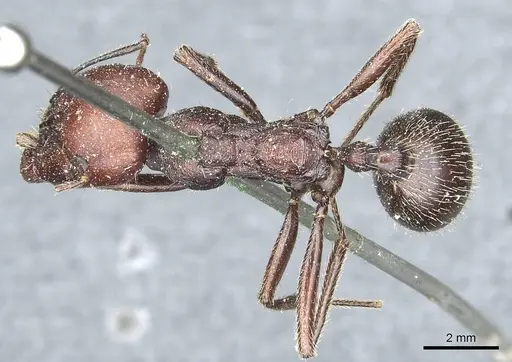
CASENT0913207
Ver no AntWeb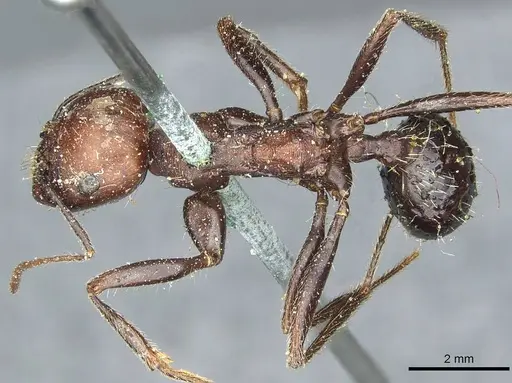
Literatura
A carregar mapa de distribuição...A carregar produtos...