
Messor ferreri
- Nome cient.
- Messor ferreri
- Tribo
- Stenammini
- Subfamília
- Myrmicinae
- Autor
- Collingwood, 1993
- Distribuição
- Encontrado em 0 países
Introdução
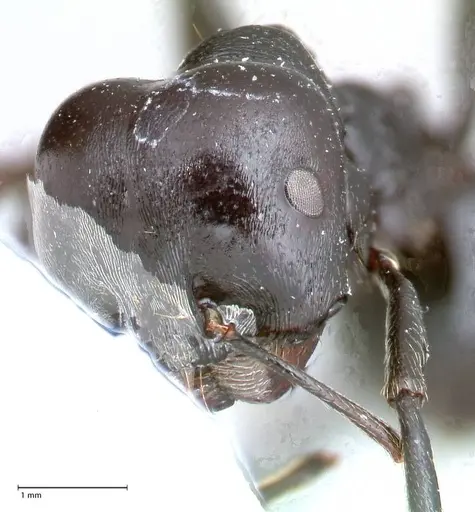
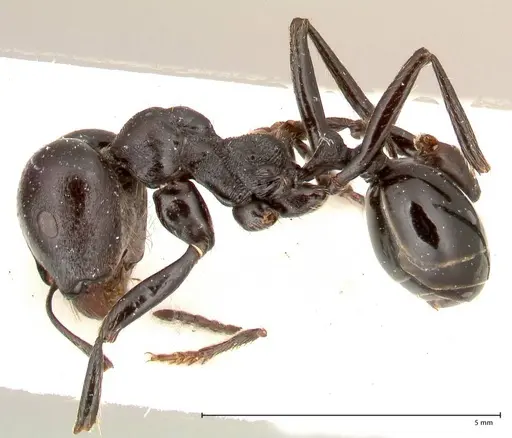
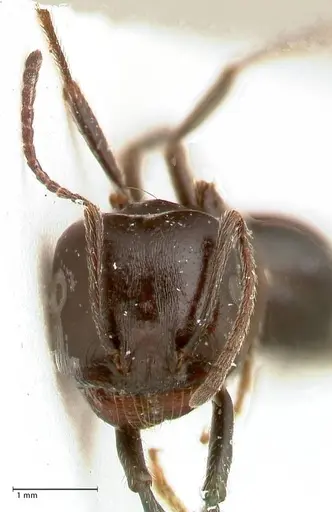
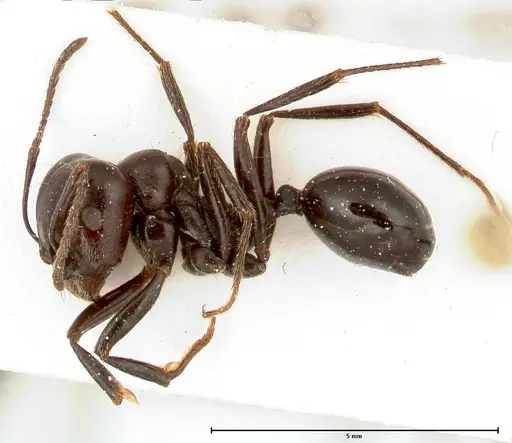
Messor ferreri is a large African harvester ant species native to the highlands of Kenya. Workers reach approximately 11.2mm in total length, making them one of the larger Messor species . They have the typical Messor head shape with a weakly indented clypeal border, and the entire body is black . This species was originally described from specimens collected on the eastern face of Mount Elgon at 2200 meters elevation . As a harvester ant, they collect and store seeds as their primary food source, using their specialized mandibles to crack open seed husks. The genus Messor is known for their granivorous diet and their ability to store seeds in underground chambers. What makes M. ferreri particularly interesting is their high-altitude origin. Unlike many African ants that prefer lowland tropical conditions, this species comes from the cool, montane forests of Mount Elgon. This likely means they prefer cooler temperatures than typical tropical ants and may have different seasonal activity patterns. They were discovered living alongside a specialized inquiline beetle (Cossyphodinus bremeri) that lives in their nest , showing this species can host other organisms.
Quick Summary
- Difficulty: Medium
- Origin & Habitat: Kenya, East face of Mount Elgon at 2200m elevation (Afrotropical region) [1]. Found under stones in highland habitat.
- Colony Type: Colony structure is unconfirmed. The genus Messor typically forms single-queen colonies, but specific data for M. ferreri is unavailable.
- Size & Growth:
- Queen: Size data unavailable, no dealate females have been described in scientific literature. Based on related large Messor species, queens likely reach 12-15mm.
- Worker: Approximately 11.2mm total length [1]. Major workers likely larger.
- Colony: Colony size is unconfirmed for this species. Based on related Messor species, colonies likely reach several thousand workers.
- Growth: Growth rate is unconfirmed. Seed-harvesting ants typically grow more slowly than predatory species due to their specialized diet.
- Development: Development time is unconfirmed for this species. Based on typical Messor patterns, expect 8-12 weeks, though this varies significantly with temperature. (Development time depends heavily on temperature. Warmer conditions within safe ranges accelerate development.)
- Antkeeping:
- Temperature: Based on their high-altitude origin (2200m on Mt. Elgon), they likely prefer cooler conditions than typical tropical ants. Keep around 20-24°C and avoid overheating. This is inferred from altitude data [1].
- Humidity: Moderate humidity typical of African highland species. Keep nest substrate moderately moist but allow some drying between waterings.
- Diapause: Diapause requirements are unconfirmed for this species. Based on their high-altitude origin (2200m), a winter rest period of 2-3 months at 10-15°C is recommended.
- Nesting: Naturalistic setups with soil or plaster work well. They were found under stones in the wild, so a naturalistic terrarium with a deep soil layer and flat stones on top mimics their natural nesting. Y-tong nests with narrow chambers are also suitable.
- Behavior: Behavior is unconfirmed for this specific species. Based on genus patterns, Messor ferreri is likely a calm harvester ant species. Workers are large and relatively slow-moving compared to smaller ants. As granivorous ants, they forage for seeds and store them in nest chambers. Escape risk is likely low to moderate due to their large size.
- Common Issues: slow growth can frustrate beginners, seed-harvesting ants naturally develop more slowly than predatory species, colonies may fail if kept too warm, their high-altitude origin suggests they prefer cooler conditions, seed storage requires space, ensure the nest has adequate chamber size for seed caches, wild-caught colonies may have parasites, quarantine and observe new colonies carefully, overfeeding can lead to mold in seed storage areas, remove uneaten seeds promptly, this species has very limited scientific documentation, much of care advice is based on genus patterns rather than species-specific research
Housing and Nest Setup
Messor ferreri does well in naturalistic setups that mimic their natural under-stone nesting habitat. A terrarium with a deep soil layer (at least 5-10cm) allows them to create seed storage chambers. Place flat stones or pieces of bark on the soil surface to provide natural nesting sites they can excavate under. Alternatively, Y-tong nests with appropriately sized chambers work well for this large species. The chambers should be spacious enough to accommodate seed caches. Because they collect seeds, avoid using materials that could contaminate their food stores. Test tube setups work for founding colonies but will need upgrading as the colony grows. Ensure the outworld (foraging area) is large enough for seed collection and processing. [1]
Feeding and Diet
As granivorous ants, Messor ferreri primarily eats seeds. They are specialized harvesters that collect seeds from the ground and store them in underground chambers. Offer a variety of small seeds such as grass seeds, bird seed mix, or commercially available ant seeds. Major workers have larger mandibles capable of cracking harder seed shells. They also supplement their diet with protein, offer small insects like fruit flies, small crickets, or mealworms occasionally. Some Messor species also accept sugar water or honey as an energy source, though seeds should form the bulk of their diet. Remove uneaten seeds periodically to prevent mold buildup in the nest. Fresh water should always be available.
Temperature and Seasonal Care
Based on their origin from 2200m elevation on Mount Elgon, Messor ferreri likely prefers cooler temperatures than typical lowland tropical ants. Keep the nest around 20-24°C during the active season. They may do well at room temperature in most homes. Avoid temperatures above 28°C as this could stress them. During winter, a diapause period of 2-3 months at 10-15°C is recommended, mimicking their natural high-altitude seasonal cycle. Reduce feeding during the cold period and allow the colony to slow down naturally. The cooler temperature preference distinguishes them from many other ant species kept in captivity, so monitor for signs of overheating in summer months. [1]
Colony Development and Growth
Messor ferreri colonies likely grow more slowly than many common ant species. Based on genus patterns, the claustral queen seals herself in a chamber and raises the first brood alone, living off stored fat reserves until nanitic (first) workers emerge. These initial workers are typically smaller than mature workers. Growth rate depends on temperature and food availability, but expect the first workers to appear several months after the queen lays eggs. Seed-harvesting ants naturally develop more slowly than predatory species because their diet provides less protein per unit of food. Colonies may take 1-2 years to reach 100 workers. Be patient with founding colonies, overfeeding or disturbing the nest can cause queens to abandon or eat their brood. Once established, colonies can live for many years with the queen potentially surviving for a decade or more.
Behavior and Observation
Based on genus patterns, Messor ferreri is likely a calm, non-aggressive species that is enjoyable to observe. Workers are relatively slow-moving and spend considerable time collecting and processing seeds. You may observe them carrying seeds back to the nest, cracking seed shells with their mandibles, and storing seeds in designated chambers. Major workers with larger heads often take on the task of seed processing while minor workers handle brood care and nest maintenance. They are not known for escaping like some tiny ant species, but they are strong climbers. Standard barrier methods like Fluon or petroleum jelly on container rims work well. When the colony is disturbed, workers may briefly become agitated but typically calm quickly. They are likely diurnal and most active during the day.
Frequently Asked Questions
How long does it take for Messor ferreri to get first workers?
Expect first workers (nanitics) to emerge 2-4 months after the queen lays eggs, depending on temperature. This is slower than many ant species because seed-harvesting ants naturally develop more slowly. Based on genus patterns, the claustral queen seals herself in and raises the first brood alone.
What do Messor ferreri ants eat?
They are granivorous (seed-eating) ants. Offer a variety of small seeds like grass seeds, bird seed mix, or ant seeds. They also need protein from occasional insects like fruit flies or small mealworms. Seeds should make up the bulk of their diet.
Do Messor ferreri ants need hibernation?
Diapause requirements are unconfirmed for this specific species. Based on their high-altitude origin (2200m on Mt. Elgon), a winter rest period of 2-3 months at 10-15°C is recommended to mimic their natural seasonal cycle.
Are Messor ferreri good for beginners?
They are intermediate difficulty. The main challenges are their slower growth rate (requiring patience) and their specific temperature needs (preferring cooler conditions than typical tropical ants). They are calm and not aggressive, making them rewarding to watch once established.
What temperature do Messor ferreri need?
Keep them around 20-24°C during the active season. They prefer cooler conditions than typical tropical ants due to their high-altitude origin. Avoid temperatures above 28°C. Room temperature is often suitable.
How big do Messor ferreri colonies get?
Colony size is not documented for this specific species, but based on related Messor species, colonies likely reach several thousand workers. They can live for many years with the queen potentially surviving over a decade.
Can I keep multiple Messor ferreri queens together?
Colony structure is unconfirmed for this species. The genus Messor typically forms single-queen colonies, but multiple unrelated queens will typically fight. Only keep one queen per colony unless you observe peaceful cohabitation.
When should I move Messor ferreri to a formicarium?
Keep founding colonies in a test tube setup until they have 20-30 workers. At that point, they can be moved to a larger nest like a Y-tong or naturalistic setup with soil. Ensure the nest has chambers large enough for seed storage.
Do Messor ferreri ants sting?
Messor ants have stingers but are not aggressive and rarely sting. Their large size and calm temperament means they pose minimal sting risk to keepers. They may bite if severely provoked, but this is uncommon.
Why is my Messor ferreri colony growing slowly?
Slow growth is normal for seed-harvesting ants. They naturally develop more slowly than predatory species. Ensure temperatures are not too warm (they prefer 20-24°C), and offer a varied diet with both seeds and protein. Avoid disturbing the nest frequently.
Report an Issue
The current care sheet is based fully on literature. See inconsistencies, or something that's incorrect? Please , it will be resolved after review from an admin. Contributing to the blogs tab also helps providing information, to make us be able to further improve the caresheets. Thank you for your support!
References

Esta ficha de cuidados é licenciada sob CC BY-SA 4.0 .
Blogs da comunidade
FOCOL0630
Ver no AntWeb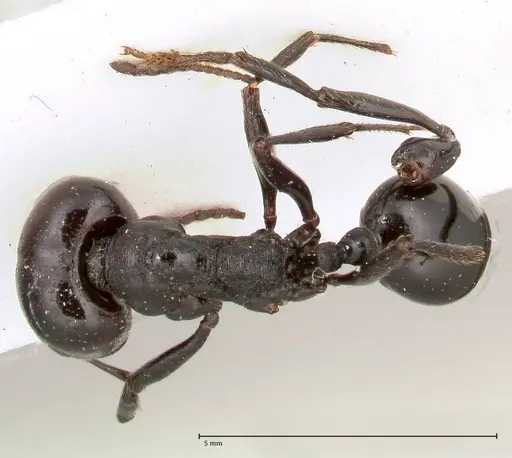
FOCOL0631
Ver no AntWeb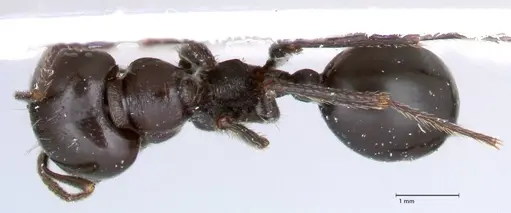
Literatura
A carregar mapa de distribuição...A carregar produtos...