
Messor clivorum
- Nome cient.
- Messor clivorum
- Tribo
- Stenammini
- Subfamília
- Myrmicinae
- Autor
- Ruzsky, 1905
- Distribuição
- Encontrado em 0 países
Introdução
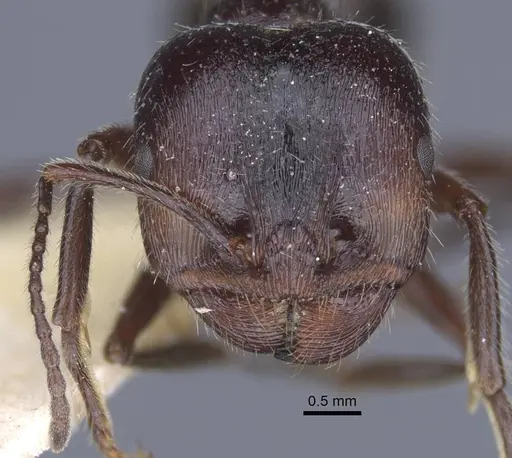
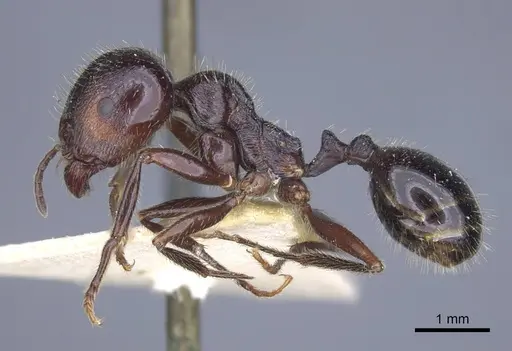
Messor clivorum is a seed-harvesting ant species found across the Palaearctic region, from Eastern Europe through Central Asia to Western China. Workers are polymorphic, meaning they come in different sizes - a common trait in the Messor genus. These ants have the characteristic heavy, angular heads typical of harvester ants, adapted for carrying and processing seeds. The head is darker brown with fine network-like sculpture near the occipital corners, and the frontal lobes are brown . They inhabit steppe, semi-desert, and desert zones, often nesting on mountain slopes and in valleys . As harvesters, they collect and store seeds as their primary food source.
Quick Summary
- Difficulty: Easy
- Origin & Habitat: Native to the Palaearctic region including Moldova, Russia, Ukraine, Turkey, Kyrgyzstan, and Western China (Xinjiang). Found in steppe, semi-desert, and desert zones, typically nesting on mountain slopes and in valleys [1][2][3].
- Colony Type: Colony structure is not documented in scientific literature for this species. Based on typical Messor patterns, likely single-queen colonies.
- Size & Growth:
- Queen: Size data unavailable for this species, typical Messor queens range 7-12mm
- Worker: Polymorphic, workers vary in size, typical Messor workers range 3-12mm
- Colony: Maximum colony size is unconfirmed for this species
- Growth: Moderate
- Development: Unconfirmed for this species, based on related Messor species, estimate 6-10 weeks at optimal temperature (Development time is not directly studied for this species.)
- Antkeeping:
- Temperature: Keep at room temperature around 20-25°C. Based on their steppe and semi-desert habitat, they prefer warm, stable conditions
- Humidity: Low to moderate, these ants come from dry to semi-arid regions. Keep nesting area relatively dry with minimal moisture, similar to their natural steppe and desert habitat
- Diapause: Likely yes, as a temperate species from regions with cold winters, they probably need a winter rest period. Provide 2-3 months at 10-15°C during winter
- Nesting: Messor ants do well in dry to semi-dry nests. Y-tong (AAC), plaster, or test tube setups work well. They prefer compact chambers and will create seed storage areas. Avoid overly humid conditions.
- Behavior: Generally peaceful and not aggressive toward keepers. As harvesters, they are active foragers who collect seeds and bring them back to the nest. Workers are diligent and will spend time processing and storing seeds. They are not known for being escape artists, but use standard barrier precautions. Their main defense is a chemical spray rather than stinging.
- Common Issues: dry conditions are essential, they come from arid habitats and will struggle in humid nests, seed storage can attract mold if the nest is too moist, keep nesting area dry, winter diapause is likely required for long-term colony health, skipping hibernation may cause problems, slow founding phase, queens can take months before first workers emerge, wild-caught colonies may have parasites or diseases that affect survival in captivity
Nest Preferences and Housing
Messor clivorum does well in relatively dry nest setups. Y-tong (AAC) nests or plaster nests work well for this species. They prefer chambers that are not too large, compact spaces help them feel secure. Because they are seed harvesters, they will create storage chambers within the nest for their seed collections. Test tube setups can work for founding colonies, but you may need to move them to a proper formicarium once the colony grows. Avoid overly humid conditions, these ants come from steppe and semi-desert habitats and prefer dry to moderately dry nesting areas. Provide a water tube for drinking but keep the nest itself dry.
Feeding and Diet
As seed-harvesting ants, Messor clivorum's primary food is seeds. They collect, process, and store seeds in their nest, behavior that is fascinating to watch. Offer a variety of seeds including grass seeds, millet, sunflower seeds (cracked open), and commercial ant seed mixes. They will also accept protein sources like small insects (fruit flies, small crickets, mealworms). Sugar water or honey can be offered occasionally but is not a primary food source for this granivorous species. Remove uneaten seeds periodically to prevent mold. Fresh water should always be available.
Temperature and Seasonal Care
Keep your colony at room temperature, ideally around 20-25°C. These ants come from temperate to subtropical regions across the Palaearctic, so they can handle typical indoor temperatures. During the summer active season, room temperature is usually sufficient. For winter, provide a diapause period of 2-3 months at 10-15°C. This mimics their natural seasonal cycle in the wild. Place the colony in a cool location like a basement or garage during winter dormancy. Do not feed during diapause but ensure water is available. Resume normal feeding and temperatures when the hibernation period ends.
Behavior and Colony Dynamics
Messor clivorum is a calm, non-aggressive species that makes an excellent beginner ant. Workers are polymorphic, you will notice some are larger with bigger heads (major workers) while others are smaller (minor workers). The majors specialize in seed processing and defense, while minors handle foraging and brood care. They are foragers who actively search for seeds and bring them back to the nest. Unlike some ants, they do not typically sting, their main defense is a chemical spray. Colonies grow at a moderate pace. A founding queen may take several months before her first workers (nanitics) emerge, so patience is needed during the founding phase.
Frequently Asked Questions
What do Messor clivorum ants eat?
They are seed-harvesting ants. Their primary food is seeds, offer grass seeds, millet, cracked sunflower seeds, or commercial ant seed mixes. They also accept small insects like fruit flies or small mealworms for protein. Occasional sugar water or honey can be offered but is not essential.
How long does it take for Messor clivorum to have first workers?
The exact timeline is unconfirmed for this species, but based on related Messor species, expect 6-10 weeks from egg to first worker at optimal temperature. The founding phase can take several months, queens seal themselves in and raise the first brood alone, so patience is essential.
Do Messor clivorum ants need hibernation?
Likely yes. As a species from temperate regions with cold winters, they probably need a winter rest period. Provide 2-3 months at 10-15°C during winter. Skip feeding during diapause but ensure water is available.
What temperature do Messor clivorum ants need?
Keep them at room temperature, around 20-25°C. This matches their natural habitat in steppe and semi-desert regions. Typical indoor temperatures are usually suitable.
Are Messor clivorum ants good for beginners?
Yes, they are considered easy to keep. They are peaceful, do not require specialized equipment, and their seed-harvesting behavior is fascinating to watch. The main requirements are dry nesting conditions and a winter diapause period.
Can I keep Messor clivorum in a test tube?
Yes, test tubes work well for founding colonies. Use a standard test tube setup with a water reservoir. Keep the cotton dry, these ants prefer dry conditions. You may need to move them to a proper formicarium once the colony reaches 50+ workers.
How big do Messor clivorum colonies get?
The maximum colony size is not well-documented for this specific species. Based on typical Messor patterns, colonies likely reach several hundred to a few thousand workers over several years.
Do Messor clivorum ants sting?
They are not known for stinging. Their main defense is a chemical spray, similar to other Messor species. They are generally peaceful toward keepers.
When should I move my Messor clivorum to a formicarium?
Move them when the colony reaches around 30-50 workers or when the test tube becomes crowded. Messor ants prefer compact spaces, so do not give them an oversized formicarium. A Y-tong or plaster nest works well.
Why are my Messor clivorum dying?
Common causes include: too much humidity (they prefer dry conditions), skipping winter diapause, mold from uneaten seeds, or parasites from wild-caught colonies. Ensure the nest is dry, provide a winter rest period, and remove uneaten food promptly.
Report an Issue
The current care sheet is based fully on literature. See inconsistencies, or something that's incorrect? Please , it will be resolved after review from an admin. Contributing to the blogs tab also helps providing information, to make us be able to further improve the caresheets. Thank you for your support!
References

Esta ficha de cuidados é licenciada sob CC BY-SA 4.0 .
Blogs da comunidade
CASENT0916939
Ver no AntWeb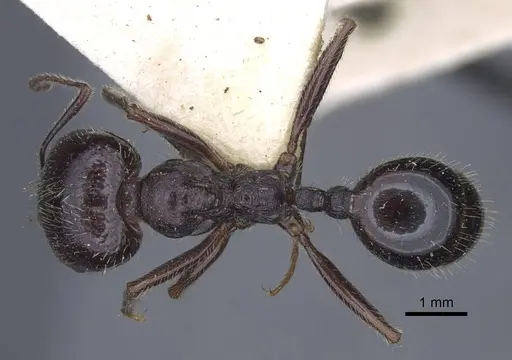
Literatura
A carregar mapa de distribuição...A carregar produtos...