
Messor antennatus
- Nome cient.
- Messor antennatus
- Tribo
- Stenammini
- Subfamília
- Myrmicinae
- Autor
- Emery, 1908
- Distribuição
- Encontrado em 1 países
Introdução
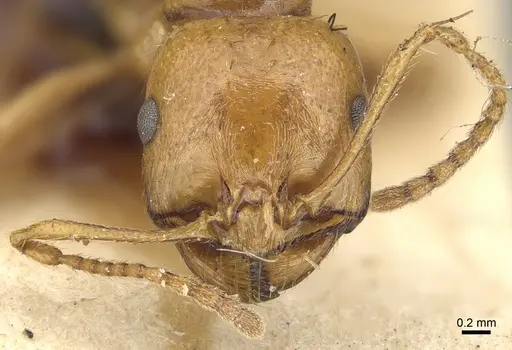
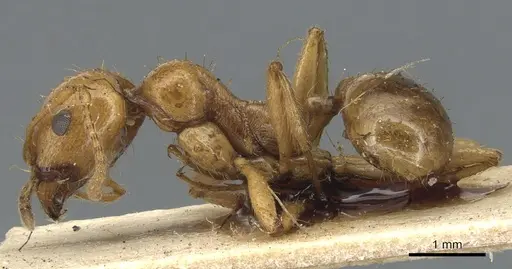
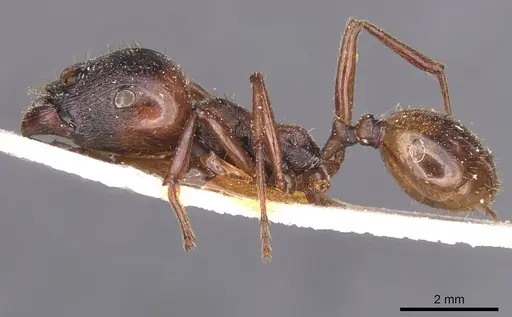
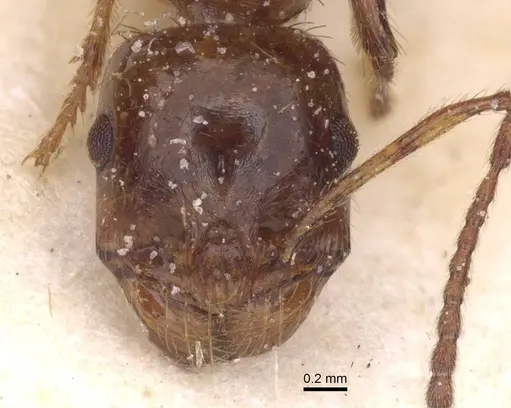
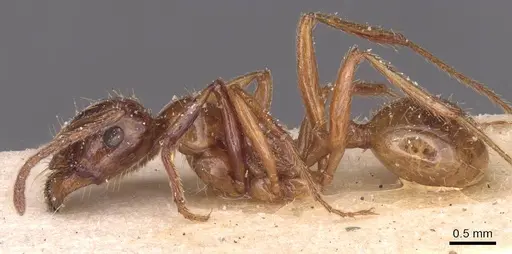
Messor antennatus is a medium-sized harvester ant native to North Africa, specifically Morocco and Algeria. Workers measure 6-6.5 mm in total length and have dark brown coloration with the head and gaster slightly darker than the thorax . This species is one of the few light-colored harvesters in the region, with nominal forms being yellowish-brown at lower altitudes and darker montane forms . It is endemic to Morocco, found from the coast to inland areas . A notable feature is the light-colored antennal base, which gives the species its name 'antennatus' .
Quick Summary
- Difficulty: Medium
- Origin & Habitat: Morocco and Algeria in the Palaearctic region. Endemic to Morocco, from the Agadir coast to Sirwa, inhabiting arid to semi-arid areas [4][2].
- Colony Type: Unconfirmed, no specific data on queen number from research.
- Size & Growth:
- Queen: Unknown, no measurements available in literature.
- Worker: 6-6.5 mm [1]
- Colony: Unknown, no data on colony size in context.
- Growth: Moderate, inferred from genus patterns.
- Development: Estimated 8-12 weeks based on typical Messor development patterns. (Development time may vary with temperature and feeding.)
- Antkeeping:
- Temperature: Keep warm and stable, roughly low-to-mid 20s°C, based on their North African origin.
- Humidity: Keep the nest substrate dry, as they are from arid regions [4].
- Diapause: Unknown, no data on diapause requirements from research.
- Nesting: Dry nests such as Y-tong or plaster are suitable, based on their natural habitat.
- Behavior: Generally peaceful and not aggressive, with moderate escape risk due to their size.
- Common Issues: mold growth in nests if humidity is too high, keep conditions dry., seed germination in nest chambers, use dry substrate and monitor., colonies may escape if barriers are not secure despite moderate size., slow founding period can lead to abandonment if queen is disturbed., winter mortality if temperature fluctuates dramatically.
Nest Preferences
Messor antennatus naturally nests in dry soil in arid regions of Morocco and Algeria [4][2]. In captivity, dry nests such as Y-tong or plaster formicariums are suitable. Keep the nest chambers relatively dry to mimic their natural habitat and prevent mold or seed germination.
Feeding and Diet
As harvester ants, they primarily collect and store seeds. In captivity, offer a variety of small seeds like millet or chia, and supplement with occasional protein from small insects. Fresh water should always be available.
Temperature and Care
Keep the nest warm and stable, around low-to-mid 20s°C, based on their North African origin. Avoid sudden temperature swings and provide a gentle heat gradient if possible.
Behavior and Temperament
Workers are active foragers, primarily searching for seeds during the day. They are generally peaceful and not aggressive toward keepers. The escape risk is moderate due to their size, standard barriers like fluon work well [1].
Colony Founding
Founding behavior is unconfirmed, no specific data from research on whether queens are claustral or semi-claustral. If a queen is found, keep her in a quiet, dark location during early stages.
Growth and Development
Colony growth is moderate, inferred from genus patterns. Development timeline from egg to worker is estimated at 8-12 weeks under optimal conditions. As the colony grows, it may produce polymorphic workers, including larger majors for seed processing.
Frequently Asked Questions
How long does it take for Messor antennatus to have first workers?
Expect first workers to emerge 8-12 weeks after the queen lays eggs, based on typical Messor development patterns.
What do Messor antennatus ants eat?
They are primarily seed-eaters, offer various small seeds. They may also consume small insects for protein.
Do Messor antennatus ants need hibernation?
Diapause requirements are unknown from research. Based on their North African origin, they may not need extended hibernation, but a cooler winter period could be beneficial.
Are Messor antennatus good for beginners?
This species is rated medium difficulty due to lack of specific care data. Beginners should research harvester ant care thoroughly.
How big do Messor antennatus colonies get?
Colony size is unknown from research. Based on genus patterns, they may reach several thousand workers over time.
Can I keep multiple Messor antennatus queens together?
Colony type is unconfirmed, but most Messor species are single-queen. It is not recommended to keep multiple queens together without evidence.
What temperature do Messor antennatus need?
Keep them warm, around low-to-mid 20s°C, based on their North African origin.
Do Messor antennatus ants sting?
They are not known to sting and pose no danger to humans.
When should I move Messor antennatus to a formicarium?
Wait until the colony has at least 50-100 workers and is actively foraging. Use a test tube setup for founding colonies.
Why are my Messor antennatus dying?
Common causes include too much humidity, disturbance during founding, or temperature stress. Keep conditions dry and stable.
Report an Issue
The current care sheet is based fully on literature. See inconsistencies, or something that's incorrect? Please , it will be resolved after review from an admin. Contributing to the blogs tab also helps providing information, to make us be able to further improve the caresheets. Thank you for your support!
References

Esta ficha de cuidados é licenciada sob CC BY-SA 4.0 .
Blogs da comunidade
CASENT0281595
Ver no AntWeb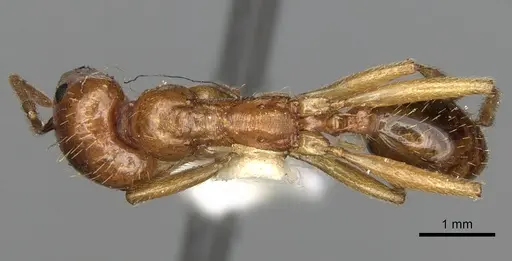
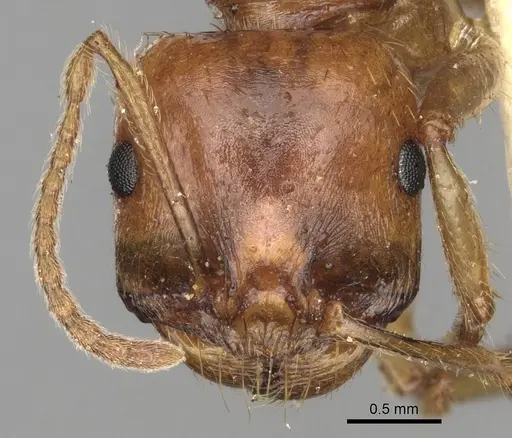
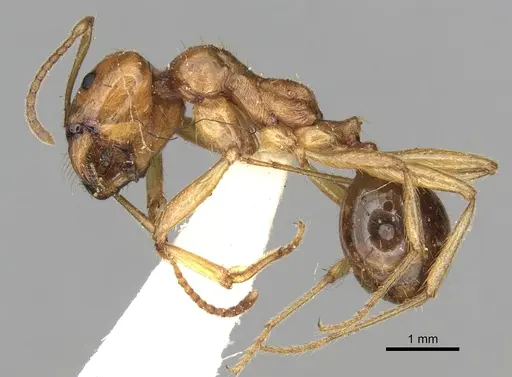
CASENT0904144
Ver no AntWeb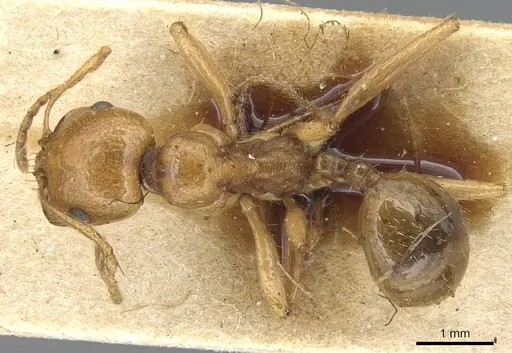
CASENT0913154
Ver no AntWeb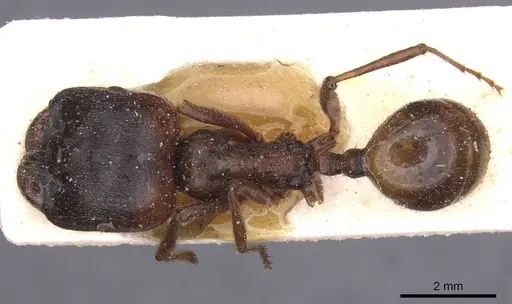
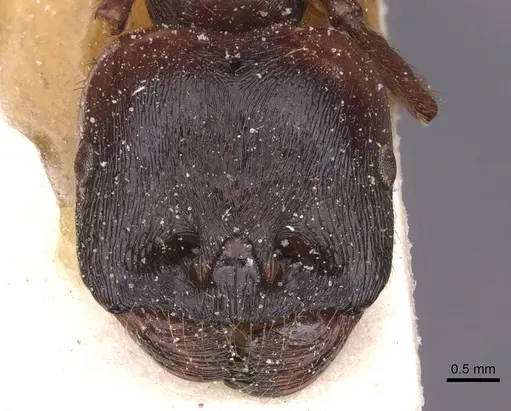
CASENT0913155
Ver no AntWeb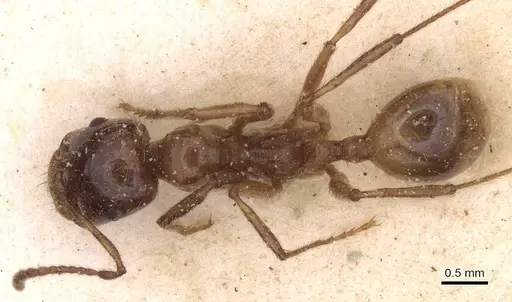
Literatura
A carregar mapa de distribuição...A carregar produtos...