
Melophorus nemophilus
- Nome cient.
- Melophorus nemophilus
- Tribo
- Melophorini
- Subfamília
- Formicinae
- Autor
- Heterick <i>et al.</i>, 2017
- Distribuição
- Encontrado em 1 países
Introdução
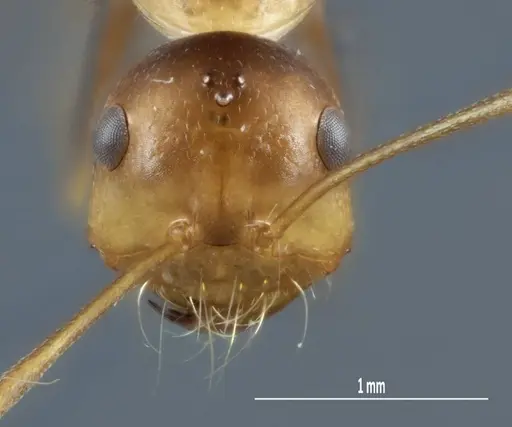
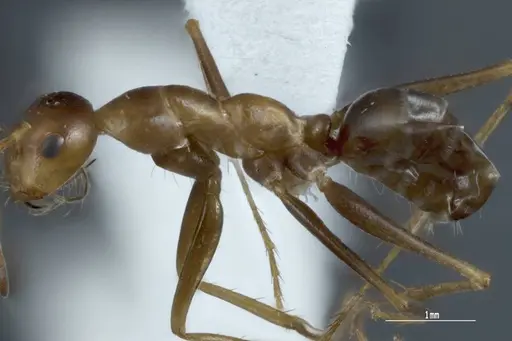
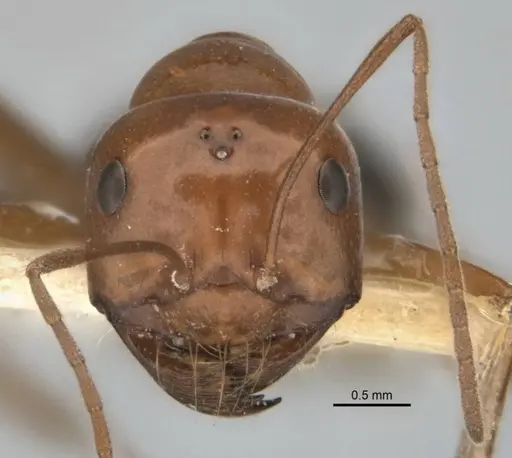
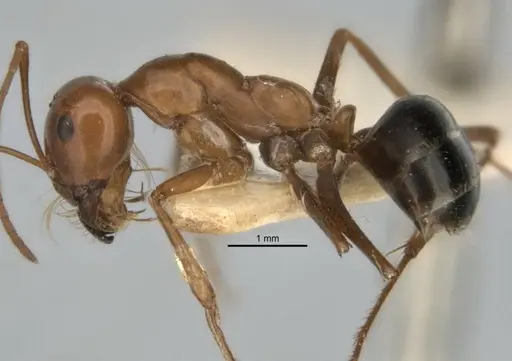
Melophorus nemophilus is a small, gracile ant native to southern Australia, found in South Australia, Victoria, and Western Australia. This species belongs to the Melophorus aeneovirens species group but forms its own unique species complex, sitting phylogenetically near the M. bagoti complex. Workers are slender with a distinctive long mesosoma and obliquely descending propodeum. The species gets its name from the Latin for 'forest-loving' (nemus + philus), though it actually inhabits arid and semi-arid regions including dunes, mallee woodland, and spinifex areas. A notable behavior is its ability to climb smooth tree trunks and forage in the canopy of eucalypts, which is unusual for desert-dwelling ants. They feed on carrion, honeydew, and nectar, with workers observed carrying membracid bug corpses.
Quick Summary
- Difficulty: Medium
- Origin & Habitat: Southern Australia (SA, Victoria, WA), possibly southwestern NSW. Inhabits arid and semi-arid habitats including dunes, mallee woodland, and spinifex areas [1].
- Colony Type: Colony structure is unconfirmed for this species.
- Size & Growth:
- Queen: Size data unavailable, queens have not been morphologically documented [1]
- Worker: Size data unavailable, only head measurements (HW 0.83-2.38mm) are documented, not total body length [1]
- Colony: Unknown, no colony size data available
- Growth: Unknown
- Development: Unconfirmed, development time has not been directly studied for this species (Based on typical Melophorus patterns, development likely takes several months.)
- Antkeeping:
- Temperature: Keep warm and stable, roughly low-to-mid 20s°C. This species is adapted to arid conditions. A heating cable on one side of the nest creates a suitable gradient.
- Humidity: Low to moderate, these are desert ants that tolerate dry conditions. Provide a water tube but avoid excessive moisture.
- Diapause: Likely required, southern Australian distribution suggests they experience winter. Provide a cool period for 2-3 months.
- Nesting: Use a dry nest setup. Y-tong nests work well. These ants are arboreal foragers in the wild, so include some vertical climbing space. Avoid overly humid setups.
- Behavior: This species is active and agile, with workers capable of climbing smooth vertical surfaces. They are generalist foragers that will take carrion, sugar sources, and small insects. Workers are not particularly aggressive but will defend if threatened. Their small size means escape prevention is important, use fine mesh barriers. They show good navigational ability despite having smaller eyes than some related species [2].
- Common Issues: escape prevention is critical due to small size, use fine mesh and tight-fitting lids, avoid overheating, do not exceed temperatures far above typical room temperature despite arid habitat, colonies may be slow to establish, patience needed during founding phase, wild-caught colonies may carry parasites that can decimate captive colonies, dry conditions are preferred, too much humidity causes stress and mold problems
Nest Preferences and Housing
Melophorus nemophilus is an arboreal forager in the wild, often climbing smooth eucalypt trunks to forage in the canopy. In captivity, provide a setup that accommodates this climbing behavior. Y-tong nests work well, with the addition of some vertical space or branches for climbing. These ants prefer dry conditions, avoid setups that retain excess moisture. A test tube setup can work for founding colonies, but be prepared to move them to a larger formicarium as the colony grows. Ensure escape prevention is excellent since workers are very small and can squeeze through standard gaps. [1]
Feeding and Diet
In the wild, M. nemophilus derives nutrition from carrion, honeydew, and nectar. They've been observed carrying membracid bug corpses, showing they'll accept small insect prey. For captive colonies, offer a varied diet including small insects (fruit flies, pinhead crickets, mealworms), sugar water or honey, and occasional nectar sources. Protein should be offered several times per week. Sugar water should always be available. These ants are not specialized predators, so a general diet works well. Remove uneaten prey after 24-48 hours to prevent mold. [1]
Temperature and Seasonal Care
As an arid/semi-arid species from southern Australia, M. nemophilus prefers warmer temperatures. Keep the nest area warm, with a slight gradient allowing workers to self-regulate. A heating cable placed on one side of the nest works well. Given their southern distribution (Victoria, SA, WA), these ants likely experience cooler winters and will benefit from a diapause period. Provide 2-3 months at cool room temperature during winter. This mimics their natural seasonal cycle and supports colony health long-term. [1]
Behavior and Foraging
This species is notably arboreal, workers climb smooth tree trunks to forage in the canopy, a behavior not common among desert ants. They're generalist foragers that will scavenge carrion, collect honeydew from aphids, and hunt small insects. Workers are agile climbers and show good navigational ability despite having smaller eyes than some related species (they have the smallest facet diameter among five Melophorus species studied) [2]. Colonies are moderately active and workers will explore widely. They're not particularly aggressive but will defend the nest if threatened. Provide enrichment opportunities like climbing structures to encourage natural behaviors.
Colony Development
Queen and colony development has not been directly documented for this species. Based on related Melophorus species, founding may be claustral where the queen seals herself in and raises the first brood alone on stored fat reserves. First workers (nanitics) will be smaller than mature workers. Growth rate is unknown, colonies likely take many months to become established. Be patient during the founding phase as these ants prioritize colony establishment over rapid growth. [1]
Frequently Asked Questions
How long does it take for Melophorus nemophilus to produce first workers?
The exact timeline is unconfirmed. Development time has not been directly studied for this species. The founding phase requires patience as the queen raises her first brood alone.
What do Melophorus nemophilus ants eat?
They accept a varied diet including small insects (fruit flies, pinhead crickets, mealworms), sugar water or honey, and nectar. In the wild they eat carrion, honeydew, and nectar. Offer protein several times weekly and keep sugar water constantly available.
Do Melophorus nemophilus ants need hibernation?
Likely required. Given their southern Australian distribution, provide a cool period for 2-3 months during winter. This mimics their natural seasonal cycle.
What temperature should I keep Melophorus nemophilus at?
Keep nest warm and stable, roughly low-to-mid 20s°C. These are warm-adapted desert ants. Use a heating cable on one side of the nest to create a gradient.
Are Melophorus nemophilus good for beginners?
This species is rated as medium difficulty. They're more challenging than common pet ants due to their specific temperature needs, arboreal foraging behavior, and the need for winter diapause. Experience with antkeeping is recommended.
How big do Melophorus nemophilus colonies get?
Colony size is unconfirmed for this species. No colony size data is available in the research literature.
Can I keep multiple queens together?
Colony structure is unconfirmed for this species. Most Melophorus are single-queen colonies. Combining unrelated queens has not been documented and is not recommended.
What humidity level do Melophorus nemophilus need?
Keep humidity low to moderate. These are arid-adapted ants that prefer dry conditions. Avoid overly humid setups which can cause stress and mold problems.
When should I move Melophorus nemophilus to a formicarium?
Move from test tube to formicarium when the colony reaches a moderate size or the test tube becomes crowded. Since they're arboreal foragers, include some vertical climbing space in the setup.
Why are my Melophorus nemophilus dying?
Common causes include: excessive humidity (keep dry), temperatures too high or too low, poor escape prevention allowing escapes, or parasites from wild-caught colonies. Check environmental conditions first.
What makes Melophorus nemophilus unique?
This is the only species in its own complex within the M. aeneovirens group. It's uniquely adapted to climb smooth tree trunks and forage in the canopy, unusual for desert ants. They have the smallest eye facets of any Melophorus species studied, suggesting special visual adaptations.
Report an Issue
The current care sheet is based fully on literature. See inconsistencies, or something that's incorrect? Please , it will be resolved after review from an admin. Contributing to the blogs tab also helps providing information, to make us be able to further improve the caresheets. Thank you for your support!
References

Esta ficha de cuidados é licenciada sob CC BY-SA 4.0 .
Blogs da comunidade
ANIC32-043297
Ver no AntWeb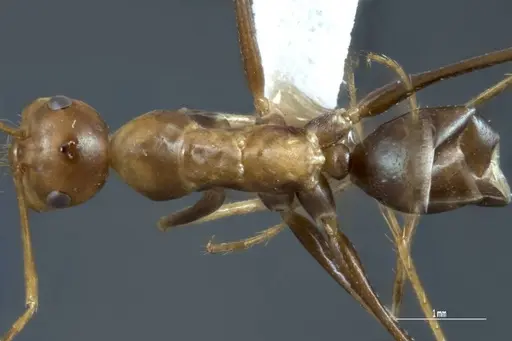
ANIC32-900077
Ver no AntWeb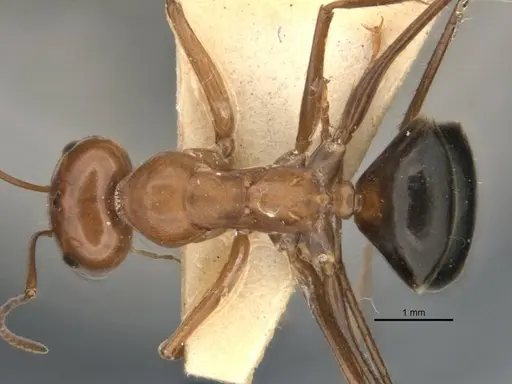
Literatura
A carregar mapa de distribuição...A carregar produtos...