
Lioponera turneri
- Nome cient.
- Lioponera turneri
- Subfamília
- Dorylinae
- Autor
- Forel, 1902
- Distribuição
- Encontrado em 1 países
Introdução
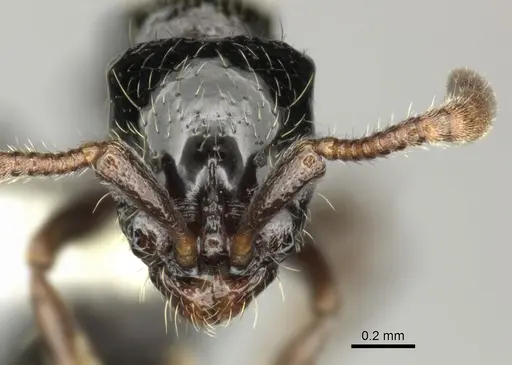
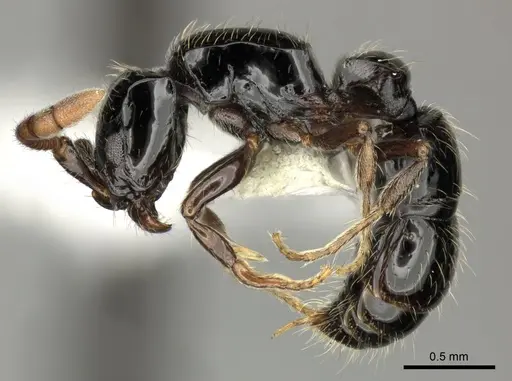
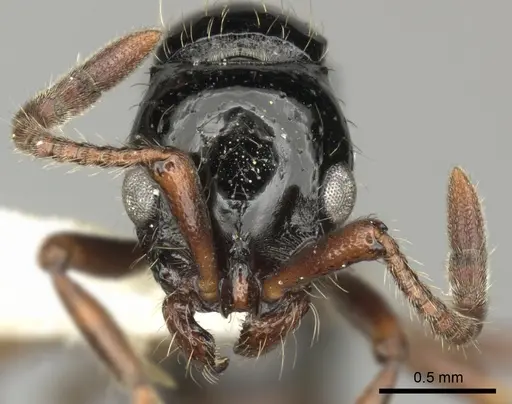
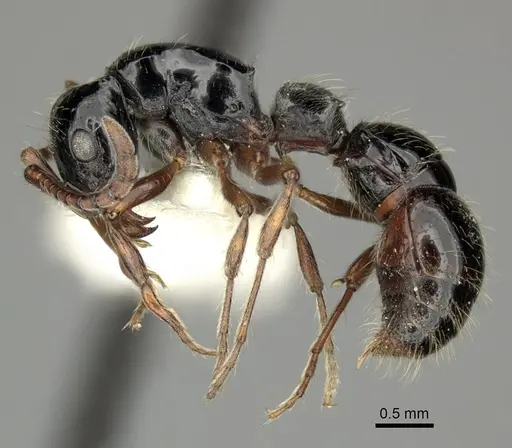
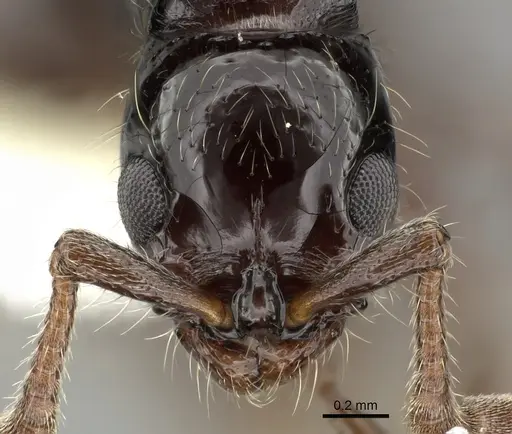
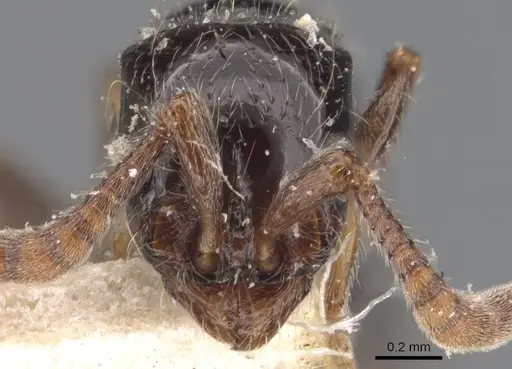
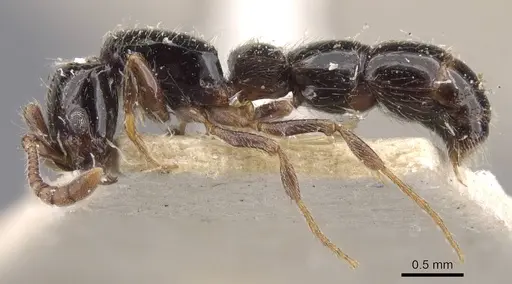
Lioponera turneri is a predatory ant species native to northern Australia, particularly Queensland. Workers are small, dark-colored ants belonging to the subfamily Dorylinae. This species is notable for its specialized predatory behavior - it conducts group raids on other ant colonies, specifically targeting the brood of species like Pheidole. They have a distinctive metatibial gland that plays a role in their chemical communication during raids. Queens were described from Mackay, Queensland .
Quick Summary
- Difficulty: Medium
- Origin & Habitat: Northern Australia, particularly Queensland around Mackay. This species inhabits tropical to subtropical regions with monsoonal climate patterns [1].
- Colony Type: Colony structure is not well documented in scientific literature.
- Size & Growth:
- Queen: size data unavailable
- Worker: size data unavailable
- Colony: Colony size is not well documented
- Growth: Unknown
- Development: Unknown, specific development data is not available for this species (Development timeline is estimated from related species, specific data for L. turneri is not available)
- Antkeeping:
- Temperature: Keep nest area around 24-28°C, mimicking warm Australian tropical conditions. A slight gradient allows ants to regulate their temperature [2].
- Humidity: Moderate humidity around 50-70%. These ants prefer somewhat drier conditions compared to many tropical ants, reflecting their Australian habitat.
- Diapause: No, as a tropical Australian species, they do not require hibernation. Keep them at warm, stable temperatures year-round.
- Nesting: In captivity, they do well in naturalistic setups with multiple chambers or Y-tong style nests. Provide a moist substrate they can tunnel through. They are ground-nesting ants that raid other colonies, so give them space for foraging areas.
- Behavior: This is an active, predatory ant with an engaging foraging style. Workers conduct coordinated group raids on other ant colonies, specifically targeting brood. They are not aggressive toward humans but their small size and active nature means escape prevention should be taken seriously. They are primarily nocturnal or crepuscular in their raiding behavior [2].
- Common Issues: their predatory nature means they need a constant supply of live prey, this can be challenging for beginners, group raiding behavior requires larger foraging space than typical ants, cramped setups lead to stress, small size makes escape prevention important, use fine mesh barriers, they may reject pre-killed prey, live prey is typically required for successful feeding, limited availability in the antkeeping hobby means this species is not well-suited for beginners
Housing and Nest Setup
Lioponera turneri does well in naturalistic setups that mimic their ground-nesting behavior. Use a substrate mix of soil and sand that allows for tunneling. Provide multiple connected chambers for the colony to use. A Y-tong style nest also works well, with moistened plaster or soil chambers. Because they conduct group raids, they need a generously sized outworld (foraging area) connected to the nest. The foraging area should be large enough to accommodate group foraging expeditions. Use a tight-fitting lid and apply Fluon or similar barrier to the rim to prevent escapes, these ants are small and agile. [2]
Feeding and Diet
This species is a specialized predator that raids the nests of other ants, particularly targeting Pheidole brood [2]. In captivity, their primary food should be live prey, small insects, springtails, and other micro-arthropods. They will likely accept small crickets, fruit flies, and similar-sized live prey. Unlike some ants, they typically do not accept pre-killed prey readily due to their predatory nature. Occasional offering of sugar water or honey may be accepted for energy, but protein from live prey is essential for colony growth. Feed them 2-3 times per week, adjusting based on colony size and consumption.
Temperature and Heating
As a species from tropical northern Australia, Lioponera turneri prefers warm conditions. Keep the nest area at 24-28°C. Room temperature may be sufficient if your home stays in this range, otherwise use a heating cable or mat on one side of the nest to create a gentle gradient. Place heating on top of the nest rather than underneath to avoid excessive drying. Monitor with a thermometer to ensure temperatures stay stable. Avoid temperatures below 20°C for extended periods, as this species is not adapted to cool conditions.
Behavior and Foraging
The most notable aspect of Lioponera turneri is their group raiding behavior. Unlike many ants that send individual foragers, these ants coordinate attacks on other ant colonies, specifically targeting brood [2]. Workers use chemical signals from their metatibial gland to coordinate these raids [3]. The metatibial gland is compact, extending about one-quarter of the length of the tibia, with an oval pore plate that appears brush-like externally [3]. In captivity, you may observe this behavior if you provide them with access to a separate prey colony or if multiple workers search for food together. They are primarily active during evening and night hours. This species is not aggressive toward keepers and rarely stings, but their small size makes them difficult to handle if they do escape.
Colony Development
Colony growth specifics are not well documented for this species. Founding queens likely raise their first workers in a sealed chamber, though this is not directly confirmed. Initial colonies grow slowly as the queen raises her first workers alone. Once established, colony growth may accelerate as more workers enable more successful raids. Queens are slightly larger than workers and can be distinguished by their larger thorax and queen-specific anatomy.
Frequently Asked Questions
Is Lioponera turneri good for beginners?
This species is not ideal for beginners. Their requirement for live prey and group raiding behavior makes them more challenging than typical ants. They also have limited availability in the hobby. If you are new to antkeeping, consider starting with easier species like Lasius or Tetramorium.
What do Lioponera turneri ants eat?
They are specialized predators that primarily hunt the brood of other ant species, particularly Pheidole. In captivity, feed them live small insects like fruit flies, springtails, and small crickets. They typically do not accept pre-killed prey. Occasional sugar water may be accepted for energy.
How long does it take for Lioponera turneri to develop from egg to worker?
Specific development data is not available for this species. Development timelines vary among Dorylinae ants, and exact timing for L. turneri has not been studied.
What temperature do Lioponera turneri need?
Keep them warm at 24-28°C. This matches their natural habitat in tropical northern Australia. Room temperature is often sufficient, or use a heating cable on one side of the nest to create a gradient.
Can I keep multiple queens together?
Colony structure is not well documented for this species. Based on related Dorylinae, they likely form single-queen colonies. Combining unrelated queens is not recommended as it may result in fighting.
How big do Lioponera turneri colonies get?
Colony size is not well documented in scientific literature. Growth is moderate, expect several months to a year to establish a solid colony.
Do they need hibernation?
No. As a tropical Australian species, they do not require hibernation. Keep them at warm, stable temperatures year-round. Reduced activity in cooler months is normal but true diapause is not typical.
Why are my Lioponera turneri dying?
Common causes include: lack of live prey (they need hunting opportunities), temperatures too low (below 20°C), excessive humidity causing mold, or stress from too-small enclosures. They are sensitive to husbandry conditions and may decline if their needs are not met.
When should I move them to a formicarium?
Keep them in a test tube setup for the founding stage. Once the colony reaches 20-30 workers and you see consistent brood development, you can move them to a naturalistic setup or Y-tong nest. Ensure the new setup has space for foraging and raiding behavior.
Report an Issue
The current care sheet is based fully on literature. See inconsistencies, or something that's incorrect? Please , it will be resolved after review from an admin. Contributing to the blogs tab also helps providing information, to make us be able to further improve the caresheets. Thank you for your support!
References

Esta ficha de cuidados é licenciada sob CC BY-SA 4.0 .
Blogs da comunidade
CASENT0249304
Ver no AntWeb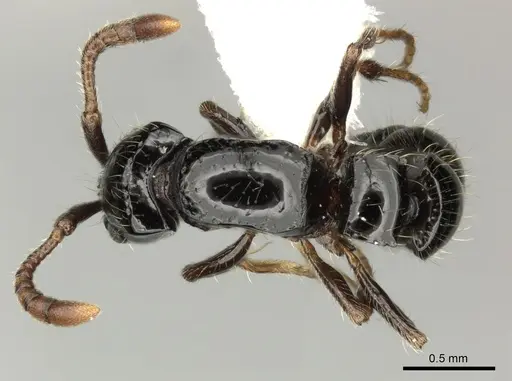
CASENT0249305
Ver no AntWeb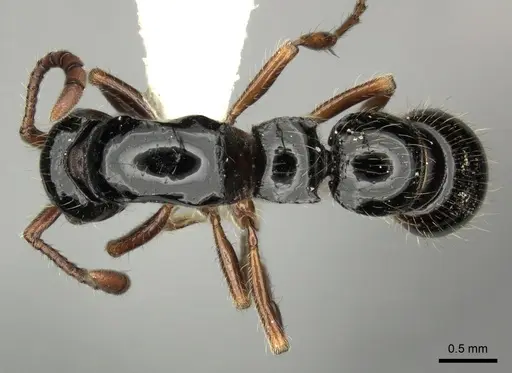
CASENT0249306
Ver no AntWeb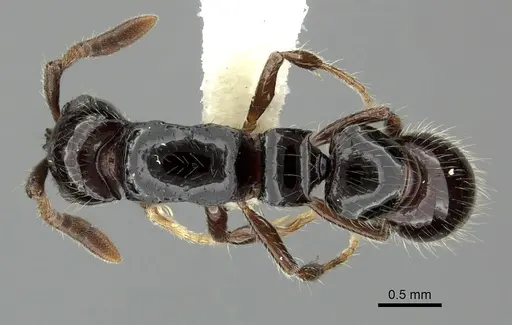
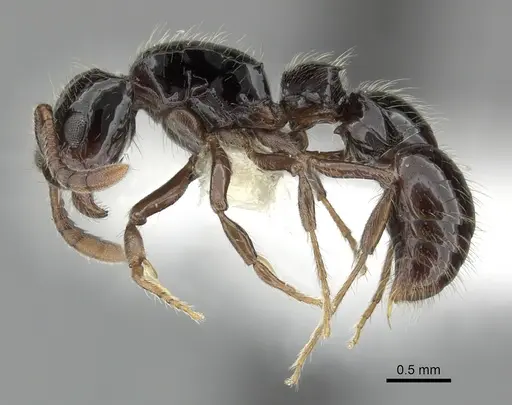
CASENT0902762
Ver no AntWeb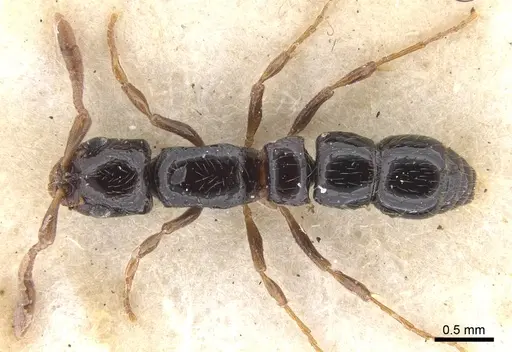
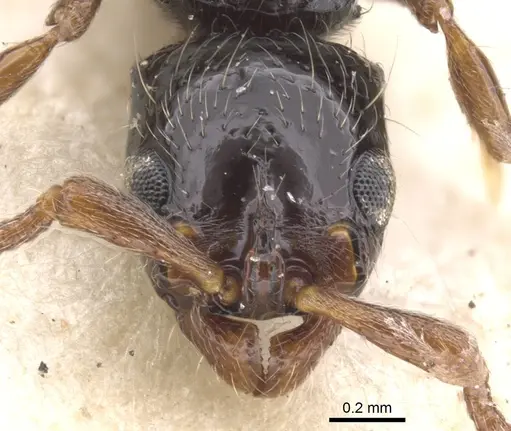
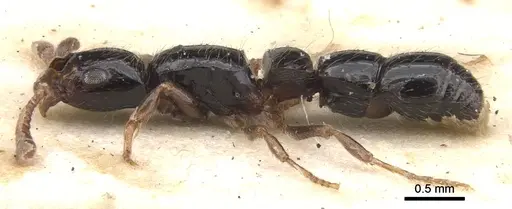
CASENT0907067
Ver no AntWeb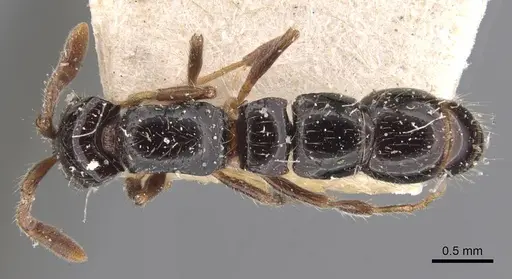
Literatura
A carregar mapa de distribuição...A carregar produtos...