
Leptogenys sianka
- Nome cient.
- Leptogenys sianka
- Tribo
- Ponerini
- Subfamília
- Ponerinae
- Autor
- Lattke, 2011
- Distribuição
- Encontrado em 0 países
Introdução
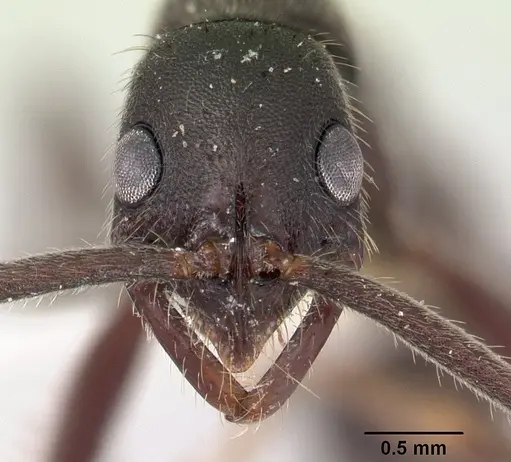
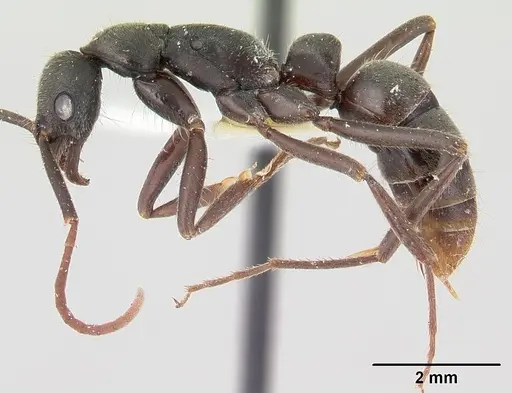
Leptogenys sianka is a slender, dark brown to black ponerine ant native to the Neotropical region of Mexico. Workers belong to the elongata species group and can be identified by their elongate mandibles with subparallel margins, a shallow but distinct metanotal groove, and a smooth sulcus extending from the propodeal spiracle . This species was formally described in 2011 by Lattke, having been previously misidentified as Leptogenys mexicana in earlier studies . What makes L. sianka particularly unusual is its unique predatory strategy - it actively attracts its preferred prey (terrestrial isopods in the family Bathytropidae) directly into the nest rather than foraging widely for them .
Quick Summary
- Difficulty: Medium
- Origin & Habitat: Native to the Neotropical region of Mexico, specifically found in Veracruz and the Yucatan Peninsula. In the wild, these ants nest in the epiphyte bromeliad Aechmea bracteata, which provides a moist, elevated microhabitat in the tropical forest understory [1].
- Colony Type: Colony structure is not well documented in scientific literature. The genus Leptogenys typically forms single-queen colonies, though some species can have multiple queens. Further research is needed to confirm the exact colony structure for L. sianka.
- Size & Growth:
- Queen: Approximately 5-7mm, inferred from Leptogenys genus patterns. Queens are slightly larger than workers with a more oval-shaped head and relatively larger gaster [1].
- Worker: Approximately 5-7mm, inferred from Leptogenys genus patterns. The workers are small ants with elongated bodies and long legs [1].
- Colony: Likely several hundred workers based on related Leptogenys species.
- Growth: Unknown, no specific development data exists for this species.
- Development: Unconfirmed, no direct measurements exist for this species. (Development timeline is unknown since no species-specific research exists.)
- Antkeeping:
- Temperature: Keep at temperatures typical of their tropical habitat. Provide a gentle temperature gradient so ants can self-regulate. Avoid temperatures below 20°C or above 32°C.
- Humidity: High humidity is essential, these ants live in bromeliads in the tropical understory where moisture is consistently high. Keep nest substrate moist but not waterlogged.
- Diapause: Unlikely, as a tropical species from Mexico, L. sianka does not require a true hibernation period. However, a slight reduction in temperature during winter months may be beneficial.
- Nesting: In captivity, these ants do well in naturalistic setups that mimic their bromeliad nesting preference. A moist Y-tong (AAC) or plaster nest with tight chambers works well. Provide an outworld with access to small prey items. The nest should retain humidity well while allowing some ventilation.
- Behavior: L. sianka is a specialized predator with a unique hunting strategy, rather than actively foraging for prey, they attract terrestrial isopods (Bathytropidae) directly into their nest using chemical signals [2]. This trap-building behavior is unusual among ants and makes them fascinating to observe. Workers are moderately active and may show territorial behavior around the nest. They have a functional stinger but are not particularly aggressive toward humans. Their small size means escape prevention is important, they can squeeze through small gaps. As a ponerine ant, they may be somewhat more defensive than myrmicine ants, so handle with care.
- Common Issues: high humidity requirements can lead to mold problems if ventilation is inadequate, prey acceptance is limited to small isopods and other micro-arthropods, may not accept standard ant foods, escape prevention is critical due to their small size, slow colony growth may frustrate beginners who expect rapid development, tropical species may not tolerate temperature drops, monitor closely in winter
Housing and Nest Setup
Leptogenys sianka nests naturally in epiphyte bromeliads in the tropical forest, so your captive setup should replicate this moist, elevated microhabitat. A Y-tong (AAC) nest or moist plaster formicarium works well, both retain humidity effectively while allowing you to observe the colony. The chambers should be appropriately sized for their small body size. Because they are small ants, excellent escape prevention is essential, use fine mesh barriers and ensure all connections are sealed. Provide an outworld where you can offer prey items. A naturalistic setup with live moss or a bromeliad centerpiece can help maintain humidity and make the ants feel more at home. [1]
Feeding and Diet
This is the most critical aspect of keeping L. sianka successfully. Unlike most ants that forage actively for food, L. sianka uses a unique trap strategy, they attract terrestrial isopods (Bathytropidae) directly into their nest using chemical signals [2]. In captivity, you should focus on providing small live prey that mimics their natural diet. Offer small live isopods (springtails, dwarf isopods) as a primary food source. Other small micro-arthropods like fruit fly larvae, booklice, and tiny crickets may also be accepted. Sugar sources are unlikely to be accepted, this is a specialized predator, not a honeydew feeder. Feed small prey items every 2-3 days, removing any uneaten prey after 24 hours to prevent mold.
Temperature and Humidity
As a tropical species from Mexico, L. sianka requires warm, humid conditions. Keep the nest at warm room temperature during the active season, a small heating cable on one side of the nest can create a gentle gradient. Temperature is likely more critical than for temperate species, as tropical ants are less tolerant of cool conditions. Humidity should be high. The bromeliad habitat naturally provides consistent moisture, so mist the nest regularly and ensure the substrate stays damp but not waterlogged. A water reservoir connected to the nest helps maintain stable humidity. During winter, you can reduce temperatures slightly but avoid cool drafts. [1]
Behavior and Observation
The most fascinating aspect of L. sianka is its unique predatory behavior. Unlike most ants that leave the nest to hunt, this species stays near the nest entrance and emits chemical signals that attract isopods directly into the colony [2]. When a prey item enters the nest, workers quickly subdue it. This passive hunting strategy is rare among ants and makes L. sianka particularly interesting to watch. Workers are moderately active within the nest and outworld. They have a functional stinger but are not particularly aggressive toward keepers. However, as a ponerine ant, they may be more defensive than typical myrmicine ants like Lasius or Camponotus. Their small size means they can escape through tiny gaps, always use fine mesh and check for gaps regularly.
Frequently Asked Questions
How long does it take for Leptogenys sianka to produce first workers?
The exact development time is unconfirmed for this species. No specific research exists on their development timeline, so patience is required when establishing a colony.
What do Leptogenys sianka ants eat?
They are specialized predators that primarily hunt small terrestrial isopods (Bathytropidae). In captivity, offer small live prey like springtails, dwarf isopods, fruit fly larvae, and other micro-arthropods. They are unlikely to accept sugar water or honey, this is not a honeydew-feeding species.
Can I keep Leptogenys sianka in a test tube setup?
A test tube setup can work for a founding queen or small colony, but you must maintain high humidity and provide access to small live prey. A more suitable long-term setup would be a moist acrylic or plaster nest that better mimics their bromeliad habitat and allows you to observe their unique hunting behavior.
Are Leptogenys sianka good for beginners?
This species is rated as Medium difficulty. While not the hardest ant to keep, their specialized diet (requiring live small prey rather than standard ant foods), high humidity needs, and unique hunting behavior make them better suited for keepers with some experience. Beginners may struggle with their specific prey requirements.
Do Leptogenys sianka need hibernation?
As a tropical species from Mexico, they do not require a true hibernation period. However, a slight temperature reduction during winter months may help simulate seasonal changes. Avoid temperatures below 18°C for extended periods.
How big do Leptogenys sianka colonies get?
The maximum colony size is not documented for this species. Based on related Leptogenys species, colonies likely reach several hundred workers. Growth is probably moderate rather than rapid.
Why is my Leptogenys sianka colony not growing?
The most likely cause is inadequate prey. These ants require small live isopods and micro-arthropods, they will not thrive on sugar water or large prey items. Also ensure humidity is high and temperature is warm. Check that the colony is not stressed by excessive disturbance.
Can I keep multiple Leptogenys sianka queens together?
The colony structure is not well documented for this species. Leptogenys species are typically single-queen colonies. Combining unrelated queens has not been studied and is not recommended, queens may fight. If you obtain a colony, assume single-queen housing is appropriate.
What makes Leptogenys sianka special compared to other ants?
Their unique trap-building predatory strategy sets them apart. Rather than actively foraging, they attract prey (small isopods) directly into the nest using chemical signals [2]. This passive hunting behavior is rare among ants and makes them fascinating to observe. They also nest in bromeliads, making them unusual among captive ant species.
Report an Issue
The current care sheet is based fully on literature. See inconsistencies, or something that's incorrect? Please , it will be resolved after review from an admin. Contributing to the blogs tab also helps providing information, to make us be able to further improve the caresheets. Thank you for your support!
References

Esta ficha de cuidados é licenciada sob CC BY-SA 4.0 .
Blogs da comunidade
CASENT0178788
Ver no AntWeb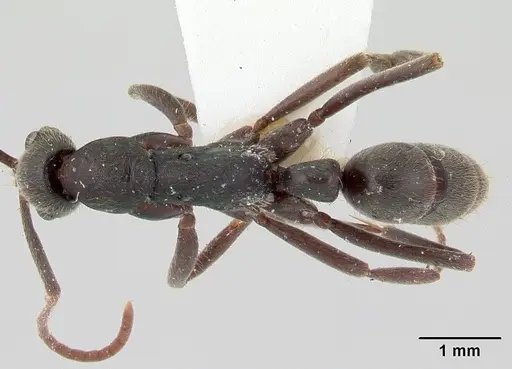
Literatura
A carregar mapa de distribuição...A carregar produtos...