
Leptogenys peruana
- Nome cient.
- Leptogenys peruana
- Tribo
- Ponerini
- Subfamília
- Ponerinae
- Autor
- Lattke, 2011
- Distribuição
- Encontrado em 0 países
Introdução
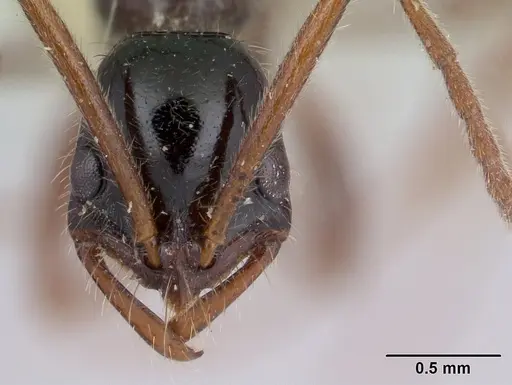
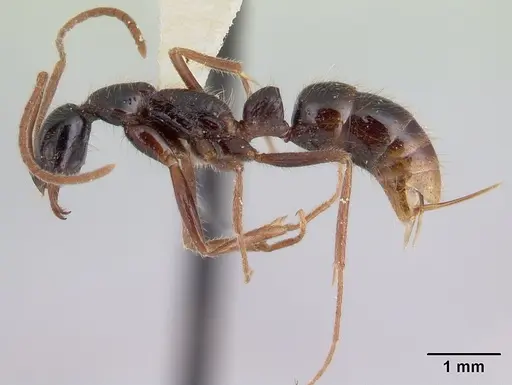
Leptogenys peruana is a small predatory ant species native to Peru, first described in 2011. Workers have a sleek, mostly smooth and shining black body with brown antennae, clypeus, coxae, and femora, while the mandibles and tibiae are reddish-brown. This species belongs to the unistimulosa species group and can be distinguished by its proportionally smaller eyes, smooth exoskeleton, and reduced or missing petiolar apical lobe. It was collected from a subtropical cloud forest habitat at 40 miles west of Cusco, Peru. Almost nothing is known about the biology of this species - queens, males, colony structure, and basic behaviors have not been documented .
Quick Summary
- Difficulty: Expert
- Origin & Habitat: Peru, specifically the type locality 40 miles west of Cusco in subtropical cloud forest conditions [2]. Known only from eastern Peru [2].
- Colony Type: Unknown, queens and males have not been described. Colony structure is completely unstudied.
- Size & Growth:
- Queen: Unknown, queens have not been described [1]
- Worker: Approximately 5mm total length, inferred from available measurements [1]
- Colony: Unknown, no colony size data exists
- Growth: Unknown, no development data exists
- Development: Unknown, no development timeline has been documented for this species (Development time is completely unstudied)
- Antkeeping:
- Temperature: Unknown for this species. Start around 22-26°C and observe colony behavior.
- Humidity: Unknown. Based on the subtropical cloud forest origin, aim for 70-80% humidity with moist substrate.
- Diapause: Unknown if this species requires hibernation. Peruvian ants from higher elevations may have some seasonal slowdown.
- Nesting: No specific nesting data exists. Based on related species, they likely nest in soil, under stones, or in rotting wood. A naturalistic setup with moist substrate or a Y-tong/plaster nest works well.
- Behavior: Not documented for this species. Based on genus patterns, Leptogenys are predatory ants that hunt using their mandibles. They are typically active foragers. The subfamily Ponerinae has a functional stinger, though it is rarely powerful enough to penetrate human skin. These are small ants that can squeeze through small gaps, escape prevention is essential.
- Common Issues: almost no biological data exists, keepers are essentially pioneering captive care, queen and male castes are unknown, making colony founding impossible to study, no feeding preferences documented, must experiment with live prey, no confirmed temperature or humidity requirements, start with genus-typical conditions and adjust, this species is recommended only for experienced antkeepers willing to experiment
Species Identification and Background
Leptogenys peruana was described by Lattke in 2011 from worker specimens collected in Peru. The species belongs to the unistimulosa species group, which is characterized by certain morphological features. This ant can be distinguished from related species by its proportionally smaller eyes, smooth exoskeleton, and reduced or missing petiolar apical lobe. The smoothened sculpturing and small size makes it superficially resemble Leptogenys amazonica, but it can be separated by its more elongate petiolar node and distinct apical tooth. Workers are primarily black with brown antennae, legs, and reddish-brown mandibles. The species is known only from Peru, specifically the Cusco region and eastern Peru. [1][2]
Nest Preferences and Housing
No specific nesting data exists for Leptogenys peruana. Based on related species in the genus, they likely nest in soil, under stones, or in rotting wood in their natural habitat. For captive care, a naturalistic setup with moist substrate and flat stones or a Y-tong/plaster nest with narrow chambers works well. The nest should maintain consistent humidity without becoming waterlogged. Since nothing is known about their specific preferences, observe where workers cluster most and adjust conditions accordingly.
Feeding and Diet
Feeding preferences are not documented for this species. Leptogenys ants are generally predatory, using their mandibles to capture and subdue prey. Based on genus patterns, they likely accept small live invertebrates such as fruit flies, pinhead crickets, and other small arthropods. Start by offering small live prey and observe acceptance. They may also accept protein-based foods like crushed insects, but live prey is likely preferred. Feed every 2-3 days and remove uneaten prey to prevent mold.
Temperature and Care Requirements
Temperature requirements are not specifically documented for L. peruana. Based on the subtropical cloud forest origin, they likely prefer warm, stable conditions in the low-to-mid 20s°C range. Start around 22-26°C and monitor colony activity. A heating cable on one side of the nest can create a gradient. Humidity should be kept high (70-80%) to match the cloud forest origin. Use a water reservoir in test tube setups or mist the nest regularly, allowing it to dry slightly between waterings.
Behavior and Temperament
Specific behaviors are not documented for this species. However, Leptogenys ants are generally known to be active foragers that hunt using their mandibles. They are typically not overly aggressive but will defend their nest if threatened. The genus is in the Ponerinae subfamily, which has a functional stinger, though it is usually not powerful enough to penetrate human skin. Workers are relatively small, so escape prevention should be practiced using fine mesh and tight-fitting barriers.
Colony Development and Growth
No colony development data exists for Leptogenys peruana. Queens and males have not been described in scientific literature, meaning colony founding behavior is completely unstudied [1]. Development from egg to worker is unknown. Colony size is unknown. Keeping this species requires patience and careful observation as there is no species-specific guidance available.
Frequently Asked Questions
How do I care for Leptogenys peruana ants?
This is extremely challenging because almost nothing is known about the species biology. Start with genus-typical conditions: 22-26°C,70-80% humidity, small live prey, and a naturalistic or Y-tong nest. Observe your colony closely and adjust based on their behavior. This species is recommended only for experienced antkeepers willing to experiment.
What do Leptogenys peruana ants eat?
Not documented for this species. Based on genus patterns, they are predatory and likely accept small live invertebrates like fruit flies and pinhead crickets. Start with small live prey and experiment to see what they accept. Remove uneaten prey to prevent mold.
How long does it take for Leptogenys peruana to develop from egg to worker?
Unknown, no development timeline has been documented for this species.
What temperature should I keep Leptogenys peruana at?
Not specifically documented. Start around 22-26°C based on the subtropical cloud forest origin. Create a temperature gradient and observe where workers cluster.
Can beginners keep Leptogenys peruana?
No, this species is not recommended for beginners. Almost nothing is known about its biology (queens are undescribed, no feeding data, no development timeline), making captive care extremely challenging. Only experienced antkeepers should attempt this species.
Where is Leptogenys peruana found in the wild?
Only known from Peru, specifically the Cusco region (type locality 40 miles west of Cusco) and eastern Peru. It was collected from subtropical cloud forest habitat.
What size do Leptogenys peruana workers reach?
Workers are approximately 5mm total length, inferred from available measurements. They are relatively small ants with a sleek, smooth black body.
Do Leptogenys peruana colonies need hibernation?
Unknown if hibernation is required. Peruvian ants from higher elevations may experience seasonal temperature changes. Monitor for reduced activity during cooler months.
How big do Leptogenys peruana colonies get?
Unknown, no colony size data exists for this species.
What nest type is best for Leptogenys peruana?
Not specifically studied. Based on genus patterns, a naturalistic setup with moist substrate and flat stones, or a Y-tong/plaster nest with narrow chambers works well.
Is Leptogenys peruana aggressive?
Not documented for this species. Leptogenys ants are generally not overly aggressive but will defend their nest if threatened. They are primarily predatory hunters.
Report an Issue
The current care sheet is based fully on literature. See inconsistencies, or something that's incorrect? Please , it will be resolved after review from an admin. Contributing to the blogs tab also helps providing information, to make us be able to further improve the caresheets. Thank you for your support!
References

Esta ficha de cuidados é licenciada sob CC BY-SA 4.0 .
Blogs da comunidade
CASENT0178817
Ver no AntWeb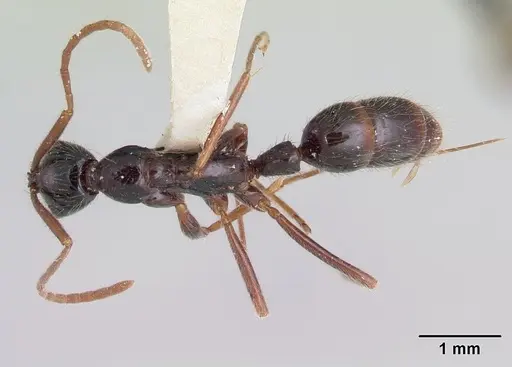
CASENT0248749
Ver no AntWeb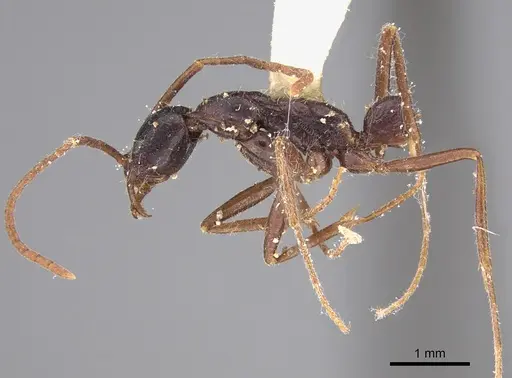
Literatura
A carregar mapa de distribuição...A carregar produtos...