
Leptogenys foreli
- Nome cient.
- Leptogenys foreli
- Tribo
- Ponerini
- Subfamília
- Ponerinae
- Autor
- Mann, 1919
- Distribuição
- Encontrado em 1 países
Introdução
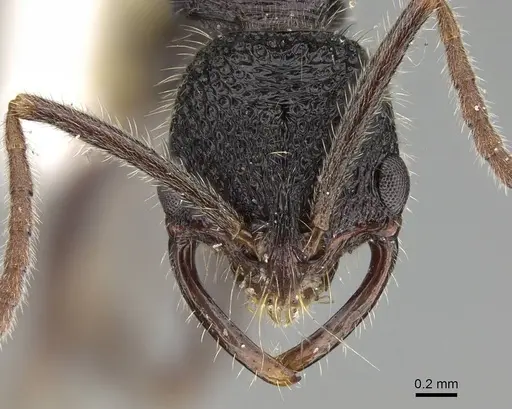
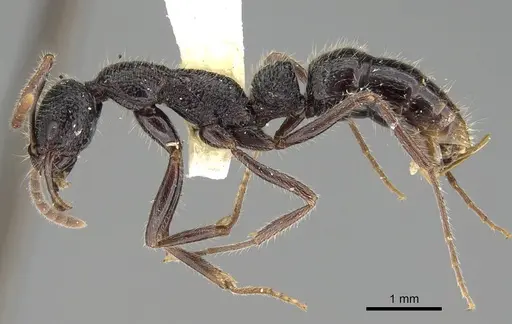
Leptogenys foreli is a slender ponerine ant native to the Solomon Islands, Vanuatu, and New Guinea . Workers are typically dark in color with elongated bodies, characteristic of the Leptogenys genus . This species was first described by William Mann in 1919 from the British Solomon Islands . The species was originally described as Leptogenys walkeri from Vanuatu, but was later recognized as the same species and synonymized . Size data is unavailable for this species, but based on genus patterns, workers are approximately 4-6 mm and queens 6-8 mm. Leptogenys foreli is predatory and hunts small invertebrates in its forest floor habitat.
Quick Summary
- Difficulty: Medium
- Origin & Habitat: Solomon Islands and Vanuatu in the Australasian region [1][2]. They inhabit tropical forest environments, typically nesting in soil or under debris on the forest floor [3].
- Colony Type: Colony structure is unconfirmed. No specific data on queen number or social structure.
- Size & Growth:
- Queen: Size data unavailable, but inferred from Leptogenys genus to be approximately 6-8 mm.
- Worker: Size data unavailable, but inferred from Leptogenys genus to be approximately 4-6 mm.
- Colony: Unknown, no data on maximum colony size.
- Growth: Unknown, no data on growth rate.
- Development: Unknown, no data on development time. (Development time is unclear, based on tropical ponerines, it may take several weeks at warm temperatures.)
- Antkeeping:
- Temperature: No specific data, as a tropical species, keep warm, roughly 24-28°C, but this is inferred from habitat.
- Humidity: No specific data, maintain moderate to high humidity, but adjust based on observation. Keep substrate moist but not waterlogged.
- Diapause: No, this is a tropical species that does not require hibernation.
- Nesting: Naturalistic setup with moist substrate or Y-tong/plaster nests. Prefer dark, humid chambers [3].
- Behavior: Workers are predatory and active hunters. They have a sting used to subdue prey, so handle with care. Escape risk is high due to small size, use appropriate barriers.
- Common Issues: cold temperatures can slow or stop brood development for this tropical species., poor ventilation can lead to mold in high humidity conditions., predatory diet requires regular live prey, sugar sources are unlikely to be accepted., founding colonies are fragile due to small size and lack of specific data.
Housing and Nest Setup
Leptogenys foreli does well in naturalistic setups with moist substrate or in Y-tong/plaster nests designed for ponerine ants. These ants prefer dark, humid nesting chambers that mimic their forest floor habitat [3]. The nest should have chambers scaled to their worker size. A test tube setup can work for founding colonies if kept humid, but transfer to a proper nest once the colony grows. Use a well-secured outworld as these ants are active hunters and can escape if given the chance.
Feeding and Diet
As a ponerine ant, Leptogenys foreli is predatory and requires live prey. Offer small insects such as fruit flies, pinhead crickets, or small mealworms. Feed protein prey regularly for established colonies. Sugar sources like honey or sugar water are unlikely to be accepted, ponerine ants are primarily carnivorous. Remove uneaten prey after 24-48 hours to prevent mold.
Temperature and Humidity
Maintain warm conditions year-round, as this is a tropical species. Use a heating cable if room temperature is below 24-28°C. Humidity should be kept moderate to high, the nest substrate should feel consistently moist but not waterlogged. Provide a water tube for drinking access. Good ventilation is important to prevent mold while maintaining humidity.
Behavior and Temperament
Leptogenys foreli workers are active hunters that patrol their territory searching for small invertebrates. They have a functional sting used to subdue prey, so handle with care. Workers are relatively fast-moving and can be skittish. Colonies are likely to be defensive if their nest is disturbed. These ants do not form large supercolonies and typically maintain moderate-sized colonies.
Colony Development
Colony founding in Leptogenys species is typically semi-claustral, meaning the queen must leave the nest periodically to hunt for food during the founding stage. This makes founding colonies more challenging. Expect slow growth initially, the first workers may take several weeks to develop. Colony growth is moderate once established. Maximum colony size is not documented.
Frequently Asked Questions
How long does it take for Leptogenys foreli to produce first workers?
Unknown, no specific data on development time for this species. Based on related ponerines, it may take several weeks at warm temperatures.
What do Leptogenys foreli eat?
They are predatory and require live small invertebrates. Offer fruit flies, pinhead crickets, small mealworms, and similar prey. Sugar sources are unlikely to be accepted, they are primarily carnivorous.
Can I keep multiple queens together?
This has not been documented for Leptogenys foreli. Most Leptogenys species are single-queen colonies. It is not recommended to house multiple unrelated foundress queens together.
Do Leptogenys foreli need hibernation?
No, this is a tropical species from the Solomon Islands and Vanuatu. They do not require hibernation and should be kept warm year-round.
Are Leptogenys foreli good for beginners?
This species is rated as medium difficulty. They require specific conditions (warmth, high humidity, live prey) that make them more challenging than common species. They are best suited for keepers with some experience.
How big do Leptogenys foreli colonies get?
Colony size is not specifically documented. Based on genus patterns, colonies may reach moderate sizes, but no data is available.
What temperature should I keep Leptogenys foreli at?
Keep them at roughly 24-28°C. This tropical species needs warm conditions year-round. Use a heating cable if room temperature is below this range.
When should I move Leptogenys foreli to a formicarium?
Keep founding queens in a test tube setup with humid conditions. Once the colony grows and the test tube becomes crowded, transfer to a naturalistic setup or Y-tong nest.
Why is my Leptogenys foreli colony declining?
Common causes include: temperatures too low, humidity too low or too high, insufficient live prey, or mold issues from poor ventilation. Check all parameters and ensure prey is being captured and consumed.
Report an Issue
The current care sheet is based fully on literature. See inconsistencies, or something that's incorrect? Please , it will be resolved after review from an admin. Contributing to the blogs tab also helps providing information, to make us be able to further improve the caresheets. Thank you for your support!
References

Esta ficha de cuidados é licenciada sob CC BY-SA 4.0 .
Blogs da comunidade
CASENT0902620
Ver no AntWeb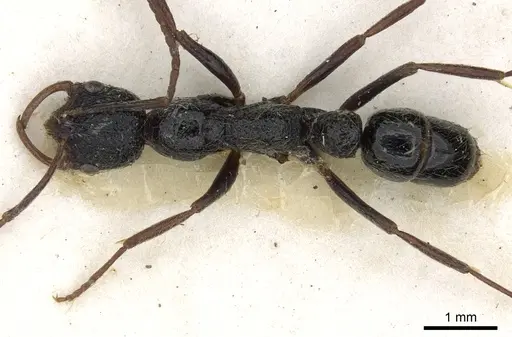
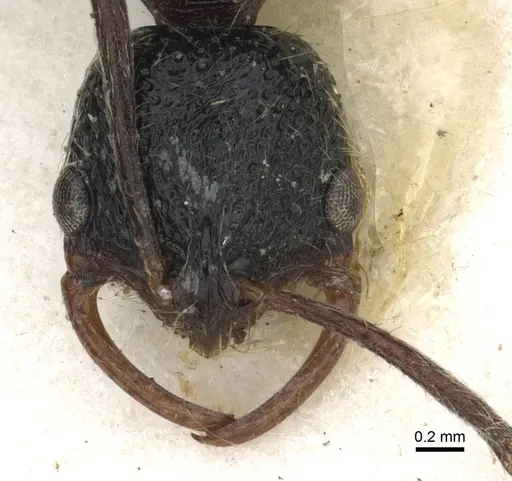
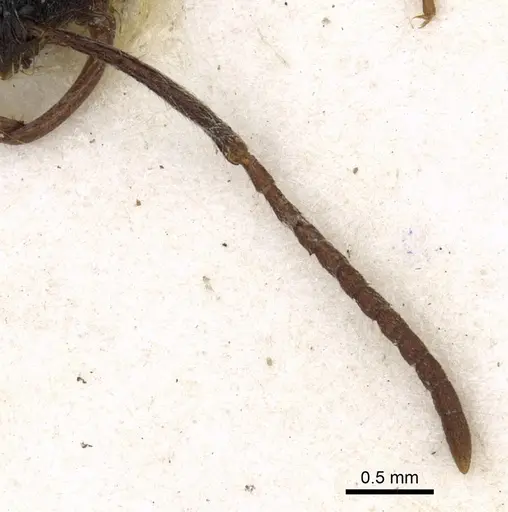
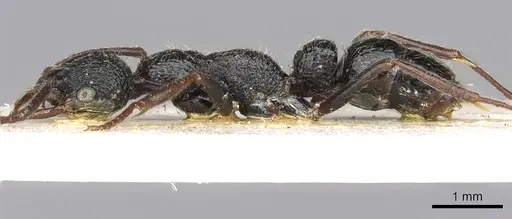
CASENT0915990
Ver no AntWeb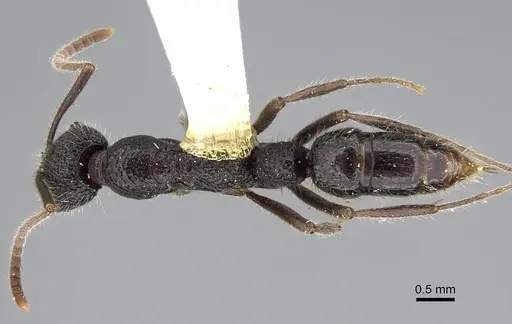
Literatura
A carregar mapa de distribuição...A carregar produtos...