
Leptanilla judaica
- Nome cient.
- Leptanilla judaica
- Tribo
- Leptanillini
- Subfamília
- Leptanillinae
- Autor
- Kugler, 1987
- Distribuição
- Encontrado em 0 países
Introdução
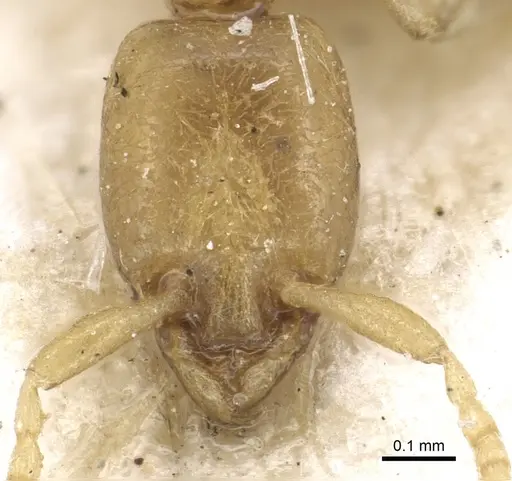
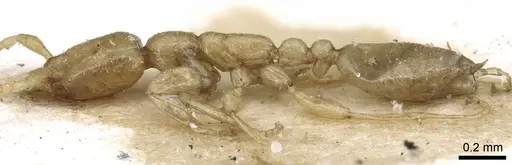
Leptanilla judaica is a tiny ant species native to Israel, specifically found in the Judean Foothills around Ramallah. Workers measure 1.9-2mm, making them among the smallest ants you can keep . They have a pale yellow to orange coloration with a shiny appearance, and their most distinctive feature is a visible depression and suture between the mesonotum and propodeum that sets them apart from other Leptanilla species . These ants belong to the subfamily Leptanillinae, a group known for their tiny size and rarely observed behavior in the wild. The type specimens were collected under a stone, suggesting they nest in cryptic microhabitats typical of the genus . What makes L. judaica particularly interesting is that it's one of only five Leptanilla species with described larvae, giving us rare insight into their early development . This species is endemic to Israel, meaning it's found nowhere else in the world naturally . Given their extremely small size and specialized habitat requirements, these ants present a genuine challenge even for experienced antkeepers.
Quick Summary
- Difficulty: Expert
- Origin & Habitat: Leptanilla judaica is endemic to Israel, specifically the Judean Foothills region around Ramallah [4]. In the wild, they nest beneath stones in what appears to be dry to moderately damp microhabitats in this Mediterranean climate zone [5]. The Judean Hills experience hot, dry summers and mild, wet winters.
- Colony Type: Colony structure is unconfirmed. The Leptanillinae are poorly studied in terms of social organization, and no specific data exists for L. judaica.
- Size & Growth:
- Queen: Size data unavailable, no queen description exists for this species
- Worker: 1.9-2mm [1][2]
- Colony: Likely small (under 100 workers) based on typical Leptanilla colony sizes, this is an estimate
- Growth: Unknown, likely slow to moderate based on tiny worker size and related species patterns
- Development: Unknown, estimate 6-10 weeks based on related Leptanilla species development at warm temperatures (No direct development data exists for this species. Related Leptanilla species suggest a relatively slow development timeline typical of tiny ants in the Leptanillinae subfamily.)
- Antkeeping:
- Temperature: Keep around 24-28°C based on typical Mediterranean species requirements. A gentle temperature gradient allows workers to self-regulate. Avoid temperatures below 20°C or above 32°C.
- Humidity: Moderate humidity is likely appropriate given their Judean Foothills habitat. Keep the nest substrate slightly moist but not waterlogged. The under-stone microhabitat suggests they tolerate periods of drier conditions.
- Diapause: Likely required, most Mediterranean ants from Israel benefit from a mild winter rest period. Reduce feeding and keep at 15-18°C for 8-12 weeks during winter months. This is inferred from the seasonal climate of their native range.
- Nesting: Use a test tube setup or small nest with very tight chambers scaled to their tiny 2mm size. A Y-tong (AAC) nest with narrow passages works well. Provide a small water reservoir but avoid flooding. The natural nesting under stones suggests they prefer dark, confined spaces.
- Behavior: These ants are extremely small and delicate, with workers measuring under 2mm. They will likely show shy, cryptic behavior typical of Leptanilla, workers are rarely seen foraging in the open. Escape prevention is absolutely critical due to their tiny size, standard test tube cotton can be too loose, and fine mesh (at least 0.5mm or tighter) is essential. They have a functional stinger given the worker description mentions a protruding sting [2], but the sting is too small to penetrate human skin. Foraging style is unknown but likely involves short-range hunting near the nest. Colonies are probably non-aggressive and will flee rather than engage threats.
- Common Issues: escape prevention is critical, they can squeeze through standard test tube cotton and mesh larger than 0.5mm, very small colony size means losses have outsized impact on colony survival, lack of captive breeding data makes successful founding extremely difficult, wild-caught colonies may have parasites or fail to adapt to captive conditions, slow growth tests keeper patience and may lead to overfeeding attempts that cause mold
Why Leptanilla judaica Is a Challenge
Leptanilla judaica represents a genuine expert-level species for several reasons. First, there's almost no captive husbandry information specifically for this species, most Leptanilla species are poorly documented in captivity. Second, their extreme tiny size (under 2mm workers) creates practical challenges: standard feeding methods may not work, escape prevention requires specialized barriers, and observing colony behavior becomes difficult. Third, their cryptic nature means they spend most of their time hidden in nest chambers, making them less engaging than larger, more visible species. Finally, the lack of development data means you won't have a clear timeline for growth, which can lead to either over-attention or neglect. Only experienced antkeepers with a strong interest in obscure species should attempt this ant [2].
Housing and Escape Prevention
Housing Leptanilla judaica requires attention to scale, their 2mm workers can slip through gaps that hold back much larger ants. Use a test tube setup with cotton packed tightly, or better yet, use a small nest (Y-tong style) with chambers sized appropriately. The nest should have very narrow passages, wider passages can make the ants feel exposed and stressed. For outworld access, use fine mesh (0.5mm or tighter) on any connections. Some keepers use cotton wool with very tight packing for test tubes. A small formicarium with a tiny outworld works better than a large space where the ants get lost. Keep lighting dim, these are cryptic ants that prefer darkness. The nest material should hold moisture well but drain freely to prevent flooding, which can drown tiny colonies [2].
Feeding and Nutrition
Feeding tiny Leptanilla species requires going smaller than most antkeepers are used to. Based on related Leptanilla species, they are likely predatory on micro-arthropods. Offer live micro-prey such as springtails (Collembola), tiny booklice (Psocoptera), or fruit fly larvae. Prey should be smaller than 1mm if possible, even fruit fly pupae may be too large. Some Leptanilla species accept honey or sugar water, but this is not confirmed for L. judaica, so focus on protein sources. Feed small amounts every 2-3 days and remove any uneaten prey within 24 hours to prevent mold. Because the colony will likely stay small (under 100 workers), overfeeding is a serious risk that can kill the entire colony through mold or mite infestations. Never feed prey that is larger than the workers themselves [2].
Temperature and Seasonal Care
Leptanilla judaica comes from the Judean Foothills in Israel, a Mediterranean climate with hot, dry summers and mild, wet winters. Keep the nest at 24-28°C during the active season, this is warmer than many temperate species but appropriate for their origin. A heating cable on one side of the nest creates a gradient that workers can use to regulate their temperature. During winter (roughly November-February in the Northern Hemisphere), reduce temperatures to 15-18°C and reduce feeding to once weekly or less. This simulates the natural winter dormancy period they would experience in Israel. Do not feed heavily during winter rest as the ants will not be able to digest it properly. Return to warm conditions and regular feeding in spring. Temperature stability is important, avoid drafts and sudden temperature swings [5][4].
Colony Founding and Growth
Starting a colony of Leptanilla judaica is difficult because no specific founding data exists for this species. Based on typical Leptanilla behavior, the queen likely seals herself in a small chamber (claustral founding) and raises her first workers alone without foraging. The first workers (nanitics) will be extremely tiny, even smaller than normal workers. Growth will be slow, expect only a handful of workers in the first year under ideal conditions. The colony will likely remain small (dozens, not hundreds of workers) even at maturity. Patience is essential. Do not disturb the founding chamber during the first few months, queens can abandon or eat their brood if stressed. Once workers emerge, they will be very shy and may not forage visibly for some time. Do not attempt to feed the founding queen directly, she should not leave the nest [2].
Frequently Asked Questions
Can I keep Leptanilla judaica as a beginner antkeeper?
No, this species is not suitable for beginners. Their tiny size (under 2mm), lack of captive husbandry data, and cryptic behavior make them one of the most challenging ants to keep. Even experienced antkeepers struggle with Leptanilla species. Start with larger, better-documented species like Lasius niger, Camponotus, or Messor before attempting this ant.
How do I prevent Leptanilla judaica from escaping?
Escape prevention must be excellent. Use fine mesh (0.5mm or tighter) on all connections and gaps. Standard test tube cotton may be too loose, pack it tightly or use a small nest with tight-fitting connections. Check all seams regularly as these tiny ants can squeeze through impossibly small gaps. Never use cotton that appears fluffy or loosely packed.
What do Leptanilla judaica eat?
Based on related species, they likely eat tiny live prey such as springtails, micro-arthropods, and very small insect larvae. Fruit fly larvae (smaller than 1mm) may work once the colony has 10+ workers. Sugar sources are unconfirmed, focus on protein. Never feed prey larger than your workers.
How long does it take for Leptanilla judaica to produce first workers?
Unknown for this specific species, but based on related Leptanilla species, expect 6-10 weeks from egg to worker at optimal temperature (around 26°C). Founding can take longer, be patient. Do not disturb the queen during this time.
Do Leptanilla judaica need hibernation?
Yes, based on their Mediterranean origin in Israel, a mild winter rest is likely beneficial. Keep them at 15-18°C for 8-12 weeks during winter (roughly November-February). Reduce feeding significantly during this period. This mimics their natural seasonal cycle.
How big do Leptanilla judaica colonies get?
Based on related Leptanilla species, colonies likely max out at under 100 workers. This is a small colony size compared to most commonly kept ants. Do not expect large, impressive colonies, these ants are prized for their rarity and challenge, not their display value.
Can I keep multiple Leptanilla judaica queens together?
Not recommended. There is no data on combining unrelated queens of this species. Based on typical ant behavior, they are likely single-queen species. Multiple queens would likely fight. Start with one queen per colony.
Do Leptanilla judaica sting?
Workers have a described protruding sting [2], but it is far too small to penetrate human skin. You are extremely unlikely to feel a sting from this species. They are not dangerous to humans.
When should I move Leptanilla judaica to a formicarium?
Keep them in a test tube setup for as long as possible, the smaller the space, the more secure they feel. Only consider moving to a small nest once the colony reaches 20+ workers and the test tube shows signs of degradation. The transition should be done carefully to avoid stressing the colony.
Why is there so little information about Leptanilla judaica care?
Leptanilla species are among the rarest and most poorly studied ants in captivity. Their tiny size, cryptic behavior, and limited distribution (L. judaica is only found in Israel) mean very few antkeepers have successfully kept them. Most care information must be inferred from genus-level patterns rather than species-specific research.
Report an Issue
The current care sheet is based fully on literature. See inconsistencies, or something that's incorrect? Please , it will be resolved after review from an admin. Contributing to the blogs tab also helps providing information, to make us be able to further improve the caresheets. Thank you for your support!
References

Esta ficha de cuidados é licenciada sob CC BY-SA 4.0 .
Blogs da comunidade
CASENT0902780
Ver no AntWeb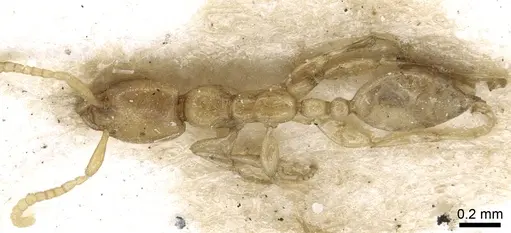
Literatura
A carregar mapa de distribuição...A carregar produtos...