
Leptanilla butteli
- Nome cient.
- Leptanilla butteli
- Tribo
- Leptanillini
- Subfamília
- Leptanillinae
- Autor
- Forel, 1913
- Distribuição
- Encontrado em 0 países
Introdução
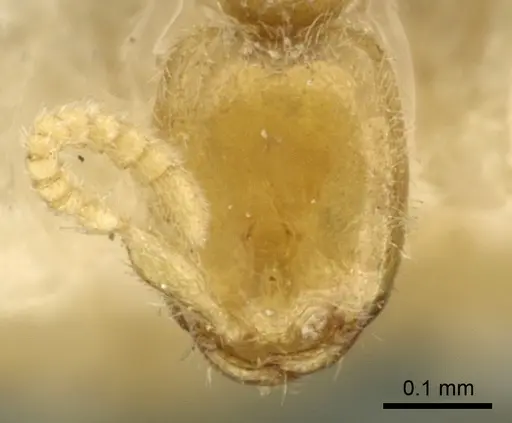
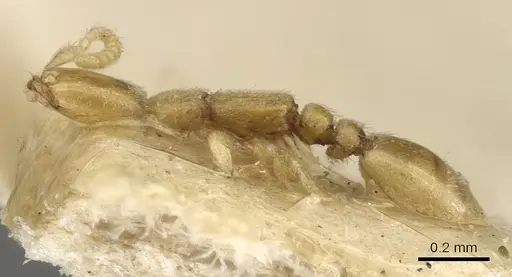
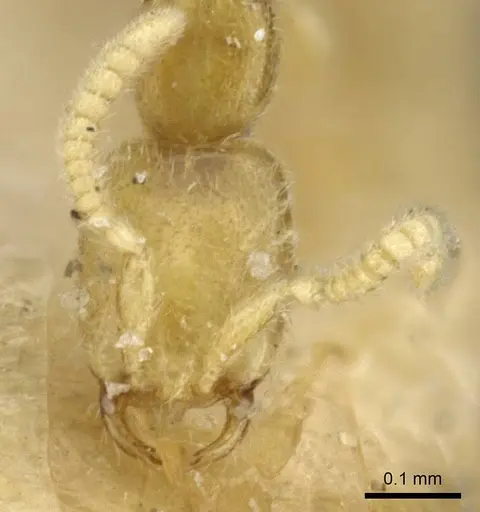
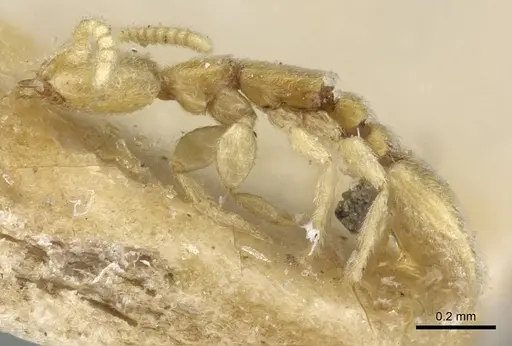
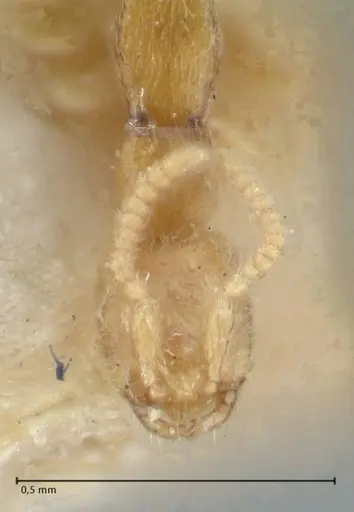
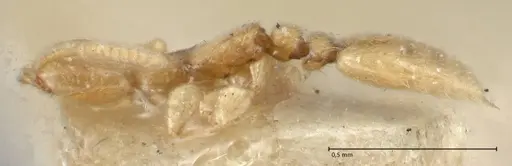
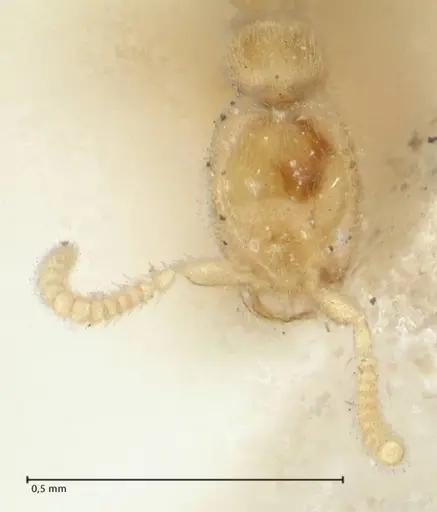
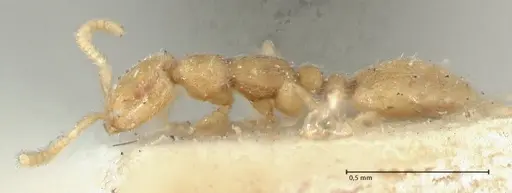
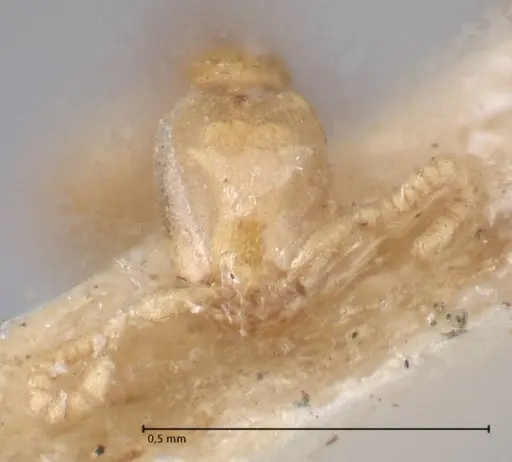
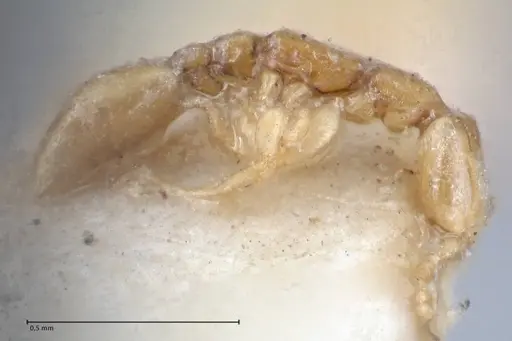
Leptanilla butteli is an extremely tiny ant species, among the smallest ants in the world, with workers measuring approximately 1.4-1.5mm in total length . These ants are found only in Malaysia, specifically in Selangor and Malacca . They belong to the Leptanillinae subfamily, a group of subterranean ants that rarely appear on the surface. Workers have distinctive features including just two mandibular teeth, which is rare in the genus, and abdominal sternite II projects distinctly below the level of abdominal sternite III . The genus Leptanilla is known for being among the rarest and most cryptic ants, with most species known from only a handful of specimens.
Quick Summary
- Difficulty: Expert
- Origin & Habitat: Native to Malaysia (Selangor, Malacca) in the Indomalaya region. As subterranean ants, they inhabit soil and rotting wood in forested areas [4].
- Colony Type: Colony structure is unconfirmed. Based on genus patterns, likely single-queen colonies.
- Size & Growth:
- Queen: Size data unavailable for this species.
- Worker: Approximately 1.4-1.5mm [1].
- Colony: Likely small colonies of under 100 workers based on genus patterns.
- Growth: Likely slow based on small colony sizes typical of the genus.
- Development: Unconfirmed for this species. (Development timeline is unconfirmed.)
- Antkeeping:
- Temperature: Keep around 24-28°C based on their tropical Malaysian distribution.
- Humidity: High humidity is essential, these are subterranean ants that need consistently moist substrate. Keep the nest substrate damp but not waterlogged.
- Diapause: Unlikely to require diapause given their tropical origin.
- Nesting: Use a naturalistic setup with fine, moist substrate. These tiny ants are excellent escape artists due to their minute size. Tight-fitting barriers and fine mesh are essential. Test tube setups with cotton-plugged water reservoirs are practical for their tiny size.
- Behavior: These ants are extremely cryptic and spend most of their time underground. They are likely predatory on other small arthropods like springtails and mites. Workers forage individually rather than in groups. Their tiny size makes them nearly invisible and excellent at escaping through the smallest gaps. They are not aggressive and pose no threat to humans.
- Common Issues: escape prevention is critical, they are among the smallest ants and can squeeze through gaps invisible to the naked eye, very small colony sizes mean losses have major impact on colony survival, subterranean lifestyle makes them hard to observe and easy to accidentally lose, wild-caught colonies may be nearly impossible to find given their rarity, overfeeding can quickly lead to mold in their humid setup
Understanding Leptanilla Biology
Leptanilla butteli belongs to the Leptanillinae subfamily, a group of ants that are among the rarest and most poorly studied in the world. These ants are subterranean, meaning they live underground and rarely come to the surface. Their tiny size makes them incredibly difficult to find and study in the wild. The species is distinguished from other Leptanilla by having only two mandibular teeth, a rare trait in the genus [2]. They likely prey on other small arthropods like springtails, mites, and other micro-arthropods found in soil. The genus is known for cryptic behavior, with colonies often consisting of just a few dozen to a hundred workers.
Housing and Escape Prevention
Housing Leptanilla butteli presents unique challenges due to their minute size. They are among the smallest ants in the world and can escape through gaps that are virtually invisible to the human eye. Excellent escape prevention is essential, use tight-fitting lids, fine mesh, and consider barrier methods like fluon on test tube rims. A test tube setup with a cotton-plugged water reservoir works well for founding colonies. For established colonies, a small naturalistic setup with fine, moist substrate allows them to create their own tunnels. The nest area should be kept dark or covered, as these subterranean ants prefer dim conditions.
Feeding and Diet
Based on genus patterns, Leptanilla butteli is likely predatory on small live prey. Offer small live springtails, mites, and other micro-arthropods. These tiny ants cannot tackle prey much larger than themselves. Feed small prey items 2-3 times per week, removing any uneaten prey after 24 hours to prevent mold in the humid setup. Sugar sources are unlikely to be accepted, these are specialized predators, not sugar-feeding ants.
Temperature and Humidity
Keep these tropical Malaysian ants warm, ideally around 24-28°C. A slight temperature gradient allows the colony to self-regulate. High humidity is critical, these subterranean ants evolved in consistently moist underground environments. Keep the nest substrate damp but not waterlogged. A water tube or small reservoir connected to the nest helps maintain humidity through evaporation. Avoid both drying out and stagnant, overly wet conditions.
Frequently Asked Questions
How long does it take for Leptanilla butteli to produce first workers?
The egg-to-worker timeline is unconfirmed for this species.
Can I keep Leptanilla butteli in a test tube?
Yes, test tubes work well for this species. Use a cotton-plugged water reservoir and keep the setup humid. However, escape prevention is critical, these are tiny ants that can squeeze through the smallest gaps.
What do Leptanilla butteli ants eat?
They are likely predatory on small live prey like springtails, mites, and other micro-arthropods. Feed small live prey items 2-3 times per week. Sugar sources are unlikely to be accepted.
Are Leptanilla butteli ants dangerous?
No, these tiny ants pose no danger to humans. Their stinger is too small to penetrate human skin, and they are not aggressive.
How big do Leptanilla butteli colonies get?
Colony size is unconfirmed but likely small, probably under 100 workers based on typical colony sizes for the genus.
Do Leptanilla butteli need hibernation?
Unlikely to require hibernation given their tropical Malaysian origin.
Why are my Leptanilla butteli escaping?
These are among the smallest ants in the world and can escape through gaps invisible to the naked eye. Use fine mesh, tight-fitting lids, and barrier methods like fluon. Check all connections and seams carefully.
Is Leptanilla butteli good for beginners?
No, this species is recommended for expert antkeepers only. Their tiny size, cryptic behavior, specific dietary needs, and extreme escape risk make them challenging to keep successfully.
Can I keep multiple Leptanilla butteli queens together?
Colony structure is unconfirmed for this species. Based on genus patterns, they likely form single-queen colonies. Combining unrelated queens is not recommended as it has not been documented.
When should I move Leptanilla butteli to a formicarium?
Keep them in a test tube or small naturalistic setup for as long as possible. Only consider moving to a formicarium when the colony reaches significant size and the test tube setup becomes crowded.
Report an Issue
The current care sheet is based fully on literature. See inconsistencies, or something that's incorrect? Please , it will be resolved after review from an admin. Contributing to the blogs tab also helps providing information, to make us be able to further improve the caresheets. Thank you for your support!
References

Esta ficha de cuidados é licenciada sob CC BY-SA 4.0 .
Blogs da comunidade
CASENT0901484
Ver no AntWeb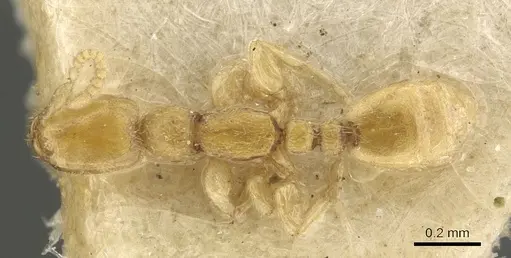
CASENT0907031
Ver no AntWeb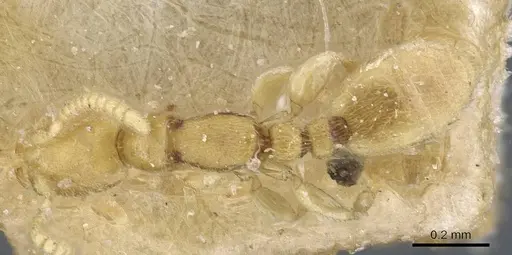
FOCOL1121
Ver no AntWeb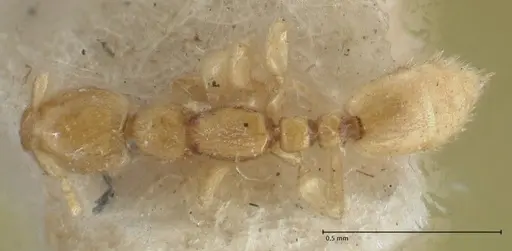
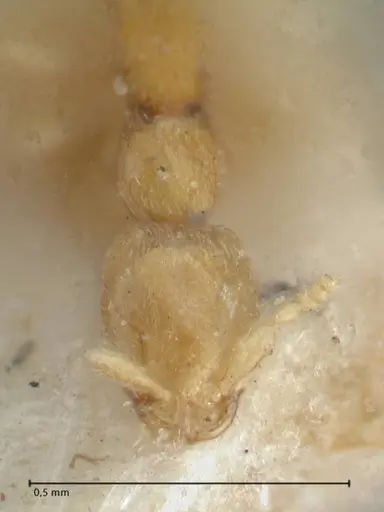
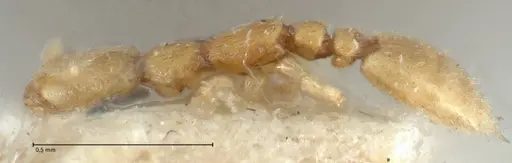
FOCOL1122
Ver no AntWeb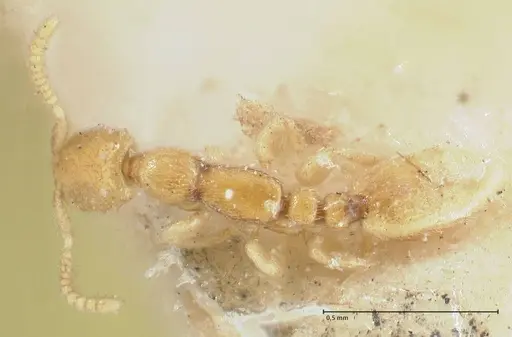
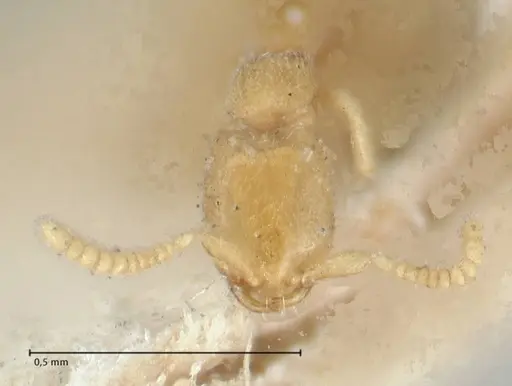
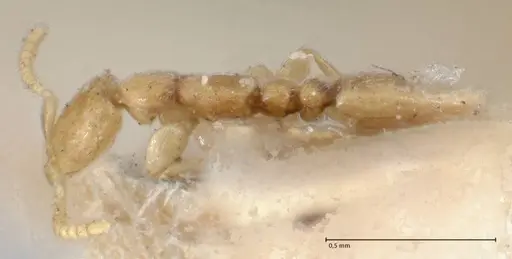
FOCOL1123
Ver no AntWeb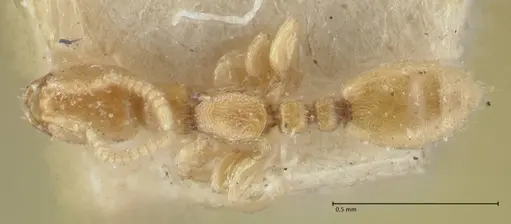
FOCOL1124
Ver no AntWeb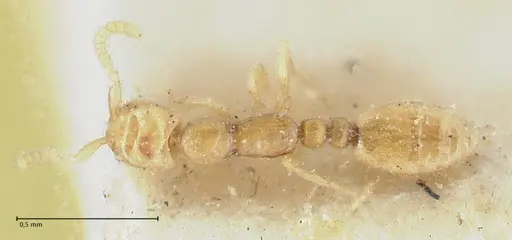
FOCOL1125
Ver no AntWeb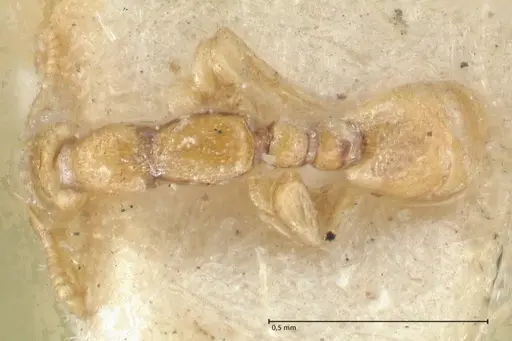
Literatura
A carregar mapa de distribuição...A carregar produtos...