
Leptanilla argamani
- Nome cient.
- Leptanilla argamani
- Tribo
- Leptanillini
- Subfamília
- Leptanillinae
- Autor
- Kugler, 1987
- Distribuição
- Encontrado em 0 países
Introdução
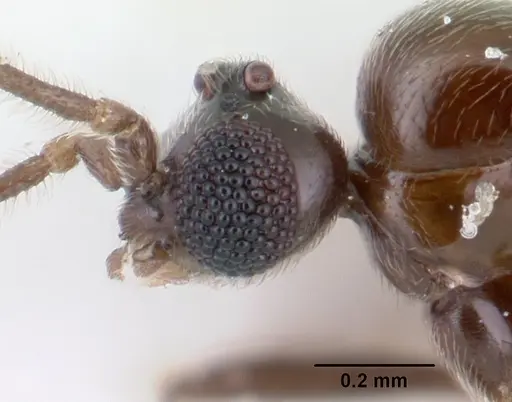
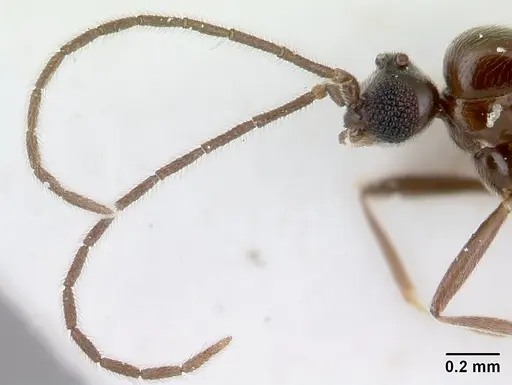
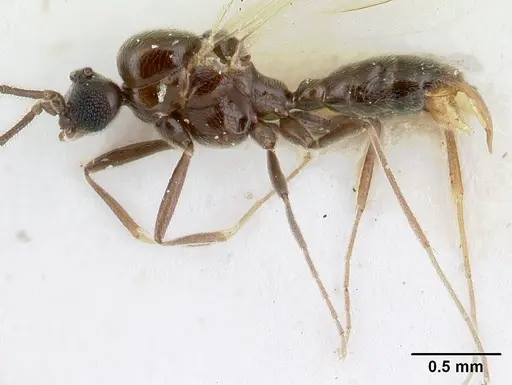
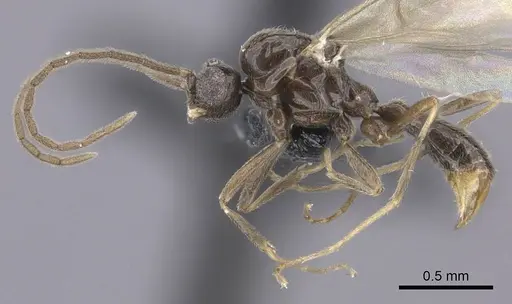
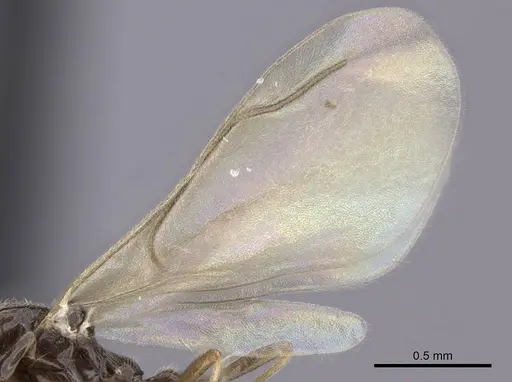
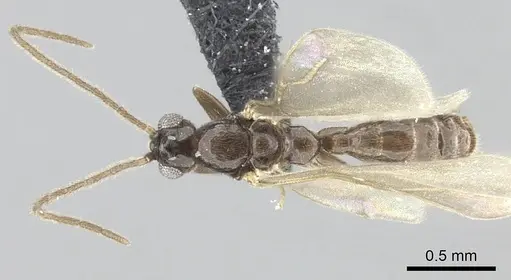
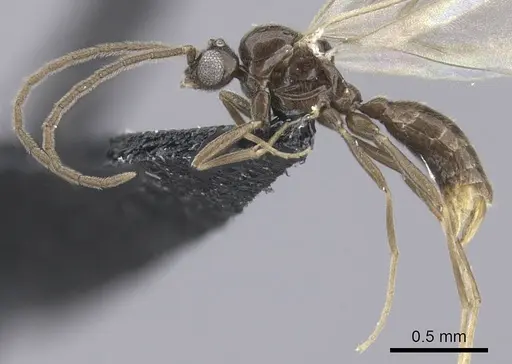
Leptanilla argamani is an extremely rare ant species originally described as Yavnella argamani and recently synonymized with the genus Leptanilla in 2024. This species is known only from male specimens collected in Israel - no workers or queens have ever been discovered or described. Males are tiny at 1.7-2.5mm, with a dark brownish-black coloration and very shiny appearance. They were collected at lights and by sweeping vegetation in the Yavne area and Jordan Valley between 1981-1984. This species represents one of the least known ants in the world, with virtually no information available about its colony structure, behavior, or captive care requirements.
Quick Summary
- Difficulty: Expert
- Origin & Habitat: Endemic to Israel, specifically found in the northern, central, and southern Coastal Plain regions and Jordan Valley [1]. This is a Palaearctic species with no records outside Israel.
- Colony Type: Unknown, only males have ever been collected. The colony structure (single-queen or multi-queen) is completely unconfirmed.
- Size & Growth:
- Queen: Unknown, no queens have ever been described [2]
- Worker: Unknown, no workers have ever been described [2]
- Colony: Unknown, no colonies have ever been found [2]
- Growth: Unknown
- Development: Unknown, no colony has ever been established in captivity (This species is known only from males collected at lights. No workers, queens, or colonies have ever been documented.)
- Antkeeping:
- Temperature: Unknown, no captive observations exist. Temperature requirements are unconfirmed.
- Humidity: Unknown, no captive observations exist. Humidity preferences are unconfirmed.
- Diapause: Unknown, no data on seasonal behavior
- Nesting: Unknown, no natural nesting observations exist. Related Leptanilla species are subterranean, but specific nesting preferences for L. argamani are unconfirmed.
- Behavior: Completely unknown, no behavioral observations exist for this species. Related Leptanilla species are known to be predators that hunt other small arthropods, but specific behavior for L. argamani is unconfirmed. Escape risk cannot be assessed due to unknown worker size.
- Common Issues: no workers have ever been described, this species may be impossible to keep in captivity, no information exists on founding behavior or colony establishment, the complete lack of captive data makes any care recommendations highly speculative, only known from male specimens collected at lights, no natural colony has ever been found, related Leptanilla species are specialized predators, making diet requirements challenging
Why This Species Is Extremely Challenging
Leptanilla argamani presents perhaps the greatest challenge in antkeeping because it is known only from male specimens. The original specimens were collected at lights in Israel between 1981-1984,and no additional specimens or colonies have ever been documented since. This means no antkeeper has ever successfully kept a colony of this species, and there is no scientific literature describing workers, queens, colony structure, or any aspect of their biology that would help guide captive care. The recent 2024 taxonomic revision moved this species from Yavnella to Leptanilla based on phylogenetic analysis, but this only provides information about their evolutionary relationships, not their care requirements.
What We Know About Related Species
While L. argamani itself is unknown in captivity, the broader Leptanilla genus provides some clues. Leptanilla species are typically tiny subterranean ants that are rarely seen because they nest underground and forage in soil or rotting wood. Many Leptanilla species are predators that specialize on hunting other small arthropods, including centipedes and other ants. However, these are general patterns and may not apply specifically to L. argamani. The genus Leptanillinae (which includes Leptanilla) is known for having some of the most cryptic and poorly understood ant species in the world, with many species known only from males collected in pitfalls or at lights. [2]
Is It Possible to Keep This Species?
The honest answer is: we do not know, and it is likely extremely difficult if not impossible. To keep this species, you would need to first locate a colony in the wild, which has never been done in documented history. Even if a colony were found, the tiny size of the males (1.7-2.5mm) suggests workers would be even smaller, making them incredibly difficult to house and feed. The specialized predatory nature of related species means they likely require live prey. For these reasons, this species is not recommended for any antkeeper, including experts. There are many other Leptanilla and related species with established care protocols that would be far better choices. [1]
Taxonomy and Discovery
This species was originally described by J. Kugler in 1987 as Leptanilla argamani based solely on male specimens collected in Israel. The genus Yavnella was created for species known only from males, as the workers and queens were completely unknown. In 2024,Zachary Griebenow published a comprehensive revision of the Leptanillinae subfamily and synonymized Yavnella with Leptanilla based on phylogenetic analysis, placing L. argamani within the Leptanilla genus. The type locality is Yavne, Israel, with additional specimens collected from Shluchot in the Jordan Valley. This species is endemic to Israel, meaning it is found nowhere else in the world.
Frequently Asked Questions
Can I keep Leptanilla argamani ants?
No, this species is not recommended for antkeeping. No one has ever documented keeping a colony of this species because no workers or queens have ever been found. Only male specimens collected at lights in Israel exist.
Why are there no workers for Leptanilla argamani?
This species is known only from males because the workers and queens have never been discovered or described. This is not unusual, many Leptanillinae species are only known from males collected at lights or in pitfalls. The females remain completely unknown.
How big do Leptanilla argamani ants get?
The only known specimens are males, which measure 1.7-2.5mm in length. The worker size is completely unknown, but they would likely be even smaller than the males, possibly under 2mm.
What do Leptanilla argamani eat?
This is completely unknown. Related Leptanilla species are predators that hunt small arthropods, but no specific dietary information exists for L. argamani.
Where is Leptanilla argamani found?
This species is endemic to Israel, found only in the Coastal Plain regions and Jordan Valley. It has never been documented anywhere else in the world.
Do Leptanilla argamani queens exist?
Queens for this species have never been discovered or described. Only male specimens have ever been collected. This is one of the most poorly known ant species in the world.
What is the difficulty level for keeping Leptanilla argamani?
This species is not keepable with current knowledge. It would be classified as Expert or beyond, as no information exists about colony establishment, care requirements, or even what workers look like.
Can I find Leptanilla argamani in the wild?
This species has only been collected a handful of times in Israel between 1981-1984. It is extremely rare and has not been documented since. Finding a colony would require significant fieldwork in Israel and significant expertise.
Report an Issue
The current care sheet is based fully on literature. See inconsistencies, or something that's incorrect? Please , it will be resolved after review from an admin. Contributing to the blogs tab also helps providing information, to make us be able to further improve the caresheets. Thank you for your support!
References

Esta ficha de cuidados é licenciada sob CC BY-SA 4.0 .
Blogs da comunidade
CASENT0101728
Ver no AntWeb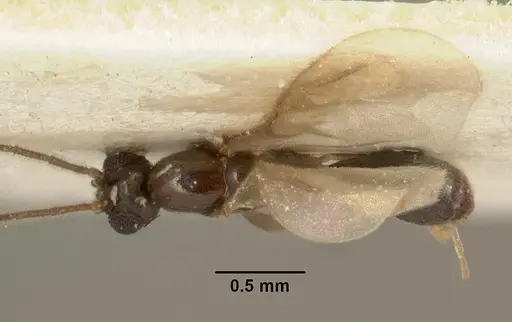
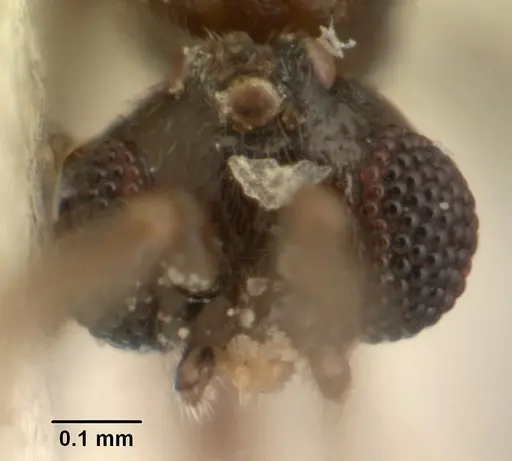
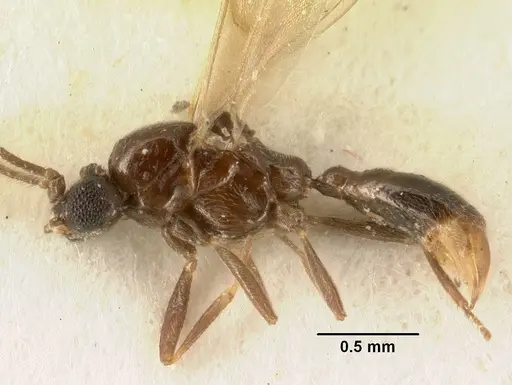
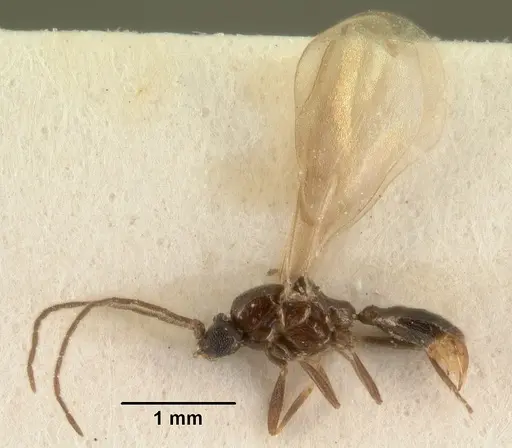
CASENT0178519
Ver no AntWeb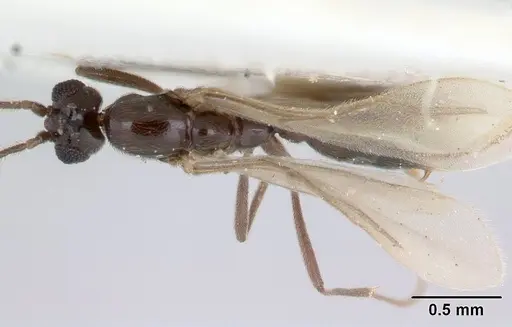
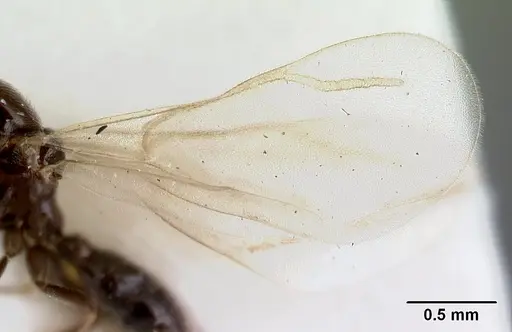
CASENT0235253
Ver no AntWeb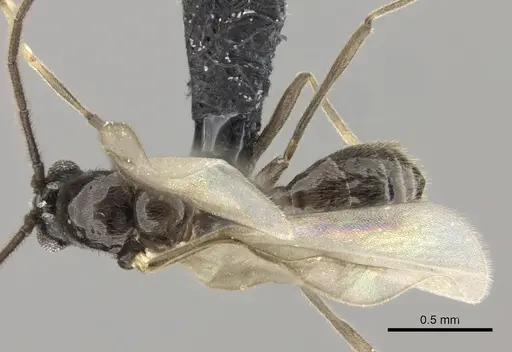
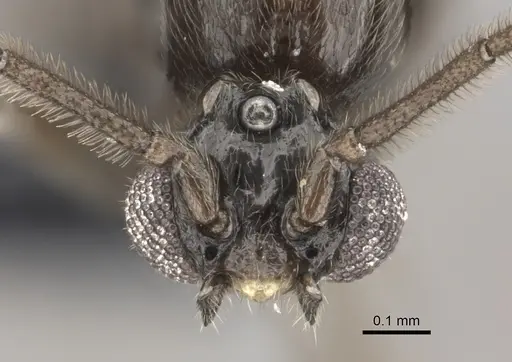
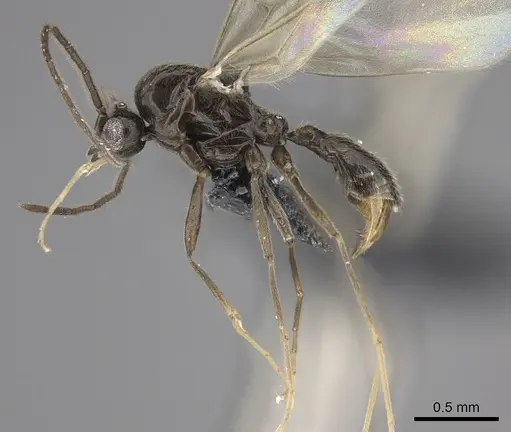
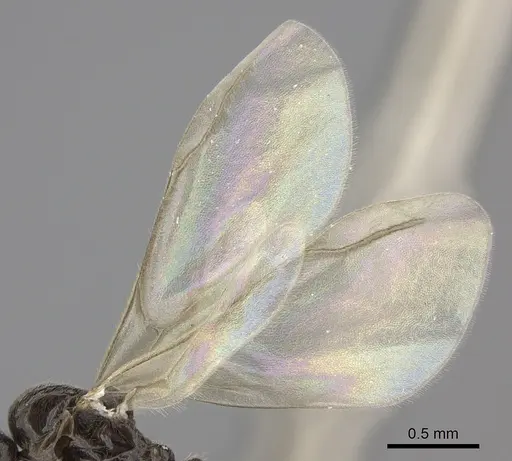
CASENT0235261
Ver no AntWeb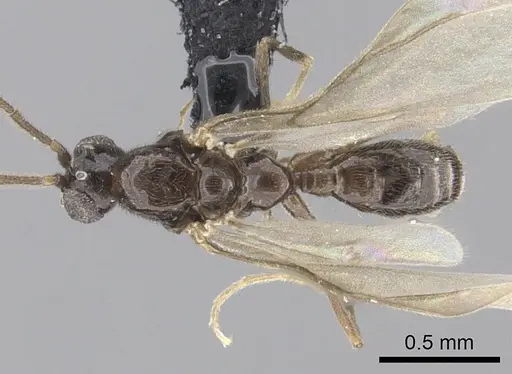
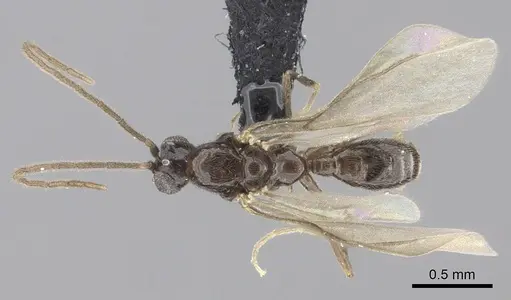
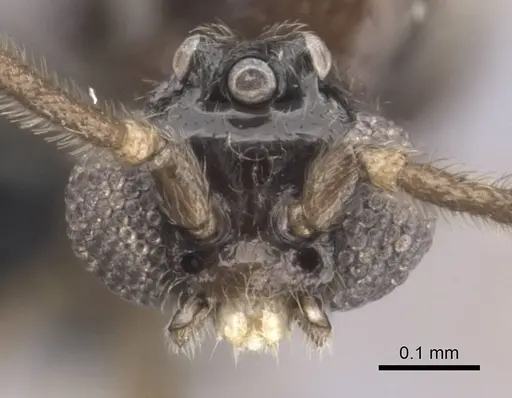
CASENT0235263
Ver no AntWeb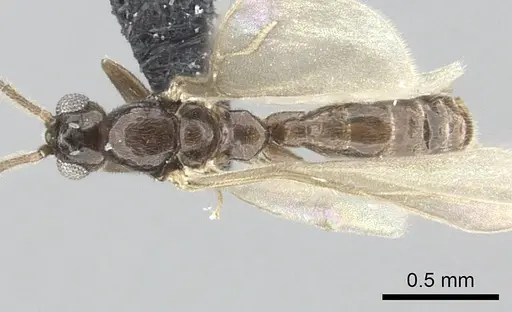
Literatura
A carregar mapa de distribuição...A carregar produtos...