
Lepisiota ambigua
- Nome cient.
- Lepisiota ambigua
- Tribo
- Plagiolepidini
- Subfamília
- Formicinae
- Autor
- Santschi, 1935
- Distribuição
- Encontrado em 0 países
Introdução
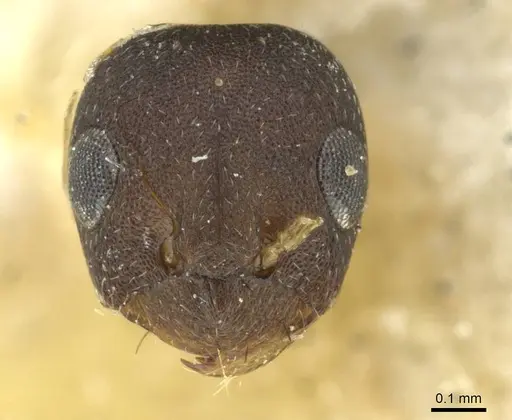
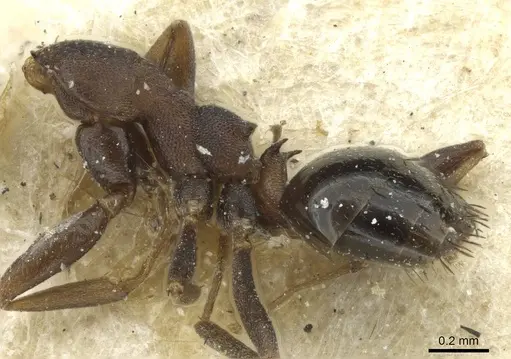
Lepisiota ambigua is a small ant species originally described from the Democratic Republic of Congo in 1935 by Santschi. Workers have the typical Lepisiota body shape with a distinctively angled petiole (the narrow waist segment) and a pointed gaster (the rear body section). The genus Lepisiota is known for members that can deliver a sharp sting, so this species likely has similar defensive capabilities. Recent surveys have confirmed this species extends throughout West Africa, with a new record documented in Nigeria in 2024 . These ants inhabit tropical regions in the Afrotropical zone.
Quick Summary
- Difficulty: Medium
- Origin & Habitat: Democratic Republic of Congo and West Africa, tropical forest environments in the Afrotropical region [1][2]
- Colony Type: Unknown, colony structure has not been documented for this species
- Size & Growth:
- Queen: Size data unavailable, no specific measurements exist for this species
- Worker: Size data unavailable, no specific measurements exist for this species
- Colony: Unknown, no colony size data has been documented
- Growth: Unknown, development rate has not been studied
- Development: Unknown, no species-specific development data exists (Development time inferred from related Formicinae species, direct measurements for this species are unavailable)
- Antkeeping:
- Temperature: Keep nest area at 24-28°C, these are tropical ants that need warm conditions. A heating cable on one side of the nest creates a temperature gradient. Room temperature may suffice if your home stays in this range, otherwise use gentle bottom heating.
- Humidity: Maintain moderate to high humidity, aim for 60-80% relative humidity. Keep the nest substrate consistently moist but not waterlogged. Mist occasionally and provide a water tube for drinking. These forest-dwelling ants prefer damp conditions.
- Diapause: No, as a tropical species from Central/West Africa, they do not require hibernation. Keep them warm year-round.
- Nesting: In captivity, they do well in Y-tong (AAC) nests, plaster nests, or naturalistic setups with soil. They prefer enclosed nests with narrow chambers. Provide some damp substrate for brood chambers. Avoid completely dry environments.
- Behavior: Lepisiota ants are known for being active foragers with a defensive sting. Workers likely search for food actively across the outworld. They are probably aggressive when defending the colony and will sting if threatened. Their small size means escape prevention is important, use fine mesh barriers and tight-fitting lids. Workers likely accept both sugar sources and protein foods.
- Common Issues: tropical temperature requirements mean colonies can struggle in cool rooms or air-conditioned spaces, small size makes escape prevention critical, they can squeeze through tiny gaps, sting capability means careful handling is needed, they will defend the colony vigorously, high humidity needs can lead to mold problems if ventilation is poor, limited species-specific information means keepers must adapt care from related species
Housing and Nest Setup
Lepisiota ambigua can be kept in various nest types that provide the warmth and humidity they need. Y-tong (AAC) nests work well because they allow you to control humidity easily and provide dark chambers that ants prefer. Plaster nests are another good option, the plaster holds moisture well and helps maintain the humidity levels these tropical ants need. If using a naturalistic setup, use a soil-based substrate that stays damp but not soggy. The nest should have several small chambers for the queen, brood, and food storage. Place the nest in a warm area of your setup, ideally with a temperature gradient so the ants can choose their comfort zone. An outworld (foraging area) attached to the nest allows you to feed them without disturbing the colony.
Feeding and Diet
Like most ants in the subfamily Formicinae, Lepisiota ambigua likely accepts a varied diet. Offer sugar water, honey, or diluted maple syrup as a constant energy source, change this every few days to prevent mold. For protein, provide small insects like fruit flies, pinhead crickets, or mealworms. Since they're small ants, portion sizes should be tiny. You can also offer small amounts of seeds or dead insects. Feed them 2-3 times per week with protein, and keep sugar water available at all times. Remove any uneaten protein after 24 hours to prevent mold and fruit flies. These ants are active foragers, so they'll readily search for food in the outworld.
Temperature and Seasonal Care
As a tropical species from Central/West Africa, Lepisiota ambigua needs consistently warm temperatures. Keep the nest area between 24-28°C (75-82°F). Temperatures below 22°C can slow down brood development significantly, and prolonged cold can kill the colony. You can use a heating cable placed on top of the nest (never underneath where it could dry out the substrate) or a heat mat on one side of the formicarium to maintain warmth. Create a gradient so ants can move between warmer and cooler areas. Since they don't undergo diapause, maintain these temperatures year-round. Avoid placing the nest near air conditioners, drafts, or cold windows in winter.
Behavior and Defense
Members of the genus Lepisiota are known for their active foraging behavior and defensive capabilities. Workers will likely patrol the outworld regularly searching for food and resources. When threatened, they defend vigorously and can deliver a sting, while not as painful as some larger stinging ants, the sting can still be noticeable. Handle their setup with care and avoid disturbing the nest too often, especially once the colony is established. Their small size means they're capable of escaping through very small gaps. Use fluon or similar barriers on the rim of the outworld and ensure all connections are secure. Despite their small size, they're bold foragers and will investigate new items in their environment quickly.
Frequently Asked Questions
How long does it take for Lepisiota ambigua to produce first workers?
Unknown, no species-specific development data exists. Based on related Formicinae species, expect first workers around 6-8 weeks at optimal temperatures (24-28°C), but this is an estimate only.
What temperature do Lepisiota ambigua need?
Keep them warm at 24-28°C (75-82°F). These are tropical ants that need consistent warmth year-round. A heating cable or heat mat can help maintain temperatures in this range.
Can I keep multiple Lepisiota ambigua queens together?
Not recommended without specific documentation. While some Lepisiota species may found colonies pleometrotically (multiple queens starting together), there's no data on this behavior for L. ambigua. It's safest to start with a single queen.
How big do Lepisiota ambigua colonies get?
Unknown, no colony size data has been documented for this species. Based on typical Lepisiota genus patterns, colonies may reach several hundred workers, but this is unconfirmed.
What do Lepisiota ambigua eat?
Offer sugar water, honey, or maple syrup as a constant energy source. For protein, provide small insects like fruit flies, pinhead crickets, or mealworms. Feed protein 2-3 times per week.
Do Lepisiota ambigua need hibernation?
No. As a tropical species from Central/West Africa, they don't undergo diapause. Keep them warm year-round without seasonal temperature drops.
Are Lepisiota ambigua good for beginners?
They are moderate difficulty. The main challenges are maintaining tropical temperatures and humidity, plus their sting capability requires careful handling. If you can provide warm, humid conditions consistently, they can be a rewarding species.
Why are my Lepisiota ambigua dying?
Common causes include temperatures that are too cool (below 22°C), humidity that's too dry, mold from over-misting or poor ventilation, or escape through tiny gaps. Check all of these parameters and make adjustments gradually.
When should I move Lepisiota ambigua to a formicarium?
Wait until the colony has at least 20-30 workers before moving them. The queen should be well-established and the colony active. Moving too early can stress the colony. Use a formicarium with appropriate humidity control.
Report an Issue
The current care sheet is based fully on literature. See inconsistencies, or something that's incorrect? Please , it will be resolved after review from an admin. Contributing to the blogs tab also helps providing information, to make us be able to further improve the caresheets. Thank you for your support!
References

Esta ficha de cuidados é licenciada sob CC BY-SA 4.0 .
Blogs da comunidade
CASENT0066802
Ver no AntWeb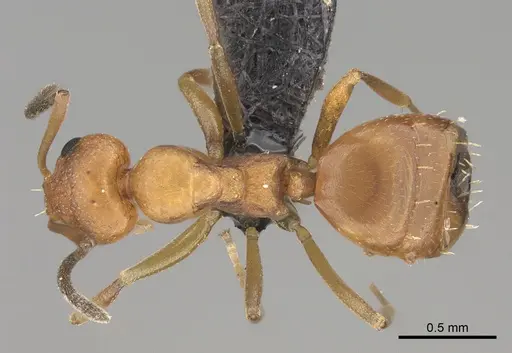
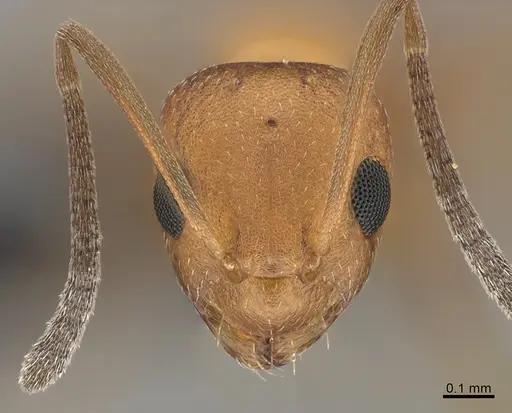
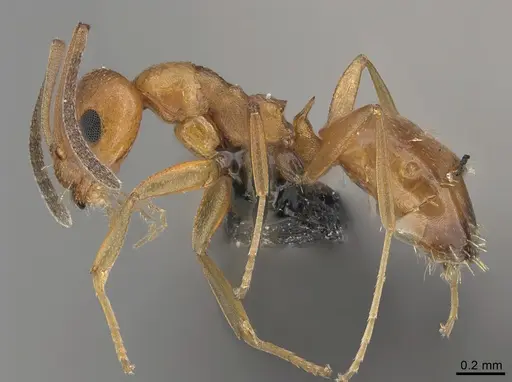
RMCAENT000017803
Ver no AntWeb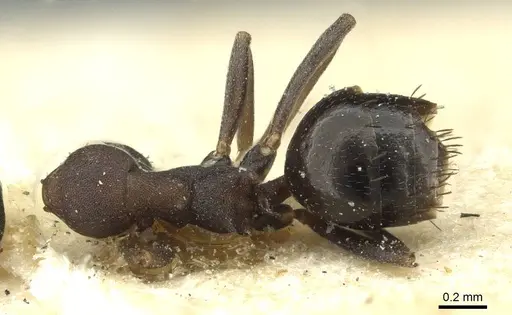
Literatura
A carregar mapa de distribuição...A carregar produtos...