
Fulakora bierigi
- Nome cient.
- Fulakora bierigi
- Tribo
- Amblyoponini
- Subfamília
- Amblyoponinae
- Autor
- Santschi, 1930
- Distribuição
- Encontrado em 0 países
Introdução
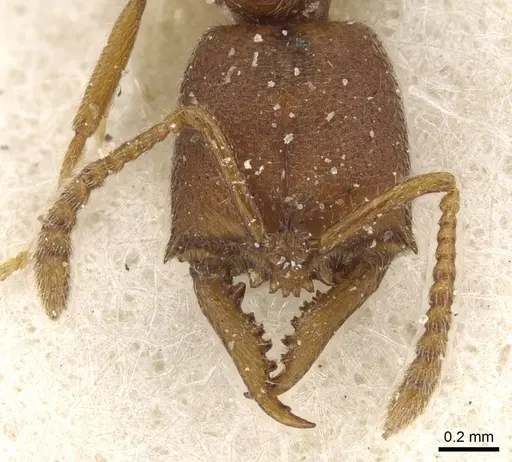
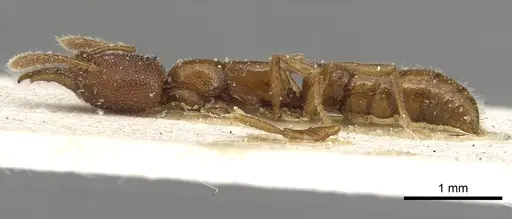
Fulakora bierigi is a small, rare ant species native to Cuba, belonging to the Amblyoponinae subfamily - commonly known as dracula ants due to their unique feeding behavior. Workers are small and slender with distinctive elongated mandibles adapted for predatory hunting. The species was originally described as Stigmatomma bierigi in 1930 and was reclassified to the genus Fulakora in 2016 . These ants are endemic to Cuba, specifically the Havana region, making them a scarce species for antkeepers. What makes this species unusual is their dracula ant feeding behavior - they are predatory hunters that target small prey like springtails and mites. They obtain nutrients by hunting and killing prey, then feeding on the prey's body fluids. They also practice non-destructive cannibalism where they gently puncture their own larvae to drink hemolymph (the insect equivalent of blood) without killing them. This supplements their protein intake between successful hunts.
Quick Summary
- Difficulty: Expert
- Origin & Habitat: Endemic to Cuba, specifically the Havana region. Found in tropical forest habitats, typically nesting in rotting wood or under stones in shaded, humid areas [2].
- Colony Type: Colony structure is unconfirmed. Ergatoid (wingless) replacement reproductives may be present in established colonies.
- Size & Growth:
- Queen: Size data unavailable, inferred from Fulakora genus patterns (~5-6mm)
- Worker: Approximately 4-5mm, inferred from Fulakora genus patterns
- Colony: Likely small colonies up to 200 workers based on typical Amblyoponinae size
- Growth: Slow, Amblyoponinae are slow-growing compared to other ant genera
- Development: 4-6 months, inferred from Amblyoponinae genus patterns (Development is significantly slower than typical ants, expect a long founding period with minimal visible growth for several months)
- Antkeeping:
- Temperature: Keep at 24-28°C. Avoid temperatures below 22°C. A gentle heat gradient is beneficial [2].
- Humidity: High humidity is essential, aim for 70-85% relative humidity. Keep the nest substrate consistently moist but not waterlogged. Provide a water source [2].
- Diapause: No, these are tropical ants that do not require hibernation. Keep them warm year-round [2].
- Nesting: Prefers humid, dark environments. Y-tong (AAC) nests or naturalistic setups with moist substrate work well. Provide narrow chambers scaled to their small size. Avoid drying out [2].
- Behavior: These are shy, secretive ants that avoid light and prefer dark, enclosed spaces. Workers are non-aggressive and will flee rather than confront threats. They are strictly nocturnal or crepuscular, becoming most active when the nest is dark. Escape prevention is important due to their small size, they can squeeze through tiny gaps. They are skilled hunters using their elongated mandibles to capture small prey.
- Common Issues: slow growth causes keepers to lose patience and abandon colonies during the long founding phase, overfeeding with large prey can result in uneaten decay and mold problems, dry conditions quickly lead to colony death, humidity must be consistently high, wild-caught colonies may have parasites that are difficult to treat in captivity, small size makes escape prevention critical, use fine mesh and tight-fitting barriers
Housing and Nest Setup
Fulakora bierigi requires a humid, dark environment that mimics their natural forest floor habitat. Y-tong (AAC) nests work well because they maintain humidity while allowing you to observe the colony. Alternatively, a naturalistic setup with moist soil and hiding structures like cork bark or flat stones can replicate their natural conditions. The nest chambers should be appropriately scaled to their small size, narrow passages and small chambers help them feel secure. Place the nest in a dark area or cover it with an opaque sleeve, as these ants strongly avoid light. A test tube setup can work for founding colonies if kept humid, but transfer to a proper nest once the colony reaches 10-15 workers. [2]
Feeding and Diet
As predatory ants, Fulakora bierigi needs a protein-rich diet primarily consisting of live small invertebrates. Their main prey in captivity should be live springtails, these are ideal because they are small, nutritious, and can be cultured continuously. Other suitable prey includes tiny mealworms, fruit flies, and small crickets. Remove uneaten prey within 24 hours to prevent mold. A unique aspect of this species is their dracula ant behavior: they will gently puncture their own larvae to drink hemolymph, which provides additional nutrition without killing the larvae. This is normal behavior and actually helps the colony survive between successful hunts. Sugar sources are generally not required or accepted, these are strict predators. [2]
Temperature and Humidity Control
Maintain temperatures between 24-28°C with a gentle gradient if possible. Avoid temperatures below 22°C as this can slow activity and potentially harm the colony. A small heating cable on one side of the nest can create the necessary warmth, but place it on top of the nest rather than underneath to prevent excessive drying. Humidity is critical, keep relative humidity at 70-85%. The nest substrate should feel consistently moist to the touch. Check water levels regularly and rehydrate before the substrate completely dries. Mist the outworld occasionally but avoid directly misting the nest as this can create standing water. A water test tube connected to the nest helps maintain humidity. [2]
Colony Founding and Growth
Founding behavior is unconfirmed for this species. The queen may need access to small live prey like springtails or fruit flies during founding if she is semi-claustral. Expect a slow development timeline. The first workers (nanitics) may take 4-6 months to emerge, and they will be smaller than normal workers. Growth continues slowly after that. Patience is essential, do not disturb the nest frequently or expose it to light during this critical period. The colony will remain small even at maturity.
Behavior and Handling
Fulakora bierigi is a shy, non-aggressive species that prefers to flee rather than fight. Workers are nocturnal and become most active in complete darkness. They are skilled hunters using their elongated mandibles to capture prey. Because of their small size and preference for dark environments, they are not a hands-on species, observing them in an appropriately set up nest is the best way to enjoy them. They are not suitable for beginners due to their specific humidity requirements, slow growth, and potentially challenging founding requirements. Escape prevention is important because their small size allows them to squeeze through standard barrier setups, use fine mesh and ensure all connections are sealed. [2]
Frequently Asked Questions
How long does it take for Fulakora bierigi to produce first workers?
Expect 4-6 months from founding to first workers. This is significantly slower than most common ant species due to their Amblyoponinae biology. Patience is essential during the founding phase.
What do Fulakora bierigi eat?
They are strict predators that need live small invertebrates. Feed them live springtails as a primary food source, along with tiny mealworms, fruit flies, and other small prey. Remove uneaten prey within 24 hours.
Do Fulakora bierigi ants sting?
They have a stinger but rarely use it. These ants are shy and non-aggressive, preferring to flee rather than defend. The sting is not medically significant to humans.
Are Fulakora bierigi good for beginners?
No, this is an expert-level species. They require high humidity, specific temperatures, potentially live prey for founding, and have extremely slow growth. They are not recommended for beginners.
Do Fulakora bierigi need hibernation?
No, they are tropical ants from Cuba and do not require hibernation. Keep them warm year-round at 24-28°C.
How big do Fulakora bierigi colonies get?
Colonies remain relatively small, typically reaching up to 200 workers at maturity. This is typical for Amblyoponinae species.
Can I keep multiple Fulakora bierigi queens together?
This has not been documented for this species. Based on typical Amblyoponinae behavior, single-queen colonies are most likely. Combining unrelated queens is not recommended.
Why are my Fulakora bierigi dying?
The most common causes are: low humidity (must stay above 70%), temperatures below 22°C, insufficient live prey, or disturbance during founding. Check all parameters and ensure the queen has access to small live prey if she needs to hunt.
What is the dracula ant behavior?
This refers to their unique feeding method where they puncture their own larvae to drink hemolymph (insect blood) without killing them. This provides additional nutrition and is completely normal behavior.
When should I move Fulakora bierigi to a formicarium?
Wait until the colony has at least 15-20 workers and the founding setup is becoming cramped. Transfer carefully to maintain humidity and provide appropriately sized chambers.
Report an Issue
The current care sheet is based fully on literature. See inconsistencies, or something that's incorrect? Please , it will be resolved after review from an admin. Contributing to the blogs tab also helps providing information, to make us be able to further improve the caresheets. Thank you for your support!
References

Esta ficha de cuidados é licenciada sob CC BY-SA 4.0 .
Blogs da comunidade
CASENT0915097
Ver no AntWeb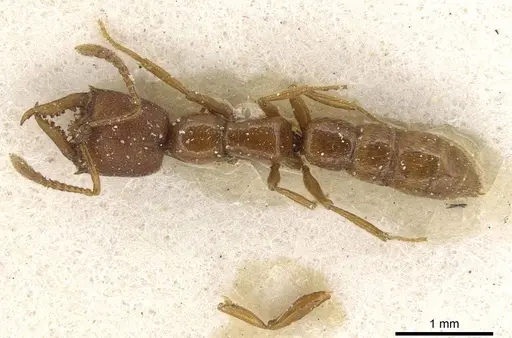
Literatura
A carregar mapa de distribuição...A carregar produtos...