
Forelius antarcticus
- Nome cient.
- Forelius antarcticus
- Tribo
- Leptomyrmecini
- Subfamília
- Dolichoderinae
- Autor
- Forel, 1904
- Distribuição
- Encontrado em 1 países
Introdução
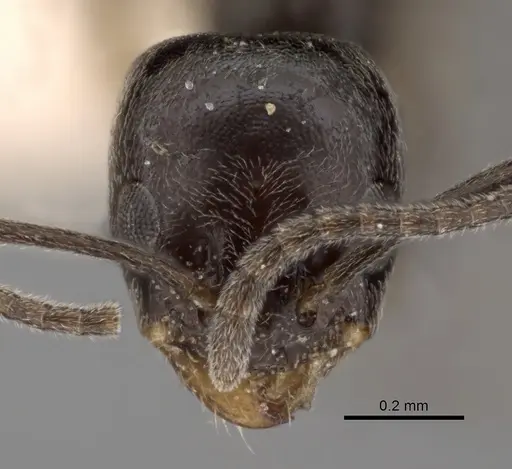
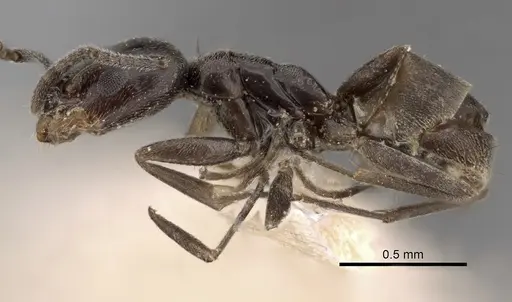
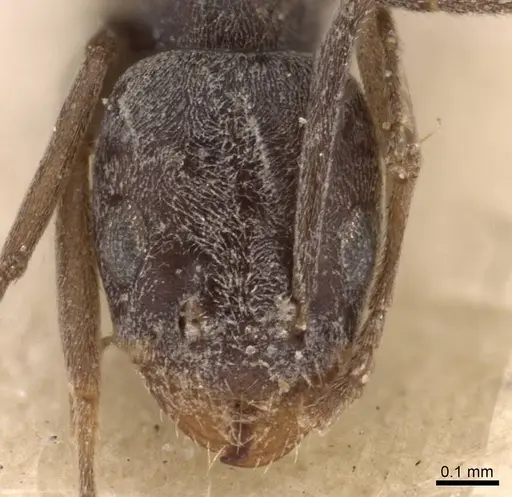
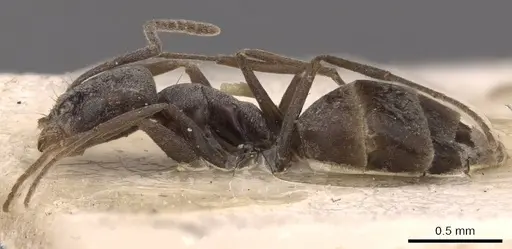
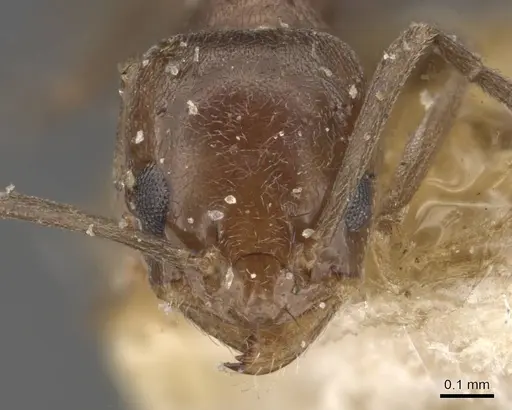
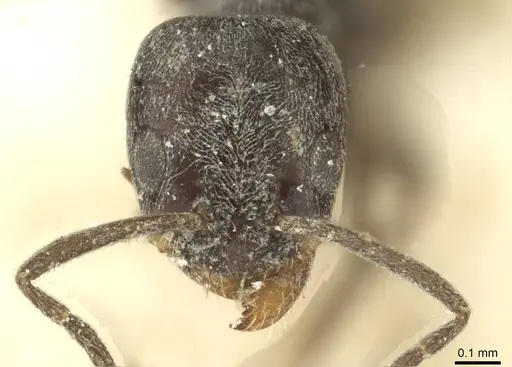
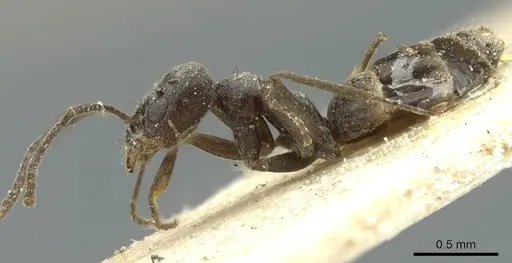
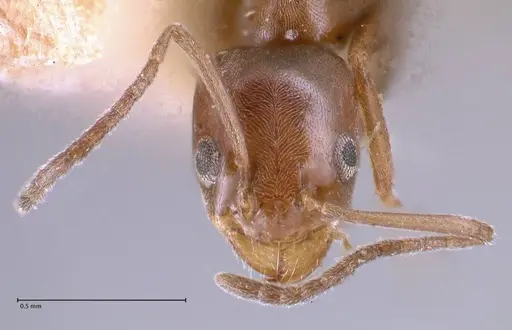
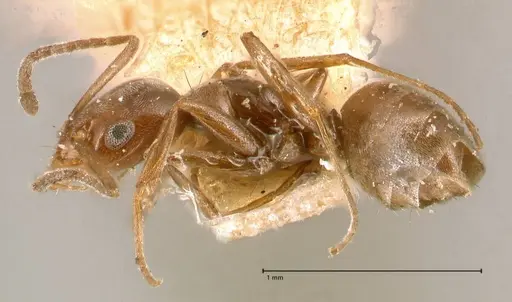
Forelius antarcticus is a small, dark brown ant native to Chile, recently transferred from the genus Tapinoma to Forelius . Workers measure about 1.8-2mm and are a uniform brown color, making them very similar in appearance to the invasive Argentine ant but darker . Queens are larger with relatively long antennae and shorter mesosomas compared to related species . This ant is endemic to Chile, found from Antofagasta in the north down to Linares in the south . In their natural habitat, these ants build shallow nests under stones in dry to semi-desert areas, including the edge of the Atacama Desert . They are seed collectors and show some behavioral adaptations for water carrying, though not as extreme as honey pot ants .
Quick Summary
- Difficulty: Easy
- Origin & Habitat: Endemic to Chile, found from Antofagasta to Linares in dry to semi-desert habitats, often nesting under stones in coastal matorral [4][2][1].
- Colony Type: Colony structure unconfirmed, most Dolichoderines are single-queen, but specific data for this species is unavailable
- Size & Growth:
- Queen: ~4-5mm, inferred from genus patterns (no total length measurement available)
- Worker: ~1.8-2mm [5]
- Colony: Unknown, likely up to several hundred workers based on similar desert-dwelling species
- Growth: Moderate
- Development: 6-10 weeks (estimated based on typical Dolichoderine development) (Development time not directly studied, estimates based on related species and Chilean climate conditions)
- Antkeeping:
- Temperature: Room temperature (20-26°C) is suitable. They tolerate dry, warm conditions well given their desert origin [1].
- Humidity: Low to moderate, prefer dry conditions typical of their semi-desert habitat. Keep nest substrate slightly moist but allow drying periods. Avoid overly humid conditions.
- Diapause: Not required, Chile has mild winters in the northern parts of their range. A brief cool period (2-3 months at 15-18°C) may benefit colonies but is not necessary [2].
- Nesting: Shallow nests under stones in nature, test tubes or Y-tong nests work well. Provide a dry to slightly moist substrate. They do well in formicariums with compact chambers.
- Behavior: These are active foragers that collect seeds and tend honeydew-producing insects. They are not aggressive and typically avoid confrontation. Workers are small but fast-moving. Escape prevention should be moderate, their small size means they can fit through small gaps. They are daytime foragers, active when surface soil temperatures are suitable [6].
- Common Issues: small size means escapes are possible without proper barriers, dry habitat preferences mean overwatering can cause fungal problems, limited availability makes this a specialty species for collectors, endemic to Chile, difficult to obtain outside its native range
Housing and Nest Setup
Forelius antarcticus does well in standard ant housing setups. Test tubes work perfectly for founding colonies, use a water reservoir at one end with a cotton plug creating a humid chamber, while the other end remains dry for the queen to seal herself in. Once the colony reaches 20-30 workers, you can move them to a formicarium. Y-tong (AAC) nests or plaster nests work well because they allow you to control humidity precisely. Given their preference for dry conditions, keep the nest relatively dry with only a small water chamber. Avoid naturalistic setups with soil unless you have experience, these ants prefer compact chambers over elaborate tunnels. Escape prevention should be moderate: use Fluon on the rim of formicariums and ensure any connections are tight, as workers at 2mm can squeeze through small gaps. [4][1]
Feeding and Diet
In the wild, these ants collect grass seeds and tend honeydew-producing insects [4]. In captivity, offer a varied diet: sugar water or honey as an energy source (always available), protein sources like small crickets, mealworms, or fruit flies, and seeds or grain as a natural food item. They are not aggressive predators, so prey items should be small and easy to handle. Feed protein 2-3 times per week, and keep sugar water constantly available once workers emerge. Remove uneaten food after 24-48 hours to prevent mold. Given their desert origin, they may be more tolerant of dry food, seeds can be left longer than perishable protein.
Temperature and Seasonal Care
These ants come from a wide range of Chilean latitudes (Antofagasta to Linares), so they adapt well to typical room temperatures [2]. Keep them between 20-26°C for optimal activity and brood development. They tolerate warmer conditions well given their semi-desert origin. During the summer months (roughly November to March in the southern hemisphere), they will be most active. In winter, you can reduce temperatures slightly to simulate seasonal changes, but a full hibernation is not required given Chile's relatively mild winters. A brief cool period at 15-18°C for 2-3 months may help synchronize their biology but is not strictly necessary. Avoid temperatures below 10°C for extended periods.
Behavior and Colony Dynamics
Forelius antarcticus is a daytime-active species whose foraging patterns are influenced by surface soil temperature [6]. Workers are fast-moving and efficient foragers, characteristic of desert ants. They are not particularly aggressive and will typically flee rather than engage in confrontation. The colony will establish a single queen that seals herself in during founding. The first workers (nanitics) will be smaller than normal workers and will immediately begin foraging to support colony growth. Colonies grow moderately, expect 6-12 months from founding to a stable colony of 50+ workers. They are not known for being escape artists in the sense of climbing smooth surfaces, but their small size means they can fit through tiny gaps in setup connections.
Field Collection and Acquisition
This is an endemic Chilean species that is rarely available in the antkeeping hobby outside of Chile [3]. If you are in Chile and wish to collect a colony, look for shallow nests under stones in dry, semi-desert areas, particularly in the central and northern regions where the species is most common. Collect a queen along with at least 10-15 workers to ensure the colony has enough workers to sustain itself during the founding period. Use a shovel or trowel to carefully excavate under stones. Outside of Chile, this species is very difficult to obtain and is not commonly traded. If you encounter one for sale, ensure it was legally collected and that shipping to your country is permitted.
Frequently Asked Questions
How long does it take for Forelius antarcticus to produce first workers?
Expect 6-10 weeks from egg to first worker (nanitic) at room temperature. This is an estimate based on similar Dolichoderine ants, as specific development data for this species is not available.
Can I keep multiple queens together?
Not recommended. Like most Dolichoderines, this species likely forms single-queen colonies. Multiple unrelated queens will fight, and only one will survive to head the colony.
What temperature range is best for Forelius antarcticus?
Keep them at 20-26°C. They tolerate warm, dry conditions well given their semi-desert habitat in Chile. Room temperature is typically suitable.
How often should I feed Forelius antarcticus?
Offer protein (insects) 2-3 times per week. Keep sugar water or honey available at all times. Remove uneaten food after 24-48 hours to prevent mold.
Are Forelius antarcticus good for beginners?
Yes, they are considered easy to keep. They are tolerant of varying conditions, not aggressive, and have straightforward dietary needs. The main challenge is obtaining them, as they are endemic to Chile and rarely available in the hobby.
Do they need hibernation?
Not strictly required. Chile's climate is mild, and these ants are found in regions with relatively warm winters. A brief cool period (2-3 months at 15-18°C) may benefit them but is not necessary for colony health.
What do Forelius antarcticus eat?
They are omnivores that collect seeds and tend honeydew-producing insects in the wild. In captivity, they accept sugar water or honey, small insects, and seeds. A varied diet is best.
When should I move them to a formicarium?
Move from test tube to formicarium when the colony reaches 20-30 workers. Ensure the formicarium has appropriately sized chambers for their small workers.
Why are my Forelius antarcticus dying?
Common causes include: overwatering (they prefer dry conditions), mold from uneaten food, temperatures too low, or stress from too frequent disturbances. Check that the nest is not too humid and remove uneaten food promptly.
Report an Issue
The current care sheet is based fully on literature. See inconsistencies, or something that's incorrect? Please , it will be resolved after review from an admin. Contributing to the blogs tab also helps providing information, to make us be able to further improve the caresheets. Thank you for your support!
References

Esta ficha de cuidados é licenciada sob CC BY-SA 4.0 .
Blogs da comunidade
CASENT0249758
Ver no AntWeb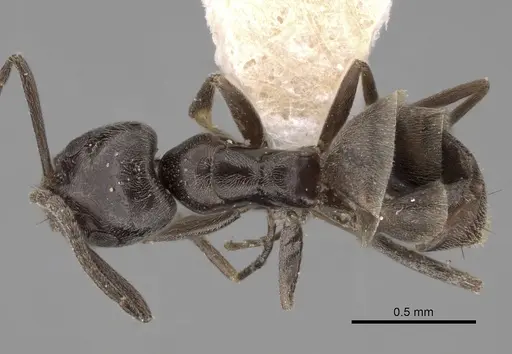
CASENT0907582
Ver no AntWeb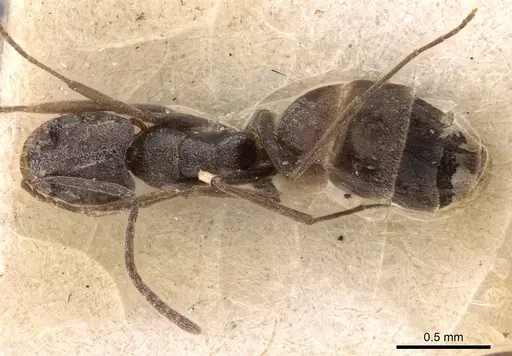
CASENT0909784
Ver no AntWeb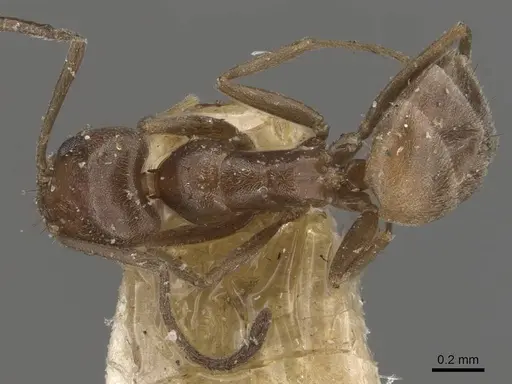
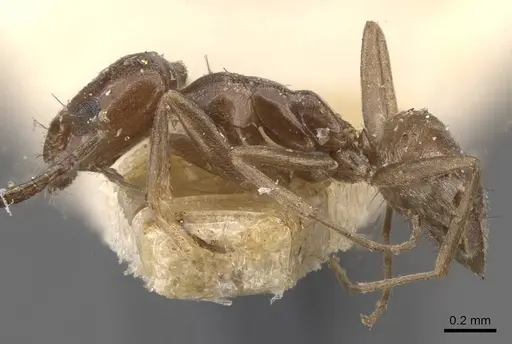
CASENT0911575
Ver no AntWeb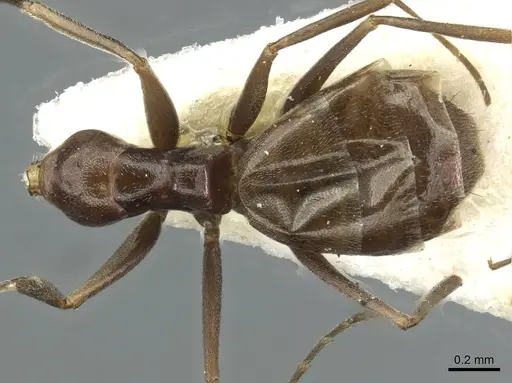
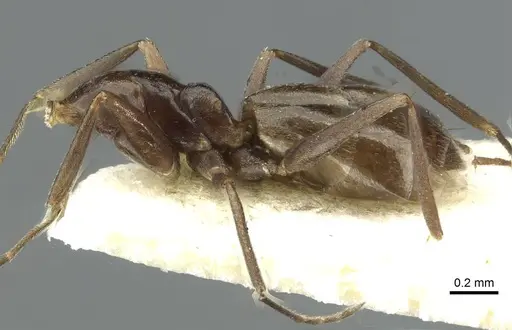
CASENT0911576
Ver no AntWeb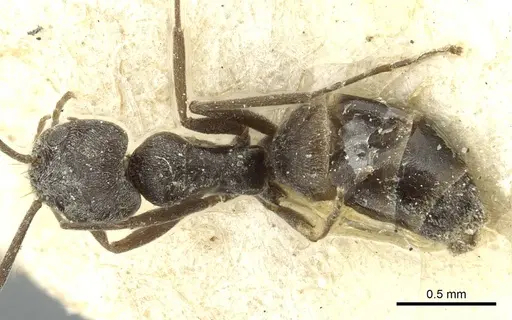
FOCOL0717
Ver no AntWeb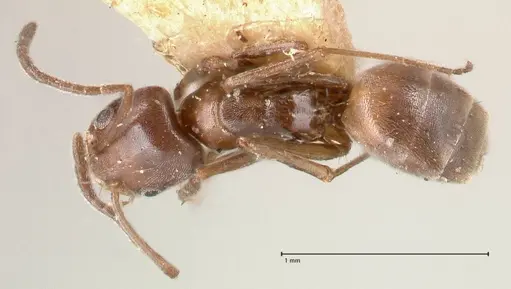
Literatura
A carregar mapa de distribuição...A carregar produtos...