
Dolichoderus cogitans
- Nome cient.
- Dolichoderus cogitans
- Tribo
- Dolichoderini
- Subfamília
- Dolichoderinae
- Autor
- Forel, 1912
- Distribuição
- Encontrado em 1 países
Introdução
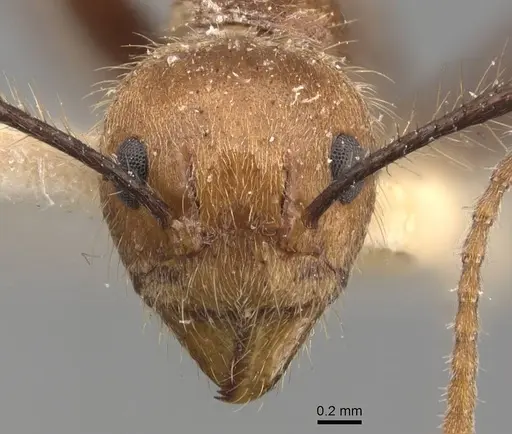
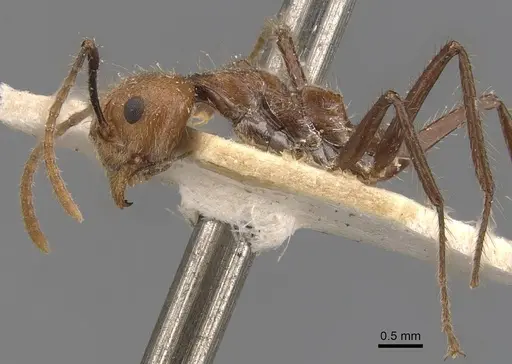
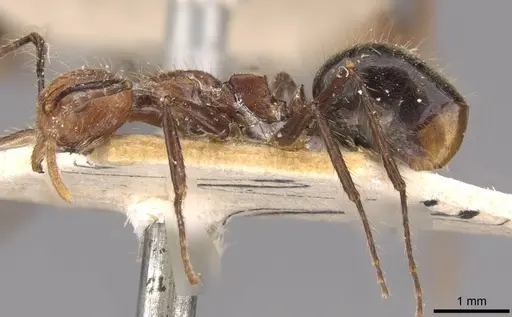
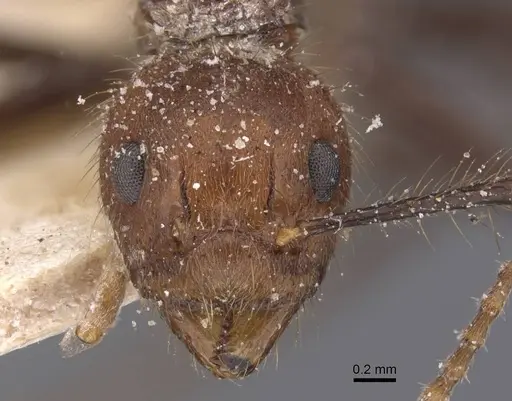
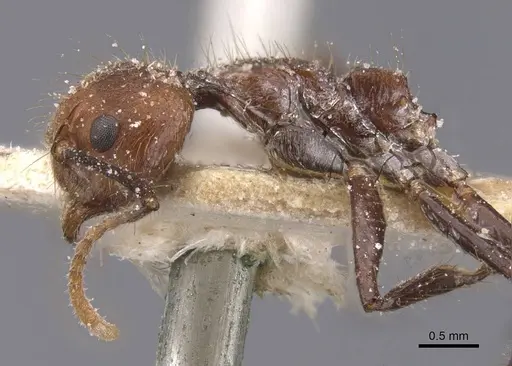
Dolichoderus cogitans is a medium-sized ant species native to the Neotropical region, found across Colombia, Bolivia, Brazil, and Peru . Workers have an oval head, weakly developed propodeal angles, and a weakly bidentate petiole (the segment connecting the thorax and abdomen). They feature erect hairs covering all body surfaces, giving them a somewhat fuzzy appearance . Originally described as a subspecies of Dolichoderus bidens by Forel in 1912,it was elevated to full species status by Mackay in 1993. These ants belong to the Dolichoderinae subfamily, characterized by their single-segmented petiole and acidopore (a gland used for chemical defense) instead of a sting .
Quick Summary
- Difficulty: Medium
- Origin & Habitat: Neotropical species found in Colombia (Boyacá and Meta departments), southern Bolivia, and Brazil [1]. In Colombia, specimens have been collected from locations including Pauna, Manote Bajo La Rochela, Caño Grande, Río Guayuriba, Villavicencio, and El Buque [3]. These are lowland tropical areas in the Amazon basin and surrounding regions, suggesting they prefer warm, humid forest environments.
- Colony Type: Colony structure is unconfirmed. No published data on whether they are single-queen (monogyne) or multi-queen (polygyne).
- Size & Growth:
- Queen: size data unavailable
- Worker: size data unavailable
- Colony: Unknown, no published colony size data
- Growth: Unknown, unstudied
- Development: Unstudied, no published data on development time for this species (Development time is unknown. Tropical ant species typically develop faster than temperate species due to year-round warm conditions, but specific timelines for D. cogitans have not been documented.)
- Antkeeping:
- Temperature: Keep at 24-28°C. These are tropical ants requiring warm conditions similar to their native Amazon basin habitat [1]. A heating cable on one side of the nest creates a temperature gradient allowing workers to regulate their exposure.
- Humidity: High humidity required, aim for 70-85%. These forest-floor species need consistently moist substrate. Keep the nest substrate damp but not waterlogged, with some drier areas available for the ants to choose between.
- Diapause: No, this is a tropical species that does not require hibernation. They remain active year-round in captivity.
- Nesting: In nature they nest in soil and leaf litter in tropical forest environments [3]. In captivity, a naturalistic setup with moist substrate or a Y-tong/plaster nest works well. They prefer dark, humid nesting areas with minimal disturbance.
- Behavior: Dolichoderus ants are generally non-aggressive and tend to avoid confrontation. They are primarily ground-nesting and forage on the forest floor. Workers are moderate in size with good climbing ability, so escape prevention should be moderate, standard barriers work well for this genus. They do not have a functional sting but can emit defensive chemicals from their acidopore [4]. Workers are active foragers but not particularly fast-moving.
- Common Issues: tropical humidity requirements mean colonies can struggle in dry indoor environments, lack of species-specific care data means keepers must adapt from related species, tropical species may become sluggish or stop brood development if kept too cool, wild-caught colonies may carry parasites or pathogens that can decimate captive populations, no published colony size data makes growth expectations uncertain
Nest Preferences and Housing
Dolichoderus cogitans naturally nests in soil and leaf litter in tropical forest environments [3]. In captivity, they adapt well to various nest types. A Y-tong or plaster nest with moisture retention works well, as these ants require high humidity. Naturalistic setups with a soil substrate also work, allowing the colony to create their own chambers. The nest should be kept dark, these forest-floor ants prefer dim conditions. Provide an outworld with access to both protein foods and sugar sources. Because they are moderate-sized ants, standard escape prevention measures are sufficient, though a barrier like fluon on the rim of the outworld helps.
Feeding and Diet
In the wild, Dolichoderus species typically feed on honeydew from aphids and scale insects, plus small insects and other protein sources [4]. In captivity, offer sugar water or honey as a constant energy source. For protein, provide small insects like fruit flies, small crickets, or mealworms. Feed protein 2-3 times per week, removing any uneaten prey within 24 hours. Sugar water should always be available. Some Dolichoderus species also accept seeds, though this varies. Observe your colony's preferences and adjust feeding accordingly.
Temperature and Seasonal Care
As a tropical species from the Amazon basin region, Dolichoderus cogitans requires consistent warmth. Keep the nest area at 24-28°C year-round [1]. A heating cable placed on top of the nest (never underneath to avoid drying) can maintain temperatures. Unlike temperate species, they do not require a diapause or hibernation period. Maintaining stable temperatures is more important than achieving exact numbers, avoid drafts and air conditioning that might cool the colony. If temperatures drop below 22°C for extended periods, brood development may slow or stop entirely.
Behavior and Colony Dynamics
Dolichoderus ants are generally calm and not prone to aggressive behavior. Workers forage primarily on the ground rather than climbing extensively. They communicate through chemical trails and may form foraging columns to food sources [4]. Unlike some Dolichoderus species that form supercolonies, D. cogitans appears to maintain typical colony structures. The colony will likely grow gradually over several years, with the queen producing workers continuously during warm months. Workers have a lifespan of several months to a year, with the colony maintaining a balanced age distribution.
Frequently Asked Questions
How long does it take for Dolichoderus cogitans to produce first workers?
This is unstudied, no published data on development time exists for this species. Based on typical tropical ant development patterns, expect several weeks to a few months at optimal temperatures, but this is a rough estimate.
Can I keep Dolichoderus cogitans in a test tube setup?
Yes, a test tube setup can work initially, but you must maintain high humidity. Place a water reservoir connected to a cotton ball, and wrap the tube in dark material to create the dark conditions these ants prefer. Monitor for mold, as tropical species are sensitive to drying.
What temperature do Dolichoderus cogitans need?
Keep them at 24-28°C. These are tropical ants requiring warm conditions year-round [1]. A small heating cable or heat mat on one side of the nest can help maintain these temperatures, especially in cooler rooms.
Are Dolichoderus cogitans good for beginners?
They are rated as medium difficulty. They require more specific humidity and temperature control than temperate species, but are not as demanding as some exotic ants. Beginners should be prepared to maintain warm, humid conditions consistently.
How big do Dolichoderus cogitans colonies get?
Colony size data is not published for this species. Based on typical Dolichoderus patterns, colonies may reach several hundred to a few thousand workers over several years of growth, but this is unconfirmed.
Do Dolichoderus cogitans need hibernation?
No, they are a tropical species and do not require hibernation or diapause. Keep them warm and active year-round.
What do Dolichoderus cogitans eat?
They are omnivorous like most Dolichoderus species. Offer sugar water or honey constantly, plus small insects (fruit flies, small crickets, mealworms) as protein 2-3 times per week.
Can I keep multiple queens together?
The colony structure of this species is unconfirmed. Without published data on whether they are monogyne or polygyne, it is not recommended to combine unrelated queens. Some Dolichoderus species can be polygynous, but this varies by species.
Why is my Dolichoderus cogitans colony declining?
Common causes include: temperatures too low (below 22°C), humidity too low (dry substrate), poor nutrition, or disease from wild-caught colonies. Check your temperature and humidity levels first, then review feeding schedules.
Report an Issue
The current care sheet is based fully on literature. See inconsistencies, or something that's incorrect? Please , it will be resolved after review from an admin. Contributing to the blogs tab also helps providing information, to make us be able to further improve the caresheets. Thank you for your support!
References

Esta ficha de cuidados é licenciada sob CC BY-SA 4.0 .
Blogs da comunidade
CASENT0217393
Ver no AntWeb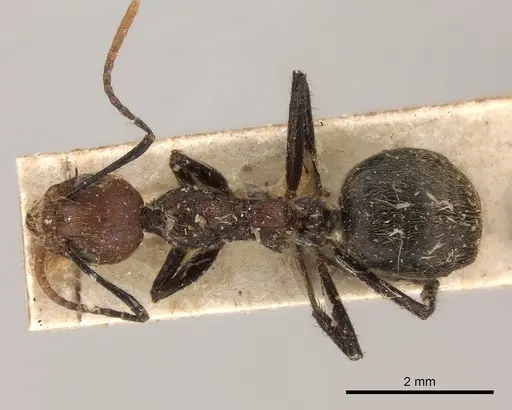
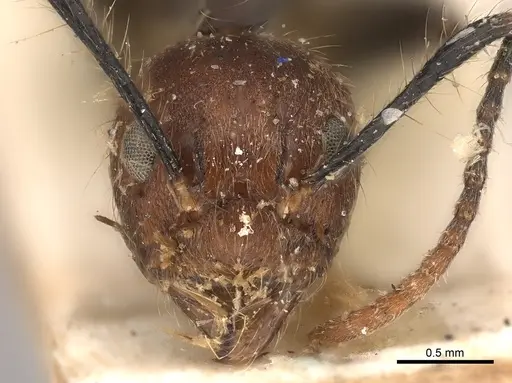
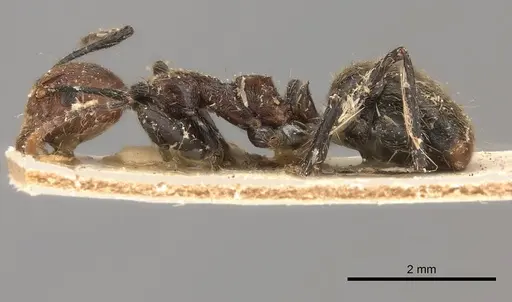
CASENT0907608
Ver no AntWeb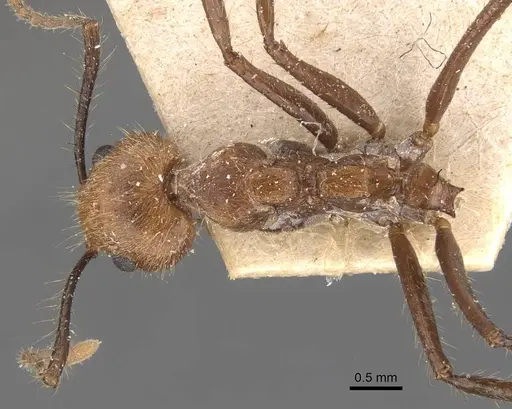
CASENT0909458
Ver no AntWeb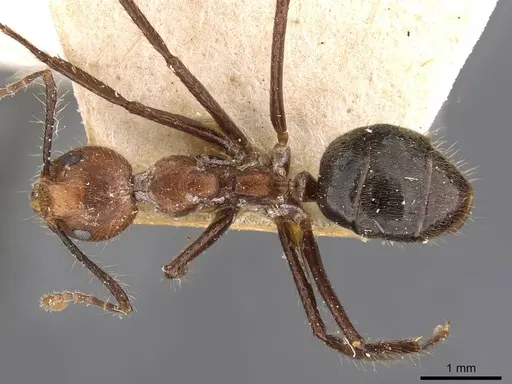
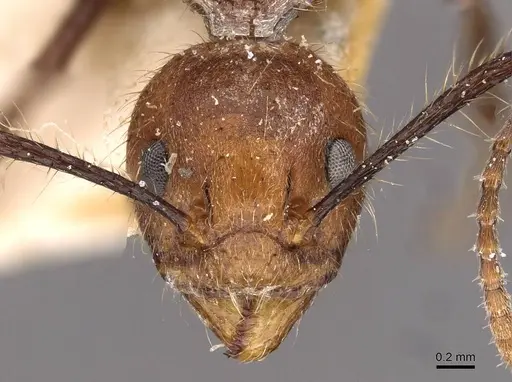
CASENT0911505
Ver no AntWeb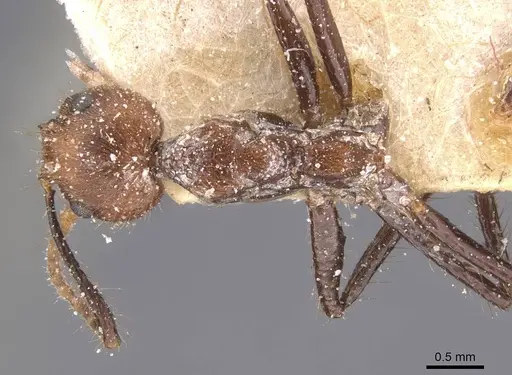
Literatura
A carregar mapa de distribuição...A carregar produtos...