
Discothyrea bobi
- Nome cient.
- Discothyrea bobi
- Tribo
- Proceratiini
- Subfamília
- Proceratiinae
- Autor
- Chaul, 2020
- Distribuição
- Encontrado em 0 países
Introdução
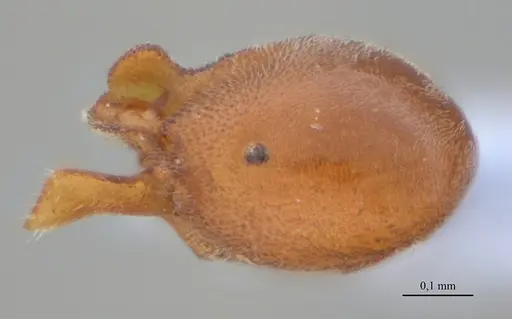
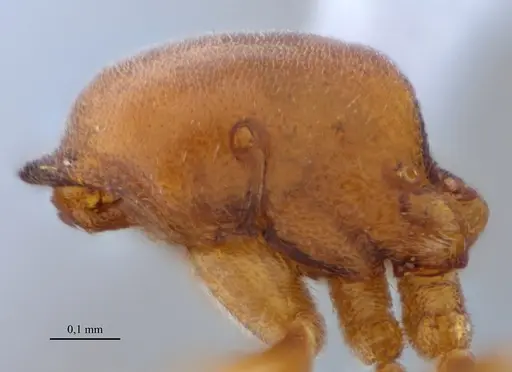
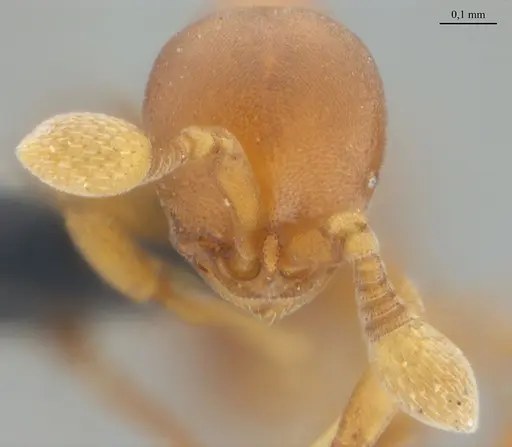
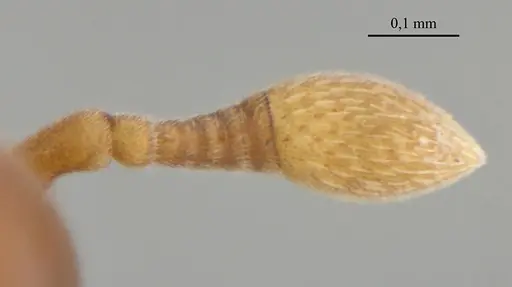
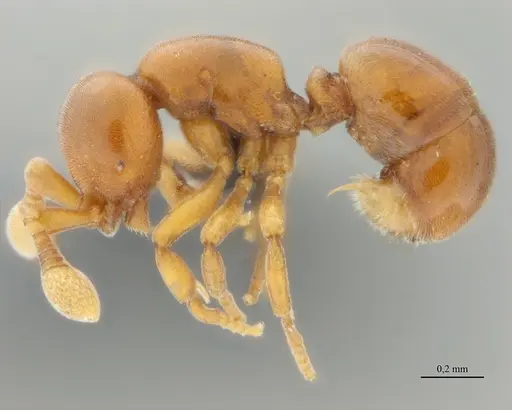
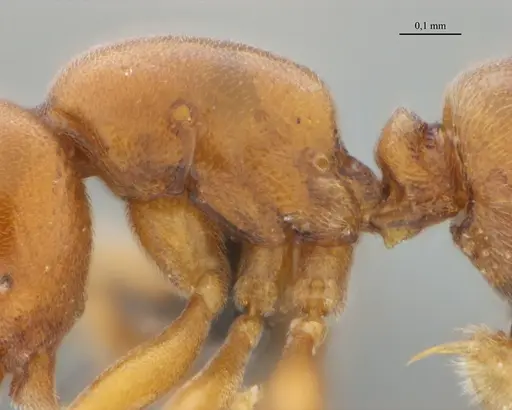
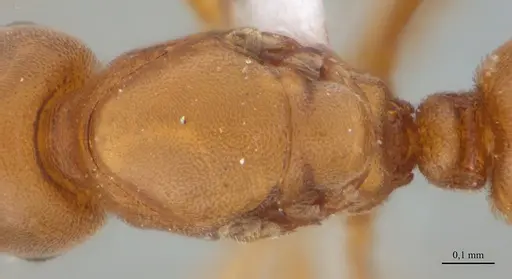
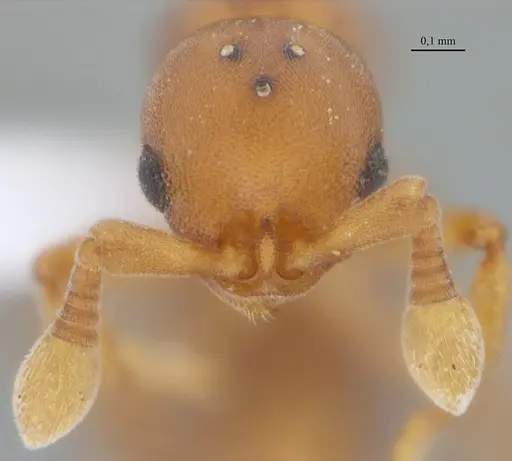
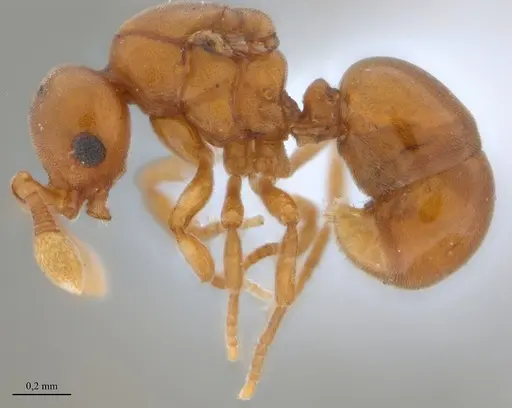
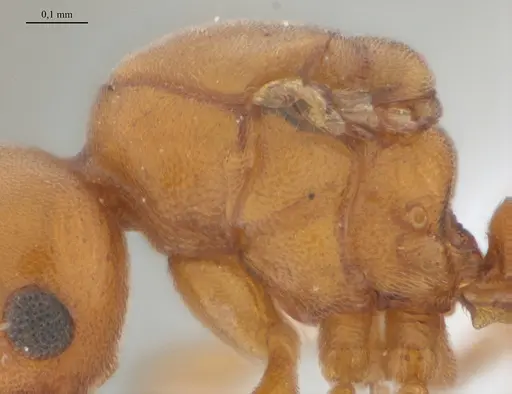
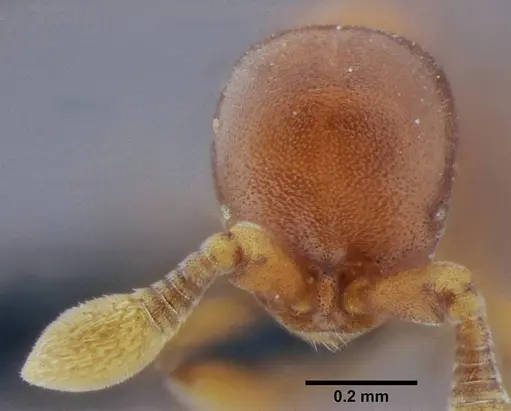
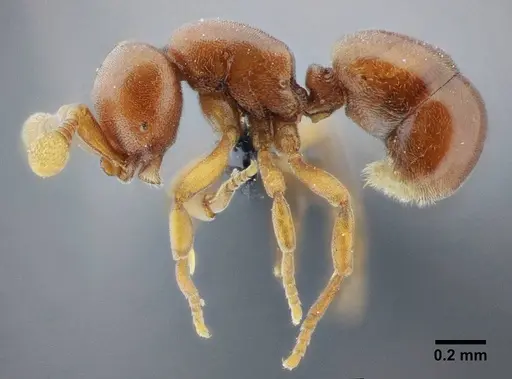
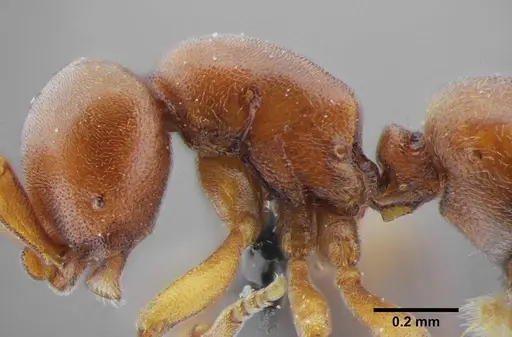
Discothyrea bobi is a tiny predatory ant species from the mountains of southeastern Brazil. Workers measure approximately 1.9mm in total length, making them one of the smaller ant species you'll encounter. They have a distinctive appearance with a rounded head lacking clear vertexal margins, seven-segmented antennae, and a light brown to reddish ferruginous coloration . These ants live only in the Serra do Brigadeiro mountain range in Minas Gerais, Brazil, at elevations between 1300-1800 meters - they're true highlanders . What makes D. bobi special is their extremely restricted range - they've never been found in the nearby well-studied Viçosa area despite decades of ant research there. The queen measures approximately 2.1mm in total length and was described from a dealate (wingless) specimen . Like other Discothyrea species, they're predatory hunters that target tiny soil arthropods using their small but functional sting.
Quick Summary
- Difficulty: Expert
- Origin & Habitat: Serra do Brigadeiro mountains in Minas Gerais, Brazil, high elevation Atlantic rainforest between 1300-1800m elevation. This is a cool, humid montane environment [1].
- Colony Type: Unknown colony structure. Only known from a type series of 6 workers and 1 queen collected via Winkler extraction (leaf litter sampling method). No data on whether they are single-queen or multi-queen colonies.
- Size & Growth:
- Queen: ~2.1mm total length [1]
- Worker: ~1.9mm total length [1]
- Colony: Unknown, only known from type series of 6 workers and 1 queen
- Growth: Unknown, no captive breeding data exists
- Development: Unknown, no development data available for this species (No captive colonies have been documented in the scientific literature.)
- Antkeeping:
- Temperature: Cool mountain conditions, aim for 18-22°C. This species comes from high elevations where temperatures are moderate year-round. Do not overheat.
- Humidity: High humidity required, these are leaf litter ants from humid Atlantic rainforest. Keep the nest substrate consistently moist but not waterlogged. Provide a humidity gradient so ants can choose their preferred zone.
- Diapause: Unknown, no data on overwintering requirements. The type locality at 1300-1800m elevation in southeastern Brazil experiences cooler winters, so a mild cool period may be beneficial.
- Nesting: Natural nesting is unconfirmed but Discothyrea species typically nest in leaf litter, rotting wood, or soil. In captivity, a small test tube setup or mini formicarium with tight chambers works well. The tiny size means you need very small passages.
- Behavior: These are tiny, cryptic ants that live hidden in leaf litter and soil. No specific behavioral data exists for this species, but Discothyrea generally are slow-moving, secretive predators. They likely hunt tiny springtails and other micro-arthropods. Escape prevention is critical due to their very small size, they can squeeze through the tiniest gaps. They have a small sting but given their size it's unlikely to penetrate human skin.
- Common Issues: no captive husbandry data exists, this is an extremely rare species in the hobby with zero established breeding protocols, escape prevention is critical due to tiny ~2mm size, standard test tube barriers may not be adequate, high elevation origin means they may not tolerate warm conditions, keep cool, colony size unknown, expect small colonies based on limited wild specimens, no confirmed diet acceptance, likely requires live micro-prey like springtails
Why This Species Is Challenging
Discothyrea bobi is not a species for beginners. It was only described in 2020 and is known from just a handful of specimens collected in a remote Brazilian mountain range. There is zero scientific literature on captive care, colony structure, or basic biology like founding behavior, diet preferences, or development timeline. You're essentially pioneering husbandry for this species. This makes it an expert-level project suitable only for experienced antkeepers who enjoy the challenge of working with poorly-studied species and can document their observations carefully. [1]
Natural History and Origin
This species is endemic to the Serra do Brigadeiro in Minas Gerais, Brazil, a mountain range in the Atlantic rainforest biome. The type series was collected at elevations between 1300 and 1800 meters, making this a true montane species. The area has been only occasionally explored by myrmecologists, which explains why such a distinctive species wasn't discovered earlier. The only specimens known were collected in January 2007 using Winkler extraction, a method where leaf litter is sifted and placed in funnels to extract tiny arthropods. This tells us they live hidden in the forest floor litter layer [1].
Housing and Setup
Given their tiny size and cryptic nature, housing requires careful attention. A small test tube setup works for founding colonies, but you'll need to ensure the cotton barrier is packed tightly, these ants can squeeze through gaps that would hold back larger species. For established colonies, a small formicarium with very tight chambers scaled to their ~2mm body size is ideal. The nest material should be kept consistently moist but never waterlogged. A humidity gradient allows the ants to self-regulate. Because they're from high elevation cool forest, avoid placing the nest in warm locations or near direct sunlight. Room temperature (18-22°C) is likely ideal.
Feeding and Diet
Discothyrea ants are predatory, using their small stinger to subdue prey. In the wild, they likely hunt tiny soil arthropods like springtails, mites, and other micro-invertebrates living in leaf litter. In captivity, you should offer small live prey appropriately sized to their ~2mm workers, wingless fruit fly pupae, tiny mealworms, and most importantly, live springtails are likely to be accepted. Do not offer large prey items. Sugar sources are unlikely to be accepted, these are specialized predators, not sugar-feeding ants. Feed small prey items every few days and remove uneaten items to prevent mold.
Temperature and Seasonal Care
As a high-elevation species from southeastern Brazil, Discothyrea bobi prefers cool to moderate temperatures. The Serra do Brigadeiro at 1300-1800m elevation experiences mild temperatures year-round. Keep the colony at 18-22°C, avoid heating the nest. If your room is warmer, consider a small cooling method or place the nest in a cooler location. Winter cooling (diapause) may be beneficial given their elevation origin, but specific requirements are unknown. A mild cool period at 15-18°C for 2-3 months during winter months may simulate natural conditions, but this is an educated guess rather than documented requirement. [1]
Behavior and Observation
These are secretive, slow-moving ants that will spend most of their time hidden in nest chambers or moving carefully through leaf litter. You won't see the active foraging trails common in species like Lasius or Formica. Workers are likely to be nocturnal or crepuscular, reducing activity during bright daylight hours. The small sting is present but unlikely to penetrate human skin, these ants are not a stinging concern. Their most interesting feature is the distinctive disc-shaped head and seven-segmented antennae, which you can observe with magnification. Expect minimal visible activity compared to more common ant species. [1]
Frequently Asked Questions
Can I keep Discothyrea bobi as a beginner?
No. This is an expert-level species with zero established captive husbandry protocols. It was only described in 2020 and is known from fewer than 10 specimens worldwide. There is no data on what they eat in captivity, how fast they develop, or even basic colony structure. Only experienced antkeepers should attempt this species.
How long does it take for Discothyrea bobi to produce first workers?
Unknown, no captive colonies have been documented. Based on related Proceratiinae and their tiny size, expect development to take several months from egg to worker. The queen was described from a dealate specimen, meaning we have no data on founding behavior or how long claustral development takes.
What do Discothyrea bobi ants eat?
Likely small live prey. Discothyrea species are predatory hunters. In captivity, offer appropriately-sized live prey like springtails, wingless fruit flies, and tiny mealworms. Do not expect sugar water acceptance, these are specialized micro-predators, not honeydew feeders. Remove uneaten prey promptly.
Do Discothyrea bobi ants sting?
They have a small sting, but given their tiny ~2mm size, it's extremely unlikely to penetrate human skin. These ants are not a stinging concern for keepers.
What temperature do Discothyrea bobi need?
Cool conditions, aim for 18-22°C. This high-elevation species from the Brazilian mountains prefers moderate temperatures. Do not heat the nest. Room temperature is likely appropriate for most keepers.
How big do Discothyrea bobi colonies get?
Unknown. The largest known collection is just 6 workers and 1 queen. Based on their tiny size and the genus typical behavior, expect small colonies likely under 100 workers. They may never reach the large colony sizes common in more familiar ant species.
Can I keep multiple Discothyrea bobi queens together?
Unknown, colony structure has not been documented. There is no data on whether they are single-queen or multi-queen colonies. Do not attempt combining unrelated queens without documented evidence they can coexist.
Where does Discothyrea bobi live in the wild?
Only in the Serra do Brigadeiro mountains of Minas Gerais, Brazil, at elevations between 1300-1800 meters. This is a highly restricted endemic species, they've never been found in the nearby Viçosa area despite extensive ant research there. They live in leaf litter in Atlantic rainforest.
Are Discothyrea bobi good escape artists?
Yes. At only ~2mm in length, they can squeeze through the tiniest gaps. Excellent escape prevention is essential, use tight-fitting lids, fine mesh barriers, and check that test tube connections are secure. Standard barriers that work for larger ants may not contain this species.
Do Discothyrea bobi need hibernation?
Unknown. The high elevation origin suggests they may benefit from a mild cool period. Based on similar Brazilian montane species, a 2-3 month period at 15-18°C during winter months may be appropriate, but this is speculative rather than documented requirement.
Report an Issue
The current care sheet is based fully on literature. See inconsistencies, or something that's incorrect? Please , it will be resolved after review from an admin. Contributing to the blogs tab also helps providing information, to make us be able to further improve the caresheets. Thank you for your support!
References

Esta ficha de cuidados é licenciada sob CC BY-SA 4.0 .
Blogs da comunidade
UFV-LABECOL-000032
Ver no AntWeb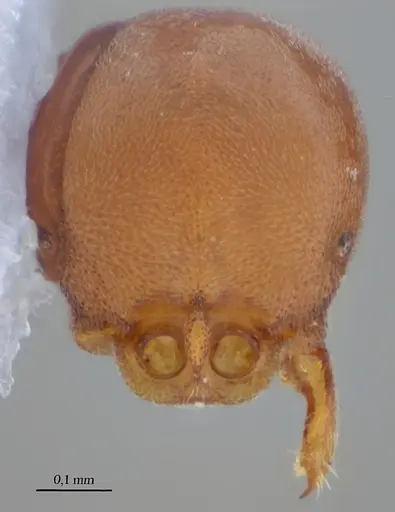
UFV-LABECOL-000033
Ver no AntWeb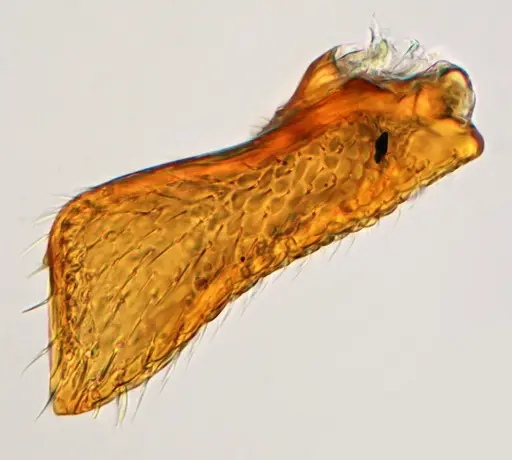
UFV-LABECOL-000035
Ver no AntWeb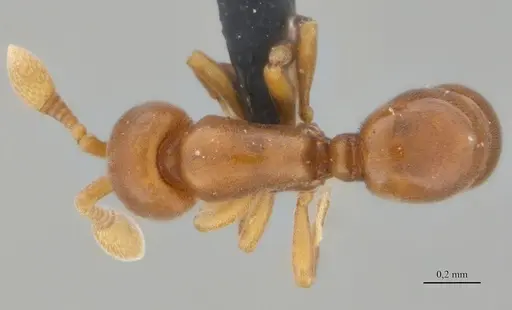
UFV-LABECOL-000036
Ver no AntWeb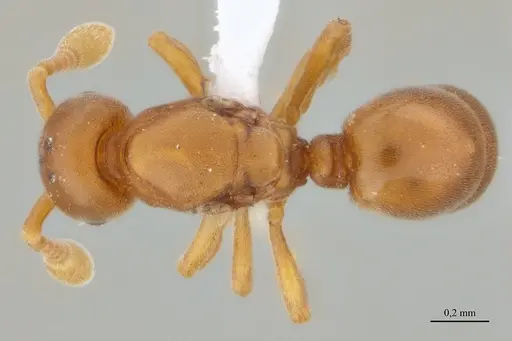
UFV-LABECOL-000050
Ver no AntWeb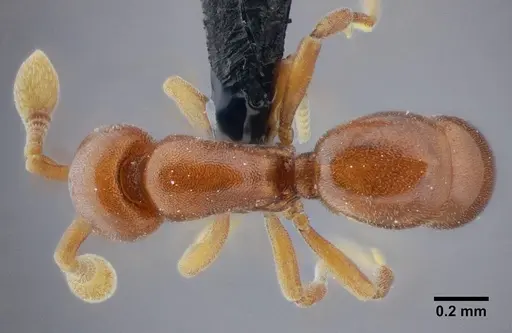
Literatura
A carregar mapa de distribuição...A carregar produtos...