
Diacamma cupreum
- Nome cient.
- Diacamma cupreum
- Tribo
- Ponerini
- Subfamília
- Ponerinae
- Autor
- Smith, 1860
- Distribuição
- Encontrado em 0 países
Introdução
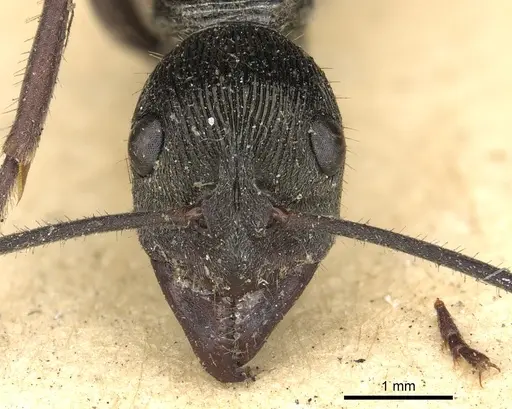
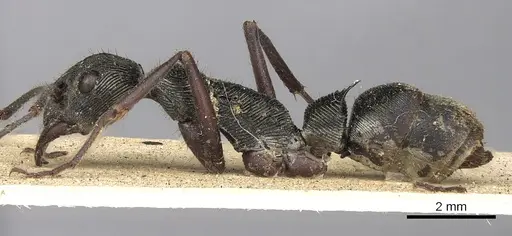
Diacamma cupreum is a large ant species native to the Moluccan Islands and New Guinea region in Southeast Asia. Workers measure approximately 10-11mm and have a distinctive black coloration with a subtle coppery metallic sheen. Their body features deep longitudinal striations on the head and transverse striations on the thorax and abdomen. The peduncle (waist) has two prominent upright spines. The mandibles and leg joints have a reddish-ferruginous color, and the abdominal segments have narrow pale edges . This species belongs to the Ponerinae subfamily, known for their powerful stings and predatory lifestyle.
Quick Summary
- Difficulty: Medium
- Origin & Habitat: Native to the Moluccan Islands (Bachian, Kaisaa, Amboyna, Gilolo) and Dory in New Guinea. They live in tropical forest environments and nest in soil or under stones [1].
- Colony Type: Queenless, no distinct queen caste, reproduction by gamergates (reproductive workers).
- Queen Status: Queenless Colony
- Special: Gamergates
- Size & Growth:
- Queen: Queenless species, reproduction by gamergate (reproductive worker) instead of a distinct queen caste.
- Worker: Approximately 10-11mm (5 lines) [1]
- Colony: Colony size data unavailable, likely moderate for Ponerines
- Growth: Moderate, Ponerine ants typically grow slower than many common ant species
- Development: Development timeline is unconfirmed for this species. Based on typical Ponerine patterns, expect 8-12 weeks at warm temperatures. (Development occurs at warm tropical temperatures. First workers (nanitics) are typically smaller than mature workers.)
- Antkeeping:
- Temperature: Keep warm at 24-28°C. These are tropical ants that need consistent warmth. A heating cable on one side of the nest creates a suitable gradient.
- Humidity: High humidity required, aim for 70-80%. Keep the nest substrate consistently moist but not waterlogged. Ponerines need damp conditions similar to their forest floor habitat.
- Diapause: No true diapause, this is a tropical species that does not hibernate. However, they may reduce activity slightly during cooler periods.
- Nesting: Naturalistic setup with moist substrate works well. They prefer dark, humid nests and will readily dig in soil or use pre-formed chambers. A Y-tong or plaster nest with good moisture retention is suitable.
- Behavior: Diacamma cupreum is an aggressive, predatory ant species with a powerful sting. Workers are active hunters that forage on the forest floor, preying on small invertebrates. They are diurnal and will readily defend their nest. Escape prevention is important, while not tiny, they are strong climbers and can escape through small gaps. Their sting is potent and can cause significant pain, so handling requires caution. They are not colony aggressive toward related individuals but will attack other ant species.
- Common Issues: sting pain, this species has a potent sting and should be handled with care, high humidity maintenance, dry conditions cause colony decline, live prey requirement, colonies can fail without consistent protein sources, slow growth compared to many common species, beginners may lose patience, aggressive temperament, can be difficult to handle during feeding and nest maintenance
Understanding the Gamergate System
Diacamma cupreum has a unique social structure that differs from most common ant species. Instead of a traditional queen that develops from a fertilized egg with wings, this species uses gamergates, workers that become reproductive. These are typically older workers that develop eggs and can mate with males from nearby colonies. The dominant gamergate becomes the primary egg-layer, and colonies function similarly to single-queen colonies despite having no true queen. If the dominant gamergate dies, another worker will typically replace her. This means you won't find a winged queen to catch, instead, you would need to acquire an established colony with its gamergate(s). [1]
Housing and Nest Setup
These ants need a humid, naturalistic setup that mimics their tropical forest floor habitat. A Y-tong nest with moist substrate or a plaster nest works well, both hold humidity well and provide the dark conditions they prefer. The nest should have chambers sized appropriately for a moderate-sized colony. Keep one side of the nest slightly heated using a heating cable or mat to create a temperature gradient of 24-28°C. The outworld can be room temperature. Use a water reservoir or regular misting to maintain high humidity. A small water tower or cotton-filled test tube with fresh water should always be available.
Feeding and Diet
Diacamma cupreum is a strict predator and needs live food to thrive. Offer small live invertebrates such as fruit flies, small crickets, mealworms, and other small bugs. They will readily hunt and subdue prey using their powerful mandibles and sting. Feed every 2-3 days, offering enough prey that it gets consumed within 24 hours. Remove uneaten prey to prevent mold. Unlike some ants, they are not typically interested in sugar water or honey, their diet is primarily protein-based. A varied diet helps ensure colony health.
Handling and Safety
This species has a potent sting and should be considered dangerous. Workers are aggressive and will readily attack perceived threats. When working with the colony, use caution, never handle them directly with bare hands. If you need to move or inspect the nest, use gentle tapping or blowing to encourage workers to retreat before opening the nest. Keep the outworld escape-proof as they are active climbers. The sting pain level is significant, treat any sting with appropriate first aid. This species is best suited for experienced antkeepers who are comfortable working with stinging ants.
Frequently Asked Questions
Do Diacamma cupreum ants have a queen?
No, this species does not have a traditional winged queen. Instead, they have gamergates, workers that become reproductive and take on the queen's role of laying eggs. These are workers that have developed the ability to mate and produce offspring.
How long does it take for Diacamma cupreum to produce first workers?
Development timeline is unconfirmed for this species. Based on typical Ponerine development patterns, expect around 8-12 weeks from egg to first worker at optimal temperatures (24-28°C). Growth is slower than many common ant species.
Can I keep Diacamma cupreum in a test tube?
Test tubes are not ideal for this species long-term. They need high humidity and space for a moderate-sized colony. A naturalistic setup with moist substrate or a Y-tong/plaster nest is much more suitable.
What do Diacamma cupreum eat?
They are strict predators that need live prey. Feed small live insects like fruit flies, small crickets, mealworms, and other small invertebrates. They are not typically interested in sugar sources.
Are Diacamma cupreum good for beginners?
No, this species is not recommended for beginners. They require live prey, high humidity, warm conditions, and have a potent sting. They also grow more slowly than beginner-friendly species. This species is best for experienced antkeepers.
How big do Diacamma cupreum colonies get?
Colony size data is unavailable for this species. Based on typical Ponerine patterns, mature colonies likely reach up to a few hundred workers. Growth rate is moderate but slower than many common ant species.
Do Diacamma cupreum need hibernation?
No, they are tropical ants and do not require hibernation. They should be kept warm year-round at 24-28°C. Cooler temperatures can slow their activity and may harm the colony.
Why is my Diacamma cupreum colony dying?
Common causes include: dry conditions (they need high humidity), lack of live prey (they cannot survive on sugar), temperatures that are too cool, or stress from frequent disturbance. Ensure humidity is 70-80% and prey is offered regularly.
Report an Issue
The current care sheet is based fully on literature. See inconsistencies, or something that's incorrect? Please , it will be resolved after review from an admin. Contributing to the blogs tab also helps providing information, to make us be able to further improve the caresheets. Thank you for your support!
References

Esta ficha de cuidados é licenciada sob CC BY-SA 4.0 .
Blogs da comunidade
CASENT0901936
Ver no AntWeb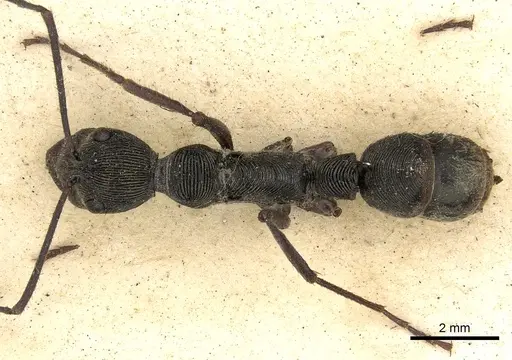
Literatura
A carregar mapa de distribuição...A carregar produtos...