
Cryptopone taivanae
- Nome cient.
- Cryptopone taivanae
- Tribo
- Ponerini
- Subfamília
- Ponerinae
- Autor
- Forel, 1913
- Distribuição
- Encontrado em 0 países
Introdução
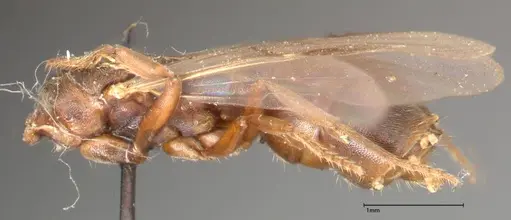
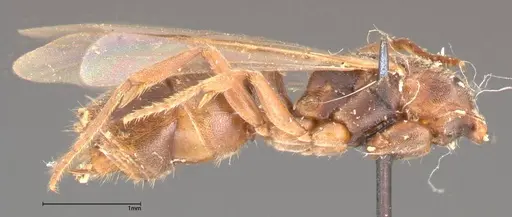
Cryptopone taivanae is a small ponerine ant native to Taiwan and southern China. Queens measure 1.8-4mm in total length with a darker coloration than related species - the head is blackish brown, mandibles red, thorax and abdomen dark brown, while legs and antennae are reddish brown [AntWiki]. This species has a distinctive mandibular pit gland, a trait shared with some other ponerine ants . Workers have notably thin exoskeletons compared to other poneroids, which is an interesting morphological characteristic . In their natural habitat across Taiwan and southern China, these ants inhabit damp forest floor environments where they hunt small prey.
Quick Summary
- Difficulty: Medium
- Origin & Habitat: Taiwan and southern China. Found in damp forest floor habitats in subtropical to tropical climates [1].
- Colony Type: Colony structure is unconfirmed. Ponerine ants typically establish single-queen colonies, but this has not been directly documented for this species.
- Size & Growth:
- Queen: 1.8-4mm [1]
- Worker: Estimated 2-3mm based on queen size and genus patterns
- Colony: Likely reaches several hundred workers at most based on typical Ponerinae patterns
- Growth: Moderate, Ponerine ants typically develop more slowly than many Myrmicinae species
- Development: Estimated 6-10 weeks based on related Ponerinae species at optimal temperature (Direct development data unavailable, estimate based on genus-level inference from typical Ponerinae development patterns)
- Antkeeping:
- Temperature: Keep at 22-26°C. Based on their subtropical Taiwan/China distribution, they prefer warm conditions. A gentle gradient allowing workers to self-regulate is recommended.
- Humidity: Maintain moderate to high humidity, think damp forest floor. Keep nest substrate consistently moist but not waterlogged. Provide a water tube for drinking access.
- Diapause: Unknown, Taiwan has mild winters, so a true diapause may not be required. Some reduction in activity during cooler months is possible.
- Nesting: In captivity, they do well in naturalistic setups with damp soil or in Y-tong/plaster nests that retain moisture. They prefer tight chambers scaled to their small size.
- Behavior: These are predatory ants that likely hunt small invertebrates. Ponerine ants are typically more defensive than common house ants, with a potent sting, though C. taivanae's small size may limit sting effectiveness on human skin. Workers are likely to be moderately aggressive when defending the colony. Escape risk is moderate, their small size means gaps should be sealed, but colonies remain relatively small so escape prevention is manageable.
- Common Issues: maintaining consistent humidity, they dry out quickly and mold can be an issue in overly wet conditions, providing adequate live prey, Ponerinae need protein-rich food and may reject dry commercial ant feeds, slow growth compared to common ants can lead to keeper impatience and overfeeding, colonies remain small, so overfeeding can quickly foul the nest, temperature fluctuations can stress colonies, avoid placing near drafts or heating vents
Housing and Nest Setup
Cryptopone taivanae does well in naturalistic setups that mimic their forest floor habitat. Use a mix of soil and sand as substrate, kept consistently damp but not waterlogged. A Y-tong or plaster nest with moisture retention also works well, these allow you to control humidity levels while providing chambers scaled to their small size. Since workers are only around 2-3mm, ensure all connections and gaps are tight to prevent escapes. Provide an outworld for foraging where you can offer prey items. A water tube should always be available for drinking access. [1]
Feeding and Diet
As predatory ponerine ants, C. taivanae needs a protein-rich diet. Offer small live prey such as fruit flies, pinhead crickets, small mealworms, and other tiny arthropods. They will likely accept dead prey if moved to the foraging area, but live prey triggers their natural hunting instincts. Sugar sources may be accepted occasionally, but protein should form the bulk of their diet. Feed every 2-3 days, adjusting based on colony size and consumption. Remove uneaten prey to prevent mold.
Temperature and Seasonal Care
Keep the nest area at 22-26°C, which matches their subtropical Taiwan/China distribution. A heating cable on one side of the nest can create a gentle gradient, allowing ants to self-regulate their temperature preference. Avoid temperatures below 18°C or above 30°C. During winter months in temperate climates, room temperature is usually sufficient since Taiwan has mild winters. Monitor colony activity, if workers become sluggish, slightly increase temperature. No formal diapause is documented, but expect reduced activity during cooler months. [1]
Behavior and Defense
C. taivanae workers are moderately defensive and will attack threats to their colony. Like other Ponerinae, they possess a stinger, though their small size means sting effectiveness on human skin is limited, some keepers report a mild sting sensation. Workers are likely nocturnal or crepuscular, becoming more active during dim lighting conditions. They hunt individually rather than forming raiding parties. Colony size remains modest, so you will not see the massive worker swarms common in some ant species. Queens are relatively small at 1.8-4mm, which is unusual among ponerines. [1][3]
Colony Development
Colony growth is slower than common Myrmicinae species like Lasius or Tetramorium. Expect the first workers (nanitics) to appear around 6-10 weeks after founding, though this is estimated based on related species. Initial colony growth is slow as the queen raises her first brood alone. Once workers emerge, colony development accelerates but remains moderate. Maximum colony size is unknown but likely reaches several hundred workers based on typical Ponerinae patterns. The thin exoskeleton of this species [3] may make them more vulnerable to desiccation, this reinforces the need for consistent humidity.
Frequently Asked Questions
Can I keep Cryptopone taivanae in a test tube?
Test tubes can work for founding colonies, but monitor humidity closely. Ponerinae are sensitive to drying. If using a test tube, ensure the water reservoir is adequate and the cotton is kept moist but not flooded. Many keepers prefer naturalistic or Y-tong nests for better humidity control once the colony establishes.
How long until first workers appear?
Estimated 6-10 weeks from egg to worker based on related Ponerinae species. This is slower than common ants, so patience is required. The queen will remain in her founding chamber until her first brood develops into adult workers.
Do Cryptopone taivanae ants sting?
Yes, they possess a stinger like other Ponerinae. However, due to their small size (workers around 2-3mm), the sting is typically mild on human skin, some keepers report only a slight sensation. Handle with care regardless.
What do Cryptopone taivanae eat?
They are predatory ants requiring protein-rich food. Feed small live prey such as fruit flies, small crickets, and mealworms. They may accept dead prey moved to their foraging area. Sugar water or honey can be offered occasionally but should not be the primary food source.
Are Cryptopone taivanae good for beginners?
They are considered medium difficulty. While not the hardest ant to keep, they require more attention to humidity and feeding than beginner species like Lasius or Tetramorium. Their slower growth and specific humidity needs make them better suited for keepers with some experience.
Do they need hibernation?
Diapause requirements are unknown. Their native Taiwan habitat has mild winters, so a formal hibernation period is likely not required. In temperate climates, a slight reduction in temperature during winter months is probably sufficient.
How big do colonies get?
Maximum colony size is unknown but likely reaches several hundred workers based on typical Ponerinae patterns. They are not large colony ants, expect modest numbers compared to species like Camponotus or Formica.
When should I move them to a formicarium?
Move to a larger nest once the colony reaches 20-30 workers or when the test tube becomes crowded. Ponerinae do well in formicariums that allow humidity control, naturalistic setups or Y-tong nests work well.
Can I keep multiple queens together?
This has not been documented for this species. In general, Ponerinae queens are territorial during founding. It is not recommended to combine unrelated foundresses without documented evidence of pleometrosis.
Why are my ants dying?
Common causes include: too dry conditions (they need consistent humidity), inadequate prey (they need protein, not just sugar), temperature stress (avoid drafts and extreme heat), and mold from overwatering. Check humidity levels first and ensure you are providing appropriate live prey.
Report an Issue
The current care sheet is based fully on literature. See inconsistencies, or something that's incorrect? Please , it will be resolved after review from an admin. Contributing to the blogs tab also helps providing information, to make us be able to further improve the caresheets. Thank you for your support!
References

Esta ficha de cuidados é licenciada sob CC BY-SA 4.0 .
Blogs da comunidade
CASENT0907291
Ver no AntWeb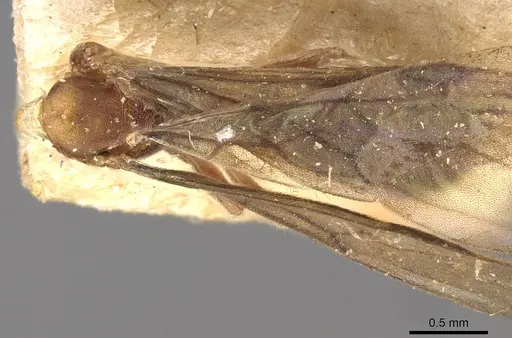
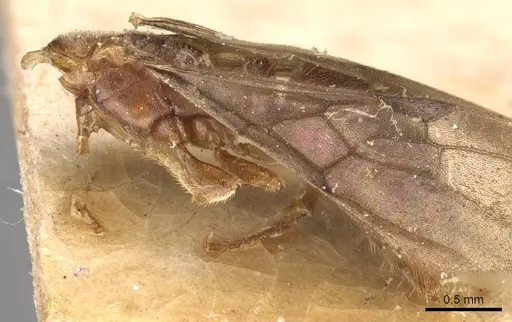
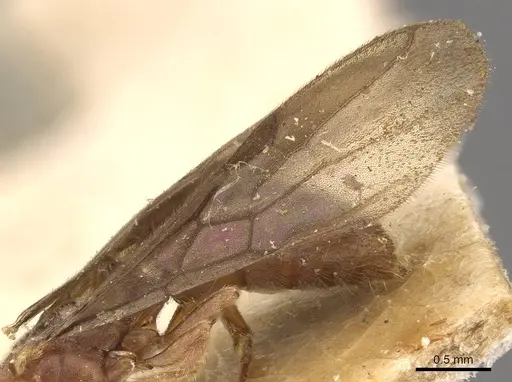
FOCOL0371
Ver no AntWeb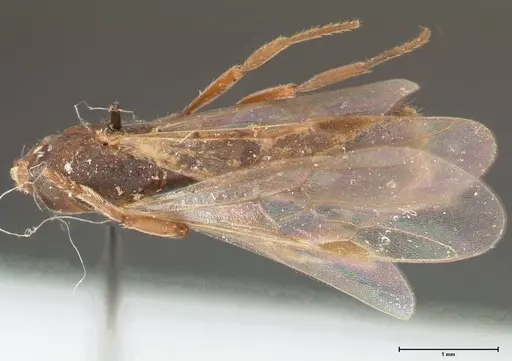
Literatura
A carregar mapa de distribuição...A carregar produtos...