
Crematogaster kojimai
- Nome cient.
- Crematogaster kojimai
- Tribo
- Crematogastrini
- Subfamília
- Myrmicinae
- Autor
- Hosoishi & Ogata, 2012
- Distribuição
- Encontrado em 0 países
Introdução
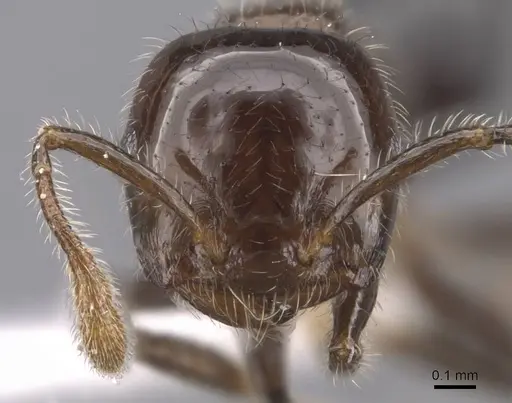
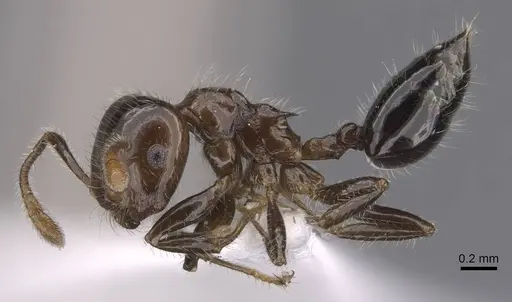
Crematogaster kojimai is a tiny arboreal ant species from the Cameron Highlands of Peninsular Malaysia. Workers are small - estimated around 2-2.5mm total length based on genus patterns, with the original description noting head widths of 0.6-0.71mm . They belong to the C. treubi group and can be identified by their distinctive short, stout propodeal spines - much shorter than those of their close relative C. treubi . The species was formally described in 2012,and almost nothing is known about their biology in the wild. Colonies have been found nesting in Dischidia astephana, a tropical plant species, confirming they are arboreal nesters . Like all Crematogaster, they can raise their heart-shaped gaster defensively when threatened.
Quick Summary
- Difficulty: Medium
- Origin & Habitat: Cameron Highlands, Peninsular Malaysia, tropical highland region. Nests found in Dischidia astephana plants [1][3].
- Colony Type: Colony structure is unconfirmed. Based on genus patterns, likely single-queen colonies, but this has not been documented.
- Size & Growth:
- Queen: Size data unavailable, no queen measurements have been described for this species
- Worker: ~2-2.5mm total length, inferred from Crematogaster genus patterns (original description notes head width 0.6-0.71mm) [1]
- Colony: Unknown, likely small colonies based on arboreal nesting habits
- Growth: Unknown
- Development: Unknown, estimate 6-8 weeks based on typical Crematogaster development at tropical temperatures (No direct data exists. Related Crematogaster species in tropical Asia typically develop in 6-8 weeks at 25-28°C.)
- Antkeeping:
- Temperature: Keep warm at 24-28°C, this matches their tropical Malaysian origin. A gentle heat gradient allows them to regulate temperature.
- Humidity: High humidity preferred (70-85%). Their arboreal nesting in plants indicates they need consistently moist conditions.
- Diapause: No, being from tropical Malaysia, they do not require a diapause period. Maintain year-round warm conditions.
- Nesting: Arboreal specialists, they naturally nest in plants. In captivity, a small Y-tong (AAC) or plaster nest with tight chambers works well. Provide climbing structures and ensure humidity is maintained without flooding the nest.
- Behavior: Temperament is typical of Crematogaster, defensive when threatened, capable of raising their gaster and releasing alarm pheromones. They are small but active foragers. Escape prevention is critical due to their tiny size, they can squeeze through standard test tube barriers. Use fine mesh and tight-fitting lids.
- Common Issues: tiny size means escapes are likely without fine mesh barriers, no biological data exists, keepers must experiment with care conditions, arboreal nature may require different setup than ground-nesting ants, high humidity needs can lead to mold if ventilation is poor
Nest Preferences and Housing
Crematogaster kojimai is an arboreal species naturally found nesting in plants (Dischidia astephana) in the Cameron Highlands of Malaysia [1]. This means they prefer nests that allow for climbing and elevated positions rather than ground-level setups. In captivity, a small Y-tong or plaster nest with appropriately scaled chambers works well, the chambers should be tight and small since these ants are tiny. Avoid large, open spaces that would make them feel exposed. Because they come from a humid tropical environment, the nest substrate should retain moisture well without becoming waterlogged. Some keepers successfully keep small Crematogaster in test tube setups with cotton-plugged water reservoirs, but monitor for flooding. Provide some climbing structures or branches within the outworld to satisfy their natural arboreal instincts.
Feeding and Diet
Like other Crematogaster species, they are likely omnivorous with a preference for protein sources. In the wild, they probably forage for small insects, honeydew from aphids, and nectar. In captivity, offer a varied diet: small live prey like fruit flies, pinhead crickets, or mealworms (cut to appropriate size), sugar water or honey as an energy source, and occasional protein-rich foods. Feed small amounts every 2-3 days and remove uneaten food to prevent mold. Since nothing is specifically documented about this species' diet, observe what your colony accepts and prefers. Remove any uneaten prey within 24 hours to maintain cleanliness.
Temperature and Humidity
Being from tropical Malaysia, these ants need warm and humid conditions. Maintain temperatures between 24-28°C (75-82°F), this matches their natural highland tropical environment. A slight temperature gradient allows the colony to regulate their own conditions. For humidity, aim for 70-85% relative humidity within the nest. Their arboreal nesting in plants indicates they are adapted to consistently moist conditions. Use a water reservoir in the nest setup and mist occasionally, but ensure adequate ventilation to prevent mold growth. Do not let the nest dry out completely. Since they likely do not require diapause, maintain these conditions year-round.
Behavior and Temperament
Crematogaster kojimai displays typical Crematogaster defensive behaviors. When threatened, they can raise their distinctive heart-shaped gaster over their head in a scorpion-like posture and release alarm pheromones to alert nestmates. They are not particularly aggressive but will defend their nest vigorously if provoked. Workers are small but active and will forage throughout their territory. Escape prevention is critical, at this tiny worker size, they can easily slip through standard barriers. Use fine mesh (at least 0.5mm) on all openings and ensure all connections are sealed. Despite their small size, they are relatively bold foragers and will explore their outworld actively. [1]
Colony Establishment
Since this species was only described in 2012 and nothing is known about their biology, establishing a colony requires careful observation and some experimentation [2]. If you obtain a founding queen, provide her with a small, humid test tube setup and keep her warm (around 26°C). Based on typical Crematogaster patterns, founding may be claustral (able to survive on stored fat reserves while raising her first brood), but this is not confirmed for this species. The first workers (nanitics) will be very small. Once the colony grows to 10-20 workers, you can transition them to a more permanent nest setup. Be patient, with limited species-specific data, success depends on careful observation of your colony's behavior and adjusting conditions accordingly.
Frequently Asked Questions
How long does it take for Crematogaster kojimai to produce first workers?
This is unknown as no biological studies exist for this species. Based on related tropical Crematogaster species, expect 6-8 weeks from egg to worker at optimal temperatures (25-28°C). The first workers (nanitics) will be very small, even by this species' already tiny standards.
What do Crematogaster kojimai ants eat?
While not directly documented, they likely accept small live prey (fruit flies, pinhead crickets), sugar water or honey, and occasional protein sources. Start with small prey items appropriate to their tiny size and observe what your colony prefers.
Do Crematogaster kojimai ants sting?
Crematogaster ants have a stinger but rarely use it on humans due to their small size. Their primary defense is raising their gaster and releasing alarm pheromones. They may bite if handled roughly, but are not considered dangerous to keepers.
What temperature do Crematogaster kojimai need?
Keep them warm at 24-28°C (75-82°F). This matches their tropical Malaysian origin in the Cameron Highlands. A gentle heat gradient allows the colony to regulate their own temperature.
Are Crematogaster kojimai good for beginners?
This species is not recommended for beginners due to the complete lack of biological data. Every aspect of their care requires experimentation. If you're experienced with small tropical ants and enjoy observing species with unknown requirements, this could be an interesting challenge.
How big do Crematogaster kojimai colonies get?
Colony size is unknown. Based on their arboreal nesting habits and tiny worker size, colonies likely remain relatively small, probably dozens to a few hundred workers rather than the large colonies some Crematogaster species can produce.
Do Crematogaster kojimai need hibernation?
No, being from tropical Malaysia, they do not require a diapause or hibernation period. Maintain warm, humid conditions year-round.
What makes Crematogaster kojimai different from other Crematogaster?
They are distinguished by their very small worker size and short, stout propodeal spines. They belong to the C. treubi group and were only described in 2012,making them one of the more recently described ant species in the hobby.
Can I keep Crematogaster kojimai in a test tube?
Yes, test tubes work well for founding colonies and small colonies. Ensure the water reservoir is appropriately sized to prevent flooding, and use fine mesh on any air holes due to their tiny size. Once the colony grows, consider transitioning to a small Y-tong or plaster nest.
Why are my Crematogaster kojimai escaping?
Their tiny size means they can squeeze through standard barriers. Use fine mesh (0.5mm or smaller), seal all connections with fluon or similar barriers, and check lid seals regularly. Even tiny gaps will allow escape.
Report an Issue
The current care sheet is based fully on literature. See inconsistencies, or something that's incorrect? Please , it will be resolved after review from an admin. Contributing to the blogs tab also helps providing information, to make us be able to further improve the caresheets. Thank you for your support!
References

Esta ficha de cuidados é licenciada sob CC BY-SA 4.0 .
Blogs da comunidade
CASENT0907517
Ver no AntWeb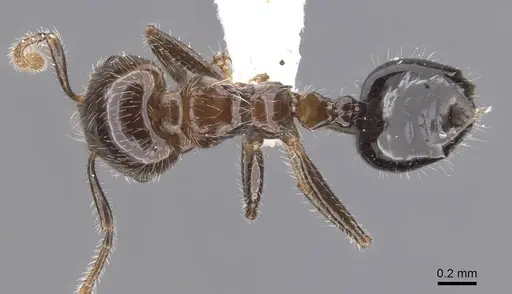
Literatura
A carregar mapa de distribuição...A carregar produtos...