
Crematogaster hodgsoni
- Nome cient.
- Crematogaster hodgsoni
- Tribo
- Crematogastrini
- Subfamília
- Myrmicinae
- Autor
- Forel, 1902
- Distribuição
- Encontrado em 0 países
Introdução
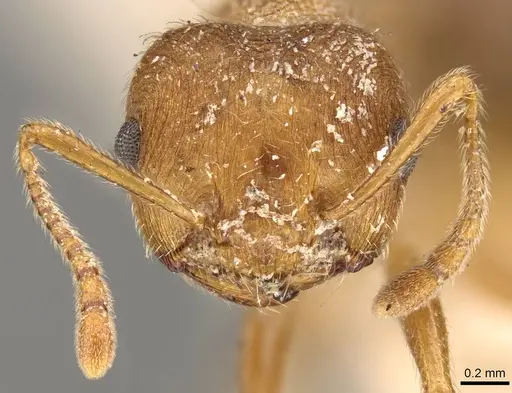
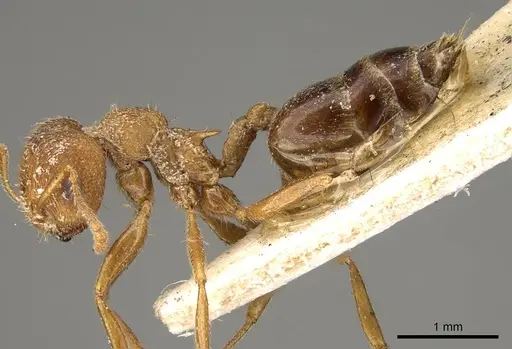
Crematogaster hodgsoni is a small ant species native to the Indomalaya region, found in India, Myanmar, and southern China. Workers measure 3.5-4mm and have a dark reddish-brown coloration with a darker abdomen . They belong to the subfamily Myrmicinae and are commonly known as acrobat ants due to their defensive behavior - when threatened, they raise their abdomen high over their head like an acrobat balancing on a tightrope . The head is smooth and slightly shining, the mesosomal dorsum has longitudinal striations, and they possess relatively thick propodeal spines at the rear of the thorax . These ants are part of the Crematogaster genus, which contains over 300 species worldwide. In their natural habitat across India and Myanmar, they typically nest in rotting wood, under bark, or in soil cavities in forested areas. The genus is known for their arboreal tendencies and ability to adapt to various nesting sites. This species remains relatively uncommon in the antkeeping hobby.
Quick Summary
- Difficulty: Medium
- Origin & Habitat: Native to the Indomalaya region, specifically India, Myanmar, and southern China. Found in forested areas where they nest in rotting wood, under loose bark, and in soil cavities [1][3].
- Colony Type: Colony structure for this specific species has not been extensively studied. Most Crematogaster species establish single-queen colonies, but this remains unconfirmed for C. hodgsoni.
- Size & Growth:
- Queen: Size data unavailable, no specific measurements exist for this species
- Worker: 3.5-4mm [1]
- Colony: Colony size data unavailable for this species
- Growth: Moderate
- Development: Development time is unconfirmed for this species (Actual timing may vary based on temperature and nutrition. Nanitics (first workers) are typically smaller than normal workers.)
- Antkeeping:
- Temperature: Keep nest area at 24-28°C. A gentle temperature gradient allows ants to regulate their own conditions. Room temperature in the low-to-mid 20s°C is often suitable. Avoid temperatures below 20°C or above 32°C.
- Humidity: Moderate to high humidity (60-80%). Keep the nest substrate consistently moist but not waterlogged. Crematogaster prefer humid conditions similar to their forest floor habitat. Provide a water tube for drinking access.
- Diapause: Not typically required. As a species from tropical/subtropical regions (India, Myanmar), they do not naturally experience harsh winters. However, a slight reduction in temperature during winter months (reducing to around 18-20°C) can simulate seasonal variation.
- Nesting: Y-tong (AAC) nests work well, or test tube setups for founding colonies. They prefer nests with chambers sized appropriately for their colony size. Naturalistic setups with rotting wood or cork bark simulate their natural arboreal/ground interface habitat. Avoid very dry conditions.
- Behavior: Crematogaster hodgsoni are defensive but not overly aggressive. When disturbed, workers exhibit the characteristic acrobat behavior, raising their abdomen over their head as a threat display. They are active foragers and will search for both sugar sources and protein. Workers are relatively fast-moving and can be skittish. Escape prevention should be moderate, they are not strong climbers but can squeeze through small gaps. They generally accept a wide variety of foods and adapt well to captive conditions.
- Common Issues: mold in nests due to overwatering, maintain balance between moisture and ventilation, colonies may be slow to establish initially, patience is key during the founding phase, escape through small gaps, ensure enclosures have tight-fitting barriers despite their moderate size, temperature fluctuations can stress colonies, avoid placing nests near windows or air conditioning vents, overfeeding leads to mold and mite problems, remove uneaten food promptly
Housing and Nest Setup
For founding colonies, a simple test tube setup works well. Fill a test tube with water, plug with cotton, and place the queen in a dark area. The queen will seal herself into a chamber and begin laying eggs. Once the first workers (nanitics) emerge, you can continue in the test tube or transition to a small formicarium.
For established colonies, Y-tong (AAC) nests provide excellent visibility and humidity control. These ants do well in nests with moderate humidity chambers. You can also use naturalistic setups with cork bark, rotting wood pieces, and moist soil to simulate their natural forest habitat. Whatever nest type you choose, ensure it has adequate ventilation to prevent mold while maintaining humidity.
The outworld (foraging area) should be simple and easy to clean. A plastic container with smooth walls works well, Crematogaster are not exceptional climbers but can grip rough surfaces. Use fluon or barrier tape on the upper edges to prevent escapes. [3]
Feeding and Diet
Crematogaster hodgsoni are omnivorous and accept a varied diet. They have a strong sweet tooth, offer sugar water, honey, or diluted maple syrup regularly. A constant sugar source helps maintain worker energy and colony growth. Change sugar water every 2-3 days to prevent fermentation.
For protein, offer small insects like fruit flies, small crickets, mealworms, or frozen bloodworms. Feed protein 2-3 times per week, adjusting based on colony size and consumption. Remove any uneaten prey after 24 hours to prevent mold.
Some Crematogaster species also tend aphids for honeydew. While not required, you can offer a small piece of plants with aphids occasionally as enrichment. Overall, they are not picky eaters and will accept most standard ant foods. [3]
Temperature and Seasonal Care
Maintain nest temperatures between 24-28°C for optimal brood development. A slight temperature gradient (warm on one side, cooler on the other) allows the colony to self-regulate. You can achieve this with a heating cable on one side of the nest or by positioning the formicarium near a warm spot.
As a species from India and Myanmar, they are adapted to tropical/subtropical conditions and do not require true hibernation. However, reducing temperatures slightly during winter months (to around 18-20°C) can simulate natural seasonal cycles and may promote colony health. Reduce feeding during this period as the ants become less active.
Avoid temperature extremes, temperatures below 18°C can slow development significantly, while temperatures above 32°C can stress or kill the colony. Keep nests away from direct sunlight, air conditioning vents, and drafty areas. [3]
Behavior and Defense
The most distinctive behavior of Crematogaster hodgsoni is their acrobat defense display. When threatened, workers raise their abdomen high over their head and thorax, curving it forward. This serves as a warning display and makes them appear larger and more threatening.
This species belongs to the subfamily Myrmicinae, tribe Crematogastrini, which features a modified, flattened spatulate stinger used to wipe or smear venom onto enemies rather than piercing flesh. This is their primary defense mechanism.
They are not particularly aggressive toward humans but will defend their nest vigorously if disturbed. In the foraging context, they are active hunters and will readily search for food. Workers communicate through chemical trails, so you may see them establishing paths to food sources. [3]
Colony Growth and Development
A newly mated queen will dig a small chamber and seal herself inside. She uses stored fat reserves to survive and feed the first brood. After 2-4 weeks, the first eggs hatch into larvae, which then pupate. The first workers (nanitics) emerge 4-8 weeks after founding, depending on temperature.
These nanitics are typically smaller than normal workers but immediately begin caring for the queen and expanding the colony. After the nanitics emerge, the queen stops foraging and devotes herself to egg-laying. The colony then grows as more workers are produced.
Growth rate is moderate. Growth can be encouraged by maintaining optimal temperature (24-28°C), providing consistent nutrition, and ensuring adequate humidity.
Frequently Asked Questions
How long does it take for Crematogaster hodgsoni to have first workers?
Development time is unconfirmed for this specific species. Based on typical Crematogaster genus patterns, expect first workers (nanitics) to emerge 4-8 weeks after the queen lays her first eggs, assuming optimal temperatures around 24-28°C.
Do Crematogaster hodgsoni ants sting?
They possess a stinger but rarely use it against humans due to their small size. Their primary defense is the characteristic acrobat display, raising their abdomen over their head as a threat gesture. They are not considered dangerous to humans.
What do Crematogaster hodgsoni eat?
They are omnivorous. Offer sugar water, honey, or maple syrup as a constant carbohydrate source. For protein, feed small insects like fruit flies, mealworms, or small crickets 2-3 times per week. They readily accept most standard ant foods.
Can I keep Crematogaster hodgsoni in a test tube?
Yes, test tubes work well for founding colonies. Use a standard test tube setup with a water reservoir and cotton plug. Keep the tube in a dark, quiet location. Once the colony reaches 20-30 workers, consider moving to a small formicarium or Y-tong nest.
What temperature do Crematogaster hodgsoni need?
Keep nest temperatures between 24-28°C. A gentle gradient allows the colony to self-regulate. Avoid temperatures below 18°C or above 32°C. Room temperature in the low-to-mid 20s°C is often suitable.
Do Crematogaster hodgsoni need hibernation?
No, they do not require true hibernation. As a species from tropical/subtropical regions (India, Myanmar), they are not adapted to harsh winters. However, you can reduce temperatures slightly in winter (to around 18-20°C) to simulate seasonal variation.
How big do Crematogaster hodgsoni colonies get?
Colony size data is unavailable for this specific species. Based on typical Crematogaster genus patterns, colonies can reach several hundred workers at maturity.
Are Crematogaster hodgsoni good for beginners?
They are considered a medium-difficulty species. They are more challenging than beginner species like Lasius or Messor, but not as demanding as some exotic species. They require attention to humidity and temperature but are generally hardy once established.
Why is this species called the acrobat ant?
They are called acrobat ants because of their distinctive defensive behavior. When threatened, workers raise their abdomen high over their head and thorax, curving it forward like an acrobat balancing on a tightrope. This is a warning display common to many Crematogaster species.
When should I move my colony to a formicarium?
Move from a test tube to a formicarium when the colony reaches 20-30 workers and the test tube water supply is running low, or when you see the ants struggling with space. A Y-tong or AAC nest works well for this species.
Do Crematogaster hodgsoni need high humidity?
They prefer moderate to high humidity (60-80%). Keep the nest substrate consistently moist but not waterlogged. Avoid very dry conditions, as this can cause desiccation and stress the colony.
Report an Issue
The current care sheet is based fully on literature. See inconsistencies, or something that's incorrect? Please , it will be resolved after review from an admin. Contributing to the blogs tab also helps providing information, to make us be able to further improve the caresheets. Thank you for your support!
References

Esta ficha de cuidados é licenciada sob CC BY-SA 4.0 .
Blogs da comunidade
CASENT0908583
Ver no AntWeb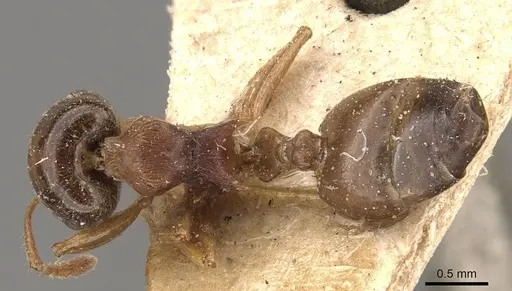
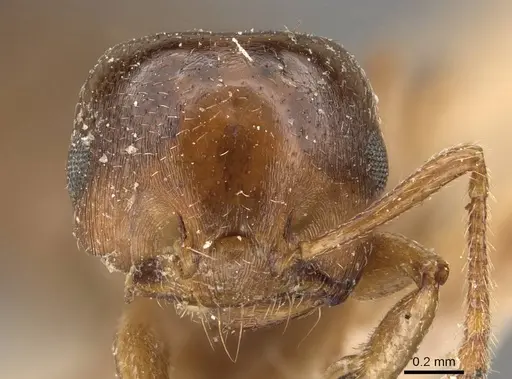
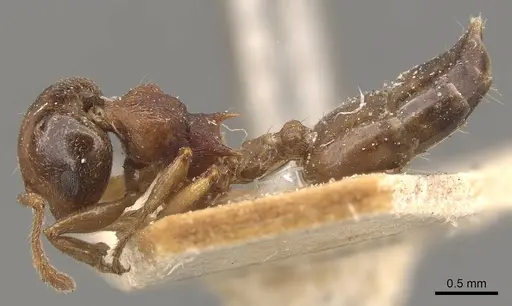
CASENT0914074
Ver no AntWeb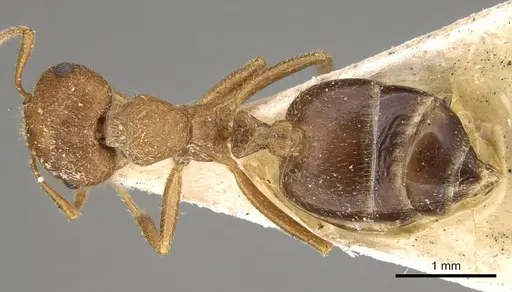
Literatura
A carregar mapa de distribuição...A carregar produtos...