
Crematogaster himalayana
- Nome cient.
- Crematogaster himalayana
- Tribo
- Crematogastrini
- Subfamília
- Myrmicinae
- Autor
- Forel, 1902
- Distribuição
- Encontrado em 0 países
Introdução
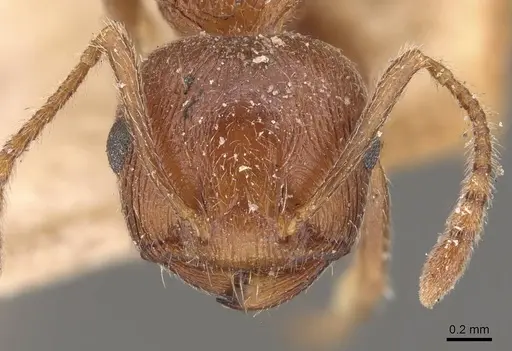
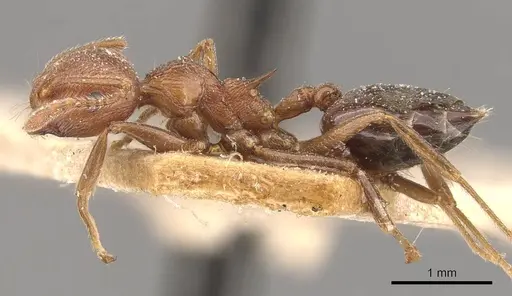
Crematogaster himalayana is a small acrobat ant species native to the Himalayan regions of India, Nepal, and Pakistan. Workers are small ants with a distinctive heart-shaped gaster that can curl over the thorax when disturbed - giving them their 'acrobat' name. They have a dark body with often reddish or ferruginous coloration on the head and mesosoma. These ants inhabit elevations between 1500-2300 meters above sea level in the Himalayas, particularly in Himachal Pradesh, Uttarakhand, and surrounding regions . What makes this species interesting is its high-altitude adaptation. Unlike many tropical Crematogaster species, C. himalayana has evolved to thrive in cooler mountain conditions. They are known for their aggressive colony defense and will readily use their sting - their sting is notably painful for such small ants. In the wild, they typically nest under stones or in rotting wood in forested Himalayan slopes.
Quick Summary
- Difficulty: Medium
- Origin & Habitat: Himalayan regions of India, Nepal, and Pakistan at 1500-2300 meters elevation [1]. They inhabit cool, forested mountain slopes and are typically found nesting under stones or in rotting wood in areas like Himachal Pradesh, Uttarakhand, and the Nanga Parbat region of Pakistan [3][2].
- Colony Type: Colony structure is unconfirmed. No specific data on queen number or colony organization exists for this species.
- Size & Growth:
- Queen: size data unavailable, inferred from Crematogaster genus (~5-8mm)
- Worker: size data unavailable, inferred from Crematogaster genus (~2-4mm)
- Colony: up to several hundred workers (estimated based on typical Crematogaster colony sizes)
- Growth: Moderate
- Development: 6-8 weeks (estimated based on typical Crematogaster development at cool temperatures) (Development time is temperature-dependent, cooler high-altitude conditions may extend development)
- Antkeeping:
- Temperature: Keep nest area at 18-22°C. This species prefers cooler conditions than most tropical ants due to its Himalayan origin. A gentle gradient with one side slightly warmer (around 22°C) allows workers to choose their preferred temperature. Avoid overheating, temperatures above 25°C may stress colonies [1].
- Humidity: Moderate humidity. Keep the nest substrate slightly moist but allow some drying areas. These ants naturally experience variable humidity in their mountain habitat. Mist occasionally and provide a water tube, but avoid waterlogging the nest.
- Diapause: Yes, this high-altitude species requires a winter dormancy period. Reduce temperature to 10-15°C for 2-3 months during winter (roughly November-February in the Northern Hemisphere). Reduce feeding and keep them in a cool, dark location during this period. This mimics their natural cycle at 1500-2300m elevation where winters are cold [1].
- Nesting: Y-tong (AAC), plaster, or soil nests work well. Provide narrow chambers scaled to their small size. They will accept test tubes for founding colonies. Include some substrate material they can use for nesting debris. Avoid overly humid conditions that can cause mold in the nest.
- Behavior: Crematogaster himalayana is defensive and will actively guard their nest. Workers are aggressive and deliver a painful sting for their size, this is their primary defense mechanism (subfamily Myrmicinae, tribe Crematogastrini uses a smear-type sting). They are active foragers and will search for food throughout the outworld. They are not strong climbers but can navigate smooth surfaces. Escape prevention should be good, while small, they are not particularly known for escaping like some tiny species. However, use standard barriers as precaution. They communicate through chemical trails and will recruit nestmates to food sources.
- Common Issues: temperature stress, they prefer cooler conditions than most ants, overheating above 25°C can be fatal, colonies may struggle in captivity if not given proper hibernation, the high-altitude origin means they need a winter rest period, their painful sting makes them harder to handle than more docile species, use caution during nest maintenance, slow founding phase, queens may take longer to raise first workers in cooler conditions, humidity control is important, too wet causes mold, too dry causes desiccation
Housing and Nest Setup
For founding colonies, a simple test tube setup works well. The queen will seal herself in a chamber and remain there until her first workers emerge. Once the colony reaches 15-20 workers, you can transition to a small formicarium. Y-tong (AAC) nests or plaster nests with narrow chambers suit their small size well. Provide a water tube for humidity and a small outworld area for foraging. Use a substrate layer in the outworld that can hold some moisture. Avoid tall, open spaces, these ants prefer compact, tight-fitting chambers.
Feeding and Diet
Crematogaster himalayana is omnivorous like most Crematogaster species. Offer sugar water, honey, or diluted sugar syrup as a constant energy source. For protein, provide small insects like fruit flies, pinhead crickets, or small mealworms. They will also accept small amounts of fruit or seeds. Feed protein 2-3 times per week, and keep sugar water available at all times. Remove uneaten prey after 24 hours to prevent mold. In the wild, they likely forage for honeydew and small invertebrates in their forest habitat.
Temperature and Seasonal Care
This is the most critical aspect of keeping C. himalayana successfully. They come from high elevations (1500-2300m) in the Himalayas and prefer cooler temperatures than most ant species. Keep the nest at 18-22°C with a slight gradient. Room temperature in most homes is actually ideal for this species. During summer, ensure they are not exposed to heat above 25°C. In winter, they require a true hibernation period, reduce temperatures to 10-15°C for 2-3 months. This dormancy is essential for their health and likely triggers reproductive cycles. Do not skip the winter rest, or the colony may decline over time. [1]
Handling and Defense
These ants have a well-deserved reputation for being aggressive defenders of their nest. Workers will readily sting when threatened, and the sting is surprisingly painful for such small ants. When handling their setup, go slowly and gently. Use gentle puffs of air to encourage workers away before performing maintenance. If attacked, the ants will curl their abdomen under their body and deliver the sting, this is where their 'acrobat' name comes from. Keep this in mind when doing nest transfers or cleaning. The sting is not dangerous to healthy humans but can be startling.
Colony Development
A newly mated queen will seal herself in a chamber and lay her first eggs. She will not leave to forage during this time, surviving entirely on her stored fat reserves. The first brood develops slowly, especially in the cooler conditions this species prefers. Expect 6-8 weeks or more for the first workers to emerge. Once workers arrive, the colony will grow gradually. Growth rate is moderate, not as fast as some tropical species, but steady under proper conditions. A mature colony may reach several hundred workers over several years.
Frequently Asked Questions
How long does it take for Crematogaster himalayana to produce first workers?
Expect 6-8 weeks or longer for the first workers to emerge. This is slower than many species because they prefer cooler temperatures and their high-altitude origin means slower development. The queen seals herself in during founding and relies on stored fat reserves until her first brood matures.
Do Crematogaster himalayana ants sting?
Yes, they do sting and it is notably painful for their small size. These ants are aggressive defenders of their nest and will readily sting intruders. Use caution when maintaining their enclosure.
What temperature do Crematogaster himalayana need?
Keep them at 18-22°C, cooler than most ant species. They are adapted to high-altitude Himalayan conditions and can be stressed by temperatures above 25°C. Room temperature is usually ideal. In winter, they need a hibernation period at 10-15°C.
Do Crematogaster himalayana need hibernation?
Yes, they absolutely require a winter dormancy period. As a high-altitude Himalayan species, they need 2-3 months of reduced temperatures (10-15°C) during winter. This is essential for their health and likely triggers breeding cycles. Skip hibernation at your colony's peril.
Are Crematogaster himalayana good for beginners?
They are intermediate in difficulty. While not the hardest species, their specific temperature requirements and need for hibernation make them better suited for keepers who already have some experience. Their painful sting also requires careful handling.
What do Crematogaster himalayana eat?
They are omnivorous. Offer sugar water or honey as a constant energy source, and protein sources like small insects (fruit flies, pinhead crickets, small mealworms) 2-3 times per week. They will also accept some fruit.
How big do Crematogaster himalayana colonies get?
Based on typical Crematogaster patterns, mature colonies likely reach several hundred workers. They are not among the largest Crematogaster species, but a healthy colony can be quite substantial over several years.
Can I keep multiple Crematogaster himalayana queens together?
This is not recommended. There is no evidence C. himalayana can support multiple queens. Combining unrelated queens typically results in fighting.
When should I move my colony to a formicarium?
Wait until the colony has 15-20 workers before moving from a test tube setup to a formicarium. The queen should remain in the test tube portion if possible, she prefers dark, tight spaces. Make sure the formicarium has appropriately sized chambers for their small worker size.
Why is my Crematogaster himalayana colony dying?
The most common causes are: temperatures too warm (above 25°C), improper humidity (too wet causing mold or too dry causing desiccation), or lack of proper hibernation. Check your temperature first, these high-altitude ants are much more sensitive to heat than most species.
Report an Issue
The current care sheet is based fully on literature. See inconsistencies, or something that's incorrect? Please , it will be resolved after review from an admin. Contributing to the blogs tab also helps providing information, to make us be able to further improve the caresheets. Thank you for your support!
References

Esta ficha de cuidados é licenciada sob CC BY-SA 4.0 .
Blogs da comunidade
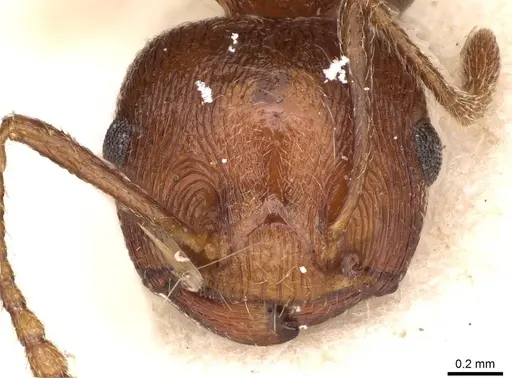
CASENT0908582
Ver no AntWeb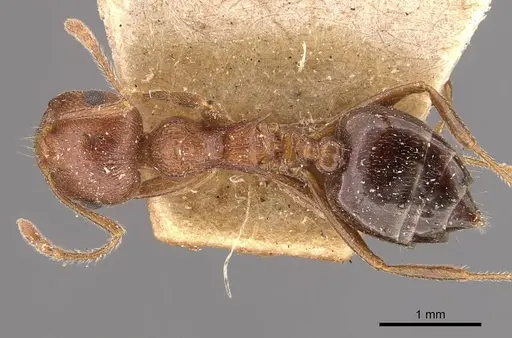
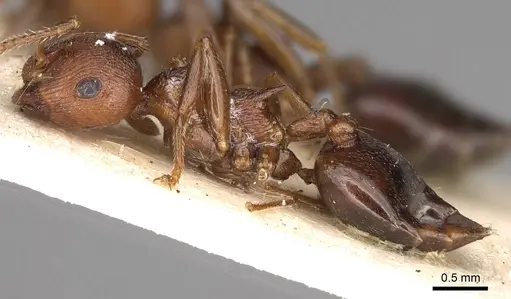
CASENT0914076
Ver no AntWeb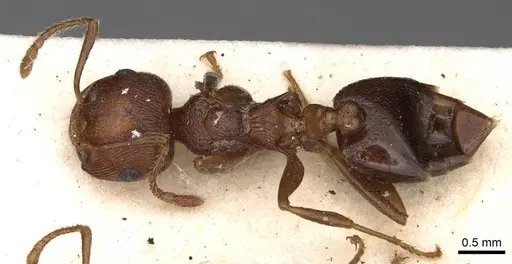
Literatura
A carregar mapa de distribuição...A carregar produtos...