
Colobopsis aurata
- Nome cient.
- Colobopsis aurata
- Tribo
- Camponotini
- Subfamília
- Formicinae
- Autor
- Karavaiev, 1935
- Distribuição
- Encontrado em 0 países
Introdução
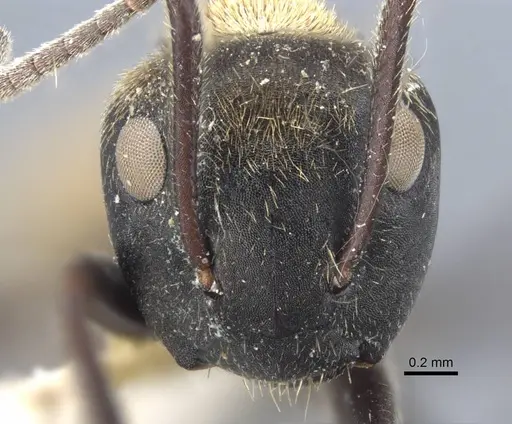
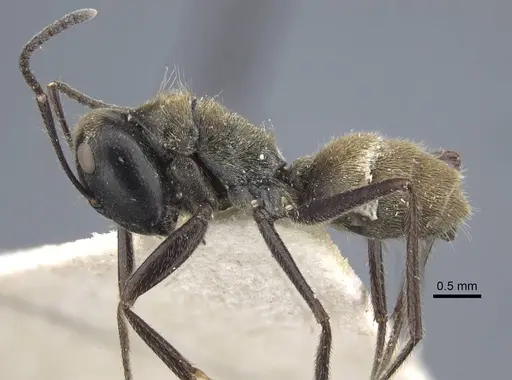
Colobopsis aurata is a small to medium-sized ant species native to tropical Asia, specifically found in India (Andhra Pradesh) and Vietnam . Workers display distinct minor and major castes - majors have enlarged, disk-shaped heads that they use as living corks to seal nest entrances, a signature behavior of the Colobopsis genus. The species was originally described as Camponotus auratus in 1935 before being reclassified to Colobopsis in 2016 [AntWiki]. These ants are arboreal, nesting in hollow twigs, stems, and rotting wood in forested areas. They are generally docile with a unique dual defense system: major workers block nest entrances with their head-corks, and like all Formicinae, they can spray formic acid when threatened.
Quick Summary
- Difficulty: Medium
- Origin & Habitat: Tropical Asia, India (Andhra Pradesh) and Vietnam [1]. Inhabits forested areas, typically nesting in hollow twigs, stems, and rotting wood.
- Colony Type: Likely monogyne (single queen) based on typical Colobopsis patterns. Colonies remain relatively small.
- Size & Growth:
- Queen: Size data unavailable, inferred from Colobopsis genus patterns (~8-12mm)
- Worker: Size data unavailable, minor and major castes exist, with majors having enlarged heads
- Colony: Up to a few hundred workers, estimated from genus patterns
- Growth: Moderate
- Development: Estimated 6-8 weeks at optimal tropical temperatures based on related Formicinae species (Development time is inferred from genus-level data since species-specific timing is unconfirmed)
- Antkeeping:
- Temperature: Keep at 24-28°C. Being tropical, they need warm conditions, a heating cable on one side of the nest creates a suitable gradient
- Humidity: Moderate to high humidity (60-80%). These arboreal ants prefer humid conditions but need good ventilation to prevent mold. Keep nest substrate slightly moist but not waterlogged.
- Diapause: No, being a tropical species, they do not require hibernation. However, a slight reduction in temperature during cooler months may slow activity naturally.
- Nesting: Best kept in naturalistic setups with hollow twigs, stems, or cork bark. Y-tong (AAC) nests with narrow chambers also work well. They need tight-fitting lids and excellent escape prevention, these ants can squeeze through surprisingly small gaps.
- Behavior: Generally docile and non-aggressive. Major workers will use their enlarged heads to block nest entrances when threatened, this 'cork' behavior is their primary defense. As Formicinae, they also possess an acidopore and can spray formic acid when biting, though this is a secondary defense. They are not known for stinging and pose no danger to keepers. Foraging activity is moderate, primarily during warmer hours. Escape prevention is important despite their moderate size, they are agile and will explore for exits.
- Common Issues: tropical species requires consistent warmth, cold drafts can weaken or kill colonies, poor escape prevention leads to escapes despite moderate size, overwatering causes mold problems in their preferred dry-to-moderate nesting sites, wild-caught colonies may harbor parasites that can devastate captive colonies, slow colony growth can frustrate beginners who overfeed and cause pest problems
Housing and Nest Preferences
Colobopsis aurata is an arboreal species that naturally nests in hollow twigs, stems, and rotting wood. In captivity, they do well in naturalistic setups featuring cork bark, hollow bamboo sections, or similar materials that mimic their natural nesting sites. You can also use Y-tong (AAC) nests with appropriately scaled chambers, the passages should be tight enough that majors can effectively use their head-cork behavior for defense. Test tubes can work for founding colonies, but you will need to provide a proper nesting structure once the colony reaches 15-20 workers. Ensure excellent escape prevention, despite their moderate size, these ants are persistent explorers and will find any gap in your setup. [2]
Feeding and Diet
Like most Formicinae ants, Colobopsis aurata likely accepts a varied diet including sugary liquids (honey water, sugar water) and protein sources (insects, small arthropods). Based on typical Colobopsis and related Formicinae feeding patterns, they probably tend aphids for honeydew in captivity. Offer a drop of honey or sugar water once or twice weekly, along with small insects like fruit flies, pinhead crickets, or mealworms. Remove uneaten prey after 24-48 hours to prevent mold. Feed protein more frequently during periods of brood development. A consistent sugar source should be available at all times. [2]
Temperature and Seasonal Care
Being a tropical species from India and Vietnam, Colobopsis aurata requires warm temperatures to thrive. Keep the nest area at 24-28°C, with a slight gradient allowing workers to choose their preferred temperature. A heating cable placed on one side of the nest works well, always place heating on top of the nest rather than underneath to avoid evaporating moisture too quickly. They do not require hibernation (diapause), but you may notice reduced activity during cooler months if room temperature drops. Avoid placing the colony near air conditioning vents or drafty windows. Consistent warmth year-round supports healthy colony growth and brood development. [2]
Behavior and Defense
The most distinctive behavior of Colobopsis aurata is their 'cork' defense mechanism, major workers have enlarged, disk-shaped heads that perfectly fit nest entrances. When threatened, majors wedge themselves into the entrance, effectively sealing the nest. This is fascinating to observe and makes them relatively easy to contain since they essentially seal themselves in. As members of the Formicinae subfamily, they also possess an acidopore and can spray formic acid when biting, though this is used less frequently than the head-cork behavior. They are not aggressive and rarely bite or sting. Workers are moderately active foragers, typically searching for food during daylight hours. They are not known for forming supercolonies or exhibiting overly territorial behavior toward keepers. [2]
Colony Growth and Development
Colobopsis colonies typically grow more slowly than many common Camponotus species. A newly mated queen will lay eggs shortly after sealing herself into a founding chamber. The first brood takes an estimated 6-8 weeks to develop into nanitic (first) workers at optimal temperatures. Initial colony growth is slow, the first batch of workers (nanitics) are typically smaller than normal workers. As the colony matures, you will see more major workers developing. Mature colonies may contain up to a few hundred workers with a clear division between minor and major castes. Patience is key with this species, full colony development can take 1-2 years. [2]
Frequently Asked Questions
How long does it take for Colobopsis aurata to produce first workers?
Based on typical Formicinae development patterns, expect first workers (nanitics) in approximately 6-8 weeks after the queen lays eggs, assuming temperatures are maintained at 24-28°C. The exact timeline for this specific species is unconfirmed, so monitor your colony and adjust conditions if development seems stalled.
What do Colobopsis aurata ants eat?
They accept sugary liquids (honey water, sugar water) and protein sources like small insects (fruit flies, pinhead crickets, mealworms). They likely will tend aphids for honeydew if given the opportunity. Offer sugar water twice weekly and protein prey once or twice weekly, removing uneaten food after 24 hours.
Do Colobopsis aurata ants need hibernation?
No, they do not require hibernation. Being a tropical species from India and Vietnam, they need consistent warmth year-round. Keep them at 24-28°C. You may notice reduced activity during cooler months if room temperature drops, but no formal diapause period is needed.
Are Colobopsis aurata good for beginners?
They are rated as medium difficulty. They are more challenging than common species like Lasius niger but not as difficult as some specialized predators. Their slow growth and specific temperature needs make them better suited for keepers who have already kept a colony successfully through its first year.
How big do Colobopsis aurata colonies get?
Based on typical Colobopsis colony sizes, expect up to a few hundred workers at maturity. Colony growth is relatively slow, taking 1-2 years to reach significant numbers. The presence of distinct minor and major castes becomes more apparent as the colony grows.
What is the best nest type for Colobopsis aurata?
Naturalistic setups with cork bark, hollow bamboo, or similar woody materials work best since they naturally nest in twigs and stems. Y-tong (AAC) nests with appropriately scaled chambers are also suitable. The key is providing tight-fitting connections and excellent escape prevention, as they will explore for exits.
Can I keep multiple Colobopsis aurata queens together?
This species is likely monogyne (single queen) based on typical Colobopsis patterns. Combining unrelated queens is not recommended and has not been documented. If you acquire a wild colony, it likely has only one reproductive queen.
Why are my Colobopsis aurata workers dying?
Common causes include: cold temperatures (keep at 24-28°C), poor humidity control (too wet causes mold, too dry causes desiccation), pest infestations from overfeeding, or stress from excessive disturbance. Check your temperature, reduce feeding frequency, and ensure proper ventilation. Wild-caught colonies may also carry parasites.
When should I move Colobopsis aurata to a formicarium?
Keep founding queens in simple test tubes with a water reservoir. Once the colony reaches 15-30 workers and you see active foraging, you can transition them to a naturalistic setup or formicarium. Make the transition gradual, connect the test tube to the new setup and allow workers to explore before moving the queen.
Report an Issue
The current care sheet is based fully on literature. See inconsistencies, or something that's incorrect? Please , it will be resolved after review from an admin. Contributing to the blogs tab also helps providing information, to make us be able to further improve the caresheets. Thank you for your support!
References

Esta ficha de cuidados é licenciada sob CC BY-SA 4.0 .
Blogs da comunidade
CASENT0139374
Ver no AntWeb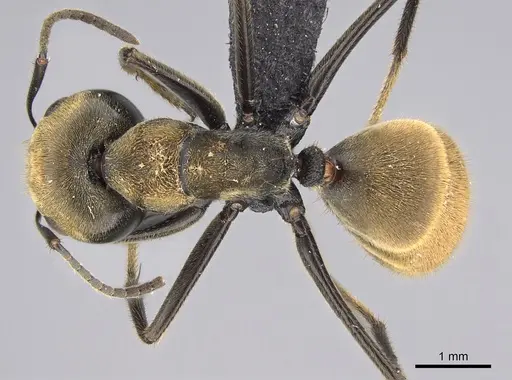
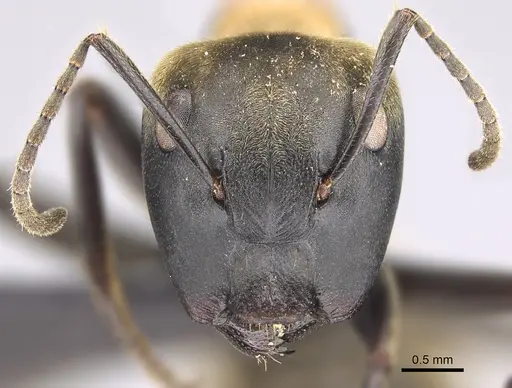
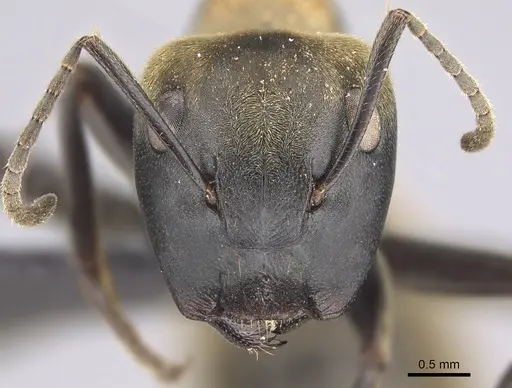
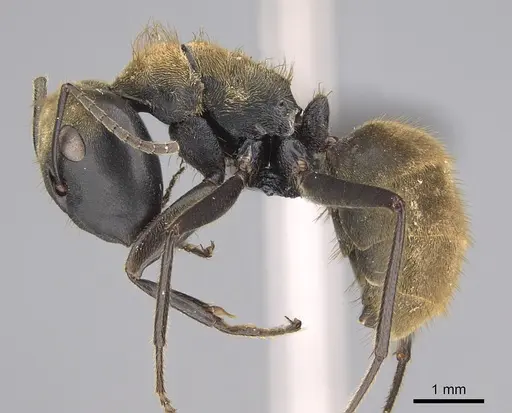
CASENT0917170
Ver no AntWeb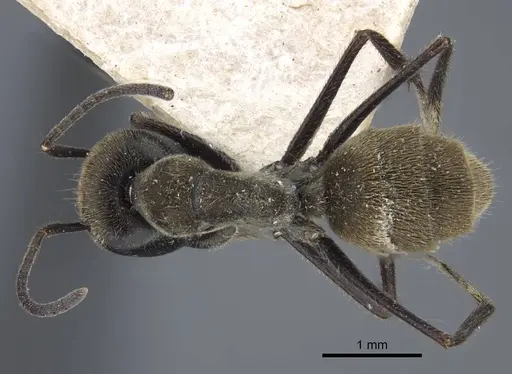
Literatura
A carregar mapa de distribuição...A carregar produtos...