
Carebara varia
- Nome cient.
- Carebara varia
- Tribo
- Crematogastrini
- Subfamília
- Myrmicinae
- Autor
- Santschi, 1920
- Distribuição
- Encontrado em 0 países
Introdução
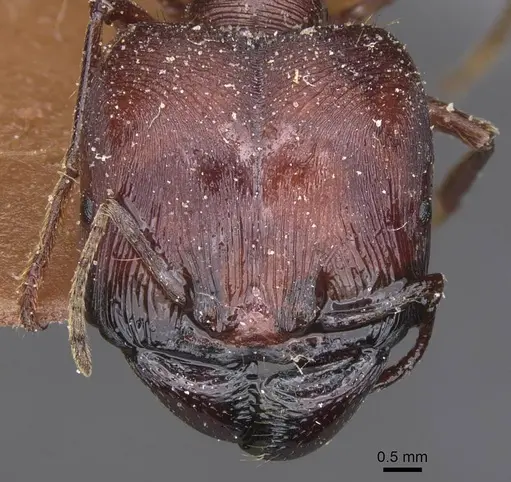
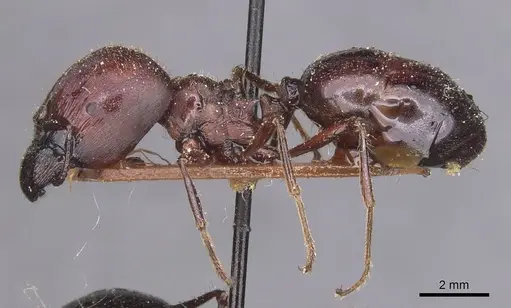
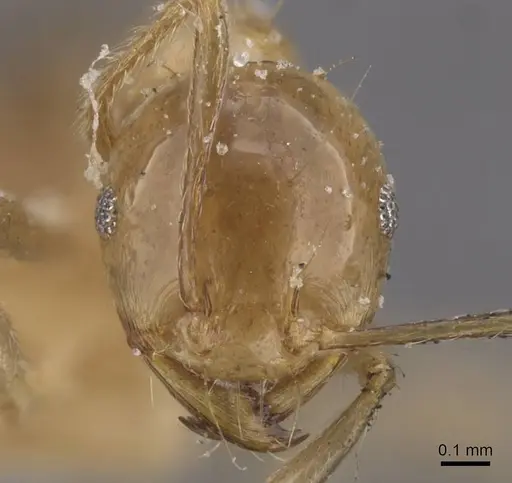
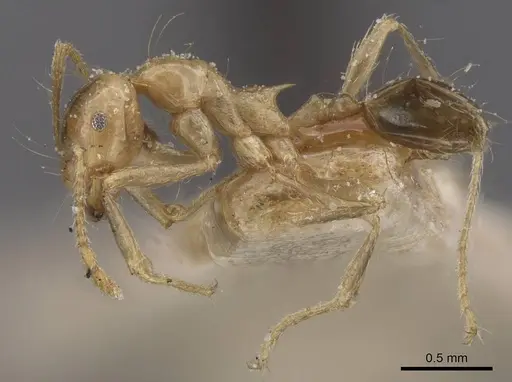
Carebara varia is a tiny ant species originally described from Vietnam under the name Pheidologeton varius . Workers are exceptionally small, measuring only a few millimeters - typical of the Carebara genus which contains some of the smallest ants in the world. These ants have a pale to reddish-brown coloration and a compact body structure. The queen is larger than workers but still relatively small compared to many other ant species. In their natural habitat in the Ho Chi Minh City region, they likely nest in soil or under stones in warm, humid tropical conditions. Their tiny size makes them excellent at accessing small food sources and navigating complex micro-habitats in leaf litter and soil layers.
Quick Summary
- Difficulty: Easy
- Origin & Habitat: Vietnam (Ho Chi Minh City region), tropical forest habitat [1]
- Colony Type: Colony structure unconfirmed, typical Carebara patterns suggest single-queen colonies
- Size & Growth:
- Queen: ~4-5mm, inferred from Carebara genus patterns
- Worker: ~1-3mm, inferred from Carebara genus patterns
- Colony: Likely up to a few hundred workers based on similar tiny ants
- Growth: Moderate
- Development: Estimated 6-8 weeks at optimal tropical temperatures (Development likely faster in warm conditions (25-30°C), slower if kept cooler)
- Antkeeping:
- Temperature: Keep at 24-28°C, tropical ants that prefer warm conditions. A heating cable on one side of the nest creates a suitable gradient.
- Humidity: High humidity preferred, aim for 70-80%. Keep the nest substrate consistently moist but not waterlogged.
- Diapause: No, as a tropical species from Vietnam, they do not require winter diapause
- Nesting: Test tubes work well for founding colonies. For established colonies, a small formicarium with moist substrate (like plaster or Y-tong) provides appropriate conditions. Their tiny size means narrow tunnels and small chambers are appropriate.
- Behavior: These are peaceful, non-aggressive ants. Workers are small and typically not interested in defending territory aggressively. They are generalist foragers, collecting small insects, honeydew, and sweet liquids. Their tiny size means escape prevention is critical, they can squeeze through remarkably small gaps. They are not known to sting and pose no danger to humans. As Myrmicinae ants, they have a modified stinger capable of smearing venom rather than piercing flesh.
- Common Issues: escape prevention is critical due to their very small size, use fine mesh and tight-fitting lids, colonies grow slowly, which can test beginner patience, wild-caught colonies may carry parasites that cause problems in captivity, overfeeding can lead to mold issues in small nests, they are extremely small so can easily be overlooked or crushed during nest maintenance
Housing and Nest Setup
For founding colonies, a simple test tube setup works perfectly. Fill a test tube one-third with water, plug with cotton, and place the queen in the tube. The cotton should be tight enough to prevent the queen from moving into the water but allow moisture to diffuse through. For established colonies with 50+ workers, you can move them to a small formicarium. Y-tong nests work well, or you can use a plaster nest with small chambers. The key is keeping the nest humid, these tropical ants need moisture. A water tower or test tube connected to the nest helps maintain humidity. Because they are so tiny, ensure all connections and barriers are secure. Standard ant farm setups are too large and dry for this species. [1]
Feeding and Diet
Carebara varia workers are small but capable hunters. Feed them small protein sources like fruit flies, small mealworms, or tiny insects. They will also accept sugar water, honey, or diluted syrup placed on a small piece of cotton or sponge. In nature, they likely forage for honeydew from aphids and small arthropods. Feed protein 2-3 times per week, and keep a sugar source available constantly. Remove uneaten food after 24-48 hours to prevent mold. Because of their tiny size, food pieces should be appropriately scaled, very small portions work better than large chunks they cannot manage.
Temperature and Humidity
These are tropical ants that need warmth. Keep the nest area at 24-28°C for optimal brood development. A small heating cable placed on top or to one side of the nest creates a gentle warmth gradient. Avoid temperatures above 32°C as this can stress the colony. Humidity should be high, around 70-80%. The nest substrate should feel consistently moist but never soggy. You can achieve this by connecting a water reservoir to the nest or misting the area lightly. Avoid placing the nest near air conditioning or drafty areas that might cause temperature swings. [1]
Colony Growth and Development
A newly mated queen will seal herself into a small chamber and lay eggs. She feeds on her stored fat reserves and any unfertilized eggs she produces to survive through the founding stage. First workers (nanitics) will be smaller than normal workers and appear after several weeks. After the first workers emerge, the colony typically grows gradually. Expect slow but steady growth over months. A mature colony might reach a few hundred workers. The queen can live for many years, with colonies potentially persisting for a decade or more with proper care.
Handling and Observation
These tiny ants are a joy to watch but require careful handling. They move quickly despite their small size and can be easily lost if they escape. When observing, use good lighting and a magnifying glass if needed. Do not handle the ants directly, use a soft brush or damp cotton tip if relocation is necessary. They are not aggressive and do not have a painful sting, making them safe for observation even for children. Their small size actually makes them fascinating to watch as they coordinate tasks and transport tiny food items.
Frequently Asked Questions
How long does it take for Carebara varia to produce first workers?
Expect first workers (nanitics) to appear in about 6-8 weeks after the queen lays eggs, assuming optimal temperatures around 25-28°C. Cooler conditions will slow development significantly.
Can I keep Carebara varia in a test tube?
Yes, test tubes are ideal for founding colonies. Use a small test tube with a water reservoir section blocked by cotton. The queen will seal herself in and raise her first brood in the tube.
What do Carebara varia ants eat?
They accept small insects (fruit flies, tiny mealworms), sugar water, honey, and syrup. Feed protein 2-3 times weekly and keep sugar water available constantly.
Do Carebara varia ants sting?
No, they are not known to sting and pose no danger to humans. They are peaceful ants that focus on foraging rather than defense.
Are Carebara varia good for beginners?
Yes, they are considered easy to care for. They are forgiving of minor temperature fluctuations, do not require hibernation, and are peaceful. The main challenge is their tiny size requiring good escape prevention.
How big do Carebara varia colonies get?
Mature colonies likely reach a few hundred workers. They are not among the largest ant species, but they can persist for many years with proper care.
Do Carebara varia need hibernation?
No, as a tropical species from Vietnam, they do not require hibernation. They may slow down slightly during cooler periods but should be kept warm year-round.
Why are my Carebara varia escaping?
Their tiny size allows them to squeeze through remarkably small gaps. Use fine mesh (at least 0.5mm), ensure all lids fit tightly, and check all connections between nest sections. Even tiny gaps that would not hold other ants can allow these to escape.
When should I move Carebara varia to a formicarium?
You can keep them in a test tube setup long-term if it stays humid. Move to a small formicarium when the colony reaches 50-100 workers and you notice the test tube getting crowded or fouling.
What temperature is best for Carebara varia?
Keep them at 24-28°C. This tropical species prefers warmth, and this range supports optimal brood development. Avoid temperatures below 20°C or above 32°C.
Report an Issue
The current care sheet is based fully on literature. See inconsistencies, or something that's incorrect? Please , it will be resolved after review from an admin. Contributing to the blogs tab also helps providing information, to make us be able to further improve the caresheets. Thank you for your support!
References

Esta ficha de cuidados é licenciada sob CC BY-SA 4.0 .
Blogs da comunidade
CASENT0913540
Ver no AntWeb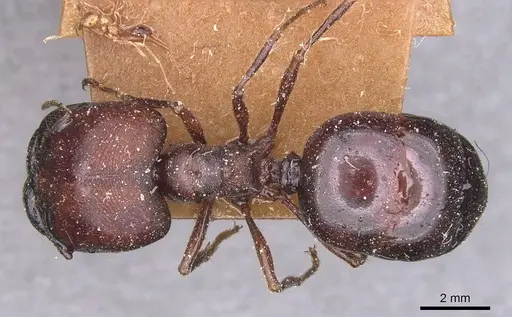
CASENT0913541
Ver no AntWeb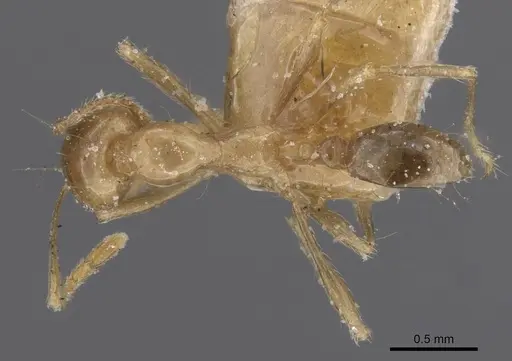
Literatura
A carregar mapa de distribuição...A carregar produtos...