
Carebara junodi
- Nome cient.
- Carebara junodi
- Tribo
- Crematogastrini
- Subfamília
- Myrmicinae
- Autor
- Forel, 1904
- Distribuição
- Encontrado em 0 países
Introdução
Carebara junodi is a tiny ant species documented in the Democratic Republic of Congo, specifically in Katanga (KC) province . The genus Carebara contains some of the world's smallest ants, with workers typically measuring just a few millimeters. These ants are ground-nesting species found in tropical forest and savanna habitats. Little specific research exists on this species' biology, behavior, or colony structure - most care information is inferred from what is known about other Carebara species.
Quick Summary
- Difficulty: Medium
- Origin & Habitat: Democratic Republic of Congo (Katanga province) in central Africa. Likely found in tropical forest and savanna habitats typical of the region [1].
- Colony Type: Unknown. Colony structure for this specific species is not documented in available research.
- Size & Growth:
- Queen: Size data unavailable for this species, inferred from Carebara genus patterns (~4-6mm)
- Worker: Size data unavailable for this species, inferred from Carebara genus patterns (~1.5-3mm)
- Colony: Unknown. Based on typical Carebara genus patterns, colonies may reach several hundred to a few thousand workers
- Growth: Unknown, likely moderate based on related species
- Development: Unknown for this species. Based on typical Carebara development, estimate 6-8 weeks at tropical temperatures (Development time is not studied for this specific species. Temperature dependency is inferred from tropical origin.)
- Antkeeping:
- Temperature: Keep at 24-28°C (tropical species). A heating cable on one side of the nest creates a gentle gradient. Room temperature may suffice if your home stays in this range.
- Humidity: Moderate to high humidity (60-80%). Keep the nest substrate consistently moist but not waterlogged. These ants come from tropical regions with seasonal rainfall patterns.
- Diapause: Unlikely. As a tropical species from central Africa, true diapause is not expected. Slight reduction in activity during cooler dry season months may occur.
- Nesting: Natural nesting occurs in soil and under stones in tropical habitats. In captivity, test tubes work well for founding colonies. For established colonies, a Y-tong (AAC) nest or plaster nest with small chambers scaled to their tiny size works well. Avoid large, open spaces.
- Behavior: Workers are highly active and aggressive foragers despite their tiny size. They swarm to capture prey and can deliver a mild sting. Escape prevention is critical due to their very small size, they can squeeze through the tiniest gaps. Use fine mesh barriers and tight-fitting lids. They are primarily nocturnal or crepuscular foragers.
- Common Issues: escape prevention is critical due to their very small size, they easily slip through standard barriers, colonies may fail if temperatures drop below 22°C for extended periods, overfeeding can lead to mold problems in small nest setups, wild-caught colonies may carry parasites that can decimate captive populations, slow initial colony growth during founding phase can lead to beginner discouragement
Housing and Nest Setup
For founding colonies, a simple test tube setup works well. Fill the tube with water and plug with cotton, providing a dark space for the queen. The small diameter of test tubes suits their tiny size. For established colonies with 50+ workers, transfer to a small formicarium. Y-tong (AAC) nests are ideal because they provide appropriately scaled chambers and allow you to observe the colony. Plaster nests also work well, providing moisture retention. Avoid large, open spaces in the nest, these tiny ants feel secure in tight chambers. Always use excellent escape prevention: fine mesh on any ventilation holes, barrier tape on tank edges, and tight-fitting lids. [1]
Feeding and Diet
Carebara junodi is an omnivorous forager. In captivity, offer protein sources such as small live prey (fruit flies, pinhead crickets, small mealworms) and commercial ant foods. They also accept sugar water, honey, or diluted honey water. Feed protein 2-3 times per week, and keep a sugar source available at all times. Remove uneaten prey after 24-48 hours to prevent mold. Their small size means even tiny food items are acceptable, they can overwhelm prey much larger than individual workers through swarm behavior.
Temperature and Heating
As a tropical species from the Democratic Republic of Congo, these ants require warm conditions. Keep the nest area at 24-28°C. Temperatures below 22°C for extended periods can slow colony development and may cause health issues. A small heating cable placed on one side of the nest creates a temperature gradient, allowing ants to self-regulate. Never place the nest directly on heating elements, gentle, indirect warmth is best. Room temperature may suffice if your home stays within their preferred range.
Humidity and Water
Maintain moderate to high humidity (60-80%). The nest substrate should feel consistently moist but never waterlogged. Mist the outworld area periodically and monitor condensation levels in the nest. For test tube setups, ensure the water reservoir is adequate but not so large that flooding becomes a risk. A humidity gradient within the nest allows ants to choose their preferred moisture level.
Behavior and Colony Dynamics
Workers are highly active and exhibit swarm foraging behavior. Despite their tiny size, they are aggressive and will attempt to sting perceived threats. The sting is mild due to their small size but can be noticeable. Colony type is not documented for this species, typical Carebara species are single-queen (monogyne). Queens are likely claustral, they seal themselves in a chamber and raise the first brood alone without foraging. The initial nanitic (first) workers are smaller than normal workers but the colony quickly grows as more workers emerge.
Frequently Asked Questions
How long does it take for Carebara junodi to produce first workers?
Expect first workers (nanitics) approximately 6-8 weeks after the queen lays eggs, when kept at optimal temperatures of 25-28°C. This timeline is estimated based on typical Carebara genus development patterns since species-specific studies are not available.
What do Carebara junodi ants eat?
They are omnivorous. Offer small live prey (fruit flies, pinhead crickets, small mealworms) as protein sources 2-3 times per week. Also provide a constant sugar source like sugar water, honey water, or commercial ant sweets. Remove uneaten food after 24-48 hours to prevent mold.
Are Carebara junodi ants good for beginners?
They are rated as Medium difficulty. While their basic care requirements are straightforward, their very small size makes escape prevention challenging. They also require warm, humid conditions typical of tropical species. Beginners should have experience with at least one other ant species before attempting this species.
Do Carebara junodi ants sting?
Yes, they can sting. However, due to their extremely small size, the sting is mild and often barely noticeable to humans. The pain level is minimal compared to larger stinging ants.
How big do Carebara junodi colonies get?
Based on typical Carebara genus patterns, colonies likely reach several hundred to a few thousand workers. Exact maximum colony size for this specific species is not documented.
What temperature do Carebara junodi ants need?
Keep them at 24-28°C. This tropical species requires warm conditions. Temperatures below 22°C for extended periods can harm the colony. A small heating cable on one side of the nest can help maintain optimal temperatures.
Can I keep multiple Carebara junodi queens together?
Not recommended. This species is likely monogyne (single queen) based on typical genus patterns. Combining unrelated queens has not been documented and queens will likely fight.
When should I move Carebara junodi to a formicarium?
Move from test tube to a formicarium (like Y-tong or plaster nest) when the colony reaches 50-100 workers. This typically occurs 6-12 months after founding, depending on temperature and feeding.
Do Carebara junodi need hibernation?
Likely no. As a tropical species from the Democratic Republic of Congo, they do not require true hibernation. However, slight reduction in activity during cooler months may occur naturally.
Why are my Carebara junodi escaping?
Their tiny size means they can squeeze through the tiniest gaps. Use fine mesh (0.5mm or smaller), barrier tape on tank edges, and ensure all lids fit tightly. Check for gaps around tubing connections.
Report an Issue
The current care sheet is based fully on literature. See inconsistencies, or something that's incorrect? Please , it will be resolved after review from an admin. Contributing to the blogs tab also helps providing information, to make us be able to further improve the caresheets. Thank you for your support!
References

Esta ficha de cuidados é licenciada sob CC BY-SA 4.0 .
Blogs da comunidade
RMCAENT000017776
Ver no AntWeb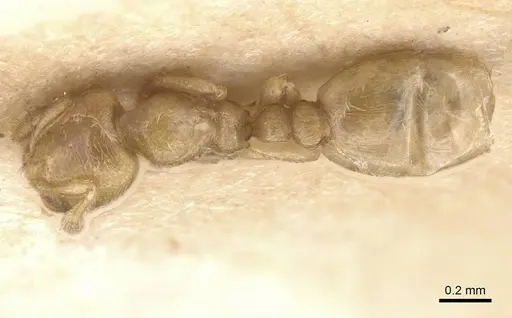
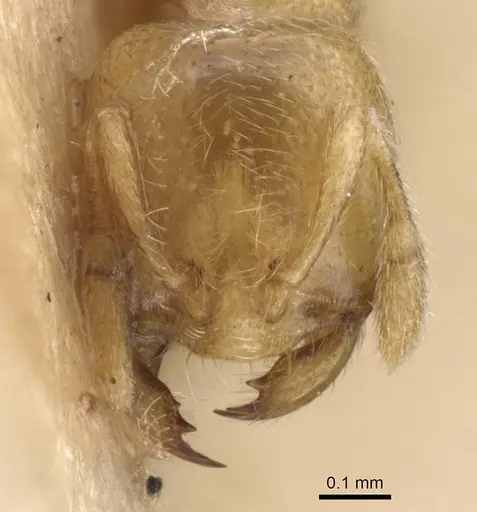
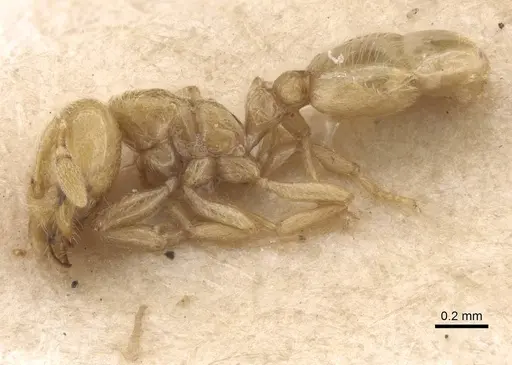
Literatura
A carregar mapa de distribuição...A carregar produtos...