
Carebara bruni
- Nome cient.
- Carebara bruni
- Tribo
- Crematogastrini
- Subfamília
- Myrmicinae
- Autor
- Forel, 1913
- Distribuição
- Encontrado em 0 países
Introdução
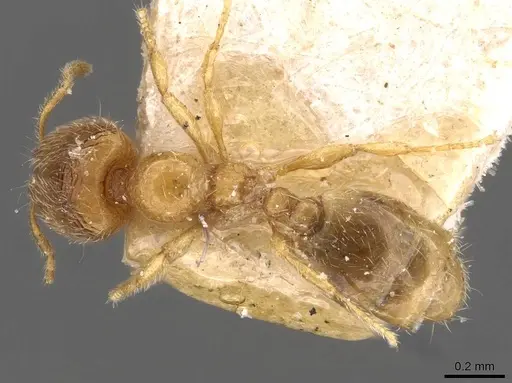
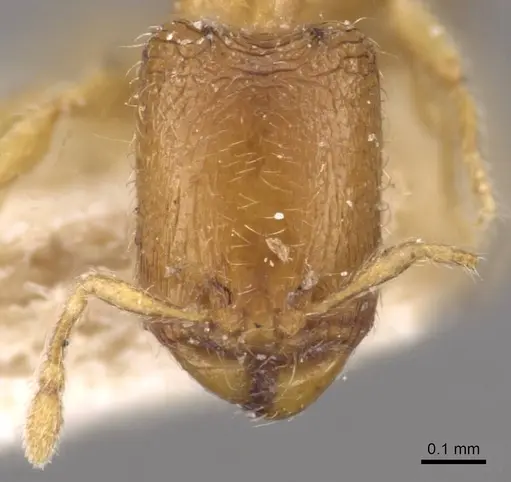
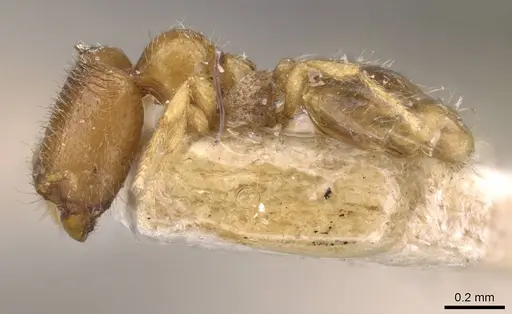
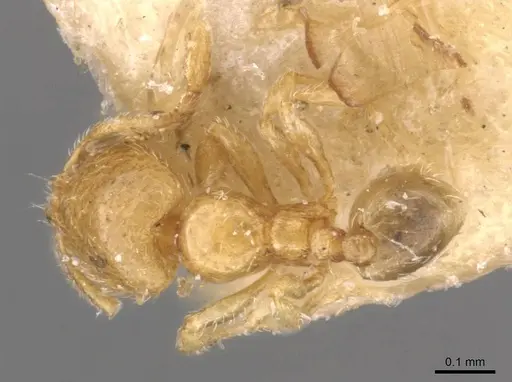
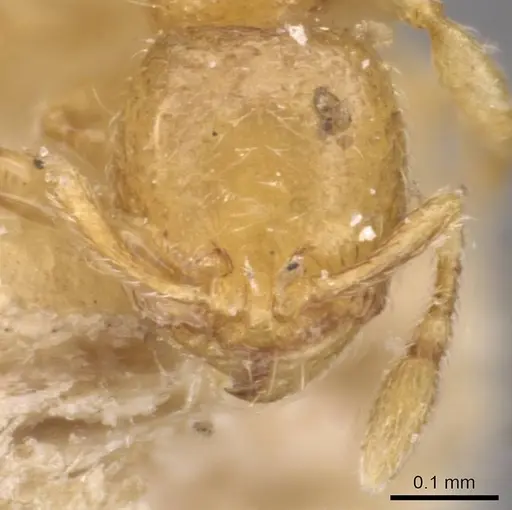
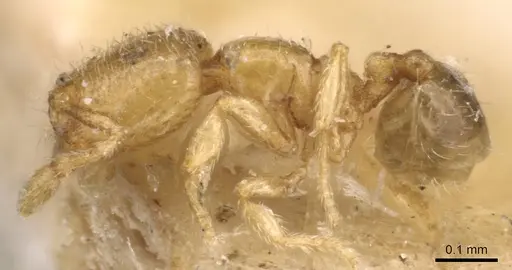
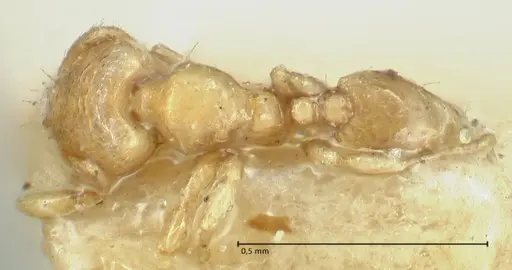
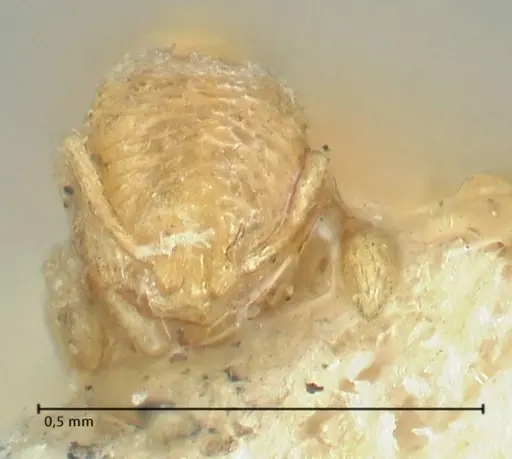
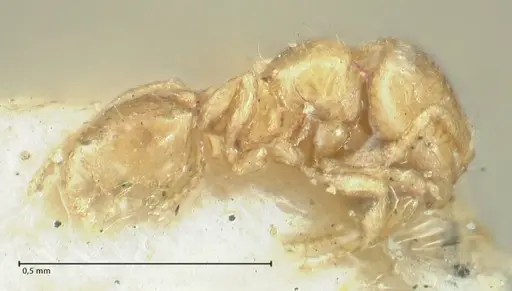
Carebara bruni is a tiny ant species native to Sri Lanka, where it inhabits the Peradeniya Botanical Gardens in the central highlands. Workers are small, with distinct major and minor castes - major workers have enlarged heads while minors are more diminutive. The genus Carebara is known for extreme size polymorphism among its castes. These ants are pale yellowish to reddish-brown. This species was originally described as Oligomyrmex bruni before being reclassified to Carebara in 2004 [AntWiki]. What makes Carebara bruni particularly interesting is its extremely limited habitat specialization. Research shows this species is restricted to primary forest environments and has never been found in secondary forest or rubber plantations . This makes it one of the most habitat-specific ants in the region, requiring pristine forest conditions that most other ant species can adapt away from.
Quick Summary
- Difficulty: Hard
- Origin & Habitat: Sri Lanka, specifically the Peradeniya Botanical Gardens in the central highlands. This species is a primary forest specialist that has never been recorded from secondary forest or agricultural areas [2]. The type specimens were collected from leaf litter in the botanical gardens in 1911-12 [1].
- Colony Type: Colony structure is not directly documented for this species.
- Size & Growth:
- Queen: Size data unavailable, inferred from genus patterns to be approximately 4-6mm
- Worker: Major workers approximately 2-3mm, minor workers approximately 1-2mm, inferred from genus patterns [1]
- Colony: Colony size data unavailable for this species
- Growth: Unknown
- Development: Timeline unconfirmed, likely several months based on related small Myrmicinae patterns (Direct development data unavailable for this species.)
- Antkeeping:
- Temperature: Keep at 24-28°C. This species comes from tropical Sri Lanka where temperatures remain warm year-round. A gentle heat gradient allows ants to regulate their temperature.
- Humidity: High humidity required, think damp forest floor. Keep nest substrate consistently moist but not waterlogged. Provide a water tube for drinking access.
- Diapause: Unlikely required. As a tropical species from Sri Lanka, they probably do not enter true diapause. However, slight temperature reduction during winter months may slow activity.
- Nesting: Natural nesting occurs in soil and leaf litter in primary forest environments. In captivity, a small test tube setup or mini formicarium with tight chambers works well. Avoid large open spaces, these tiny ants feel secure in compact, snug chambers.
- Behavior: These ants are extremely small and docile. Workers are not aggressive and lack a functional stinger large enough to penetrate human skin. They forage individually through leaf litter, hunting tiny micro-arthropods. Major workers may help process larger prey items. Escape prevention is critical, their tiny size allows them to squeeze through standard barrier methods. Use fine mesh and tight-fitting lids. Activity level is moderate, with workers actively patrolling the nest and outworld during daylight hours.
- Common Issues: escape prevention is critical due to their extremely small size, they can slip through gaps invisible to the naked eye, wild-caught colonies may fail in captivity due to specialized habitat requirements and possible dietary needs, slow colony growth can lead to keeper impatience and overfeeding, causing mold problems, high humidity requirements can lead to mold if ventilation is inadequate, difficulty establishing foundress queens, founding behavior is unconfirmed for this species
Housing and Nest Setup
Carebara bruni requires careful housing due to its tiny size. A small test tube setup works well for founding colonies, use a test tube with a cotton plug for water storage and a small outworld container for feeding. The test tube should be snug for the queen and early workers, these ants feel stressed in overly large spaces. For established colonies, a small Y-tong style formicarium with narrow chambers works best. The nest material should retain moisture well, plaster or acrylic with a water reservoir works. Always use excellent escape prevention: fine mesh barriers, fluon on container rims, and tight-fitting lids. Even small gaps that would not concern larger ant keepers will allow escapes. [2]
Feeding and Diet
In the wild, Carebara species are predatory, hunting tiny arthropods in leaf litter. Feed your colony small live prey appropriate to their size: wingless fruit flies, tiny springtails, or newly hatched insects. You can also collect small insects from your yard using a sweeping net. Sugar sources may be accepted, offer a tiny drop of honey or sugar water occasionally, but protein-rich prey should make up the majority of their diet. Feed every 2-3 days, removing uneaten prey within 24 hours to prevent mold. A constant water source is essential.
Temperature and Seasonal Care
As a tropical species from Sri Lanka, Carebara bruni requires warm conditions year-round. Maintain temperatures between 24-28°C during the active season. A small heating cable on one side of the nest creates a temperature gradient allowing ants to self-regulate. Place the heating element on top of the nest to avoid drying out the substrate. During winter, room temperature in heated homes (around 20-22°C) is usually sufficient, do not hibernate this species. If temperatures drop below 20°C for extended periods, colony health may decline. High humidity is equally important, aim for 70-80% relative humidity in the nest area.
Colony Founding
Colony founding for Carebara bruni has not been directly documented. Based on typical Carebara genus patterns, the queen likely seals herself in a small chamber and raises her first brood alone on stored fat reserves. The founding chamber should be small and snug, a test tube with a cotton barrier works well. Provide a dark, quiet location and do not disturb the queen for at least 4-6 weeks. Once the first workers emerge, you can begin offering tiny food items near the nest entrance. Colony growth is likely slow initially, with workers adding incrementally over many months.
Behavior and Temperament
Carebara bruni is a docile, non-aggressive species. Workers are tiny and cannot sting effectively, they are completely safe to handle. The colony will exhibit typical ant behaviors: workers forage for food, tend to brood, and defend the nest if threatened. Major workers may assist with processing larger prey items. Foraging occurs primarily during the day. The colony will establish defined trails between the nest and food sources. These ants are not escape artists by behavior, but their minute size means they WILL escape if given any opportunity, excellent barrier maintenance is essential regardless of their calm temperament.
Frequently Asked Questions
How long does it take for Carebara bruni to produce first workers?
The egg-to-worker timeline is not directly documented for this species. Expect several months from egg to first worker at optimal temperature (around 26°C). Growth is slow initially, do not expect rapid expansion.
Can I keep Carebara bruni in a test tube?
Yes, test tubes work well for founding colonies. Use a small test tube with a cotton barrier for water storage. The tube should be snug for the queen, these tiny ants feel stressed in overly large spaces. Once the colony reaches 50+ workers, consider moving to a small formicarium.
What do Carebara bruni ants eat?
They are predatory and need small live prey. Offer wingless fruit flies, tiny springtails, or newly hatched insects. You can occasionally offer a tiny drop of honey or sugar water, but protein should be the primary food source. Remove uneaten prey within 24 hours.
Do Carebara bruni ants sting?
No, they are completely harmless to humans. Their stinger is too small to penetrate human skin, and they are not aggressive. They are among the safest ant species to keep.
Are Carebara bruni good for beginners?
No, this species is not recommended for beginners. Their tiny size makes housing and escape prevention challenging, and their specific habitat requirements (primary forest specialist) mean wild colonies often struggle in captivity. They are best suited for experienced antkeepers who can provide optimal conditions.
How big do Carebara bruni colonies get?
Colony size is not directly documented for this species. Growth is slow, expect several months to reach 50 workers and years to reach full size.
Do Carebara bruni need hibernation?
No, they do not require hibernation. As a tropical species from Sri Lanka, they need warm conditions year-round. Maintain temperatures above 20°C even in winter. Slight temperature reduction during winter months is acceptable but not necessary.
Why are my Carebara bruni dying?
Common causes include: temperature too low (below 20°C), humidity too low or too high (mold problems), escape through tiny gaps, stress from oversized housing, or inadequate food. Also ensure you are not offering prey that is too large, these tiny ants need appropriately sized food.
When should I move my colony to a formicarium?
Move to a small formicarium or larger setup once the colony reaches 30-50 workers and the test tube is becoming crowded. The transition should be gradual, connect the formicarium to the test tube and allow workers to explore before moving the queen.
Can I keep multiple Carebara bruni queens together?
This is not recommended. While colony structure is not fully documented, Carebara species typically form single-queen colonies. Combining unrelated queens has not been studied and risks fighting.
Report an Issue
The current care sheet is based fully on literature. See inconsistencies, or something that's incorrect? Please , it will be resolved after review from an admin. Contributing to the blogs tab also helps providing information, to make us be able to further improve the caresheets. Thank you for your support!
References

Esta ficha de cuidados é licenciada sob CC BY-SA 4.0 .
Blogs da comunidade
Literatura
A carregar mapa de distribuição...A carregar produtos...