
Camponotus rotundinodis
- Nome cient.
- Camponotus rotundinodis
- Subgénero
- Myrmacrhaphe
- Tribo
- Camponotini
- Subfamília
- Formicinae
- Autor
- Santschi, 1935
- Distribuição
- Encontrado em 0 países
Introdução
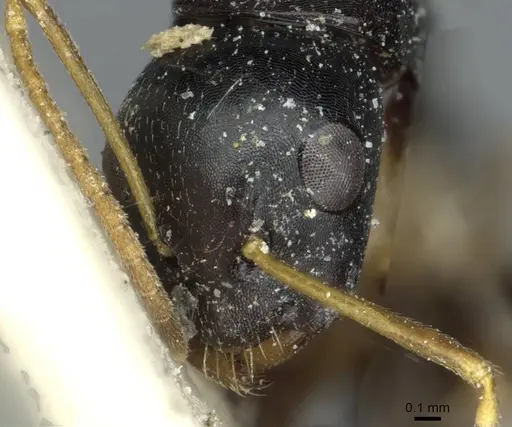
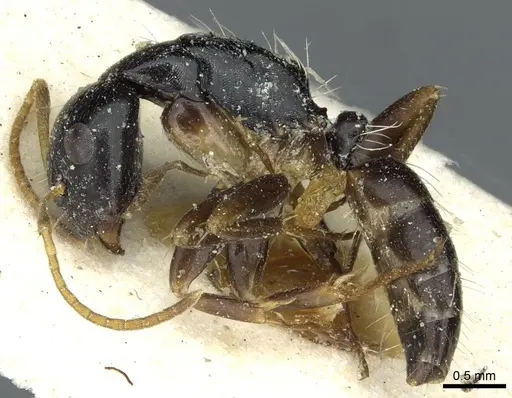
Camponotus rotundinodis is a carpenter ant species endemic to the Mongala region in the Democratic Republic of Congo . The species name 'rotundinodis' refers to its distinctive rounded petiolar nodes. Workers are medium-sized, typically ranging 5-8mm, with the characteristic constriction between the mesosoma and gaster typical of Camponotus. This tropical African species inhabits forest environments in central Africa.
Quick Summary
- Difficulty: Medium
- Origin & Habitat: Endemic to the Mongala region in the Democratic Republic of Congo, where it inhabits tropical forest environments [1].
- Colony Type: Colony structure is unconfirmed for this species. Based on typical Camponotus patterns, single-queen colonies are possible but not documented.
- Size & Growth:
- Queen: ~10-14mm, inferred from Camponotus genus patterns for medium-sized species
- Worker: ~5-8mm, inferred from Camponotus genus patterns
- Colony: Likely up to several hundred workers at maturity based on genus patterns
- Growth: Moderate
- Development: Estimated 6-8 weeks at optimal temperature based on typical Camponotus development (Development time is inferred from related Camponotus species. Warmer temperatures within acceptable range may speed development.)
- Antkeeping:
- Temperature: Keep at 24-28°C. A slight gradient allowing workers to self-regulate is beneficial.
- Humidity: Moderate to high humidity. Tropical species benefit from consistent moisture but avoid waterlogging.
- Diapause: No true diapause expected given tropical origin. Some reduction in activity during cooler months may occur.
- Nesting: In captivity, standard formicarium setups work well. Y-tong (AAC), plaster, or soil nests with moderate chamber sizes suit this species. They typically accept test tube setups for founding colonies.
- Behavior: This species is expected to show typical carpenter ant behavior, generally non-aggressive toward keepers, nocturnal to crepuscular foraging patterns, and moderate activity levels. Workers likely forage for honeydew, small insects, and sugary substances. Escape risk is moderate due to their medium size, standard barrier methods should suffice but vigilance is recommended.
- Common Issues: tropical species may struggle if temperatures drop below 22°C for extended periods, limited documentation means wild-caught colonies may have unknown health issues, moderate growth rate requires patience during founding, humidity control is important, too dry can stall brood development, too wet can cause mold issues
Natural History and Distribution
Camponotus rotundinodis is a poorly documented species endemic specifically to the Mongala province in the Democratic Republic of Congo [1]. The species was originally described by Santschi in 1935, with additional records by Weber in 1943. As a tropical African carpenter ant, it likely inhabits forest environments where it nests in rotting wood, hollow stems, or under bark, typical nesting sites for Camponotus species in humid tropical regions. The species name 'rotundinodis' refers to its distinctive rounded petiolar nodes, a morphological trait that helps distinguish it from other regional Camponotus species.
Housing and Nest Preferences
In captivity, Camponotus rotundinodis adapts well to standard formicarium setups. A Y-tong (AAC) nest, plaster nest, or soil setup with moderate-sized chambers works well for established colonies. For founding colonies, a standard test tube setup with a water reservoir provides appropriate humidity and darkness. The species is not particularly demanding about nest materials but benefits from some humidity retention. Ensure the nest has enough space for the colony to expand as it grows.
Feeding and Diet
Like other Camponotus species, this ant is omnivorous and will accept a varied diet. Offer sugar water or honey as a constant energy source. Protein should be provided regularly through small insects such as fruit flies, small crickets, or mealworms. In nature, they likely forage for honeydew from aphids and scale insects, plus small arthropods. Feed protein sources 2-3 times per week for established colonies, and keep sugar water available at all times. Remove uneaten prey after 24-48 hours to prevent mold.
Temperature and Seasonal Care
As a tropical species from the Democratic Republic of Congo, Camponotus rotundinodis requires warm conditions. Maintain temperatures between 24-28°C for optimal colony development and brood growth. Temperatures below 22°C for extended periods may slow activity and development. A small heating cable on one side of the nest can create a temperature gradient, allowing workers to self-regulate. No true hibernation is expected given their tropical origin, maintain consistent warmth year-round.
Behavior and Defense
Camponotus rotundinodis displays typical carpenter ant temperament, generally calm and non-aggressive toward keepers. Workers are primarily nocturnal or crepuscular, with increased activity during evening and night hours. As a Formicinae species, they lack a functional sting. Their primary defense involves biting and spraying formic acid from their acidopore into the wound. Their moderate size makes them relatively easy to contain with standard barrier methods, though they can climb smooth surfaces.
Frequently Asked Questions
How long does it take for Camponotus rotundinodis to produce first workers?
Based on typical Camponotus development, expect first workers approximately 6-8 weeks after the queen lays eggs, assuming temperatures around 25°C. Development may vary depending on exact temperature and feeding.
What temperature is best for Camponotus rotundinodis?
Keep them at 24-28°C. This tropical species needs warm conditions to thrive. A temperature gradient allowing workers to choose their preferred spot is ideal.
How big do Camponotus rotundinodis colonies get?
Based on typical Camponotus patterns, colonies likely reach several hundred workers at maturity. Exact maximum size is unknown due to limited documentation.
Can I keep multiple queens together?
Not recommended. Starting with one queen per colony is safest. Colony structure is unconfirmed for this species, and combining unrelated queens typically results in fighting.
What do Camponotus rotundinodis eat?
They are omnivorous. Offer sugar water or honey constantly, plus protein sources like small insects 2-3 times per week.
Do they need hibernation?
No. As a tropical species from the DRC, they do not require true hibernation. Maintain warm temperatures year-round.
Is Camponotus rotundinodis good for beginners?
Difficulty is moderate. They are harder to find than common species and require warm, stable conditions. Some experience with ant keeping is helpful.
How often should I feed Camponotus rotundinodis?
Provide sugar water constantly. Offer protein 2-3 times per week. Remove uneaten prey after 24-48 hours.
When should I move from test tube to formicarium?
Move to a formicarium when the colony reaches 20-30 workers and the test tube is becoming crowded. Ensure the new setup has appropriate humidity and chamber sizes.
Report an Issue
The current care sheet is based fully on literature. See inconsistencies, or something that's incorrect? Please , it will be resolved after review from an admin. Contributing to the blogs tab also helps providing information, to make us be able to further improve the caresheets. Thank you for your support!
References

Esta ficha de cuidados é licenciada sob CC BY-SA 4.0 .
Blogs da comunidade
CASENT0415827
Ver no AntWeb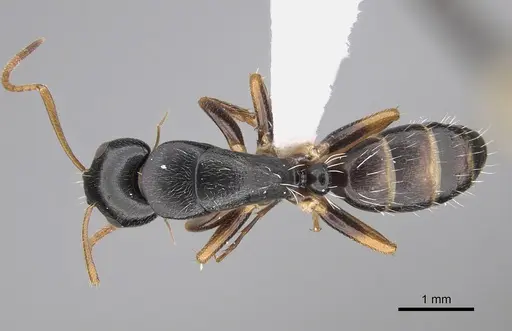
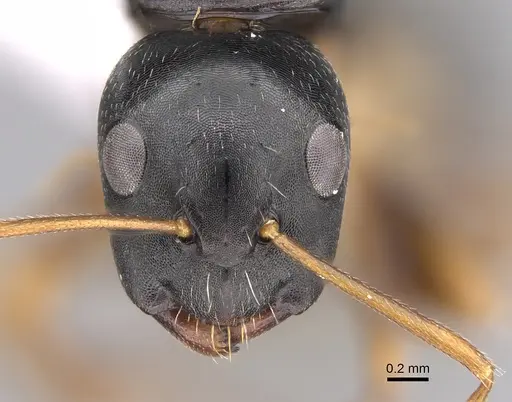
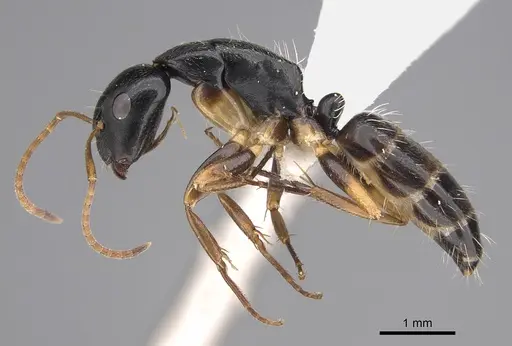
RMCAENT000017819
Ver no AntWeb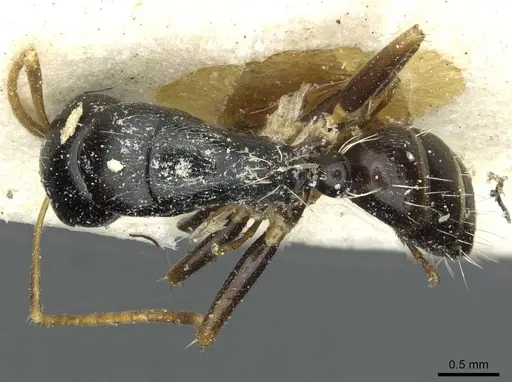
Literatura
A carregar mapa de distribuição...A carregar produtos...