
Camponotus puberulus
- Nome cient.
- Camponotus puberulus
- Subgénero
- Myrmotrema
- Tribo
- Camponotini
- Subfamília
- Formicinae
- Autor
- Emery, 1897
- Distribuição
- Encontrado em 0 países
Introdução
Camponotus puberulus is an arboreal ant species from the Ethiopian region of Africa, originally described as a subspecies of Camponotus carbo before being raised to full species status in 1915 [AntWiki]. Workers belong to the subgenus Myrmotrema and have been documented in Democratic Republic of Congo, Eritrea, Ethiopia, Somalia, and Uganda [AntWiki]. This species inhabits forest-savanna mosaic environments in West Africa, where it has been found nesting in trees . As a Formicinae ant, they lack a functional stinger but can defend themselves by biting and spraying formic acid. The species was caught exclusively in funnel traps during sampling studies, suggesting arboreal foraging behavior .
Quick Summary
- Difficulty: Medium
- Origin & Habitat: Ethiopian region (Democratic Republic of Congo, Eritrea, Ethiopia, Somalia, Uganda). Inhabits forest-savanna mosaic environments in West Africa, with arboreal nesting preferences [3][1].
- Colony Type: Colony structure is unconfirmed. No species-specific data on queen number or colony social structure.
- Size & Growth:
- Queen: Size data unavailable, no measurements exist for this species. Larger Camponotus species typically measure 12-18mm as queens.
- Worker: Described as a larger ant species but no specific measurements available [3].
- Colony: Colony size data unavailable.
- Growth: Growth rate data unavailable.
- Development: Development time unconfirmed for this species. (Larger Camponotus species typically take 6-10 weeks from egg to worker at optimal temperatures.)
- Antkeeping:
- Temperature: Keep at 24-28°C. As an African species from tropical latitudes, they prefer warm conditions. A heating cable on one side of the nest creates a suitable gradient.
- Humidity: Provide moderate humidity. Keep the nest substrate consistently moist but not waterlogged. A water tube should be available for drinking.
- Diapause: Diapause requirements unconfirmed. As an African tropical species, they likely do not require true hibernation.
- Nesting: Arboreal nesting preference suggests they do well in Y-tong (AAC) nests or plaster nests with vertical chambers. Provide climbing structures in the outworld. Test tubes work for founding colonies.
- Behavior: Behavior data is limited for this species. Based on typical Camponotus patterns, workers are likely active foragers. Escape risk is moderate, use standard barrier techniques.
- Common Issues: founding colonies are slow to establish, patience is required during the founding period, wild-caught colonies may carry parasites that cause colony decline, overfeeding can lead to mold problems in nest setups, arboreal nature means they need vertical space and climbing structures, low temperatures below 22°C may slow colony development
Nest Preferences and Housing
Camponotus puberulus shows arboreal tendencies in the wild, meaning they prefer nests with some vertical space and climbing opportunities [3]. For captive care, Y-tong (AAC) nests work well as they provide dark, secure chambers that mimic tree hollows. Plaster nests are also suitable and allow you to control humidity more precisely. During founding, keep the queen in a simple test tube setup with a water reservoir. Once the colony reaches 15-20 workers, you can transition to a formicarium. The outworld should include climbing structures like twigs or artificial plants since they naturally forage in vegetation. Keep the nest area humid but not wet.
Feeding and Diet
As an omnivorous Camponotus species, they accept a varied diet. Offer sugar water or honey as a constant energy source, replace every 2-3 days to prevent fermentation. For protein, provide insects like mealworms, crickets, or fruit flies. Larger workers can handle bigger prey items. In the wild, they likely forage for honeydew from aphids and scale insects, so sugar sources are important. Feed protein 2-3 times per week, adjusting based on colony size and brood development. Remove uneaten prey after 24-48 hours to prevent mold. Fresh water should always be available.
Temperature and Seasonal Care
Being an African species from tropical latitudes, Camponotus puberulus prefers warm conditions. Maintain nest temperatures between 24-28°C for optimal brood development. A heating cable placed on one side of the nest creates a temperature gradient that lets ants choose their preferred zone. Avoid temperatures below 22°C for extended periods as this can slow colony growth significantly. Unlike temperate species, they likely do not require true hibernation. If you live in a temperate climate, a brief cool period at 15-18°C for 4-6 weeks during winter may simulate their natural dry season slowdown, but this is not strictly necessary.
Behavior and Colony Dynamics
Camponotus species are known for their relatively calm demeanor. Workers are active foragers that will explore the outworld systematically. The colony will establish foraging trails once established. Major workers develop as the colony grows, and their larger size helps with defense and processing tough food items. The claustral founding period requires patience, the queen will remain sealed in her chamber until her first workers emerge, which may take 6-10 weeks for larger Camponotus species. Do not disturb the founding chamber during this time.
Frequently Asked Questions
How long does it take for Camponotus puberulus to raise first workers?
Exact development time is unconfirmed for this species. For larger Camponotus species, expect 6-10 weeks from egg to first worker (nanitic) at optimal temperature (24-28°C). The queen will remain sealed in her founding chamber during this time, do not disturb her.
What do Camponotus puberulus ants eat?
They are omnivorous. Offer sugar water or honey constantly, and protein sources like mealworms, crickets, or fruit flies 2-3 times per week. Remove uneaten food promptly to prevent mold.
Are Camponotus puberulus good for beginners?
They are rated Medium difficulty. They require warm temperatures and patience during the slow founding phase. They are a good choice after keeping a smaller or more forgiving species first.
What temperature do Camponotus puberulus need?
Keep nest temperatures between 24-28°C. A heating cable on one side of the nest creates a gradient. Avoid prolonged periods below 22°C as this slows colony growth.
Can I keep multiple queens together?
Initially, keep queens separate during founding. No data exists on whether this species is monogyne or polygyne. While some Camponotus can tolerate multiple queens in large established colonies, it is not recommended to combine unrelated foundresses.
When should I move Camponotus puberulus to a formicarium?
Move from test tube to formicarium once the colony reaches 15-30 workers and the test tube setup becomes cramped. Ensure the formicarium has appropriately sized chambers and adequate humidity control.
Do Camponotus puberulus need hibernation?
Probably not. As an African tropical species, they do not require true hibernation. A brief cool period (15-18°C for 4-6 weeks) may be beneficial if you want to simulate dry season, but it is not required.
How big do Camponotus puberulus colonies get?
Colony size data is unavailable for this species. Most Camponotus colonies reach several thousand workers at maturity. Expect several years to reach full maturity.
Why is my colony not growing?
Check temperature first, they need 24-28°C for optimal development. Also ensure they have adequate protein food and the nest humidity is appropriate (damp but not wet). Founding colonies are slow and require patience.
Report an Issue
The current care sheet is based fully on literature. See inconsistencies, or something that's incorrect? Please , it will be resolved after review from an admin. Contributing to the blogs tab also helps providing information, to make us be able to further improve the caresheets. Thank you for your support!
References

Esta ficha de cuidados é licenciada sob CC BY-SA 4.0 .
Blogs da comunidade
CASENT0905433
Ver no AntWeb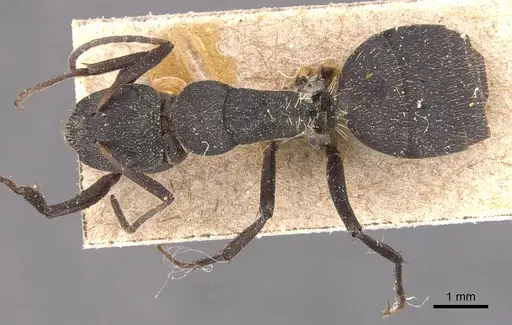
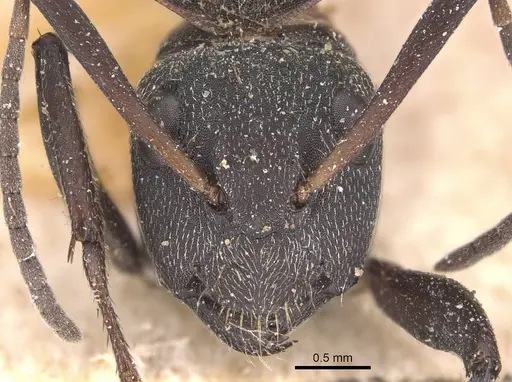
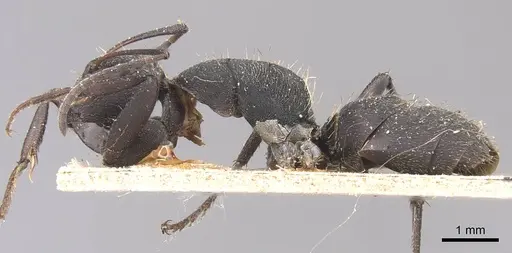
Literatura
A carregar mapa de distribuição...A carregar produtos...