
Camponotus longipalpis
- Nome cient.
- Camponotus longipalpis
- Subgénero
- Myrmacrhaphe
- Tribo
- Camponotini
- Subfamília
- Formicinae
- Autor
- Santschi, 1926
- Distribuição
- Encontrado em 0 países
Introdução
Camponotus longipalpis is an ant species endemic to the Kasai region of the Democratic Republic of Congo . As a member of the carpenter ant genus Camponotus, they likely display the robust body form typical of the group, though specific measurements and nesting details remain unconfirmed due to limited research. Their restricted range makes them a rarely kept species, requiring antkeepers to apply general Camponotus husbandry knowledge while carefully observing their specific needs.
Quick Summary
- Difficulty: Medium
- Origin & Habitat: Democratic Republic of Congo, Kasai region [1]. Likely tropical forest or woodland habitats based on regional ecology.
- Colony Type: Unconfirmed, likely monogyne based on typical Camponotus patterns
- Size & Growth:
- Queen: Size data unavailable for this species
- Worker: Size data unavailable for this species
- Colony: Unknown, Camponotus colonies often reach several hundred to thousands of workers
- Growth: Likely slow to moderate
- Development: Unknown, estimated 8-12 weeks at 25-28°C based on related tropical Camponotus species (This is an estimate based on genus patterns, actual timing for this species is unconfirmed)
- Antkeeping:
- Temperature: Likely 24-28°C based on tropical origin. Provide a gentle heat gradient.
- Humidity: Moderate to high humidity, nest substrate should feel damp but not waterlogged
- Diapause: Likely not required (tropical species), though unconfirmed
- Nesting: Likely wood-nesting, provide wooden blocks, Y-tong, or plaster nests with chambers
- Behavior: Expected to show typical Camponotus behavior: generally calm but capable of biting when disturbed, with slow deliberate movement. Larger workers may be defensive.
- Common Issues: lack of species-specific care data means you must rely on observation and adjust based on colony response., tropical humidity requirements can lead to mold without adequate ventilation., slow growth typical of Camponotus requires patience, avoid overfeeding or frequent disturbances.
Natural History and Distribution
Colobopsis longipalpis is endemic to the Kasai region of the Democratic Republic of Congo [1]. This restricted distribution suggests they occupy specific habitat types within the region, likely tropical forests or woodlands where they can nest in dead wood. As with many African Camponotus species, they remain poorly studied in the wild, and most care recommendations rely on inference from better-known relatives and the general biology of the genus.
Colony Founding and Development
The founding behavior of Colobopsis longipalpis has not been directly observed. Based on typical Camponotus patterns, queens likely seal themselves in a chamber (claustral founding) and raise the first generation of workers using stored body fat reserves without leaving to forage. Development time from egg to worker is unknown, but related tropical Camponotus species typically take 8-12 weeks at temperatures around 25-28°C. First workers (nanitics) are usually smaller than subsequent generations.
Housing and Environment
Provide a nest setup that mimics their likely wood-nesting habits. Wooden nest blocks, Y-tong (autoclaved aerated concrete), or plaster nests with chambers work well. Keep the nest area warm, around 24-28°C, with a slight gradient so the colony can choose their preferred spot. Maintain moderate to high humidity by keeping the nest substrate damp but not soaked, and ensure good ventilation to prevent mold growth in these tropical conditions.
Feeding and Diet
Like most Camponotus species, they are likely generalist omnivores. Offer a mix of sugar sources (honey, sugar water) and protein (mealworms, crickets, fruit flies). Feed protein twice weekly and keep sugar water available constantly. Adjust portions based on colony size and observe what they accept readily, as specific preferences are unconfirmed for this species.
Frequently Asked Questions
Where do Camponotus longipalpis come from?
They are endemic to the Kasai region of the Democratic Republic of Congo [1].
How long until Camponotus longipalpis get their first workers?
The exact timeline is unknown. Based on related tropical Camponotus species, expect approximately 8-12 weeks at 25-28°C, though this may vary.
Do Camponotus longipalpis need hibernation?
Probably not. As a tropical species from the Democratic Republic of Congo, they likely remain active year-round, though this is unconfirmed.
Can I keep multiple Camponotus longipalpis queens together?
Not recommended. Most Camponotus species are monogyne (single-queen), and combining queens usually leads to fighting. There is no evidence this species accepts multiple queens.
What should I feed Camponotus longipalpis?
They likely accept a generalist diet of sugar water or honey for carbohydrates, and live or dead insects for protein. Offer small prey items appropriate to the colony size.
Are Camponotus longipalpis good for beginners?
They are likely medium difficulty. While Camponotus species are generally hardy, the lack of specific care information for this species means beginners must be comfortable observing and adjusting care based on the colony's response.
How big do Camponotus longipalpis colonies get?
Colony size is unknown. Based on other Camponotus species, they may eventually reach several hundred to over a thousand workers, but growth is typically slow.
Can I keep Camponotus longipalpis in a test tube?
Yes, test tubes work well for founding colonies. Provide a water reservoir blocked with cotton, and move them to a proper nest once they have 10-20 workers.
Report an Issue
The current care sheet is based fully on literature. See inconsistencies, or something that's incorrect? Please , it will be resolved after review from an admin. Contributing to the blogs tab also helps providing information, to make us be able to further improve the caresheets. Thank you for your support!
References

Esta ficha de cuidados é licenciada sob CC BY-SA 4.0 .
Blogs da comunidade
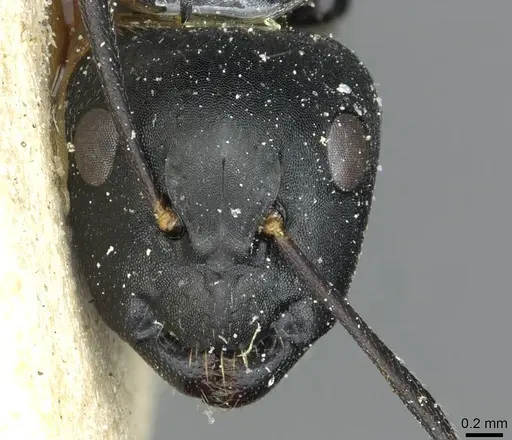
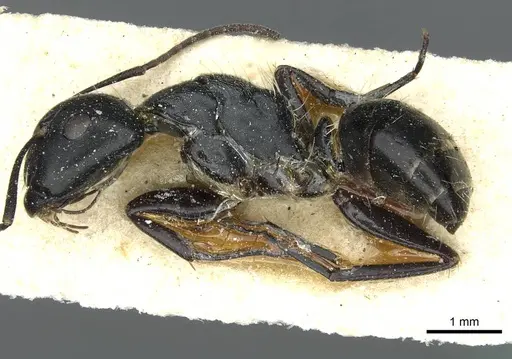
RMCAENT000017820
Ver no AntWeb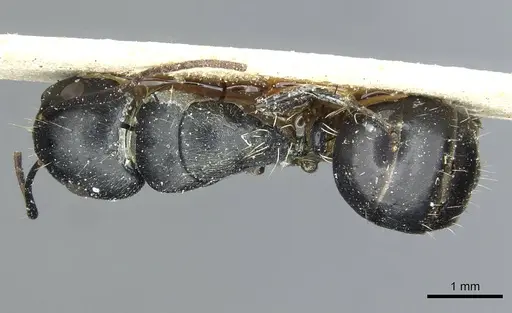
Literatura
A carregar mapa de distribuição...A carregar produtos...