
Camponotus lancifer
- Nome cient.
- Camponotus lancifer
- Subgénero
- Myrmosphincta
- Tribo
- Camponotini
- Subfamília
- Formicinae
- Autor
- Emery, 1894
- Distribuição
- Encontrado em 0 países
Introdução
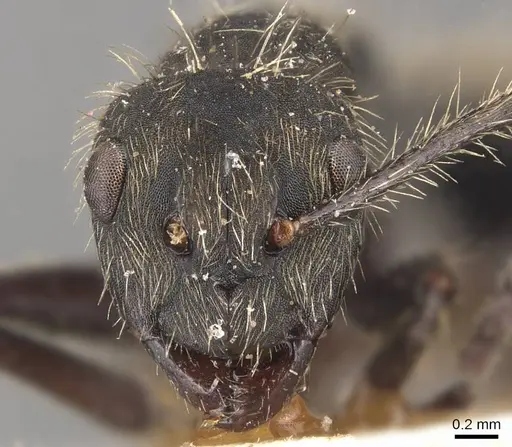
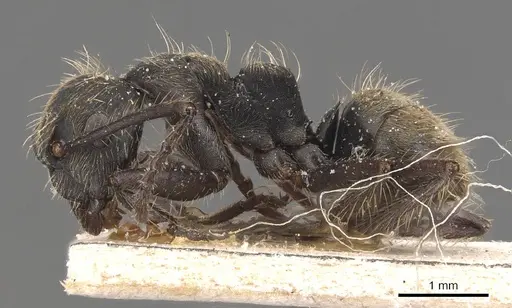
Camponotus lancifer is a Neotropical carpenter ant species native to Brazil (Mato Grosso) and Peru . This species belongs to the dimorphus-group within the Myrmobrachys subgenus, characterized by a distinctive subtrapezoidal head wider than the clypeus, a mesosoma roughly equal in length to the gaster, and a sharply angular petiolar node with anterior and posterior faces separated by sharp edges dorsally . The notopropodeal sulcus is well-developed, separating the mesonotum from the propodeum, and the pronotum has coarse punctures on its lateral face . This is a relatively rare species in the antkeeping hobby with limited documented captive information.
Quick Summary
- Difficulty: Medium
- Origin & Habitat: Neotropical species from Brazil (Mato Grosso) and Peru. Found in tropical forest environments [1][2].
- Colony Type: Colony structure is unconfirmed. Based on typical Camponotus patterns, likely single-queen colonies, but this has not been documented for this species.
- Size & Growth:
- Queen: Size data unavailable, no specific measurements exist for this species. Estimated 15-18mm based on typical Camponotus queen sizes (inferred from genus)
- Worker: Size data unavailable, no specific measurements exist. Likely polymorphic (different sizes within colony) based on genus patterns (inferred from genus)
- Colony: Likely reaches several hundred workers at maturity based on typical Camponotus colony sizes (inferred from genus)
- Growth: Moderate
- Development: Estimated 6-10 weeks at optimal temperature based on related Camponotus species (inferred from genus) (Development time estimated from genus-level data, specific timing for this species has not been documented)
- Antkeeping:
- Temperature: Keep at 24-28°C. As a tropical species, they need warm conditions year-round. A heating cable on one side of the nest creates a suitable gradient (estimated based on tropical requirements)
- Humidity: Moderate to high (50-70%). These are forest-dwelling ants that prefer damp but not waterlogged conditions. Keep the nest substrate slightly moist (estimated)
- Diapause: No true diapause, being tropical, they do not require hibernation. However, activity may slow slightly during cooler months (estimated)
- Nesting: In the wild, Myrmobrachys species typically nest in rotting wood or under bark. In captivity, they do well in Y-tong (AAC) nests, plaster nests, or naturalistic setups with wood pieces. They prefer tight, enclosed chambers (estimated)
- Behavior: Typical Camponotus temperament, generally calm and not aggressive toward keepers. Workers are moderately active foragers. As with other Formicinae, they lack a functional sting and instead spray formic acid from their acidopore as a defense mechanism. Escape prevention should be good, they are not particularly small, but always use barriers as a precaution.
- Common Issues: tropical species may struggle in cool rooms without supplemental heating, slow founding phase can lead to beginner impatience and overfeeding, wild-caught colonies may harbor parasites that cause colony failure, lack of species-specific care data means keepers must rely on genus-level guidance
Housing and Nest Setup
Camponotus lancifer does well in Y-tong (AAC) nests, plaster nests, or naturalistic setups. As a Myrmobrachys species, they prefer nesting in materials that mimic their natural rotting wood habitat. A nest with multiple connected chambers works well for growing colonies. The outworld should have a water source and feeding station. Because they are a tropical species, avoid placing the setup near windows or air conditioning vents that create temperature fluctuations. Use a test tube setup for the founding queen, then transfer to a formicarium once the colony reaches 20-30 workers.
Feeding and Diet
Like most Camponotus species, these ants are omnivorous. They accept sugar sources (honey water, sugar water, maple syrup) and protein foods (mealworms, crickets, other insects). Feed protein 2-3 times per week and keep a sugar source available at all times. Remove uneaten prey after 24-48 hours to prevent mold. In the wild, they forage for honeydew from aphids and scale insects, plus hunt small invertebrates. A varied diet helps promote healthy brood development.
Temperature and Seasonal Care
Maintain temperatures between 24-28°C for optimal brood development. Being tropical, they do not enter true diapause but may show reduced activity in cooler conditions. No hibernation is required. If your room temperature falls below 22°C, use a heating cable on one side of the nest to create a warm zone. Place the heating on top of the nest, not underneath, to avoid drying out the substrate. Monitor that temperatures do not exceed 32°C, which can stress or kill the colony.
Colony Founding and Growth
The queen will seal herself in a claustral chamber and raise the first brood alone without foraging. This founding phase can take 6-10 weeks from egg to first worker (nanitic) at warm temperatures. The first workers (nanitics) are typically smaller than normal workers. After the nanitics emerge, the queen resumes laying eggs and the colony enters a growth phase. Colonies grow moderately, expect several months to reach 50 workers, then faster growth as the colony matures. Be patient during founding, as disturbing the queen or overfeeding can cause abandonment.
Handling and Temperament
Camponotus lancifer has a typically calm temperament. As a Formicine ant, it lacks a functional sting and instead sprays formic acid as a defense mechanism when threatened. This spray is not dangerous to humans but may cause mild irritation. They are not aggressive and rarely bite. When moving colonies or cleaning the outworld, use gentle puff-blowing to encourage workers into the nest rather than grabbing them. Their moderate size makes them easy to observe without escape concerns. Always use standard escape prevention, but you do not need fine mesh like you would for tiny species.
Frequently Asked Questions
How long does it take for Camponotus lancifer to have first workers?
Expect 6-10 weeks from egg to first worker at optimal temperature (24-28°C). This is based on typical Camponotus development patterns, as specific timing for this species has not been documented.
What temperature do Camponotus lancifer need?
Keep them at 24-28°C year-round. As a tropical species from Brazil and Peru, they need consistent warmth and do not tolerate cool temperatures well.
Can I keep multiple Camponotus lancifer queens together?
Not recommended. Camponotus are typically single-queen species. Combining unrelated queens has not been documented for this species and would likely result in fighting.
What do Camponotus lancifer eat?
They are omnivorous. Offer sugar water or honey constantly, and protein (insects like mealworms or crickets) 2-3 times per week.
Do Camponotus lancifer need hibernation?
No. As a tropical species from Brazil and Peru, they do not require a diapause or hibernation period. Simply maintain warm temperatures year-round.
How big do Camponotus lancifer colonies get?
Based on typical Camponotus patterns, colonies likely reach several hundred workers at maturity. Specific colony size data has not been documented for this species.
Is Camponotus lancifer good for beginners?
This species is rated as medium difficulty. While generally manageable, the tropical temperature requirements and relatively slow founding phase make some experience beneficial. Beginners should be prepared to provide consistent warmth.
When should I move Camponotus lancifer to a formicarium?
Move from test tube to formicarium once the colony reaches 20-30 workers and the test tube setup shows signs of stress (condensation issues, mold, or workers avoiding the water tube).
Why is my Camponotus lancifer colony not growing?
Check temperature first, they need 24-28°C for proper brood development. Also verify humidity is adequate (substrate should feel damp but not waterlogged). Poor nutrition or disturbance during founding can also slow growth.
Report an Issue
The current care sheet is based fully on literature. See inconsistencies, or something that's incorrect? Please , it will be resolved after review from an admin. Contributing to the blogs tab also helps providing information, to make us be able to further improve the caresheets. Thank you for your support!
References

Esta ficha de cuidados é licenciada sob CC BY-SA 4.0 .
Blogs da comunidade
CASENT0905477
Ver no AntWeb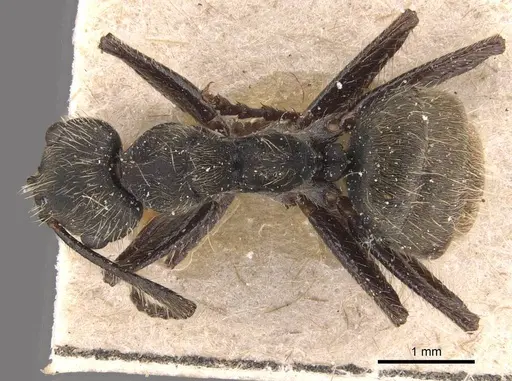
Literatura
A carregar mapa de distribuição...A carregar produtos...