
Camponotus indefinitus
- Nome cient.
- Camponotus indefinitus
- Subgénero
- Tanaemyrmex
- Tribo
- Camponotini
- Subfamília
- Formicinae
- Autor
- Karavaiev, 1929
- Distribuição
- Encontrado em 0 países
Introdução
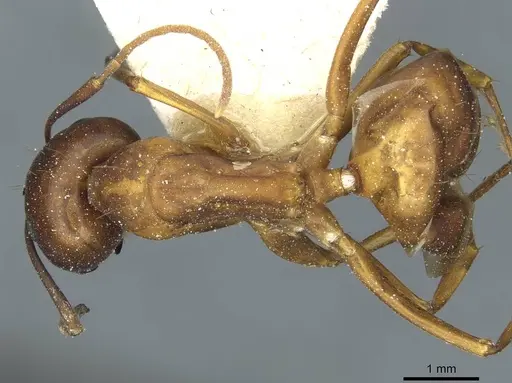
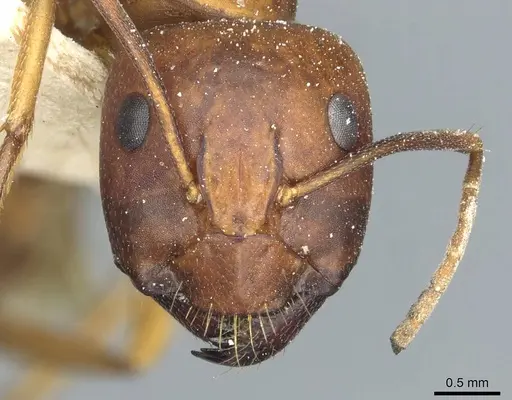
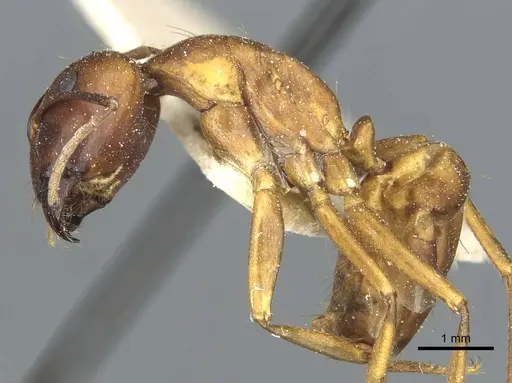
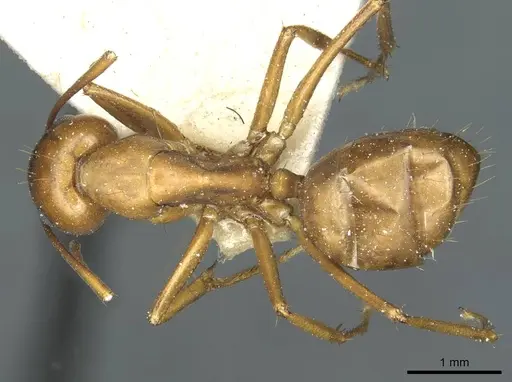
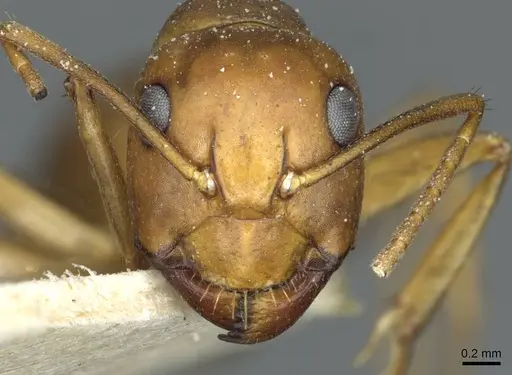
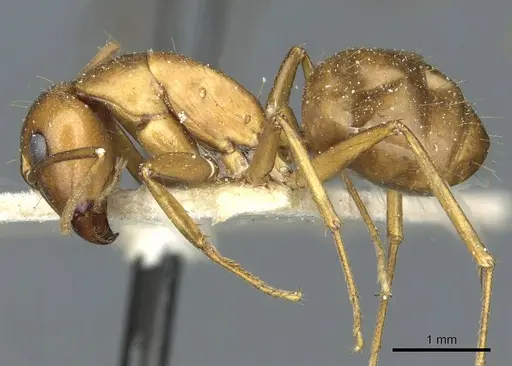
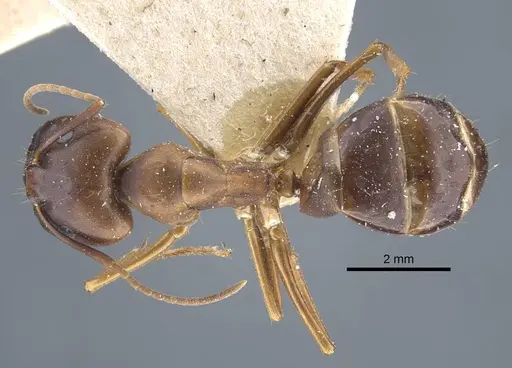
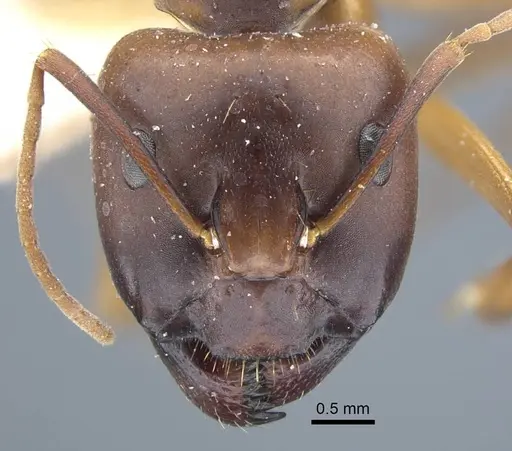
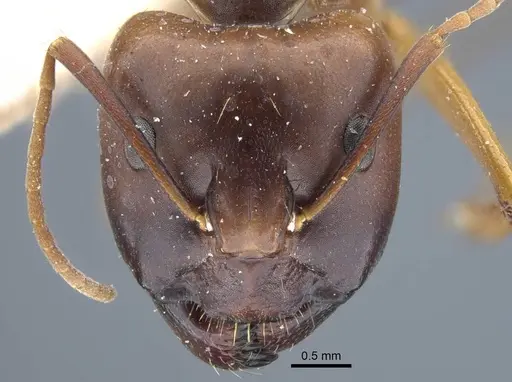
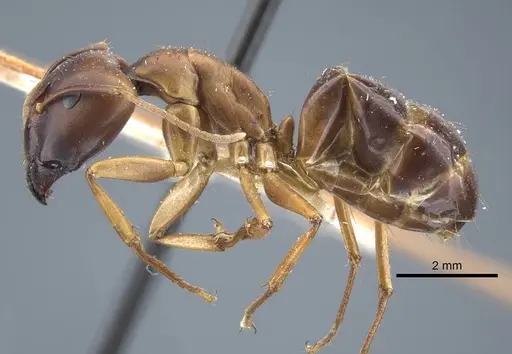
Camponotus indefinitus is a tropical ant species endemic to Ambon Island in Indonesia, part of the Indomalaya Region . Workers are polymorphic, with major workers having larger, well-developed heads and minor workers being smaller. This species belongs to the Formicinae subfamily and Camponotini tribe. The genus Camponotus includes some of the largest ants commonly kept by antkeepers. C. indefinitus was first described in 1929 from specimens collected on Ambon Island, where it inhabits undisturbed forest areas . As a tropical island species, these ants prefer warm, stable conditions with good humidity.
Quick Summary
- Difficulty: Medium
- Origin & Habitat: Ambon Island, Indonesia (Indomalaya Region). Found in undisturbed forest areas on this tropical island in the Maluku Islands [1].
- Colony Type: Likely monogyne based on typical Camponotus genus patterns, single queen colonies are common in this genus.
- Size & Growth:
- Queen: Size data unavailable, inferred from Camponotus genus patterns (~12-16mm)
- Worker: Size data unavailable, inferred from Camponotus genus patterns (major workers ~8-12mm, minor workers ~5-8mm)
- Colony: Colony size data unavailable for this species
- Growth: Moderate, typical for tropical Camponotus species
- Development: Development time unconfirmed, estimated 6-8 weeks at 25-28°C based on typical Camponotus development (Specific development data for C. indefinitus is not available. This estimate is based on related species patterns.)
- Antkeeping:
- Temperature: Keep at 24-28°C. As a tropical species from Ambon Island, they prefer warm conditions. A heating cable on one side of the nest creates a temperature gradient allowing workers to choose their preferred zone.
- Humidity: Maintain 60-80% humidity. As a forest species from a tropical island, they need consistent moisture. Keep the nest substrate damp but not waterlogged, with some drier areas available.
- Diapause: No, this is a tropical species from Ambon Island where temperatures remain warm year-round. They do not require hibernation.
- Nesting: In captivity, Y-tong (AAC) nests or plaster nests work well. In the wild, they likely nest in rotting wood or under stones in forest areas. Provide a nest with chambers scaled to their size.
- Behavior: Workers are moderate in activity level, not hyperactive but actively forage. They are not particularly aggressive but will defend the nest if threatened. As Formicinae, they have formic acid spray as a defense mechanism, they lack a functional sting and instead bite and spray acid into the wound. Escape prevention should be good, while larger than many ants, they can still climb smooth surfaces.
- Common Issues: tropical species is sensitive to temperature drops, sudden cooling can stress or kill colonies, humidity control is important, too dry causes brood death, too wet promotes mold, slow growth compared to smaller ant species can frustrate beginners, wild-caught colonies may have parasites or diseases that cause captive failures, larger colonies need more space, plan for expansion as the colony grows, specific biological data for this species is limited, much care guidance is inferred from genus patterns
Housing and Nest Setup
For Camponotus indefinitus, use a nest that maintains stable humidity and temperature. Y-tong (AAC) nests are excellent because they hold humidity well while allowing you to observe the colony. Plaster nests also work well. The nest should have chambers scaled to the ant size, these are moderately large ants. Connect the nest to an outworld (foraging area) with tubing. The outworld should be escape-proof, use fluon on the edges of any connections. Since they're tropical, avoid placing the setup near air conditioning vents or cold windows. A small water test tube attached to the nest provides drinking water and helps maintain humidity.
Feeding and Diet
Camponotus indefinitus needs a balanced diet like other Camponotus species. Offer sugar water or honey as a constant energy source, they readily accept these. For protein, offer insects like mealworms, crickets, or other small arthropods. Feed protein 2-3 times per week, adjusting based on colony size and appetite. Remove uneaten prey after 24-48 hours to prevent mold. A varied diet helps keep colonies healthy. Some Camponotus species also accept fruit occasionally, but insects should form the protein base.
Temperature and Seasonal Care
As a tropical species from Ambon Island, Camponotus indefinitus needs warm conditions year-round. Keep the nest area at 24-28°C. A heating cable placed on top of the nest (never under it, which can dry out the substrate) helps maintain warmth. Create a gradient so workers can move between warmer and cooler areas. Unlike temperate species, they do not need hibernation or a winter rest period. Maintaining consistent temperatures is more important than cycling seasons. Avoid temperature fluctuations above 5°C in either direction, sudden changes stress the colony.
Colony Development
A newly mated queen will seal herself in a chamber and lay eggs after her claustral founding period. She feeds the first brood from her stored fat reserves and body fluids. The first workers (nanitics) are typically smaller than normal workers. After nanitics emerge, the colony enters a growth phase where the queen continues laying eggs and workers forage for food. Growth rate is moderate, expect several months before you have more than a dozen workers. Larger colonies develop faster as more workers can gather food and care for more brood. Patience is key with Camponotus species, they are long-lived and can grow substantial over years.
Behavior and Temperament
Camponotus indefinitus workers are moderately active and will forage in the outworld. They are not overly aggressive but will defend the nest if disturbed. The genus Camponotus has formic acid as a defense, workers may spray this if threatened. They are not known for stinging painfully, but caution is still advised. Workers communicate through chemical trails and will recruit nestmates to food discoveries. The colony will establish defined foraging patterns over time. Major workers handle larger prey and defend the nest, while minor workers tend to brood and forage.
Frequently Asked Questions
How long does it take for Camponotus indefinitus to produce first workers?
Estimated 6-8 weeks from egg to first worker at 25-28°C. This is typical for Camponotus species. The queen will seal herself in and raise the first brood alone. Nanitics (first workers) are usually smaller than mature workers. Specific development data for C. indefinitus is not available.
What temperature do Camponotus indefinitus ants need?
Keep them at 24-28°C. As a tropical species from Ambon Island, they need warm conditions year-round. A heating cable on the nest helps maintain stable temperatures.
Do Camponotus indefinitus ants need hibernation?
No. This is a tropical species from a warm island where temperatures stay consistent year-round. They do not require hibernation or winter cooling.
What do Camponotus indefinitus eat?
Feed them sugar water or honey for energy, plus insects like mealworms or crickets for protein. Offer sugar constantly and protein 2-3 times per week. Remove uneaten food promptly.
Are Camponotus indefinitus good for beginners?
They are rated Medium difficulty. They are more forgiving than some species but require warm, stable conditions year-round. Beginners should be prepared for their slower growth compared to smaller ant species.
How big do Camponotus indefinitus colonies get?
Colony size data is unavailable for this specific species. Based on related Camponotus species, colonies likely reach several hundred workers over several years.
When should I move Camponotus indefinitus to a formicarium?
Wait until the colony has 20-30 workers and is actively foraging. Moving too early can stress the queen. A test tube setup works well for founding colonies, move to a larger nest only when the colony needs more space.
Can I keep multiple Camponotus indefinitus queens together?
This species is likely monogyne (single queen). Combining unrelated queens is not recommended as they will likely fight. In the wild, colonies establish with one founding queen.
Why is my Camponotus indefinitus colony declining?
Common causes include: temperature stress (too cold or fluctuating), humidity problems (too dry or moldy), poor nutrition, or disease. Check that temperatures are stable at 24-28°C, humidity is adequate but not excessive, and offer varied food. Wild-caught colonies may carry parasites.
Report an Issue
The current care sheet is based fully on literature. See inconsistencies, or something that's incorrect? Please , it will be resolved after review from an admin. Contributing to the blogs tab also helps providing information, to make us be able to further improve the caresheets. Thank you for your support!
References

Esta ficha de cuidados é licenciada sob CC BY-SA 4.0 .
Blogs da comunidade
Literatura
A carregar mapa de distribuição...A carregar produtos...