
Camponotus humeralis
- Nome cient.
- Camponotus humeralis
- Subgénero
- Myrmeurynota
- Tribo
- Camponotini
- Subfamília
- Formicinae
- Autor
- Emery, 1920
- Distribuição
- Encontrado em 0 países
Introdução
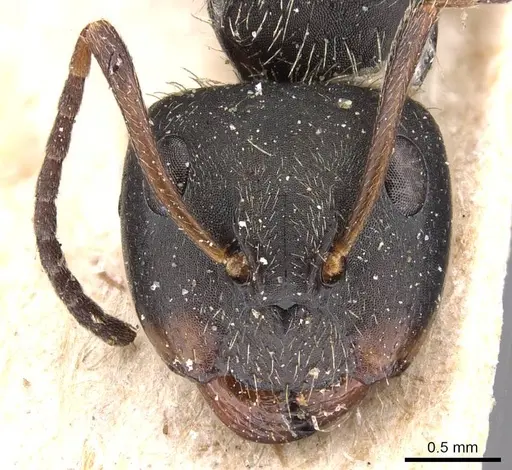
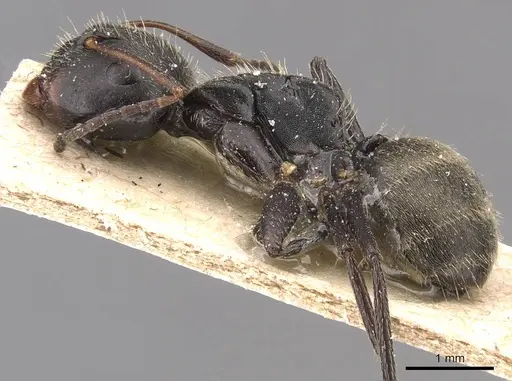
Camponotus humeralis is a Neotropical carpenter ant species native to Peru in the South American tropics. Workers are polymorphic, with only the minor worker caste formally described in scientific literature. The genus Camponotus is characterized by bent antennae and an acidopore used for chemical defense. This species remains poorly studied - only two syntype minor workers from the type locality at Callanga, Peru have been formally documented . As a tropical species from Peru, they inhabit warm, humid environments.
Quick Summary
- Difficulty: Medium
- Origin & Habitat: Native to Peru in the Neotropical region. Type locality is Callanga, Peru. Also recorded from Cu, Peru. Inhabits tropical forest environments [1][2].
- Colony Type: Unconfirmed, the colony structure for this species has not been documented in scientific literature.
- Size & Growth:
- Queen: Size data unavailable, queen caste has not been formally described
- Worker: Minor workers formally described at approximately 4-6mm [1]
- Colony: Unknown, no documented colony size data exists for this species
- Growth: Unknown, growth rate has not been studied
- Development: Unknown, development timeline has not been documented for this species (All development data is inferred from general Camponotus genus patterns, not from specific study of C. humeralis.)
- Antkeeping:
- Temperature: Keep at 24-28°C. As a Neotropical species from Peru, they prefer warm conditions. A heating cable on one side of the nest creates a temperature gradient allowing ants to self-regulate.
- Humidity: Maintain moderate to high humidity. Keep the nest substrate consistently moist but not waterlogged. Mist occasionally and provide a water tube.
- Diapause: No, tropical species do not require hibernation.
- Nesting: Provide a nest with chambers scaled to their size. Y-tong (AAC), plaster, or soil nests work well. Ensure nesting material can hold moisture. Camponotus typically prefer dark, secure chambers.
- Behavior: Generally calm temperament typical of Camponotus, they are not aggressive but will defend the nest if threatened. Workers are moderately active foragers. Standard barriers like Fluon work well for this size class. They likely forage for honeydew and small insects.
- Common Issues: tropical species may struggle if temperatures drop below 20°C, keep warm, poorly documented species means most care aspects are estimates based on genus patterns, colonies grow slowly initially, patience needed during founding phase, ensure escape prevention is adequate, especially during founding when queens may wander
Housing and Nest Setup
Camponotus humeralis can be housed in various nest types that provide dark, secure chambers with stable humidity. Y-tong (AAC) nests are popular for Camponotus species as they allow good humidity control and observation. Plaster nests and soil nests also work well. The nest should have chambers appropriately sized for the colony. Provide an outworld area for foraging and feeding. Ensure all connections between nest and outworld are secure, while not tiny ants, they can still escape through small gaps. A water tube attached to the nest helps maintain humidity. [1][2]
Feeding and Diet
Like other Camponotus species, these ants are omnivorous with a preference for sugar sources and protein. Offer sugar water, honey, or diluted maple syrup as a constant energy source. For protein, provide insects such as mealworms, crickets, or other small arthropods. Feed protein 2-3 times per week, adjusting based on colony size and consumption. Remove uneaten prey after 24-48 hours to prevent mold. Fresh fruit can occasionally be offered as a treat. [1][2]
Temperature and Seasonal Care
As a Neotropical species from Peru, Camponotus humeralis prefers warm conditions in the 24-28°C range. Maintain temperatures consistently in this range for optimal brood development. A heating cable placed on part of the nest can create a gradient, allowing ants to choose their preferred temperature zone. Unlike temperate species, they do not require hibernation or diapause. Avoid temperatures below 20°C for extended periods, as this can weaken the colony. [1][2]
Colony Founding and Development
The founding behavior of this species has not been documented. Based on typical Camponotus patterns, the queen likely seals herself in a claustral chamber during founding, relying on stored fat reserves. Expect several months for the first workers to appear at optimal temperatures. Colony growth is initially slow, this is normal. Do not disturb the founding chamber unnecessarily. Major workers (larger polymorphic workers) typically appear as the colony matures. [1][2]
Defense Mechanism
Camponotus ants lack a functional sting. As part of the subfamily Formicinae, they defend by biting and spraying formic acid from their acidopore into the wound. This chemical defense is effective against predators and other threats.
Frequently Asked Questions
How long does it take for Camponotus humeralis to have first workers?
Unknown, the development timeline has not been documented for this species. Based on typical Camponotus genus patterns, expect several months for nanitics to emerge. Patience is essential during the founding phase.
What temperature do Camponotus humeralis ants need?
Keep them warm at 24-28°C. As a Neotropical species from Peru, they prefer tropical temperatures. Avoid letting temperatures drop below 20°C for extended periods.
Do Camponotus humeralis ants need hibernation?
No, they do not require hibernation. As a tropical species from Peru, they do not enter diapause. Simply maintain normal warm temperatures year-round.
How big do Camponotus humeralis colonies get?
Unknown, no colony size data is documented in scientific literature for this species.
What do Camponotus humeralis eat?
They are omnivorous. Offer sugar water, honey, or maple syrup as a constant energy source. Feed protein (insects like mealworms, crickets) 2-3 times per week. They may also accept fruit occasionally.
Are Camponotus humeralis good for beginners?
They are rated as Medium difficulty. While not the easiest species, Camponotus are generally forgiving and manageable for intermediate antkeepers. The main challenges are maintaining warm temperatures and being patient during slow founding.
Can I keep multiple Camponotus humeralis queens together?
This is not recommended and has not been documented for this species. Camponotus species are typically single-queen colonies. Combining unrelated queens would likely result in fighting.
When should I move Camponotus humeralis to a formicarium?
Keep the queen in a test tube setup through the founding phase. Once the colony reaches 20-30 workers and is actively foraging, you can transition to a formicarium or larger nest setup. Make sure the new setup has appropriate humidity and chamber sizes.
Why is my Camponotus humeralis colony growing slowly?
Slow growth is normal during founding, the queen is raising her first workers on limited resources. Ensure temperatures are warm (24-28°C) and offer protein regularly. Growth will accelerate once you have an established worker force.
Report an Issue
The current care sheet is based fully on literature. See inconsistencies, or something that's incorrect? Please , it will be resolved after review from an admin. Contributing to the blogs tab also helps providing information, to make us be able to further improve the caresheets. Thank you for your support!
References

Esta ficha de cuidados é licenciada sob CC BY-SA 4.0 .
Blogs da comunidade
CASENT0905533
Ver no AntWeb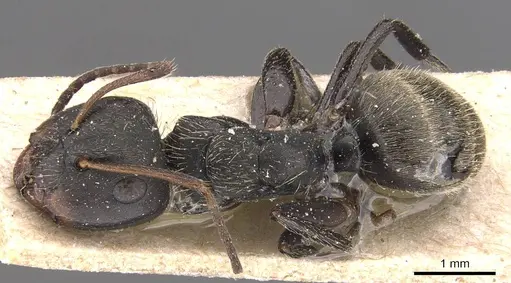
Literatura
A carregar mapa de distribuição...A carregar produtos...