
Camponotus exiguoguttatus
- Nome cient.
- Camponotus exiguoguttatus
- Subgénero
- Tanaemyrmex
- Tribo
- Camponotini
- Subfamília
- Formicinae
- Autor
- Forel, 1886
- Distribuição
- Encontrado em 0 países
Introdução
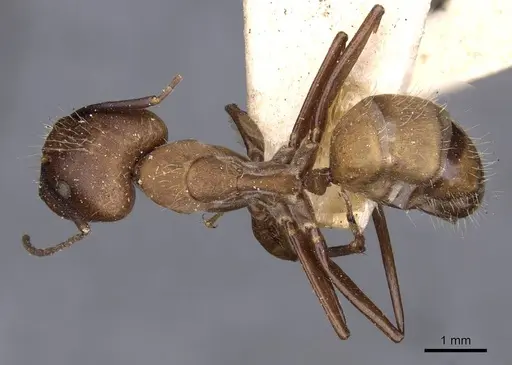
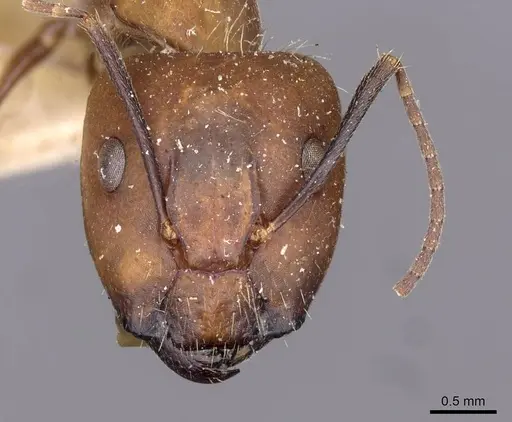
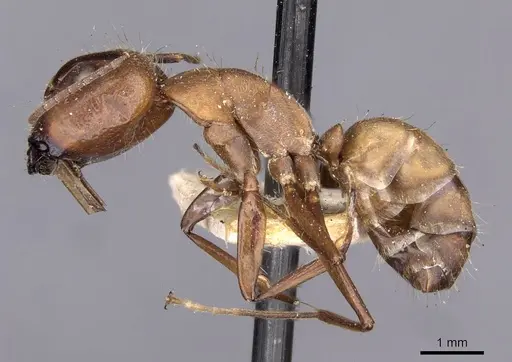
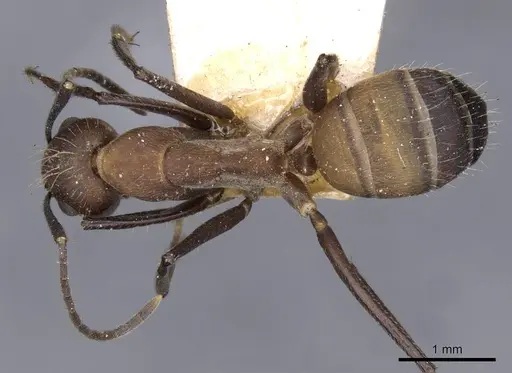
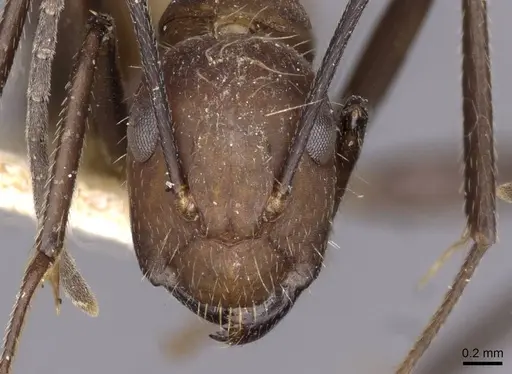
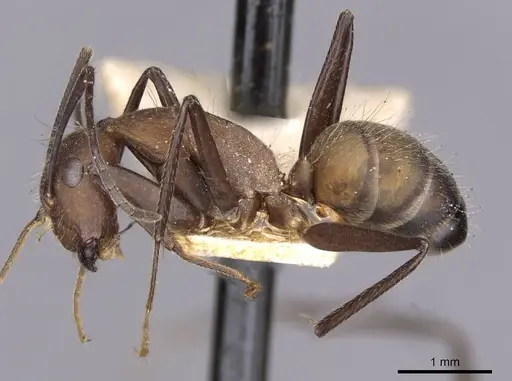
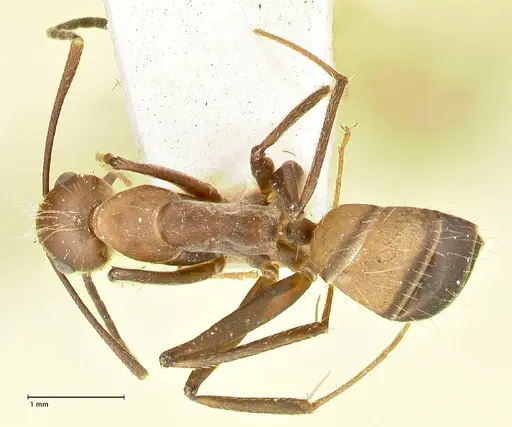
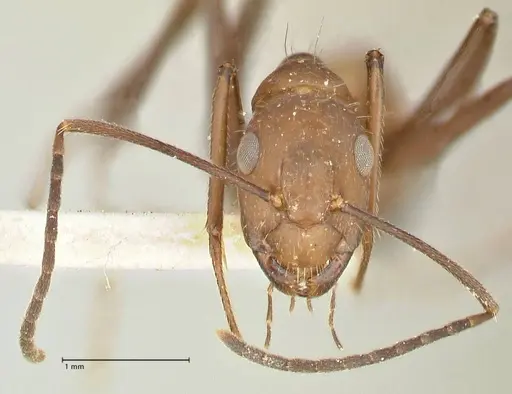
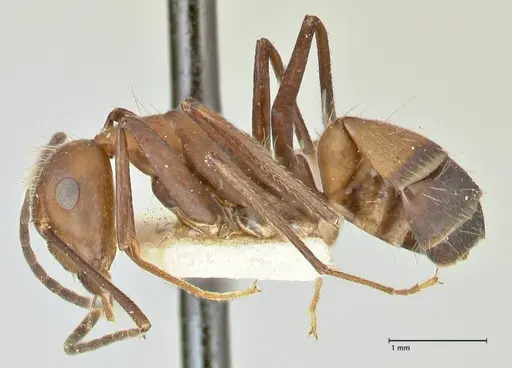
Camponotus exiguoguttatus is a medium-sized carpenter ant found across South and Southeast Asia, from India through Myanmar and Thailand into southern China. Workers measure approximately 6-10mm in total length, with the characteristic Camponotus body shape featuring a distinct constriction between the mesosoma and gaster. The ant has a dark brown mesosoma, reddish-brown markings on the first abdominal segment and spots on the second, with the remainder appearing black. Leg tibiae are notably flattened, a distinguishing feature within this species . These ants belong to the Camponotini tribe and are classified as subordinate Camponotini, meaning they tend to be less aggressive than many other ants in their genus . In their natural range, they nest in soil or rotting wood in forested areas across subtropical regions.
Quick Summary
- Difficulty: Medium
- Origin & Habitat: Subtropical Asia, found in India (Assam, Arunachal Pradesh), Myanmar, Thailand, and southern China (Fujian, Guangdong, Hainan, Hong Kong, Shandong, Yunnan). They inhabit forested areas and likely nest in soil or rotting wood [1][3].
- Colony Type: Colony structure is unconfirmed. Based on typical Camponotus patterns, likely single-queen colonies.
- Size & Growth:
- Queen: Approximately 12-15mm, estimated based on typical Camponotus queen size
- Worker: 6-10mm [1]
- Colony: Up to several hundred workers (estimated based on genus patterns)
- Growth: Moderate
- Development: 6-10 weeks at optimal temperature, estimated based on related Camponotus species (Development time varies with temperature, warmer conditions within range accelerate development, cooler conditions slow it down)
- Antkeeping:
- Temperature: Keep at 22-26°C. Provide a temperature gradient so ants can choose their preferred spot. They can tolerate slightly cooler conditions down to around 18°C but grow best in warm subtropical conditions.
- Humidity: Moderate humidity around 50-70%. Keep nest substrate slightly moist but not waterlogged. These ants prefer conditions similar to their subtropical forest floor habitat.
- Diapause: Likely required based on their distribution in temperate southern China, probably need a winter rest period of 2-3 months at reduced temperatures (10-15°C).
- Nesting: Y-tong (AAC) nests or plaster nests work well. They can also be kept in test tube setups during founding. Provide a dark nesting area with some moisture available. Accept naturalistic setups with soil and rotting wood.
- Behavior: These ants are relatively docile and not aggressive. They are subordinate Camponotini, meaning they typically avoid conflict rather than engage in it [2]. Workers are moderate foragers and will collect both sugar sources and protein. They are not known for being particularly escape-prone, but standard escape prevention (Fluon barriers) is still recommended. Minor workers may be smaller and more numerous, while major workers serve as soldiers and food processors. As Formicinae ants, they lack a functional sting and instead spray formic acid from their acidopore when threatened.
- Common Issues: colonies may fail if temperatures are too cold, keep them warm during active growth periods, winter diapause is often misunderstood, ensure proper cold period or colony may decline, slow founding phase can lead to impatient keepers abandoning colonies before workers emerge, wild-caught colonies may contain parasites that can devastate captive populations, test tube flooding can drown founding queens, use appropriate water reservoir size
Nest Preferences
Camponotus exiguoguttatus naturally nests in soil and rotting wood in forested areas [1]. For captive care, Y-tong (AAC) nests work excellently as they provide the dark, secure environment these ants prefer. Plaster nests with water chambers also work well and help maintain appropriate humidity. During the founding stage, a simple test tube setup with a water reservoir and cotton plug is sufficient, the queen will seal herself into a chamber and remain there until her first workers emerge. Avoid nests that are too large for the colony size, as ants feel more secure in appropriately sized spaces. Provide a shallow foraging area connected to the nest where you can offer food.
Feeding and Diet
Like most Camponotus species, these ants are omnivorous. They readily accept sugar sources such as honey water or sugar water (replace every 2-3 days to prevent fermentation). For protein, offer insects like fruit flies, small crickets, mealworms, or other appropriately sized prey. Feed protein 2-3 times per week, adjusting based on colony size and brood production. When the colony has brood, protein intake should increase to support larval development. Remove any uneaten prey after 24-48 hours to prevent mold issues. Fresh water should always be available.
Temperature and Seasonal Care
Maintain temperatures between 22-26°C for optimal colony growth and development. A temperature gradient is ideal, this allows workers to regulate their body temperature by moving between warmer and cooler areas of the nest. During winter months, based on their range extending into southern China, these ants likely benefit from a diapause period. Reduce temperatures to 10-15°C for 2-3 months during winter. This mimics their natural seasonal cycle and helps maintain colony health long-term. Do not diapause colonies in their first year as they may not have sufficient reserves, keep them warm instead. Resume normal temperatures gradually in spring.
Behavior and Temperament
Camponotus exiguoguttatus belongs to the subordinate Camponotini functional group, meaning they are generally peaceful and less aggressive than many other ant species [2]. Workers are not particularly territorial and typically avoid confrontation. They are moderate foragers, sending workers out to collect food rather than forming large raiding parties. Major workers may assist with processing larger prey items. While not highly aggressive, they will defend their nest if threatened. As Formicinae ants, they lack a functional sting but can spray formic acid from their acidopore as a defense mechanism. Standard ant keeping precautions apply, use Fluon or other barriers to prevent escapes, especially when the colony grows large enough to produce alates (reproductives).
Colony Growth and Development
A newly mated queen will seal herself into a chamber and lay her first eggs, feeding them through her stored fat reserves until the first workers emerge. This founding phase typically takes 4-8 weeks depending on temperature. The first workers are smaller than mature workers but will immediately begin foraging to feed subsequent brood. Colony growth is moderate, expect the population to double every few months under good conditions. Major workers typically appear once the colony reaches several dozen workers. A mature colony may contain up to several hundred workers. Growth rate depends heavily on temperature, feeding frequency, and colony health. Faster growth occurs at warmer temperatures within their range (up to around 28°C) with regular protein feeding.
Frequently Asked Questions
How long does it take for Camponotus exiguoguttatus to produce first workers?
First workers typically emerge 4-8 weeks after the queen lays eggs, depending on temperature. Warmer conditions (around 24-26°C) speed development, while cooler temperatures slow it down.
What temperature do Camponotus exiguoguttatus need?
Keep them at 22-26°C with a temperature gradient. They can tolerate down to about 18°C but grow best in warm subtropical conditions.
Are Camponotus exiguoguttatus good for beginners?
They are moderate difficulty, more forgiving than some tropical species but requiring more attention than common temperate ants. Their relatively docile nature makes them manageable, but proper temperature and seasonal care (diapause) are important.
Do Camponotus exiguoguttatus need hibernation?
Yes, based on their range in southern China, they likely benefit from a winter diapause. Reduce temperatures to 10-15°C for 2-3 months during winter.
How big do Camponotus exiguoguttatus colonies get?
Mature colonies can reach up to several hundred workers. Growth is moderate, expect several months to a year to establish a sizable colony.
What do Camponotus exiguoguttatus eat?
They are omnivorous. Offer sugar water or honey regularly, and protein sources like fruit flies, small crickets, or mealworms 2-3 times per week.
Can I keep multiple Camponotus exiguoguttatus queens together?
This species is likely single-queen (monogyne) based on typical Camponotus patterns. Combining unrelated queens is not recommended as they likely will fight. Only keep one queen per colony.
When should I move Camponotus exiguoguttatus to a formicarium?
Keep them in a test tube or small setup until the colony reaches at least 20-30 workers. Moving too early can stress the colony. Once they have established workers and need more space, transfer to a Y-tong or plaster nest.
Why is my Camponotus exiguoguttatus colony declining?
Common causes include: temperatures too cold, improper diapause, poor nutrition, mold from uneaten food, or parasites from wild-caught colonies. Review your temperature settings, feeding schedule, and ensure proper winter rest.
Report an Issue
The current care sheet is based fully on literature. See inconsistencies, or something that's incorrect? Please , it will be resolved after review from an admin. Contributing to the blogs tab also helps providing information, to make us be able to further improve the caresheets. Thank you for your support!
References

Esta ficha de cuidados é licenciada sob CC BY-SA 4.0 .
Blogs da comunidade
Literatura
A carregar mapa de distribuição...A carregar produtos...