
Camponotus circumspectus
- Nome cient.
- Camponotus circumspectus
- Subgénero
- Tanaemyrmex
- Tribo
- Camponotini
- Subfamília
- Formicinae
- Autor
- Smith, 1861
- Distribuição
- Encontrado em 0 países
Introdução
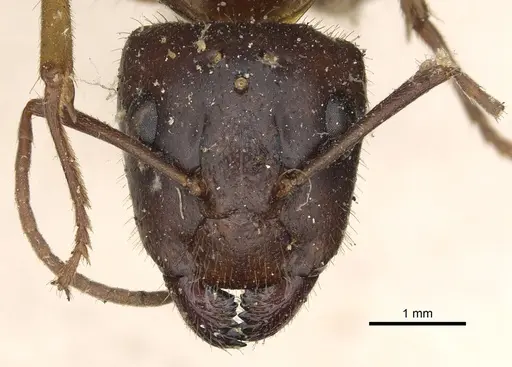
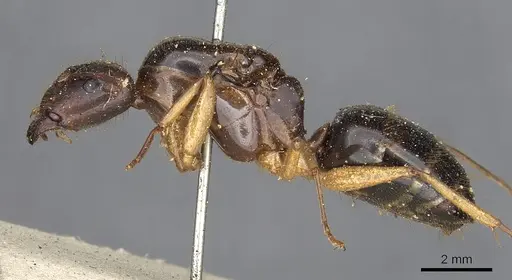
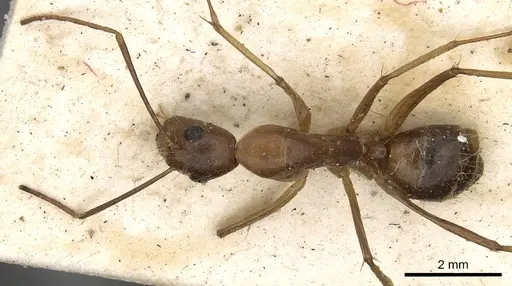
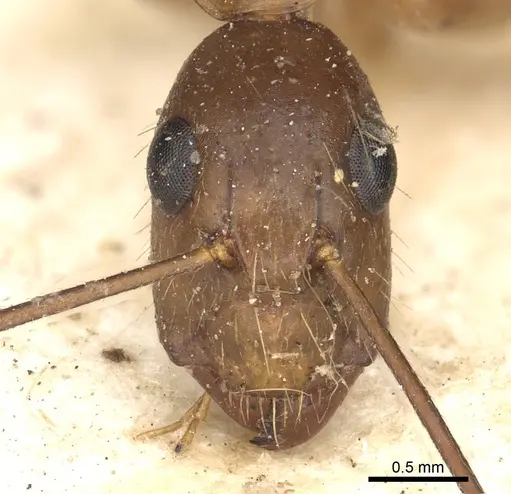
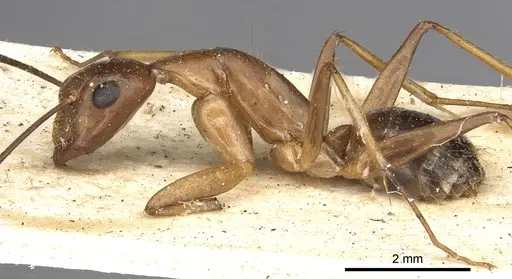
Camponotus circumspectus is a carpenter ant species described from the island of Sulawesi (historically known as Celebes) in Indonesia . This is the only documented information about this species in available literature. As a Camponotus species, it likely shares the general characteristics of the genus - bent antennae and a smooth, rounded gaster. However, no specific morphological details, coloration, or behavioral observations have been recorded in scientific literature. Sulawesi has a tropical climate, which provides some basis for inferring general habitat preferences, but specific care requirements for this species are not documented.
Quick Summary
- Difficulty: Medium
- Origin & Habitat: Sulawesi (Celebes), Indonesia, a tropical island in Southeast Asia [1]
- Colony Type: Colony structure is unconfirmed for this species. Most Camponotus species are monogyne, but this has not been documented for C. circumspectus.
- Size & Growth:
- Queen: Size data unavailable, no measurements exist for this species
- Worker: Size data unavailable, no measurements exist for this species
- Colony: Colony size is unconfirmed
- Growth: Growth rate is unconfirmed for this species
- Development: Development timeline is unconfirmed for this species (Specific development data does not exist in available literature)
- Antkeeping:
- Temperature: Temperature requirements are unconfirmed for this species. As a tropical Sulawesi species, warmth is likely beneficial, consider keeping in the low-to-mid 20s°C range and observe colony activity.
- Humidity: Humidity preferences are unconfirmed. Sulawesi is humid year-round, so moderate humidity is likely appropriate. Keep the nest substrate consistently moist but not waterlogged.
- Diapause: Diapause requirements are unconfirmed. As a tropical species from near the equator, it likely does not require hibernation, but this is not documented.
- Nesting: Nesting preferences are unconfirmed. Based on typical Camponotus patterns, they likely prefer dark, secure cavities. Y-tong (AAC) nests, plaster nests, or naturalistic setups with wood pieces are appropriate choices.
- Behavior: Behavior is unconfirmed for this species. Based on typical Camponotus patterns, workers are likely active foragers and generally calm toward keepers. Escape risk is moderate, use standard antkeeping escape prevention methods.
- Common Issues: specific care requirements are not documented for this species, much of what is known comes from general Camponotus husbandry, tropical species may require warmth, cold temperatures can slow or stop brood development in many ant species, colonies may be slow to establish, founding phases in Camponotus can take time, escape prevention is important for most ant species, test tube setups work for founding but colonies will need more space as they grow
Getting Started: Founding a Colony
Starting a colony requires a mated queen. For most Camponotus species, claustral founding is typical, the queen seals herself into a small chamber and relies on stored body fat to survive until her first workers emerge. However, this specific behavior has not been documented for Camponotus circumspectus. In captivity, a test tube setup with a water reservoir is a common starting point. Keep the setup dark and undisturbed. Do not feed the queen during the founding phase if she is claustral. The time to first workers varies significantly among Camponotus species and may take several weeks to months. Be patient and minimize disturbances.
Housing and Nest Setup
For founding colonies, a simple test tube setup works well. Fill a test tube approximately one-third with water, plug with cotton, and place the queen in the empty portion. Cover the tube with a dark cloth to simulate a dark chamber. Once the colony reaches a moderate size (typically 15-30 workers), you can transition to a more permanent formicarium. Y-tong (AAC) nests are commonly used for Camponotus because they provide dark, secure chambers. Plaster nests or naturalistic setups with soil and wood pieces are also options. Ensure the nest provides appropriately sized chambers and options for humidity control.
Feeding Your Colony
Camponotus species are typically omnivorous. Workers collect sugar sources (like honeydew in the wild) and protein (from hunting insects). In captivity, offer sugar water or honey water regularly, a few drops on a small dish works well. For protein, provide small insects like fruit flies, small mealworms, or cricket pieces. Feed protein regularly based on colony size and consumption. Remove any uneaten protein within 24 hours to prevent mold. Fresh water should always be available.
Temperature and Seasonal Care
As a tropical species from Sulawesi, Camponotus circumspectus likely requires warm temperatures year-round. While specific requirements are unconfirmed, keeping the nest area in the low-to-mid 20s°C range is a reasonable starting point. Observe your colony, if workers are active and brood is developing, the temperature is likely appropriate. Temperatures below room temperature may slow activity and development. No hibernation or diapause is expected for a tropical species, but this is not specifically documented.
Growth and Development
Camponotus colonies typically grow progressively. After the first workers emerge, the queen resumes egg-laying and the colony enters a growth phase. Workers often vary in size, with larger major workers developing as the colony expands. A healthy colony should grow over several years. The exact timeline for sexual production (alates) is unknown for this species. Growth rate depends on temperature, feeding, and colony health.
Frequently Asked Questions
How long does it take for Camponotus circumspectus to produce first workers?
The development timeline is unconfirmed for this specific species. For most Camponotus species, this process takes several weeks to months. Be patient and do not disturb the founding queen.
Can I keep Camponotus circumspectus in a test tube setup?
Yes, test tubes are commonly used for founding colonies. Use a standard test tube with a water reservoir. Keep it dark and undisturbed until workers emerge. Transition to a formicarium once the colony reaches 15-30 workers and needs more space.
What temperature do Camponotus circumspectus need?
Specific temperature requirements are unconfirmed. As a tropical Sulawesi species, keeping them warm (low-to-mid 20s°C) is a reasonable starting point. Observe your colony for signs of activity and development.
Do Camponotus circumspectus need hibernation?
Diapause requirements are unconfirmed. As a tropical species from near the equator, hibernation is unlikely, but this is not specifically documented.
What do Camponotus circumspectus eat?
They are likely omnivorous like other Camponotus species. Offer sugar water or honey water as a constant energy source. For protein, feed small insects like fruit flies, mealworms, or cricket pieces regularly.
Are Camponotus circumspectus good for beginners?
They are rated Medium difficulty. The main challenges are the lack of specific documented care information and the typically slow founding phase common to many Camponotus species.
How big do Camponotus circumspectus colonies get?
Colony size is unconfirmed for this species. Typical Camponotus colonies can reach several hundred to a few thousand workers over several years.
When should I move my colony to a formicarium?
Move from test tube to formicarium once the colony has 15-30 workers and shows signs of needing more space. A Y-tong or plaster nest works well for Camponotus.
Why is my colony growing slowly?
Slow growth can result from low temperature, insufficient protein, or disturbance during founding. Ensure warmth, feed protein regularly, and minimize disturbances to the nest.
Report an Issue
The current care sheet is based fully on literature. See inconsistencies, or something that's incorrect? Please , it will be resolved after review from an admin. Contributing to the blogs tab also helps providing information, to make us be able to further improve the caresheets. Thank you for your support!
References

Esta ficha de cuidados é licenciada sob CC BY-SA 4.0 .
Blogs da comunidade
Literatura
A carregar mapa de distribuição...A carregar produtos...