
Camponotus aurelianus
- Nome cient.
- Camponotus aurelianus
- Subgénero
- Myrmamblys
- Tribo
- Camponotini
- Subfamília
- Formicinae
- Autor
- Forel, 1912
- Distribuição
- Encontrado em 0 países
Introdução
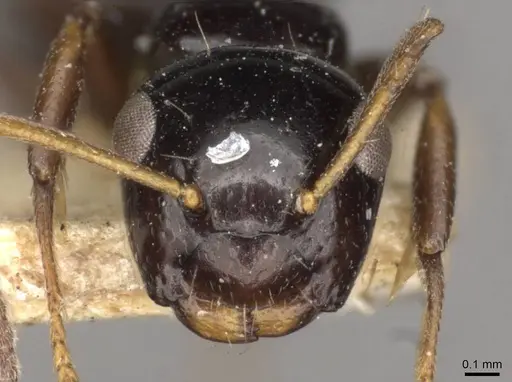
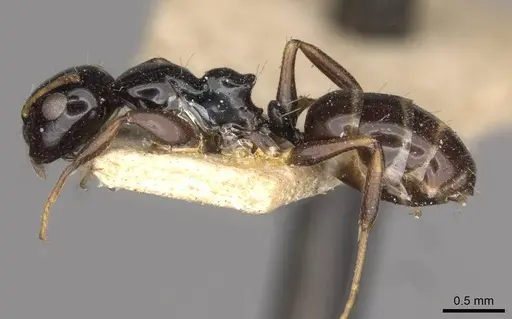
Camponotus aurelianus is a medium-sized carpenter ant native to Sumatra, Indonesia. Workers measure approximately 5-8mm, with the typical Camponotus body plan featuring a rounded abdomen and powerful mandibles. This species belongs to the subgenus Myrmamblys and is part of the reticulatus group, characterized by a distinctive frontoclypeal structure . The species was originally described in 1912 from specimens collected near Indrapura, Sumatra, and was recently transferred back to the genus Camponotus from Colobopsis based on phylogenetic analysis . As a tropical Indonesian species, these ants thrive in warm, humid rainforest environments where they typically nest in elevated locations such as tree hollows or rotting branches.
Quick Summary
- Difficulty: Medium
- Origin & Habitat: Sumatra, Indonesia, tropical rainforest habitat with high humidity and warm temperatures year-round
- Colony Type: Likely monogyne based on typical Camponotus patterns, though colony structure has not been directly documented for this species
- Size & Growth:
- Queen: Estimated 10-12mm, inferred from Myrmamblys genus patterns
- Worker: Estimated 5-8mm, inferred from genus patterns
- Colony: Likely several hundred workers, inferred from typical Camponotus growth patterns
- Growth: Moderate, typical for tropical Camponotus species
- Development: Estimated 6-10 weeks at optimal tropical temperatures, inferred from related Camponotus species (Development time inferred from genus-level data, specific timing for this species has not been documented)
- Antkeeping:
- Temperature: Keep at 24-28°C, these are tropical ants requiring warm conditions year-round. A heating cable on one side of the nest creates a temperature gradient allowing workers to regulate their exposure.
- Humidity: High humidity required, aim for 70-85% relative humidity. Keep the nest substrate consistently moist but not waterlogged. Mist the outworld occasionally and maintain a water tube for drinking.
- Diapause: No, as a tropical species from Sumatra, they do not require hibernation. Keep temperatures stable year-round.
- Nesting: Myrmamblys species are typically tree-nesting ants. They do well in Y-tong (AAC) nests, plaster nests, or naturalistic setups with rotting wood. Avoid fully enclosed test tube setups, they prefer some vertical space and darker nesting chambers.
- Behavior: Camponotus aurelianus is typically calm and not overly aggressive. Workers are moderately active foragers that search for carbohydrate sources (honeydew, nectar) and protein (insects). As carpenter ants, they can chew through soft materials but are not destructive to proper formicarium setups. They have a moderate escape risk, standard barriers like Fluon work well. Workers may be nocturnal or crepuscular, so provide a dark area in the nest. This species lacks a functional sting, instead, it bites and sprays formic acid from the acidopore, which is the standard defense mechanism for Formicinae ants.
- Common Issues: tropical species requires stable warmth, cold drafts or temperature drops can stress and kill colonies, high humidity needs mean mold can be an issue if ventilation is poor, slow founding phase, queens can take months to raise first workers, patience is essential, wild-caught colonies may harbor parasites that cause problems in captivity, they need protein-rich foods, sugar alone will not sustain a growing colony
Nest Preferences and Housing
Camponotus aurelianus belongs to the Myrmamblys subgenus, which contains tree-nesting species. In captivity, they do well in Y-tong (AAC) nests, plaster nests with channels, or naturalistic setups featuring rotting wood pieces. These ants prefer darker nesting chambers and will often position themselves in the shadier areas of a formicarium. Avoid overly compact test tube setups, they appreciate some vertical space and multiple chambers to spread out. A water tube connected to the nest helps maintain humidity. Since they come from humid tropical forests, the nest material should retain moisture well without becoming waterlogged. [1]
Feeding and Diet
Like other Camponotus species, C. aurelianus is omnivorous with a preference for carbohydrate sources and protein. Offer sugar water (1:1 ratio with water) or honey diluted with water as a constant carbohydrate source. For protein, provide small insects such as fruit flies, small crickets, mealworms, or other appropriately sized prey. They will also accept protein jelly or other commercial ant foods. Feed protein 2-3 times per week, removing any uneaten prey after 24-48 hours to prevent mold. Fresh fruit slices can be offered occasionally for additional carbohydrates. Always ensure clean water is available.
Temperature and Seasonal Care
Being from Sumatra, Indonesia, these ants require warm, stable temperatures year-round. Keep the nest area between 24-28°C. A heating cable placed on one side of the nest creates a gradient that allows ants to regulate their temperature by moving between warmer and cooler areas. Avoid placing the nest near windows, air conditioning vents, or anywhere with temperature fluctuations. Unlike temperate species, they do not require a diapause or hibernation period. Maintaining consistent warmth is critical, temperatures below 22°C can slow development significantly, and prolonged cold can kill the colony.
Colony Founding and Development
Queens are claustral, meaning they seal themselves in a chamber and raise the first brood without leaving to forage. The queen relies on her stored fat reserves to produce eggs and feed the developing larvae. This founding phase can take 6-10 weeks or longer, depending on temperature. The first workers (nanitics) are typically smaller than mature workers and may have lighter coloration. After the nanitics emerge, the queen stops foraging entirely, and workers take over all colony maintenance and food collection. Colony growth is moderate, expect several months before you have a dozen workers, and a year or more to reach significant numbers. Patience is essential during the founding phase.
Behavior and Temperament
Camponotus aurelianus has a typically calm temperament for a carpenter ant. Workers are not particularly aggressive and are more likely to flee than attack when disturbed. They are moderate foragers that search for food both in the outworld and along nest surfaces. Like other Camponotus, they may be more active during cooler parts of the day or at night. They possess the ability to bite if threatened, and like all Formicinae, they can spray formic acid from their acidopore into the bite wound. Escape prevention is straightforward, standard barriers like Fluon on the rim of the outworld are effective. They are not known for being particularly difficult to keep, making them suitable for intermediate antkeepers who can provide the warm, humid conditions they require.
Frequently Asked Questions
How long does it take for Camponotus aurelianus to produce first workers?
The claustral founding phase typically takes 6-10 weeks at optimal temperatures (24-28°C). However, this can take longer if temperatures are too low. The queen seals herself in and raises the first brood entirely on her own stored fat reserves.
What temperature do Camponotus aurelianus ants need?
Keep them at 24-28°C. These are tropical ants from Sumatra that require warm conditions year-round. A heating cable on one side of the nest creates a useful gradient.
Can I keep Camponotus aurelianus in a test tube?
Test tubes can work for founding colonies, but Myrmamblys species often prefer slightly more space and darker conditions than typical test tube setups provide. Consider transitioning to a Y-tong or plaster nest once the colony reaches 20-30 workers.
What do Camponotus aurelianus eat?
They are omnivorous. Offer sugar water or honey as a constant carbohydrate source, and protein (small insects like fruit flies, mealworms) 2-3 times per week.
How big do Camponotus aurelianus colonies get?
Colony size is estimated at several hundred workers based on typical Camponotus growth patterns. Full colony development takes over a year from founding.
Do Camponotus aurelianus need hibernation?
No. As a tropical species from Sumatra, Indonesia, they do not require diapause or hibernation. Keep temperatures stable year-round.
Are Camponotus aurelianus good for beginners?
This species is rated as Medium difficulty. While not as challenging as some species, they do require specific warm, humid conditions that beginners must be prepared to maintain consistently.
Why is my Camponotus aurelianus colony not growing?
Common causes include temperatures below 24°C (slows development), low humidity (can kill brood), insufficient protein (workers need protein to produce brood), or the queen being disturbed during founding. Check all parameters and ensure the queen is left undisturbed.
When should I move Camponotus aurelianus to a formicarium?
Move them when the colony reaches 20-30 workers and the test tube space becomes cramped. Myrmamblys species appreciate nests with some vertical space and rotting wood elements.
Report an Issue
The current care sheet is based fully on literature. See inconsistencies, or something that's incorrect? Please , it will be resolved after review from an admin. Contributing to the blogs tab also helps providing information, to make us be able to further improve the caresheets. Thank you for your support!
References

Esta ficha de cuidados é licenciada sob CC BY-SA 4.0 .
Blogs da comunidade
CASENT0910598
Ver no AntWeb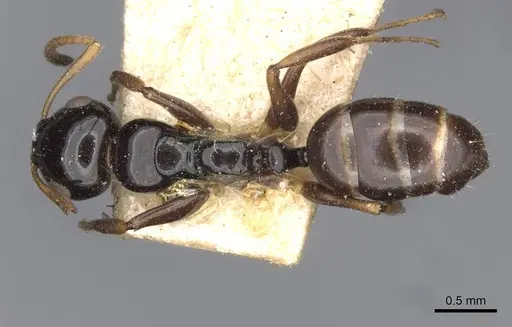
Literatura
A carregar mapa de distribuição...A carregar produtos...